India Eases Rupee Trade with ACU Members, Including Maldives
21 އޯގަސްޓު 2026 | ހުކުރު 09:10This decision will reduce reliance on the US dollar, save on currency conversion costs, and expand the role of the rupee in the international market.
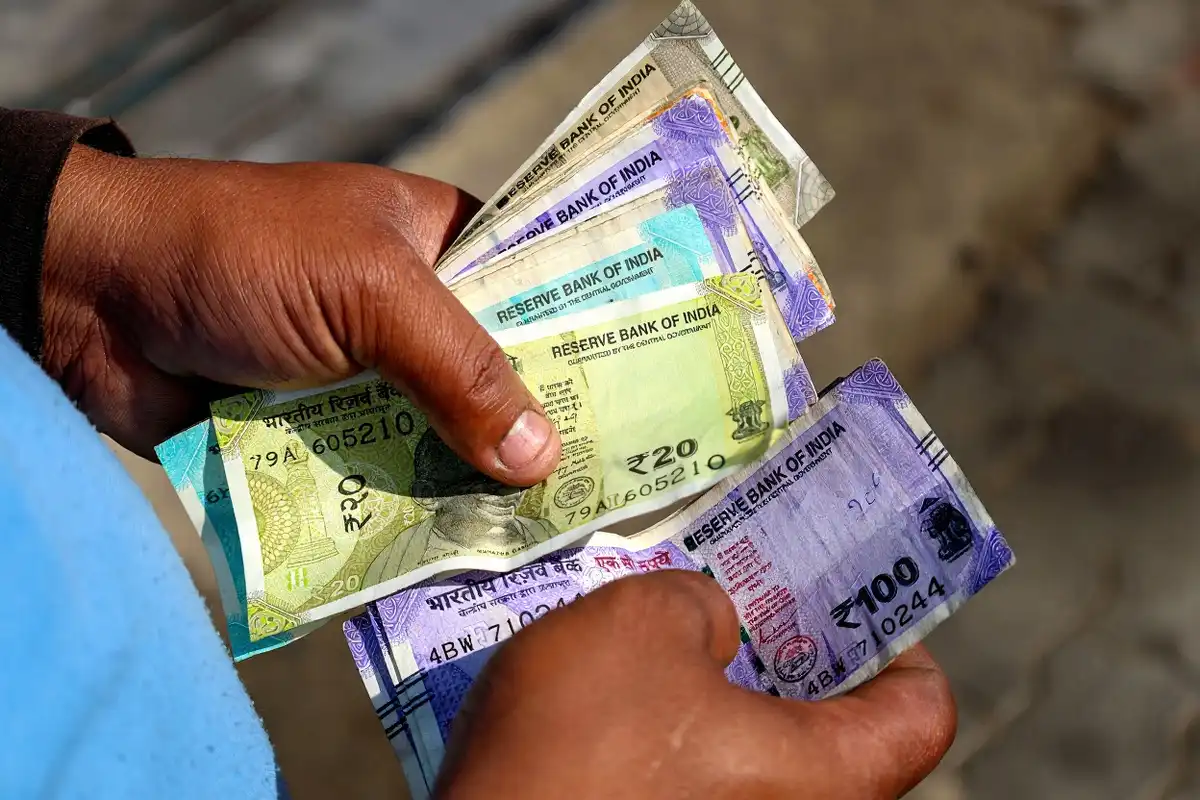
An employee counts Indian rupee notes at a Hindustan Petroleum fuel station in Srinagar, Jammu and Kashmir, on June 12, 2026. | getty images
The Indian government on Thursday amended several provisions of its Foreign Trade Policy to facilitate the use of the Indian Rupee (INR) in commercial transactions. The changes aim to provide greater flexibility to exporters in invoicing and settling international trade payments in the local currency. This move is expected to significantly expand the global footprint of the Indian Rupee in international trade.
India's Directorate General of Foreign Trade (DGFT) has issued a notification announcing amendments to two provisions of the Foreign Trade Policy (FTP) 2023. The agency stated that these changes were implemented to align the regulations governing the denomination of export contracts and the incentives for settling trade in Indian Rupees with the "Foreign Exchange Management Regulations 2023."
Exporters shipping goods to countries outside the Asian Clearing Union (ACU) are now permitted to draw up contracts and invoices in Indian Rupees (INR) or other foreign currencies. Previously, export proceeds were generally required to be received in freely convertible international currencies. Under the new amendment, export transactions with the Maldives, Bangladesh, Iran, Myanmar, Pakistan, and Sri Lanka must utilize currencies designated by the ACU. However, this notification facilitates invoicing and settlement in accordance with the guidelines issued by the Reserve Bank of India (RBI).
Ajay Srivastava, founder of the Global Trade Research Initiative (GTRI), noted that Nepal and Bhutan are treated differently. Export contracts with these two nations are typically priced and settled in Indian Rupees, or in accordance with specific guidelines issued by the Reserve Bank of India (RBI). The Asian Clearing Union (ACU) comprises nine member nations: Maldives, Bangladesh, Bhutan, India, Iran, Myanmar, Nepal, Pakistan, and Sri Lanka. Each member state is represented within the union by its respective central bank or monetary authority.
According to the Global Trade Research Initiative (GTRI), this change will allow Indian exporters and foreign buyers to settle transactions without relying on the US dollar or other international currencies, thereby expanding the global use of the Indian Rupee. Welcoming the decision, Ajay Srivastava stated that this move eliminates previous constraints and grants rupee-denominated earnings the same status as foreign currency revenue. However, he noted that regulatory changes alone would not significantly drive rupee trade; rather, the use of the rupee would reduce currency conversion costs and mitigate the impact of exchange rate fluctuations. He further added that this arrangement would be particularly beneficial for trading with countries facing dollar shortages or those experiencing difficulties in accessing international payment systems.