Regulations amended to impose fines of up to MVR 100,000 for importing medicine without MFDA approval
28 ޖުލައި 2026 | އަންގާރަ 12:58Significant amendments have been made to the Maldives Medicines Regulation to curb the unauthorized sale and misuse of pharmaceuticals without Maldives Food and Drug Authority (MFDA) approval. Under these new regulations, only companies with Maldivian shareholding are permitted to import and sell medicine, while the authority has been granted the power to impose fines of up to MVR 100,000 on those who violate the guidelines.

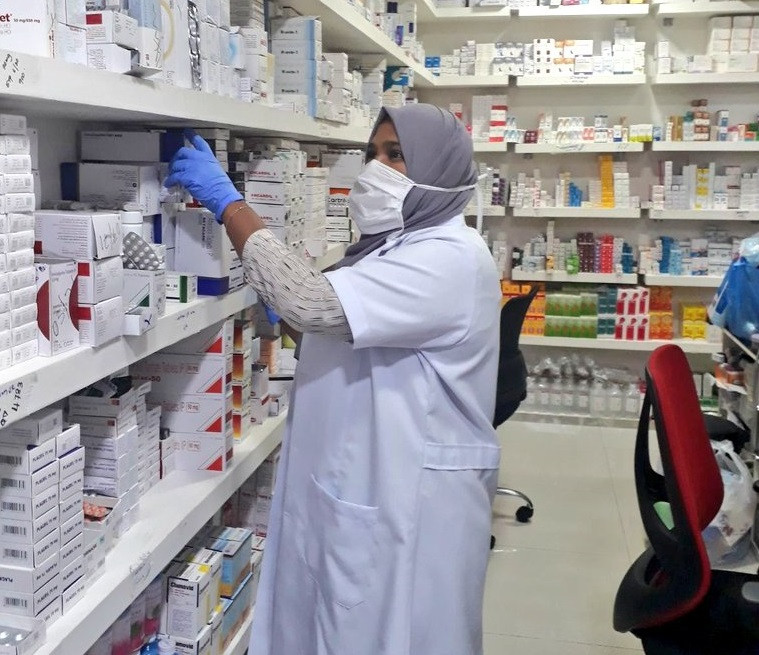
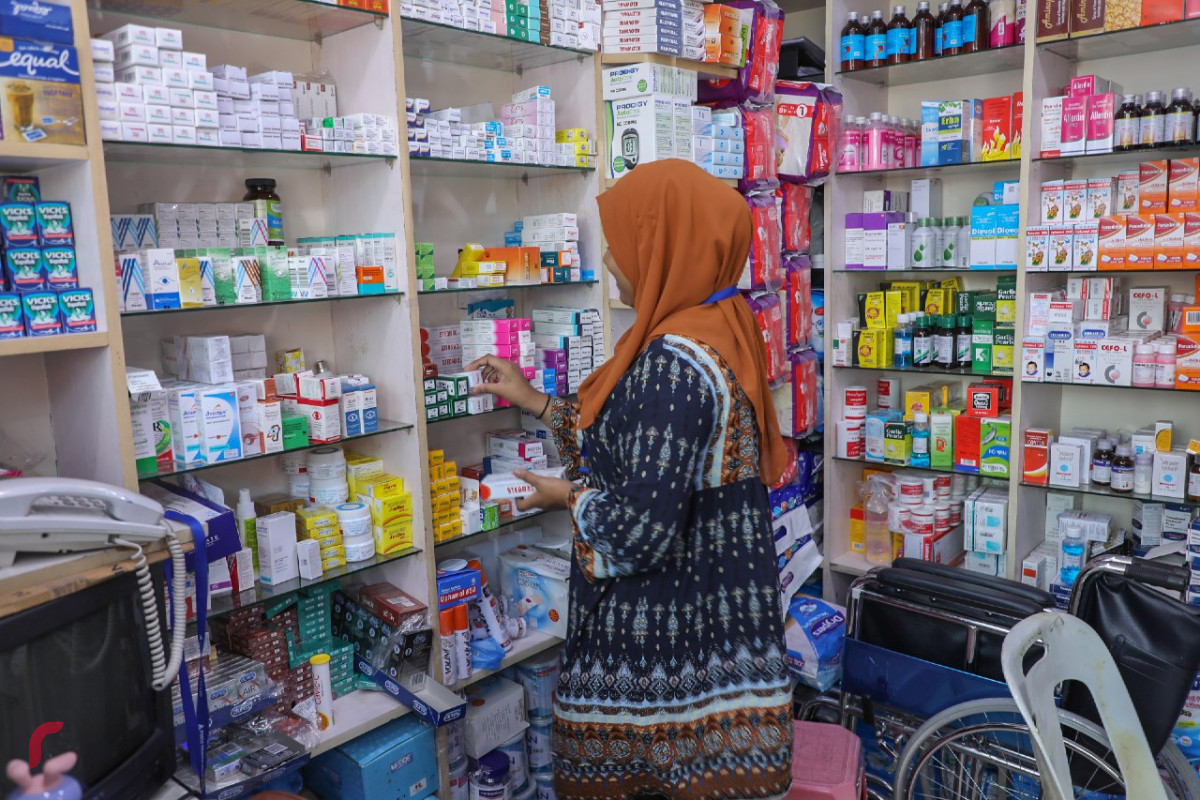
A pharmacy worker sorting through the medicine stacked on the shelves. | STO
The Maldives Food and Drug Authority (MFDA) has amended the Medicine Regulation to impose fines of up to MVR 100,000 for importing pharmaceuticals without the required authorization.
The Maldives Food and Drug Authority (MFDA) stated that the primary objective of amending these regulations is to ensure that medicines available to the public are safe, effective, and of high quality. Furthermore, the Authority noted that the amendments aim to prevent the misuse of pharmaceuticals and curb the illegal trade of unauthorized medications.
Under the newly established regulations, it is prohibited to display or sell any product classified as medicine by the Maldives Food and Drug Authority (MFDA) in general retail shops without prior authorization from the authority. However, the regulation does not strictly forbid the sale of certain over-the-counter (OTC) medicines in general shops. Depending on the circumstances, these may be sold under a special permit issued by the MFDA. Notably, general retail outlets have previously been permitted to sell common medications for ailments such as fever and the common cold without a prescription.
Under the newly established regulations, the list of medicines authorized for import and sale in the Maldives must be published within 30 days. The importation of any medication not included on this list is strictly prohibited. Furthermore, pharmaceutical manufacturers, importers, and pharmacies are now required to register with the Maldives Food and Drug Authority (MFDA). The authority has also disclosed that the registration of medicines will be restricted exclusively to Maldivian citizens or companies with Maldivian shareholding.
These regulations shall come into effect 90 days after the date of publication.
According to the updated regulations, foreign pharmacists working in pharmacies must possess a certification from the Maldives Food and Drug Authority (MFDA) verifying their proficiency in the Dhivehi language. In the absence of such certification, the pharmacy is required to have a translator present to facilitate communication. Furthermore, the MFDA stated that online medicine sales are restricted to authorized entities only. Such sales are strictly limited to over-the-counter medications that do not require a physician's prescription.
In dealing with violators, an initial warning will be issued along with a grace period to rectify the issue. However, repeat offenses will incur fines ranging from MVR 10,000 to MVR 100,000. Furthermore, the regulations stipulate that the Maldives Food and Drug Authority (MFDA) holds the power to suspend permits for a duration of 14 days to one year, and as a final measure, possesses the authority to revoke licenses entirely.
The Maldives Food and Drug Authority (MFDA) has recently issued a directive requiring private pharmacies—previously characterized by the current administration as a "medical mafia"—to ensure the availability of 80 percent of essential medicines. Under this new regulation, the list of mandatory essential medicines has been categorized into two grades. The authority has mandated that pharmacies must arrange to stock at least 80 percent of the medicines specified for their respective grades within a six-month period, effective from last Thursday.