Despite Dedicated Government Office, Malé Traffic Is Ultimately the City Council's Responsibility: Mayor Azim
17 ޖުލައި 2026 | ހުކުރު 12:34The Malé City Council, in collaboration with UNESCAP, has launched a specialized study to address the capital's traffic congestion, with data collection efforts currently underway. This project involves surveying households across the Malé area to determine vehicle density and identify the primary challenges facing the region's transportation system.


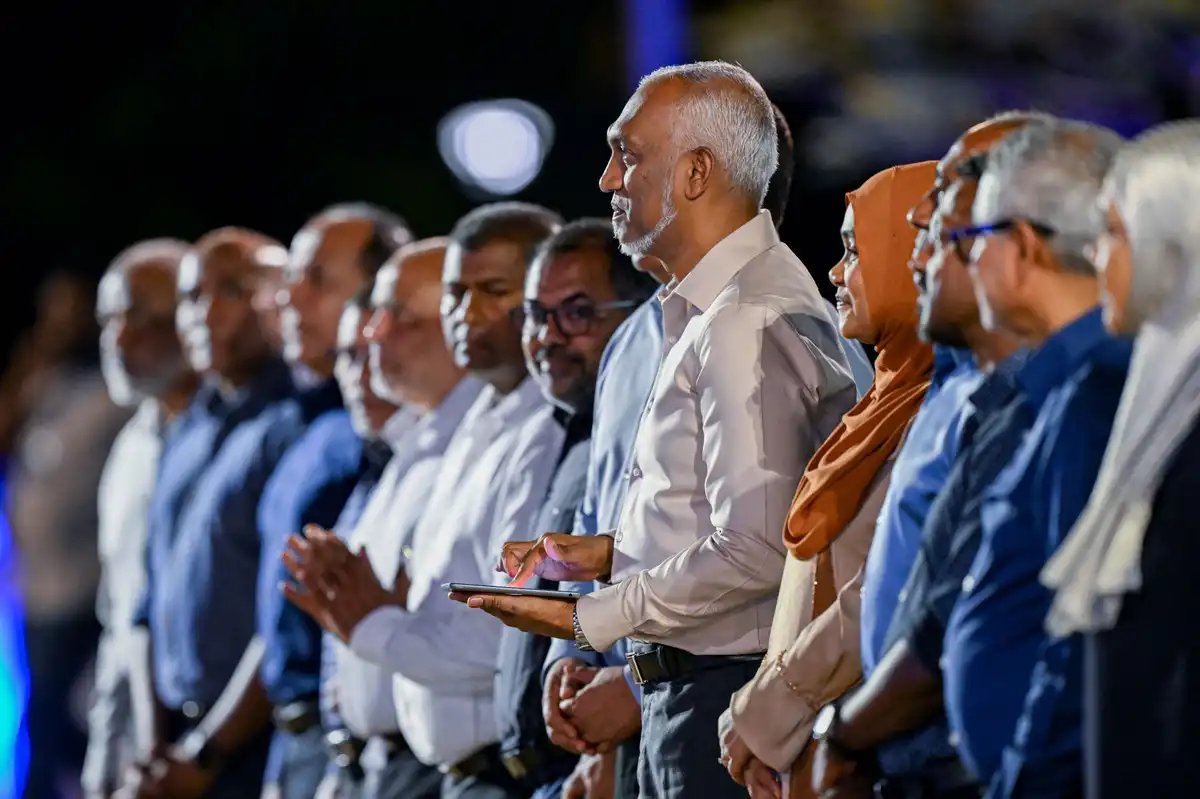
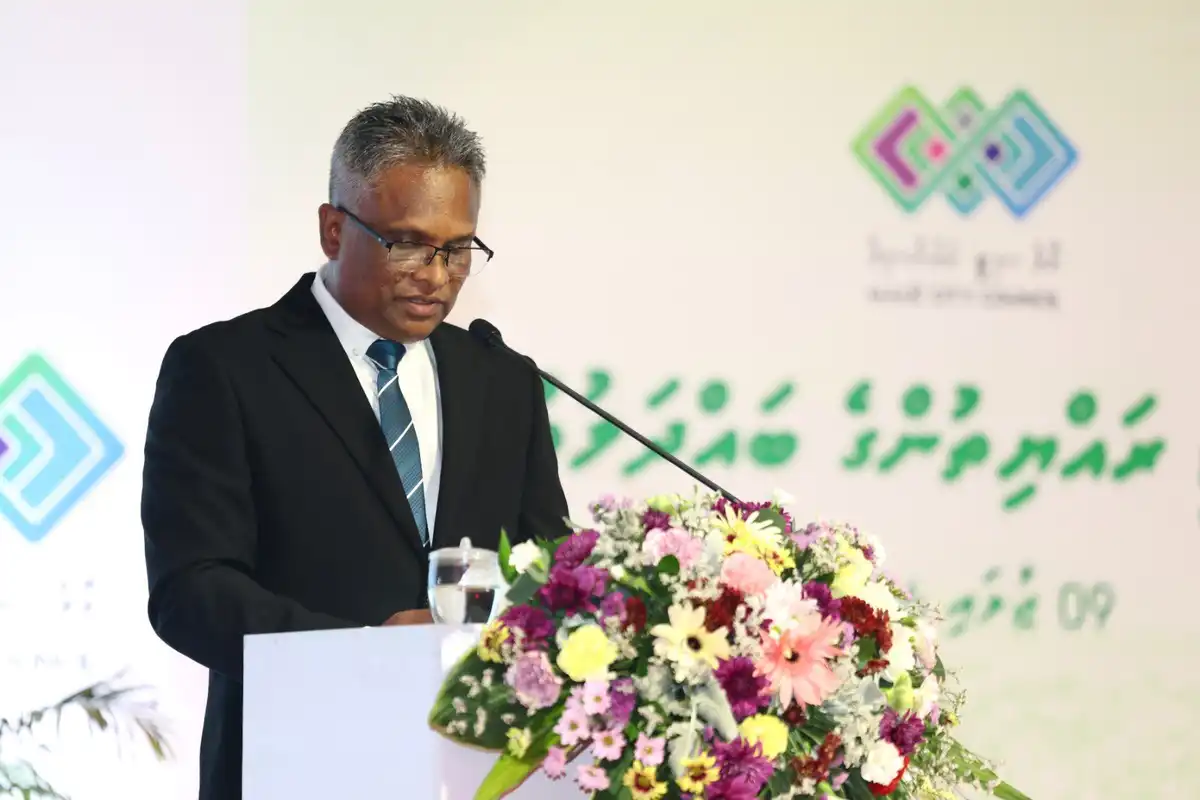
Mayor Adam Azim delivers remarks at the 8th official general meeting of the Malé City Council's 5th term. | Male city council
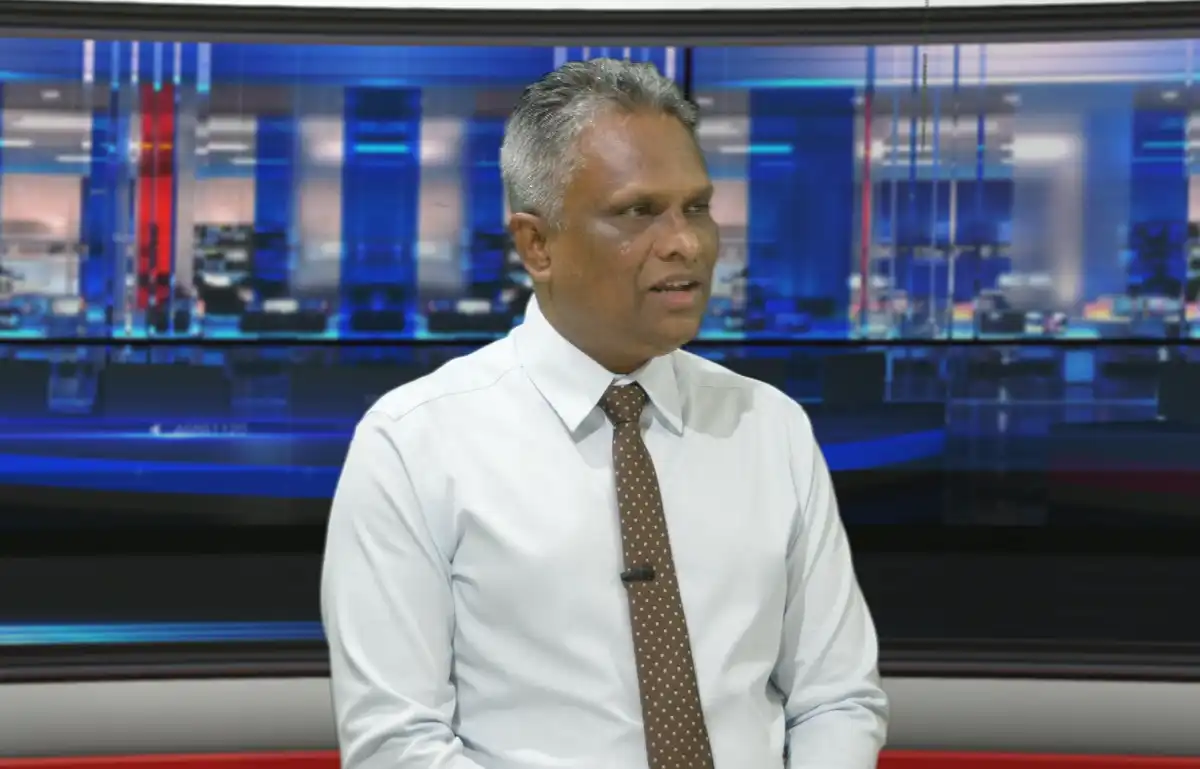
Malé City Mayor Adam Azim has stated that resolving the traffic congestion issues in the capital is the responsibility of the Malé City Council and not a matter for which the central government should be held accountable.
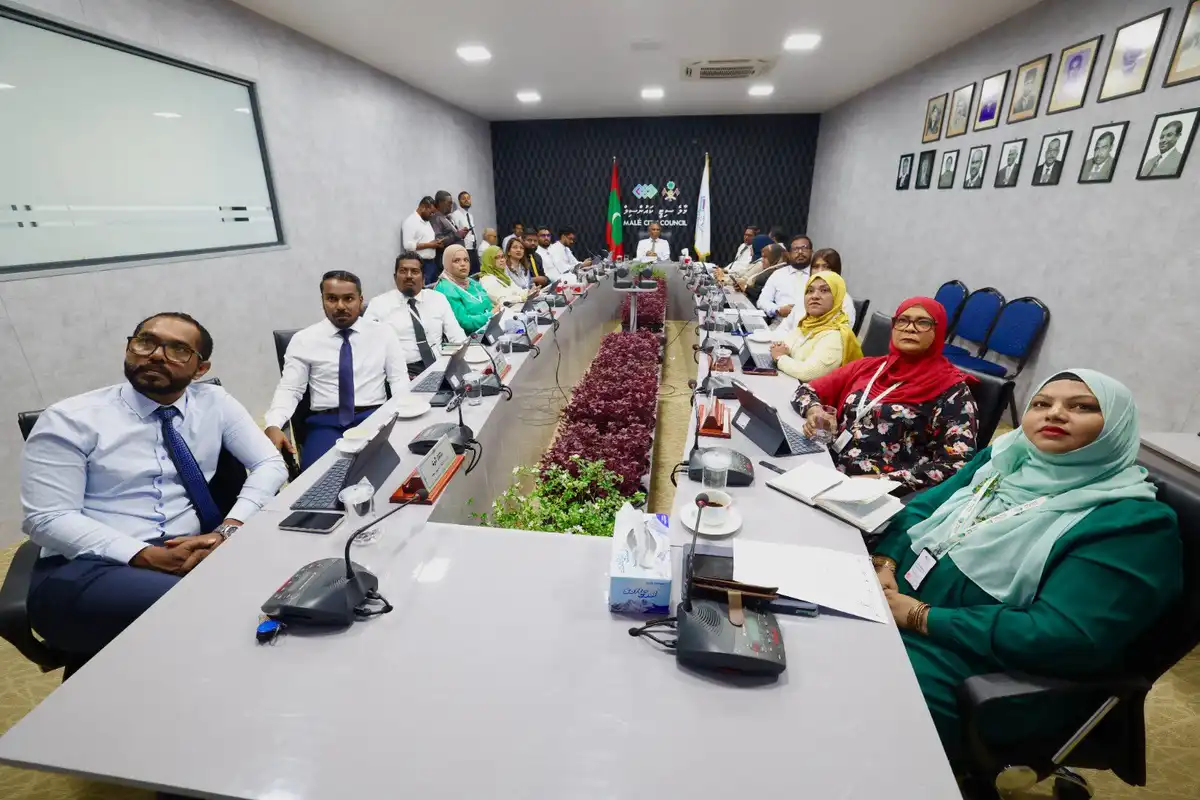
The Mayor made these remarks during the 8th official general meeting of the Malé City Council's 5th term, while debating a motion regarding school-hour traffic management. The motion was introduced by Ibrahim Laban Shareef, the Councilor for the South Maafannu constituency.
The Mayor stated that Malé's traffic and parking issues remain a significant challenge, noting that the City Council is currently collaborating with the United Nations Economic and Social Commission for Asia and the Pacific (UNESCAP) to find a sustainable solution. However, pointing out that the administration has established a dedicated office for this purpose, Mayor Azim emphasized that the government's role should be to provide the necessary support and assistance to the Council instead.
In my view, the government must provide us with the necessary support. This is because we are the ones held accountable for this matter, whereas they do not bear that responsibility. They should refrain from actions that create difficulties for us.Malé Mayor Adam Azim
Furthermore, the Mayor stated that the Council remains ready to work collaboratively on this matter for the benefit of the citizens.
Katrin Luger, Section Chief of UNESCAP’s Transport Division, met with Mayor Azim in April this year to discuss the ongoing project aimed at resolving traffic congestion. The project is funded by UNESCAP. The primary focus of the study includes analyzing vehicle density, transportation infrastructure, and the systemic challenges within the current network.
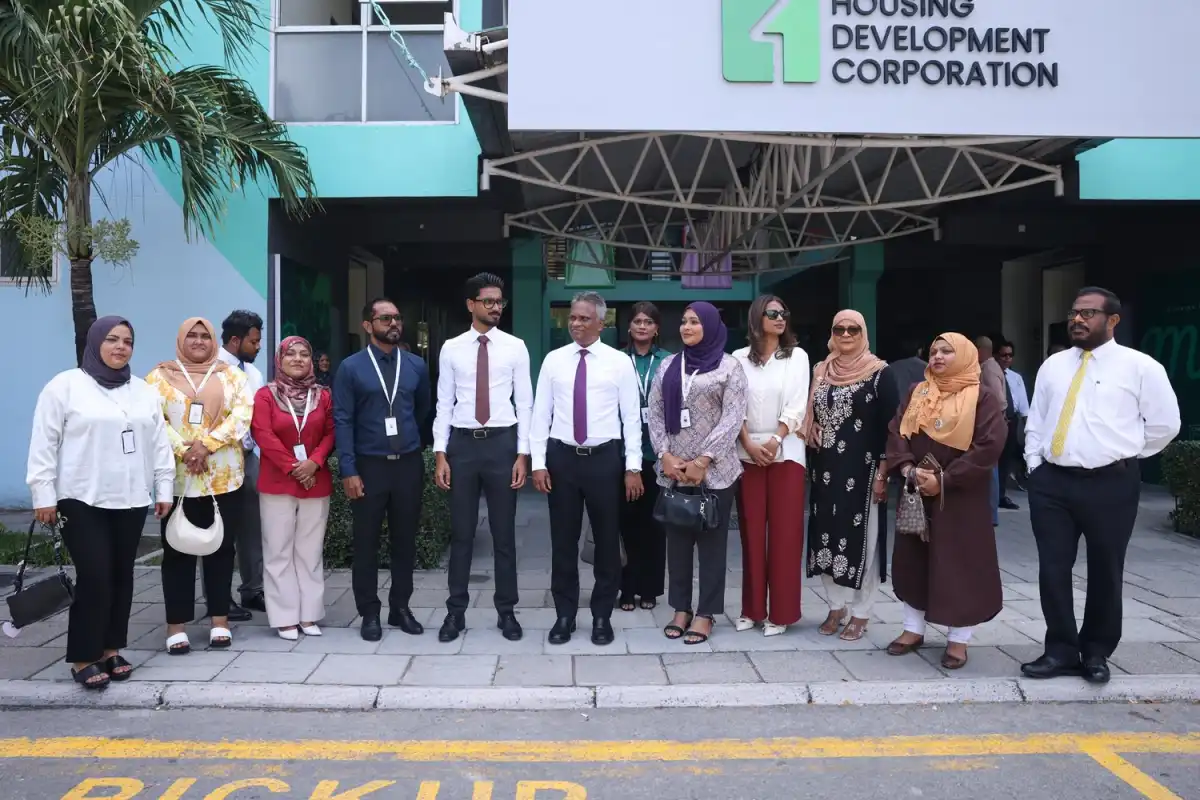
To facilitate data collection for this initiative, 20 staff members from the Malé City Council's Community Engagement Unit have visited over 1,000 households across Malé, Hulhumalé, and Villimalé. In addition to these visits, the council has launched an online data collection process. The council stated that members of the public can now participate in the survey through a link they have officially released.
The council stated that the primary objective of this initiative is to alleviate traffic congestion in Malé and establish a convenient transportation system for the public.