Central bank sounds the alarm: Maldives cash reserves plunge by millions as debt crunch looms
16 ޖުލައި 2026 | ބުރާސްފަތި 18:58Maldives official reserves fell to USD 686.8 million in June 2026, marking a 17.5 percent annual decline due to high foreign currency demand. Despite a strong tourism sector, the nation faces systemic debt risks and must settle USD one billion in foreign obligations by year-end. Global agencies warn of ongoing fiscal vulnerabilities.

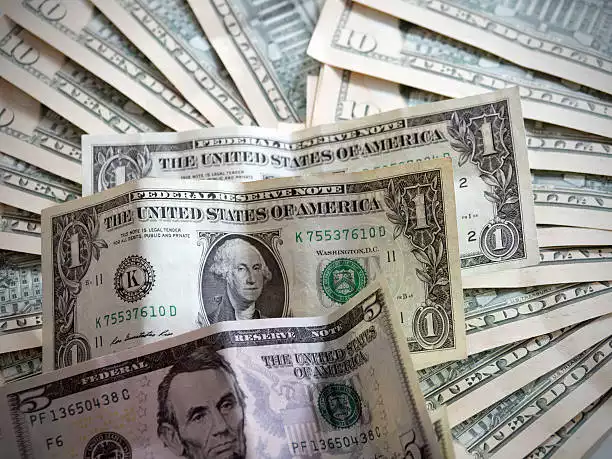
Banknotes worth one, five and ten U.S. Dollars lie on a table. | gettyimages
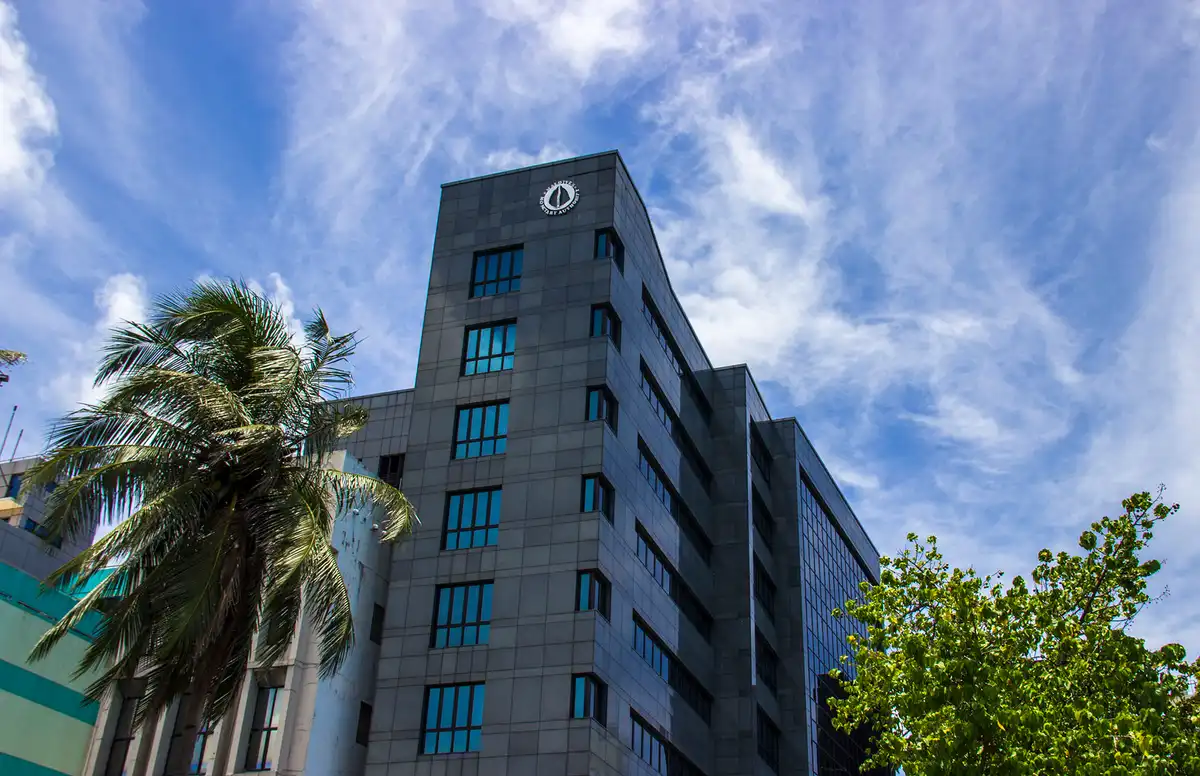
The Maldives Monetary Authority (MMA) has disclosed that the official financial reserves of the nation suffered a drop of USD 18 million by the conclusion of June when measured against the prior month of May.
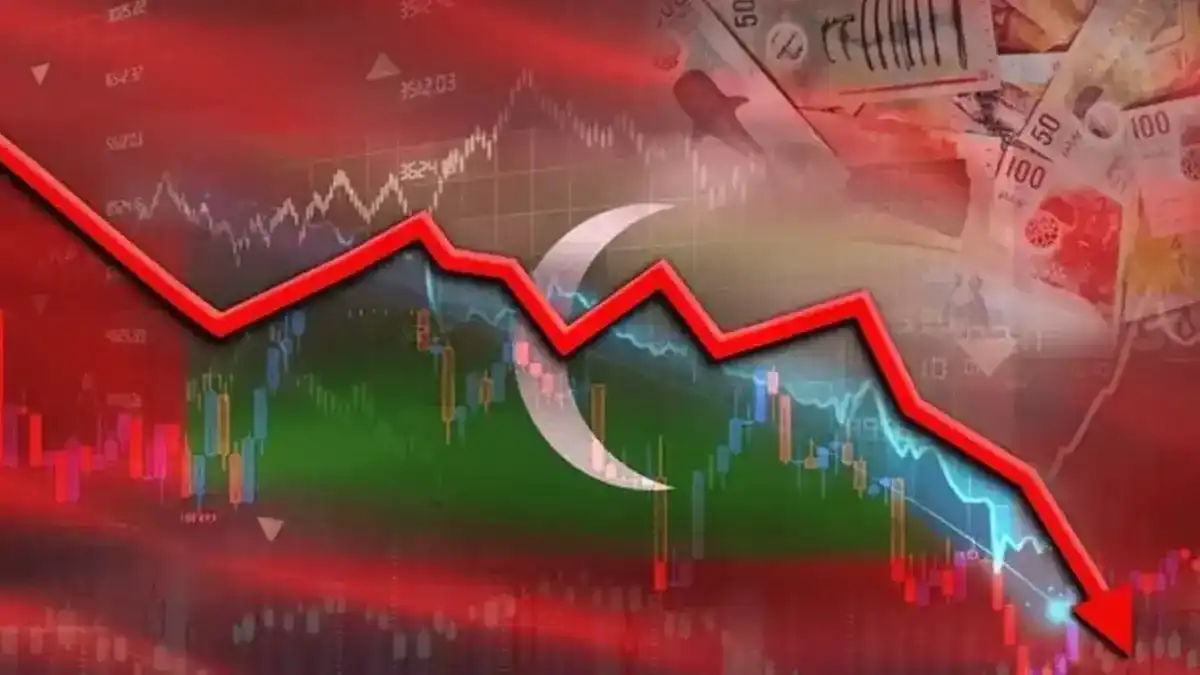
Based on the figures made public by the central bank, the total official reserves of the Maldives sat at USD 686.8 million as June 2026 came to a close. When looking at the data from the same period twelve months earlier, the reserve health demonstrates a massive drop of USD 145.6 million relative to June of the previous year, which marks a 17.5 percent contraction.
In addition, the funds readily available for utilization dipped by USD 11.9 million over the course of June in comparison to May of the current year.
The statistics from the central bank show that these usable funds rested at USD 248.9 million at the end of June 2026, which contrasts with the USD 203 million documented at the end of June from the year before.
The documentation also points out a steep drop-off beginning after March 2026, a month when the reserve numbers hit a highest point of USD 1,331.8 million, meaning the country has seen a total contraction of USD 645.0 million up to the current moment.
Recent evaluations from global economic organizations point out that even though the Maldivian financial system is being kept afloat by a strong tourist industry, it is heading toward major future difficulties.
These hurdles encompass expanding state debt obligations, a heavy reliance on funding from outside sources, and the consequences of shifting international political dynamics.
Within its development assessment for the nation distributed on 11 June 2026, the World Bank observed that the fiscal state of the Maldives grew stronger in 2025 because of elevated state collections and a compressed budgetary gap.
Even so, the organization warned that systemic weaknesses remain present, noting that the capacity to manage debt and the obstacles encountered when trying to obtain outside credit lines keep weighing heavily on the economic system.
The central bank explained that the main driver behind the shrinking reserves was an uptick in the distribution of U.S. Dollars into the domestic marketplace, which was triggered by intense needs for foreign cash among import businesses.
The regulatory body pointed out that these dollar distributions surged by 43 percent throughout June when contrasted with May. The World Bank calculates that the Maldives is going to need USD 1.7 billion to cover its foreign debt obligations during the course of 2026.
While the administration managed to successfully pay off a USD 500 million sovereign Sukuk alongside a USD 400 million currency swap agreement with India back in April, roughly USD one billion in foreign debt still needs to be paid off over the months left in the year.