MMA increases weekly USD allocation to banks by 25 percent amid tourism off-season
28 ޖޫން 2026 | އާދީއްތަ 13:24Starting Tuesday, MMA will increase weekly U.S. Dollar allocations to banks by 25 percent for three months to address rising demand for essential expenses. This measure aims to ease liquidity constraints caused by a surge in foreign exchange needs despite a seasonal decline in tourism inflows. While the intervention provides immediate relief, experts suggest that long-term stability depends on a sustainable increase in tourism-driven revenue.

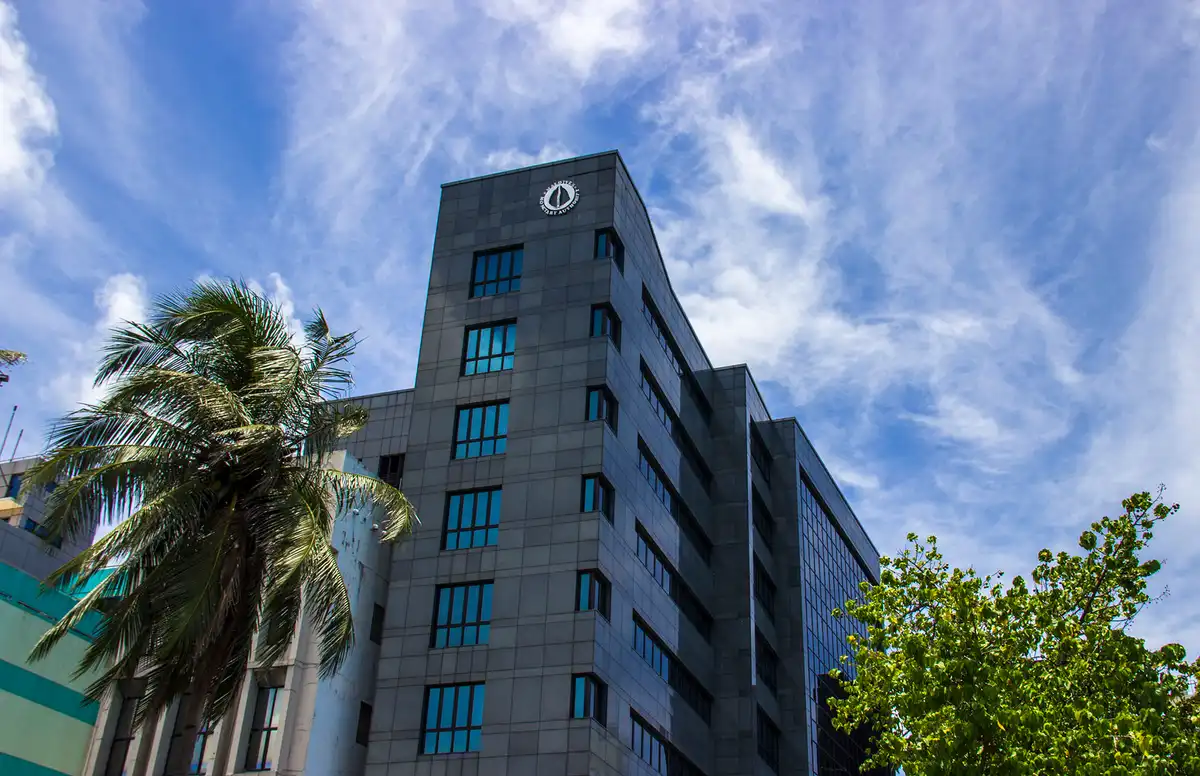
The building housing the Maldives Monetary Authority (MMA). | MMA
The Maldives Monetary Authority (MMA) has decided to increase its weekly U.S. Dollar allocation to commercial banks by 25 percent in a targeted effort to alleviate prevailing pressures in the country's foreign exchange market.
According to the central bank, the enhanced allocation will take effect next Tuesday and remain in place for the upcoming three months.
The authority noted that the decision was driven by heightened demand for U.S. Dollars to cover medical expenses, education, remittances and other essential requirements, occurring despite the seasonal drop in foreign currency inflows during the tourism off-season.
The central bank clarified that the primary objective of the measure is to ease USD liquidity constraints within the banking system and facilitate smoother access to foreign exchange for these priority needs.
Statistical data highlights a significant surge in USD sales through banks during the first five months of this year. Notably, the volume of USD sold for medical and educational purposes shot up by 78 percent compared to the same period last year, while USD sales for business and general requirements rose by 72 percent.
Despite the boosted bank allocations, a substantial gap between supply and demand persists due to lower overall inflows. This ongoing imbalance continues to impact the parallel market, where the exchange rate for a U.S. Dollar has exceeded MVR 20 in recent days.
The adjustment follows recent measures by the Bank of Maldives (BML), which last month implemented reductions on foreign transaction limits for Maldivian Rufiyaa cards. However, BML later announced that these limits would be reviewed and eased before the end of the current month.
Records show that the MMA allocated USD 72 million to banks in the first quarter of 2025 and USD 78 million during the same period in 2026. While the central bank's current intervention is expected to provide some immediate relief to banks and their customers, experts suggest that a sustainable resolution to the nation's foreign exchange challenges will ultimately depend on an overall increase in tourism-driven revenue.