Gov’t’s pension fund plan could push Maldives into financial abyss: Nasheed
4 ފެބުރުއަރީ 2026 | ބުދަ 04:29Nasheed and economic experts have warned against a MVR 2.4 billion transaction involving the Pension Fund, labeling it a disguised form of money printing. Critics argue that using retirement savings to cover government expenditures threatens the nation's financial stability and social protection. The controversy led to the resignations of the Pension Board Chairman and other top officials who fear the move will cause irreparable economic damage.

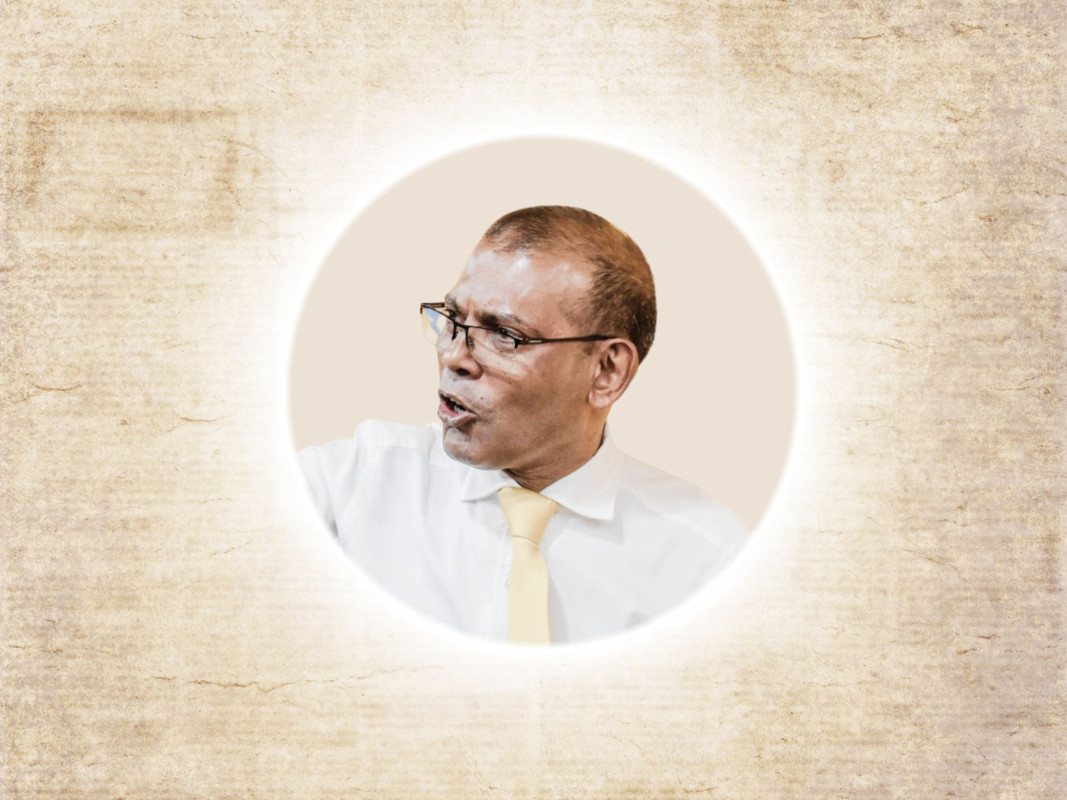
Fomer President, Mohamed Nasheed | RaajjeMV | raajjemv
Former President Mohamed Nasheed has urged the incumbent administration to refrain from actions that could destabilize the Maldives’ financial system.
This warning follows the Pension Office Board’s approval of a MVR 2.4 billion transaction proposed by President Dr. Mohamed Muizzu’s government, a move critics have described as a disguised method of printing money.
Nasheed emphasized that the Pension Fund was established for a very specific purpose, funded by a 14 percent contribution from employees’ salaries, seven percent from the employee and seven percent from the employer. He stressed that the primary goal of these savings is to ensure financial security for citizens in their old age through a retirement pension, a vital component of social protection and argued that using these funds for any other purpose is a grave mistake.
He further noted that after monthly pension disbursements, the remaining funds must be invested in profitable as well as secure ventures, and should never be used to cover government salaries or other recurrent expenditures. Nasheed called on the government to safeguard the nation’s finances, warning that the country is "heading blindly into an abyss."
The Pension Office plans to raise the MVR 2.4 billion by selling previously purchased bonds to the central bank, Maldives Monetary Authority (MMA), with the proceeds then reinvested into long-term government bonds.
Concerns over potential irreparable economic damage led to the resignation of Pension Board Chairman and former Finance Minister Ahmed Inaaz on Monday. Inaaz noted that, amid a worrying decline in the state’s financial health, extensive discussions failed to produce a sustainable solution regarding the proposed bond issue.
Board member Ahmed Saruvash Adam and CFO Hawwa Fajuwa also resigned in protest. Saruvash pointed out that, since the Pension Fund does not currently hold MVR 2.4 billion in liquid cash, executing the plan through the central bank would effectively require the printing of new money.
Despite these warnings, critics accuse the Muizzu administration of misleading the public by denying that the transaction constitutes money printing. Economic experts continue to voice serious concern, warning that this measure could have severe, long-term negative consequences for the state’s financial stability.