Parliament approves reduction of previously increased tobacco duties
1 ޖުލައި 2026 | ބުދަ 10:00Shortly after increasing the duty on tobacco products, the Parliament has passed a government-proposed bill to reduce the duty on each cigarette to 4 Rufiyaa. While the government maintains that this adjustment follows WHO recommendations to prevent the emergence of a black market and mitigate revenue loss, opposition members have called for a comprehensive study on the potential impact this change will have on the national budget.

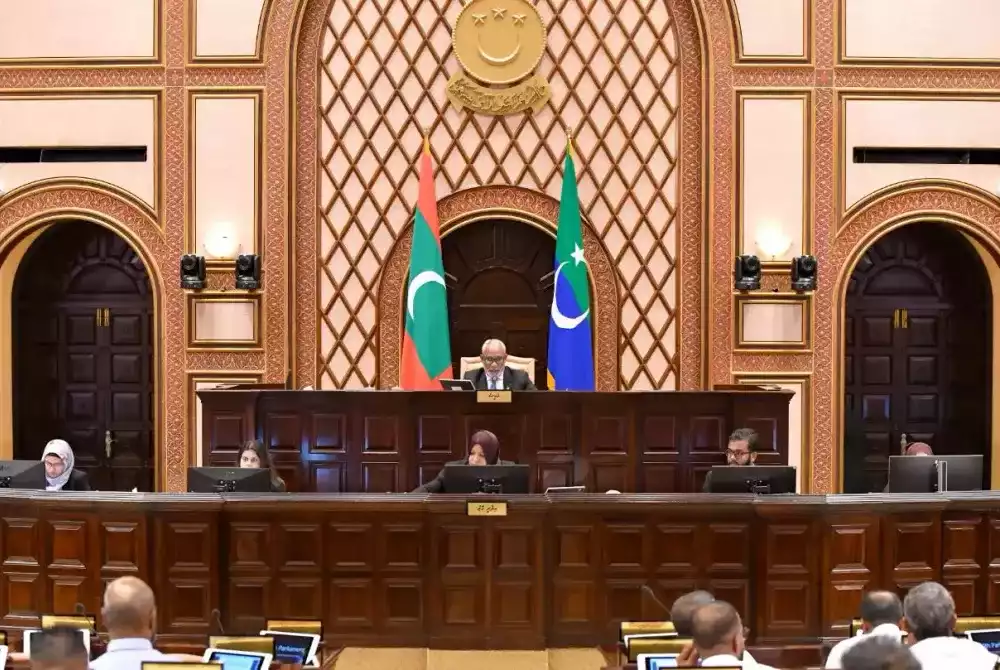
A sitting of the People's Majlis in progress. | RaajjeMV
The People's Majlis has passed an amendment to increase the import duty levied on tobacco products.
The bill was passed during Wednesday's parliamentary sitting with 68 parliamentarians voting in favor.
The bill proposes to reduce the import duty on cigarettes and bidis from MVR 8 to MVR 4 per unit, while lowering the ad valorem tax from 100 percent to 30 percent.
This proposal to reduce tobacco duties comes less than two years after President Dr. Mohamed Muizzu’s administration significantly increased taxes on tobacco products. In 2024, the duty on each cigarette and beedi was raised from 3 MVR to 8 MVR, while the ad valorem tax was doubled from 50 percent to 100 percent.
In addition to increasing taxes, the government's policy framework includes a total ban on vapes and e-cigarettes, as well as prohibiting the sale of tobacco products to anyone born after 2007. In recognition of these policies, the World Health Organization (WHO) has presented President Muizzu with the "World No Tobacco Day Special Recognition Award," while the Global Center for Good Governance in Tobacco Control has conferred the "Integrity Award" upon the Maldives.
On the other hand, concerns have surfaced regarding an increase in the smuggling of tobacco products following the duty hikes and the vape ban, leading to the emergence of a black market for vapes and low-cost cigarette brands. Furthermore, the government is facing scrutiny over the decline in import duty revenue and the overall practical effectiveness of these measures.
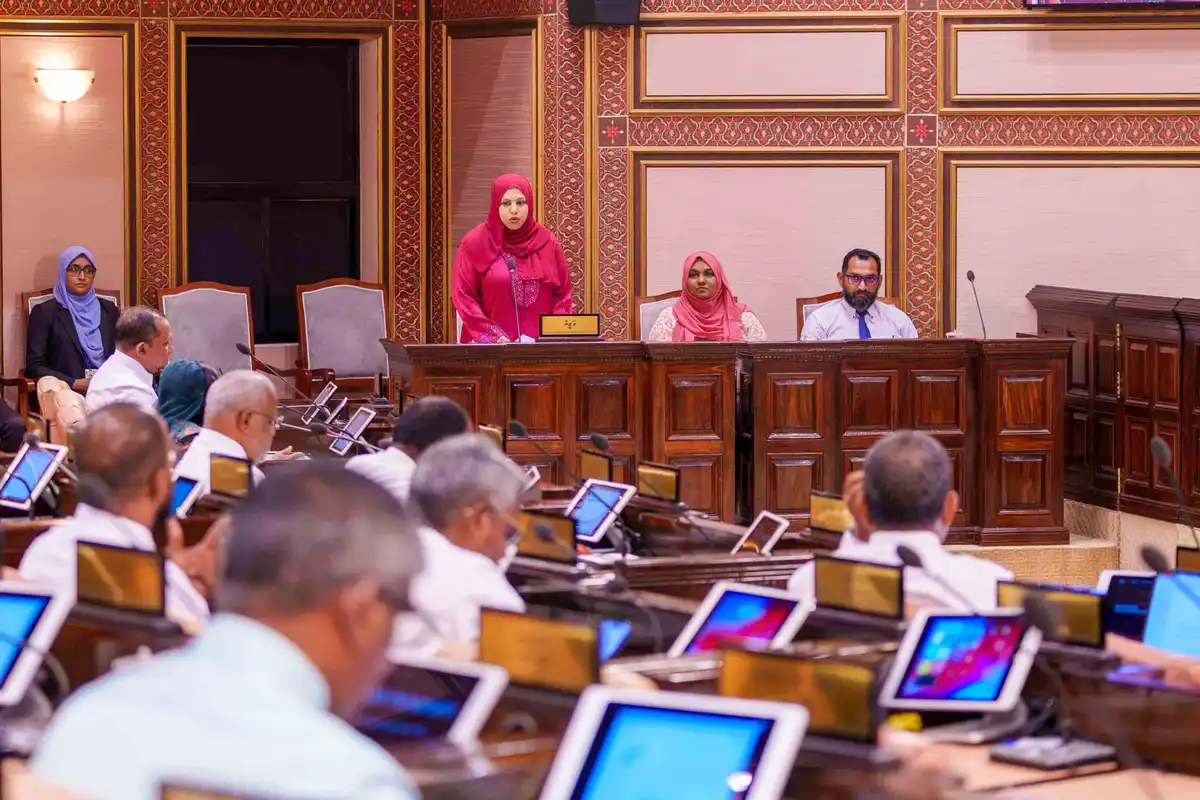
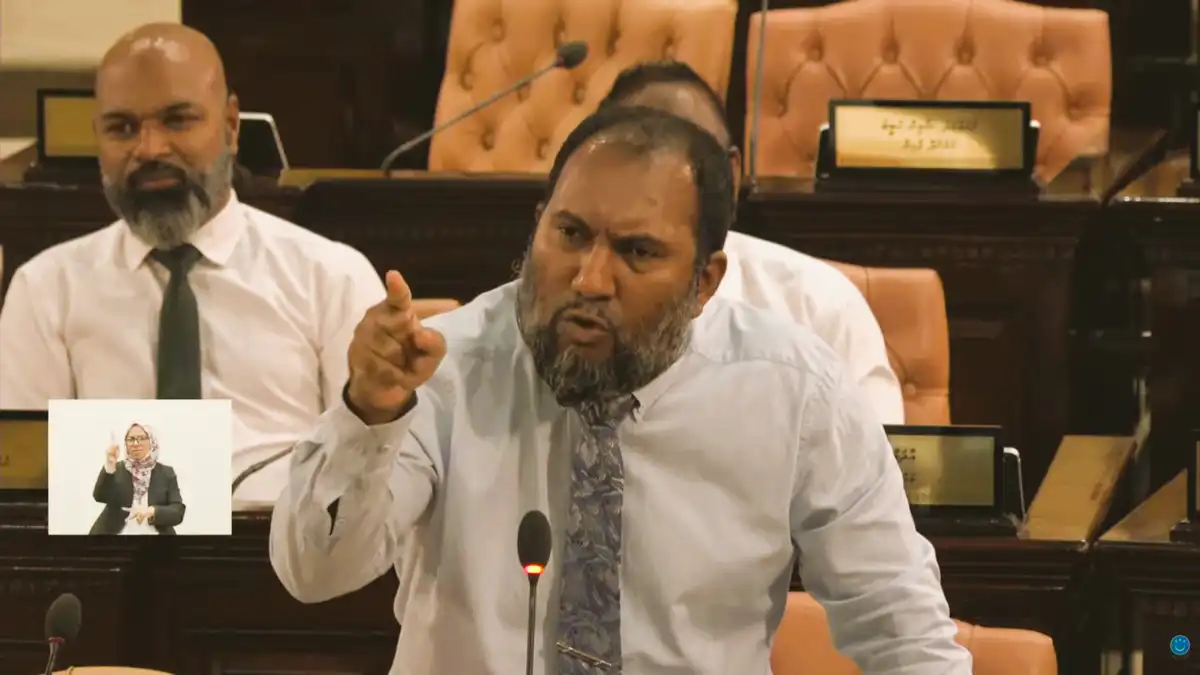
During the committee meeting regarding this issue, members of the opposition MDP proposed summoning relevant state institutions to assess the potential impact on the national budget before passing the bill. Opposition members also maintained that several amendments were necessary. However, the chair stated that no formal motions had been submitted for these proposals, and the bill was subsequently passed as originally proposed by the government.
The government maintains that the reduction in tobacco duties is being implemented in accordance with the recommendations of the World Health Organization (WHO).