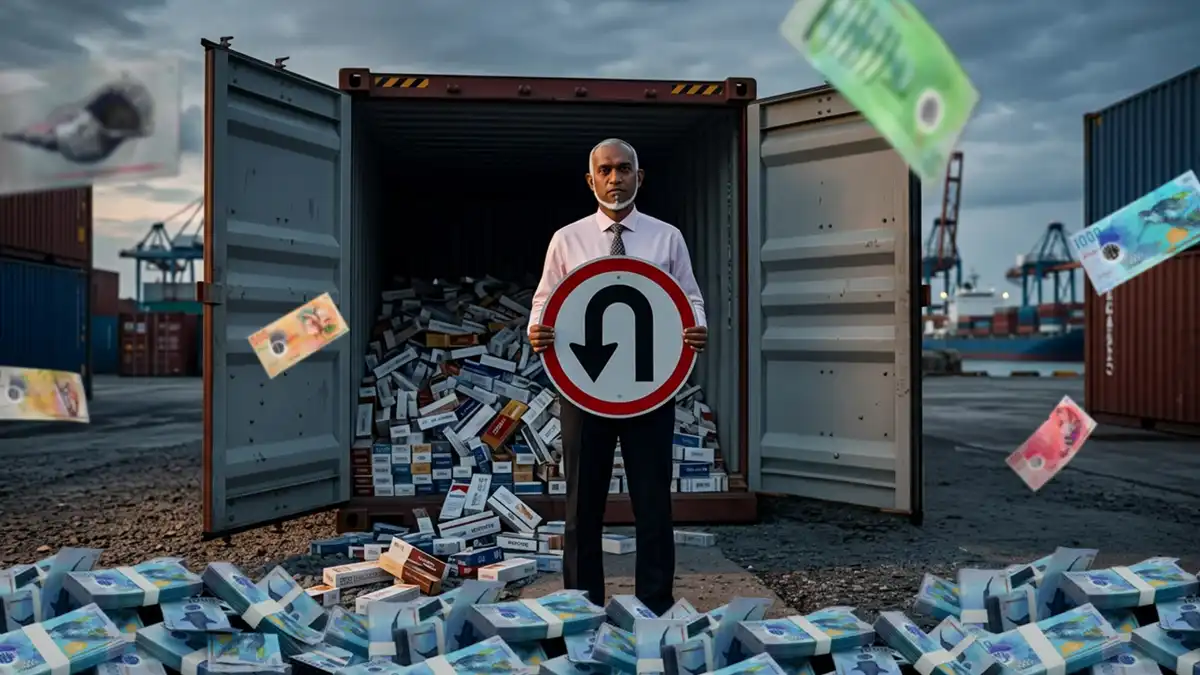
The crudest rhetorical loop
30 ޖޫން 2026 | އަންގާރަ 08:41Muizzu recently defended widespread staff dismissals by using extreme hypothetical scenarios despite his previous vows to protect jobs. Critics argue these layoffs are being falsely blamed on international conflicts while the administration continues to appoint high-level political officials. The president's reliance on repetitive rhetoric and fictional examples has raised concerns about his transparency regarding the nation's actual economic and political landscape.

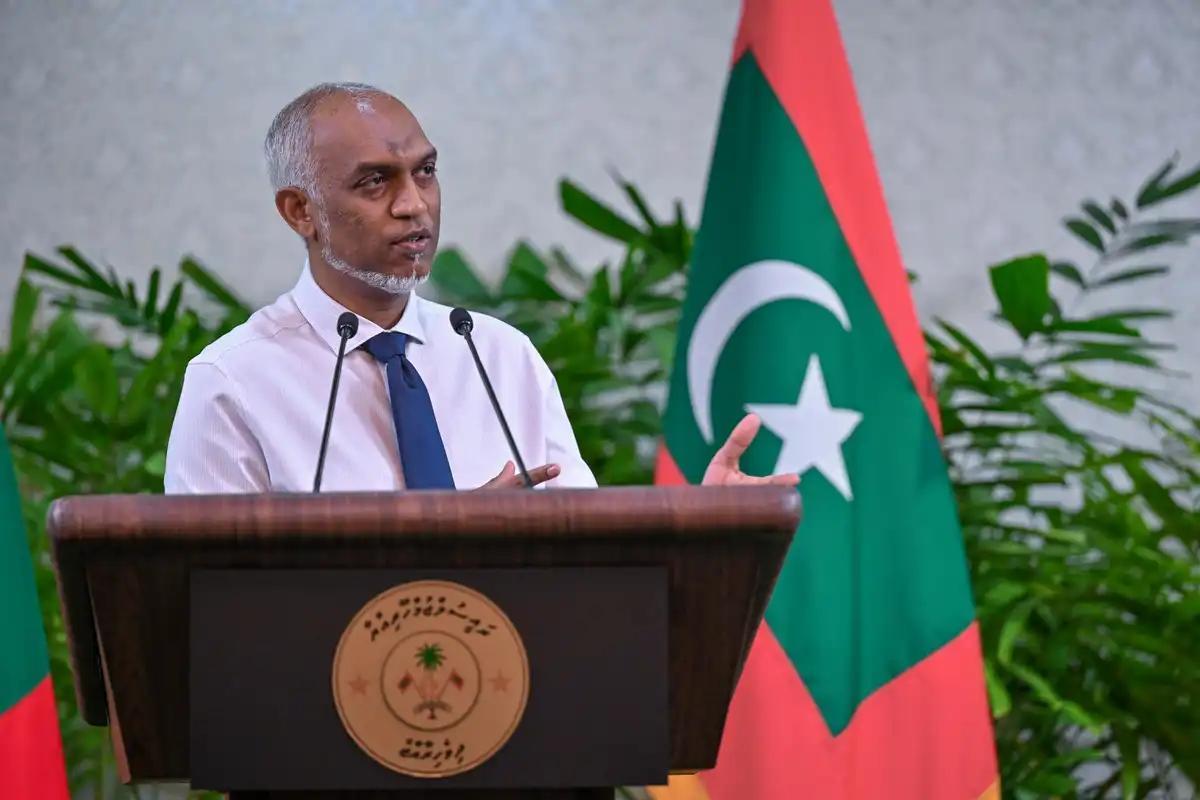
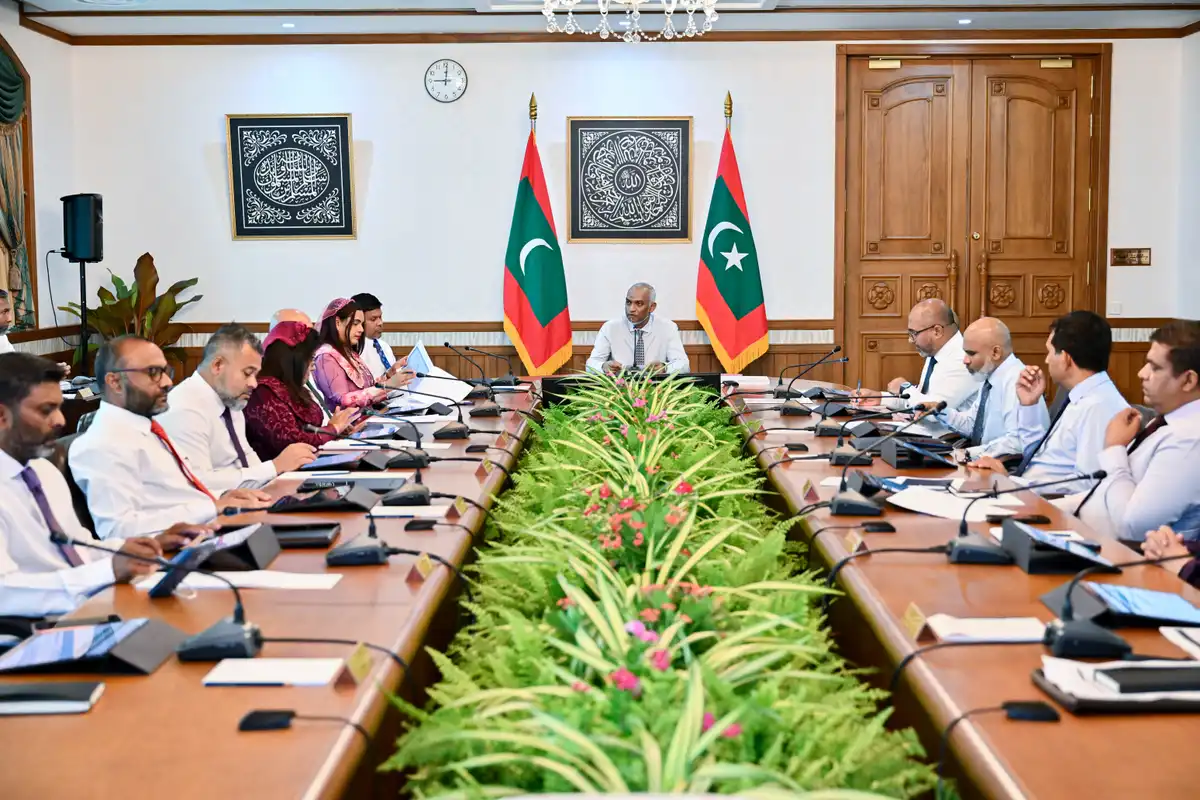
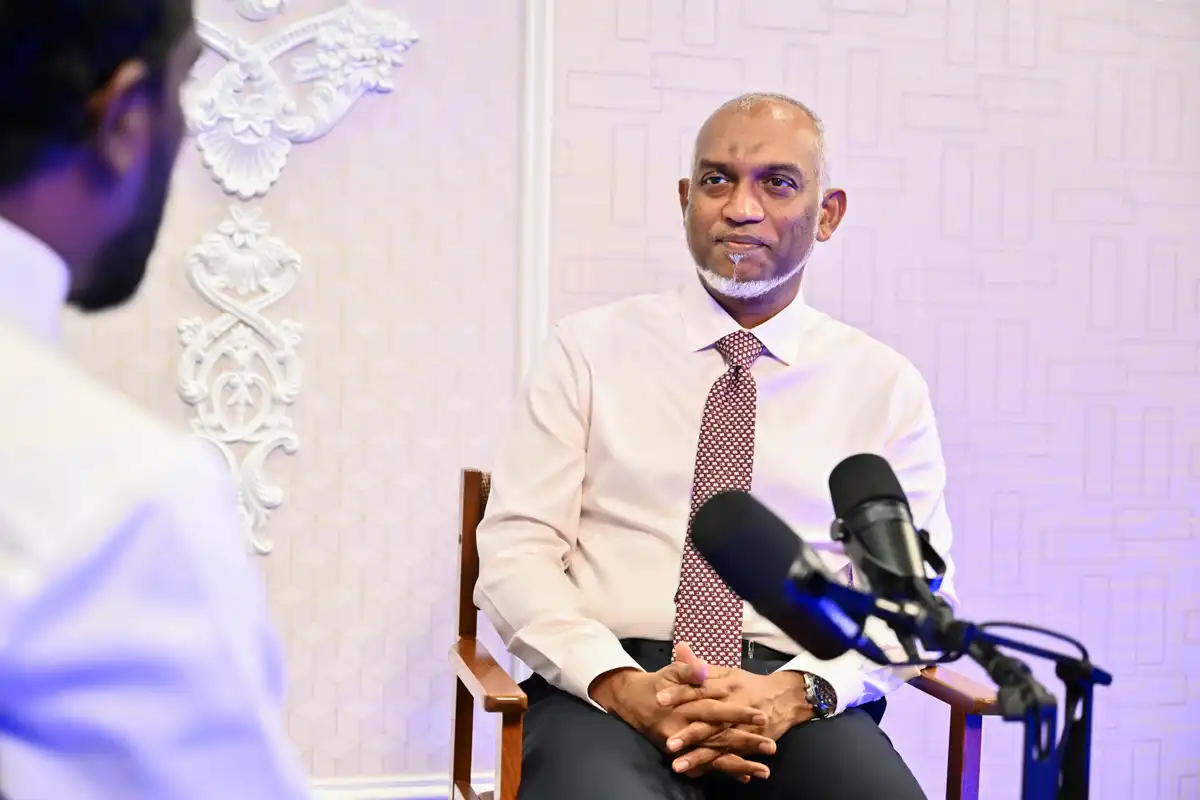
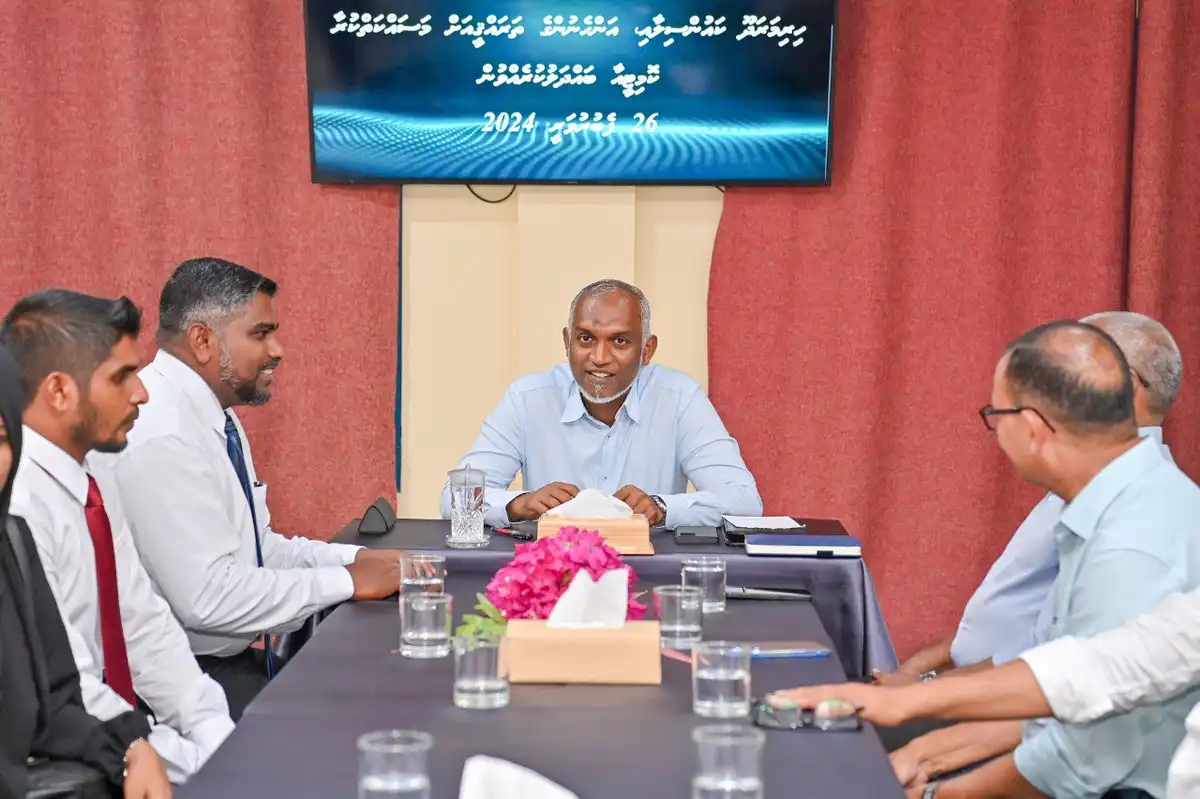
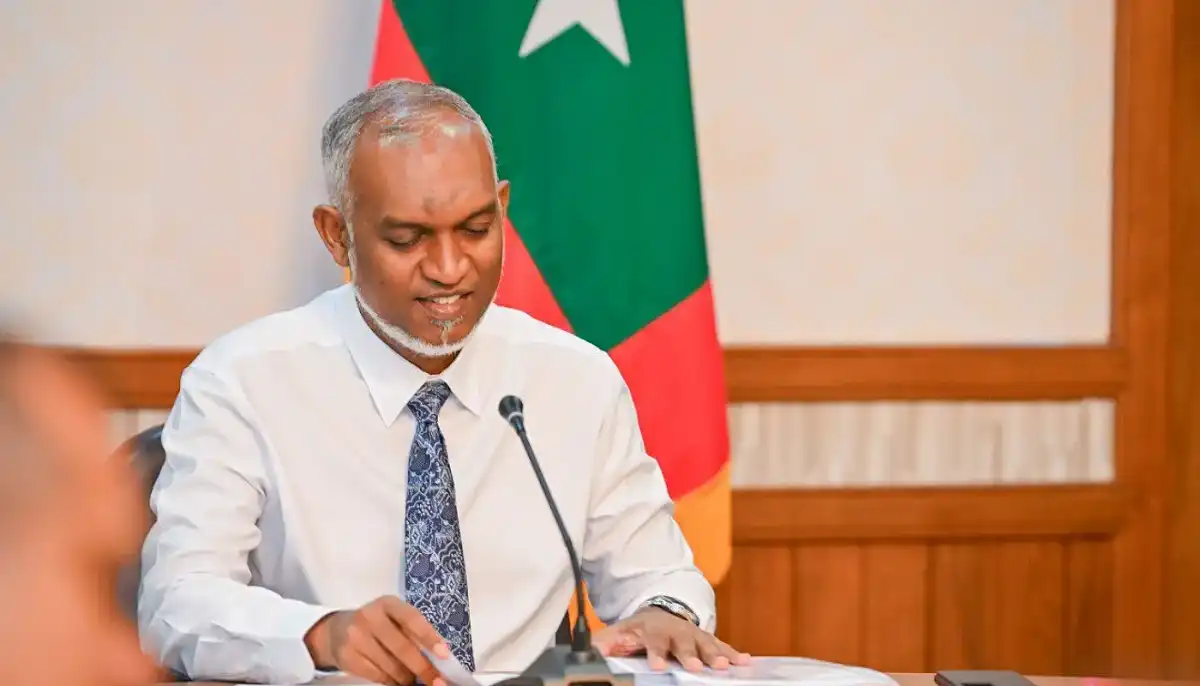
President Muizzu meets with the press. | Presidents office
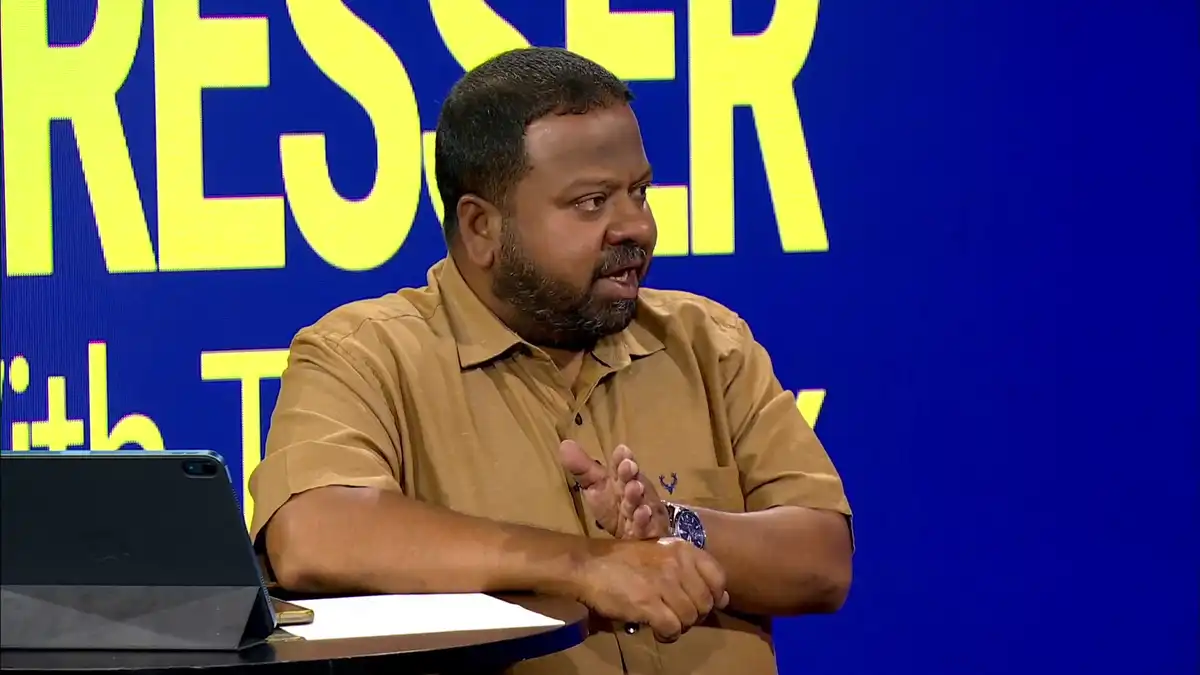
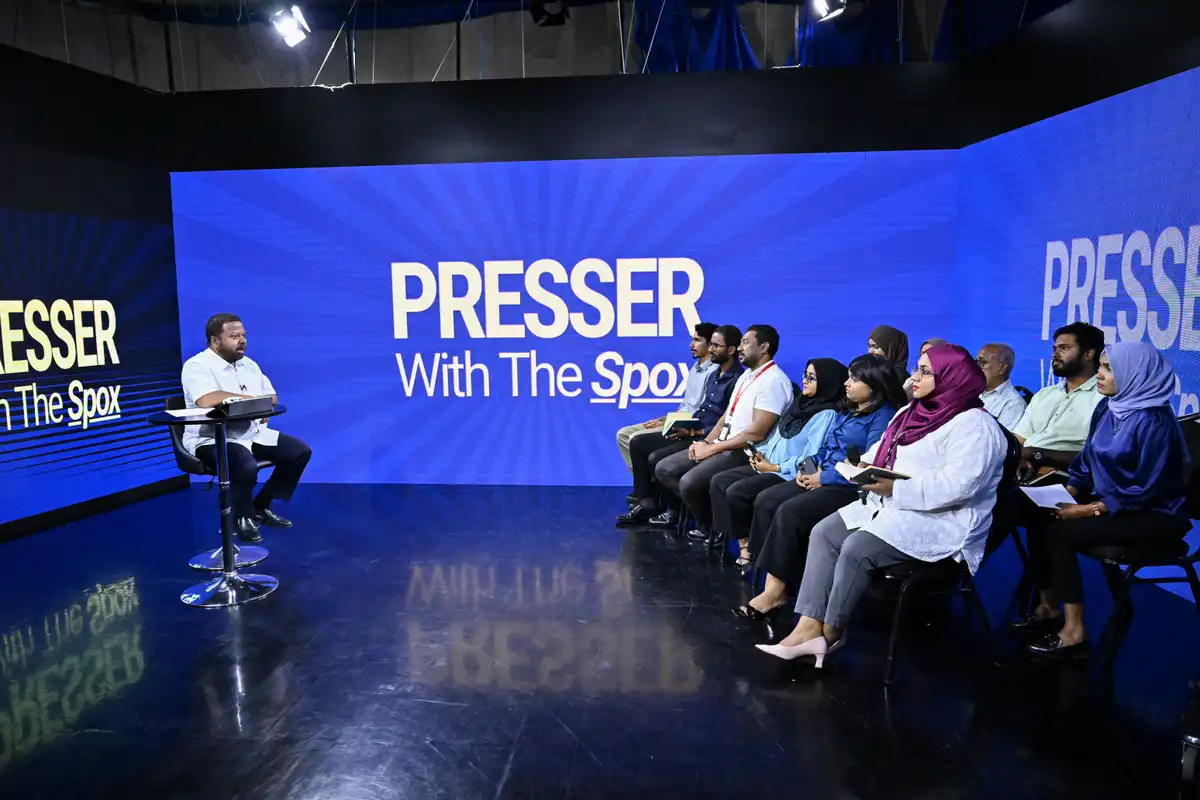
President Dr. Mohamed Muizzu finally graced the press with a briefing on Monday, marking his return to the microphone after abruptly scrapping scheduled media sessions for three consecutive weeks.
Interestingly, those prior briefings were repeatedly axed even during weeks when he was physically present right here in the capital, Malé City.
However, the true story here isn't the string of sudden cancellations. The real spectacle was the specific way President Muizzu chose to conduct himself and articulate his thoughts during Monday's presser. Across the span of his entire commentary, the president leaned heavily on a repetitive crutch, constantly uttering the phrase "for example... For example, for example."
A broken vow on repeat
One specific issue President Muizzu attempted to tackle during the media briefing was the ongoing firing of workers.
Observers note that he reportedly voiced his vow to never terminate any staff member more than 200 times. Despite that heavily repeated commitment, a multitude of workers across various islands throughout the nation are facing active dismissal at this very moment.
These layoffs are happening in direct opposition to the exact pledge the president put forward.
When cornered on the matter, President Muizzu claimed that the current firings do not actually violate his past word. Rather than addressing reality, he spun out an assortment of purely imaginary situations.
He demanded to know if workers should be kept on payroll if they were actively robbing their employers. He tossed out another scenario, asking if they should be protected if they were inflicting massive harm on the business.
He even pushed the thought experiment to the point of asking if a worker should keep their job after literally burning down a corporate facility, just because a vow against terminations had been made.
Bizarre geopolitics and political perks
Conspicuously absent from the president's defense was the actual, genuine motivation behind these widespread layoffs.
Open honesty about the true driver would have been a vastly superior approach.
Trying to paint these firings as extreme budget-slashing moves triggered by the military hostilities over in Iran feels utterly ridiculous.
Attempting to hide behind the Iranian conflict as a valid excuse falls completely flat.
While ordinary workers are being purged from state enterprise payrolls under the guise of slashing corporate expenses, fresh political hires are simultaneously being pushed through.
These lucrative new roles include the hiring of State Ministers, Deputy Ministers, Senior Political Directors as well as Political Directors, alongside a host of other political designations.
Facing a reality beyond cartoons
The whole display leaves one questioning what might happen if the president chose to address the factual reality of the landscape rather than leaning on fictional hypotheticals.
After all, the public is not living inside an animated cartoon.
A distinct line of thought naturally emerges from this spectacle: what would the fallout be if President Muizzu stepped down from office? What would happen if the current government completely collapsed before finishing its designated tenure? What would the landscape look like if he misses out on re-election in the year 2028? What would happen if President Muizzu ended up entirely isolated without any allies?
For example!