Efforts are underway to cap number of political appointments within the government: Shareef
28 ޖޫން 2026 | އާދީއްތަ 09:30The President's Office spokesperson has announced that the evaluation of government political appointments is complete, with the practical phase of reducing these positions set to begin. However, public concern continues to mount amid allegations that the administration is actually increasing political roles and utilizing state-owned enterprises for politically motivated hiring. Given the current economic climate, there is significant public demand for the government to fulfill its commitment to downsizing political staff to alleviate fiscal pressure.
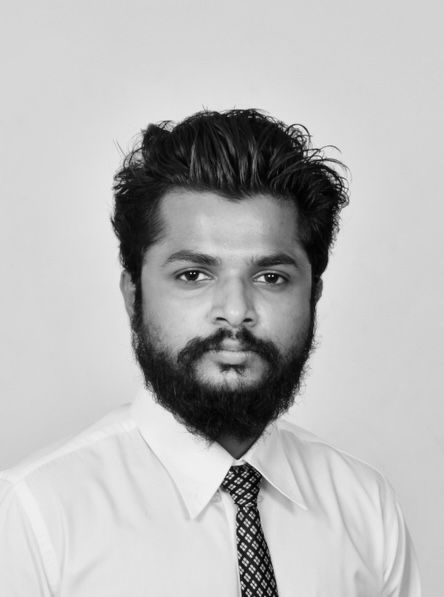
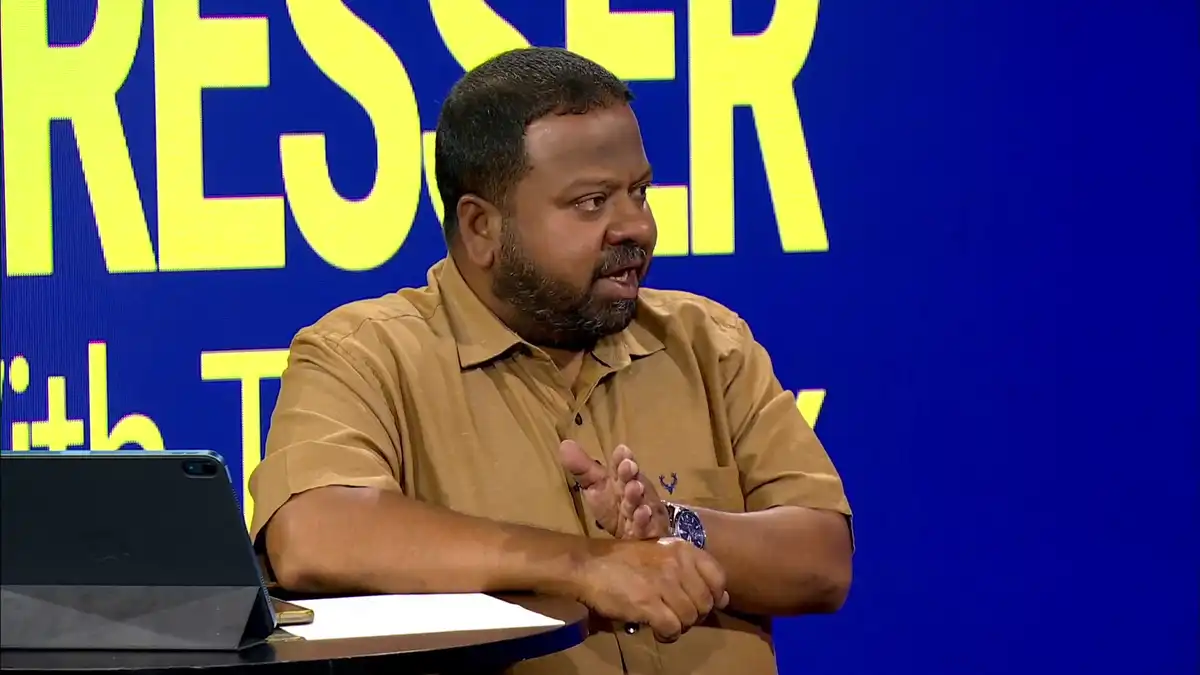
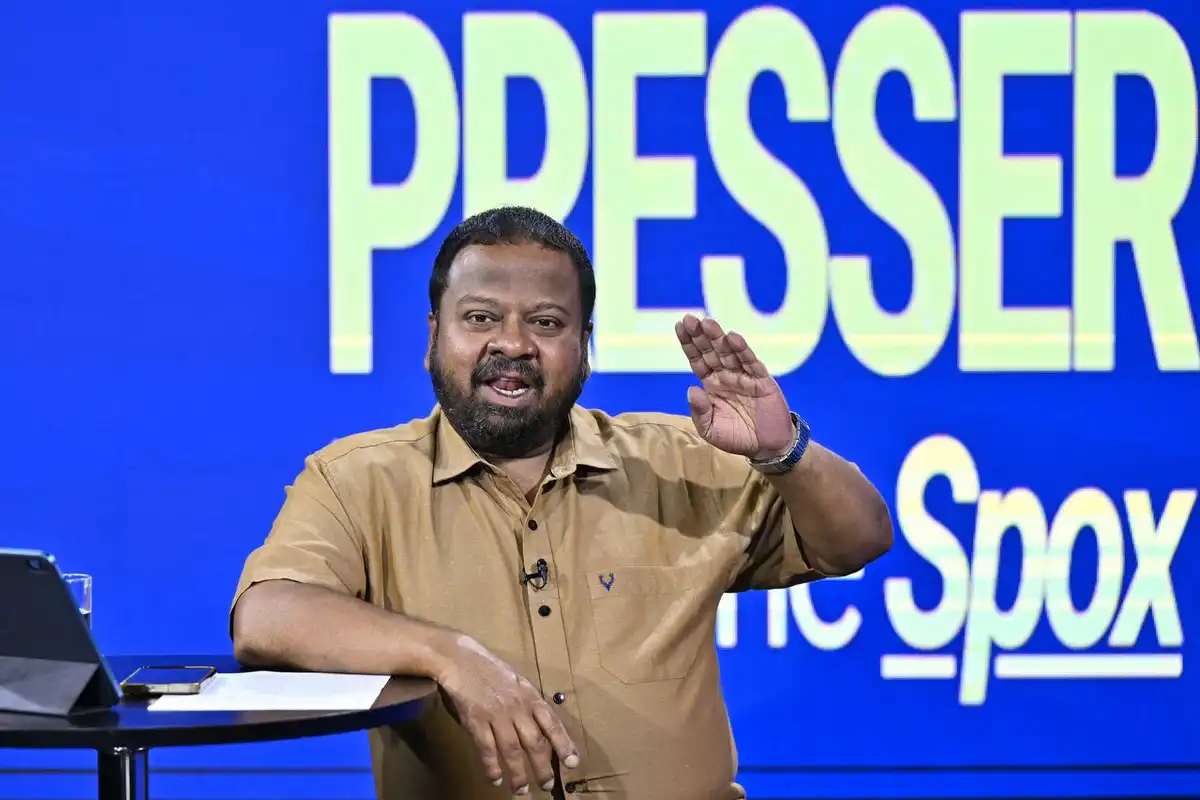
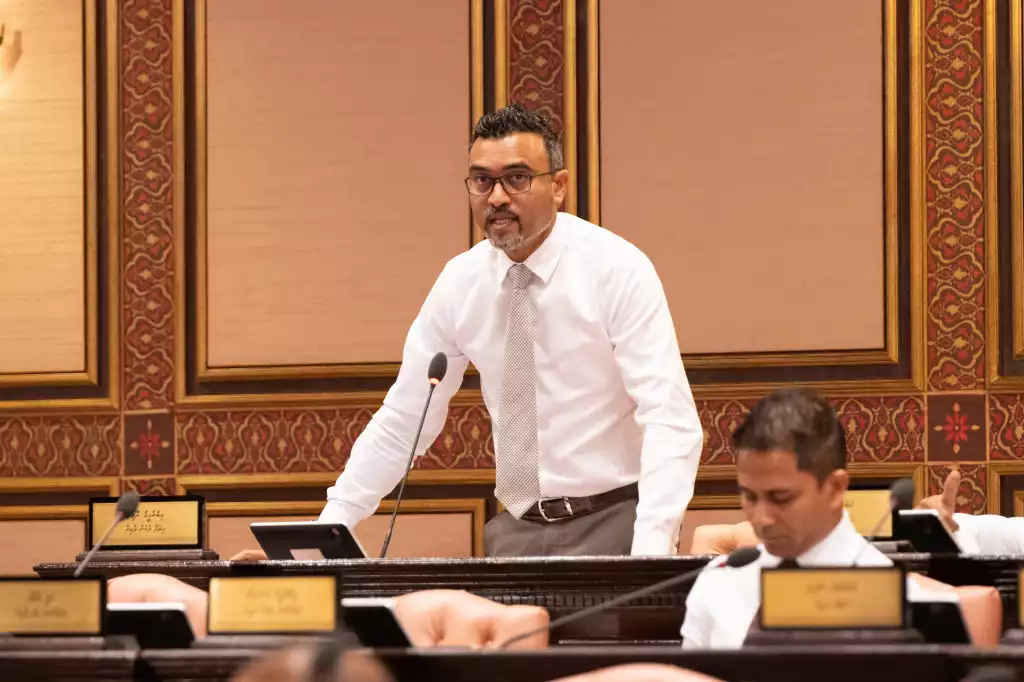
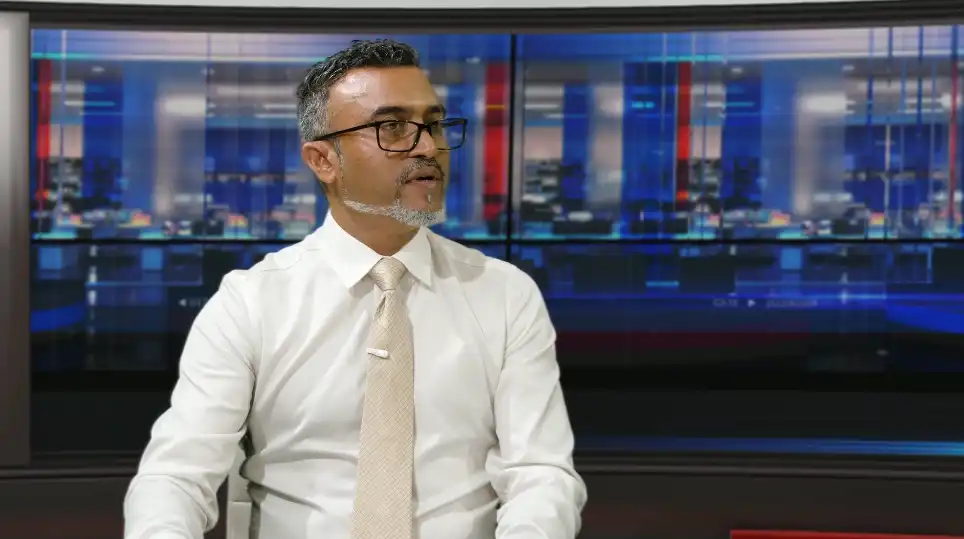
Government Spokesperson Mohamed Hussain Shareef (Mundhu). | Raajje MV
Chief Spokesperson at the President's Office, Mohamed Hussain Shareef, has stated that efforts are underway to reduce the number of political appointees in the government to a specific limit.
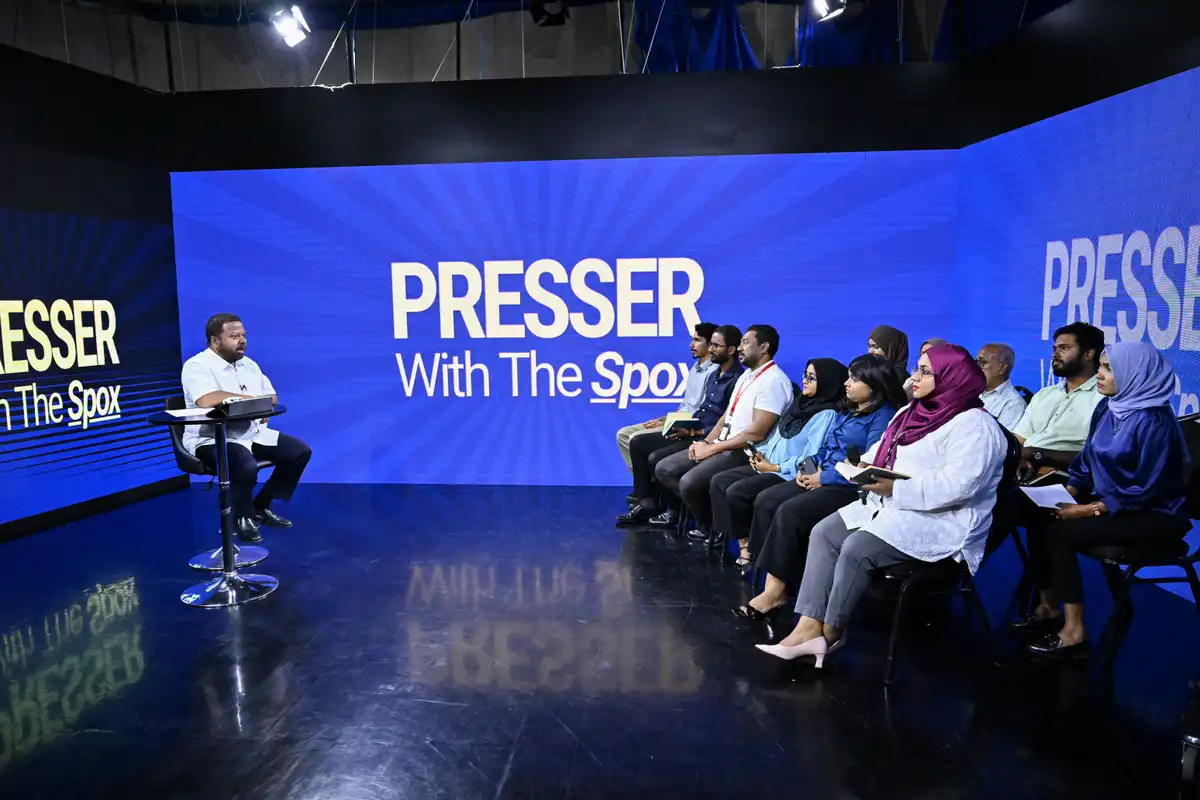
Shareef made these remarks during Saturday's session of the President's Office's "Presser with the Spox" series, in response to a journalist's inquiry regarding the increasing number of political appointments within the government.
The spokesperson stated that the evaluation process for political appointees is now nearing completion. He further noted that the next phase will involve taking necessary actions based on the findings of these evaluations.
We have now reached that stage. The purpose of the evaluation process is to streamline operations and achieve the necessary capacity. For instance, I believe we need to reduce the workforce in State-Owned Enterprises (SOEs) by approximately one-third. Similarly, we are working to reduce a specific number of political appointments within the government.Mohamed Hussain Shareef, Chief Spokesperson at the President's Office.
Shareef further stated that moving forward, enforcement actions will be implemented based on the information gathered.
Despite the government's assertions, opposition figures and members of the public have accused President Dr. Mohamed Muizzu’s administration of creating and distributing political appointments without any established guidelines. Many have pointed out that while some ministers were removed during recent cabinet changes, they were promptly reassigned to other high-paying political roles under different titles.
Furthermore, concerns have mounted over State-Owned Enterprises (SOEs) hiring a significant number of individuals for political purposes, alongside increasing complaints regarding the dismissal of employees who do not support the government. As the administration approaches its three-year mark, there is a strong public demand for a reduction in political appointees, particularly in light of the country's current economic situation.