Suood: Invalidating Ink-Marked Ballots Could Undermine Election Legitimacy
4 ޖޫން 2026 | ބުރާސްފަތި 08:57Regarding the Supreme Court proceedings regarding the contested M. Veyvah Council seat, Husnu Al Suood stated that ink spots resulting from the printing process cannot be considered intentional markings by voters and therefore should not invalidate a ballot. He highlighted that the High Court's decision to void such votes could potentially undermine the integrity of future elections. The case was brought to the Supreme Court after the High Court's ruling invalidated three votes cast for the MDP candidate, leading to the loss of the seat.
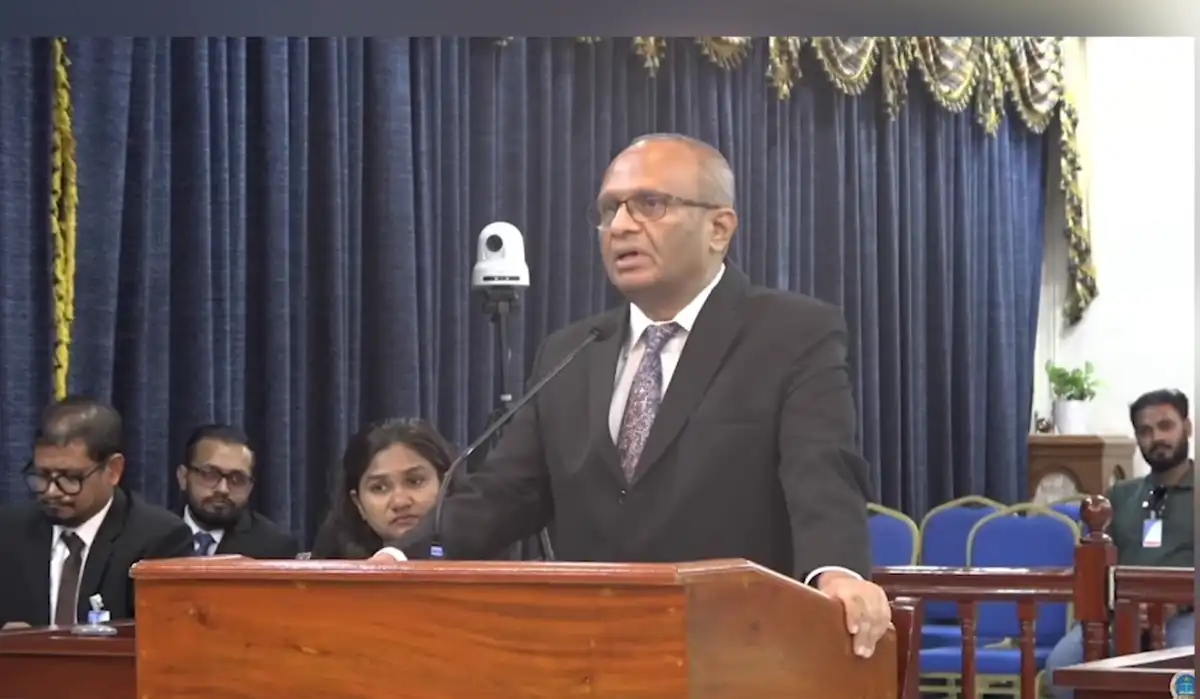
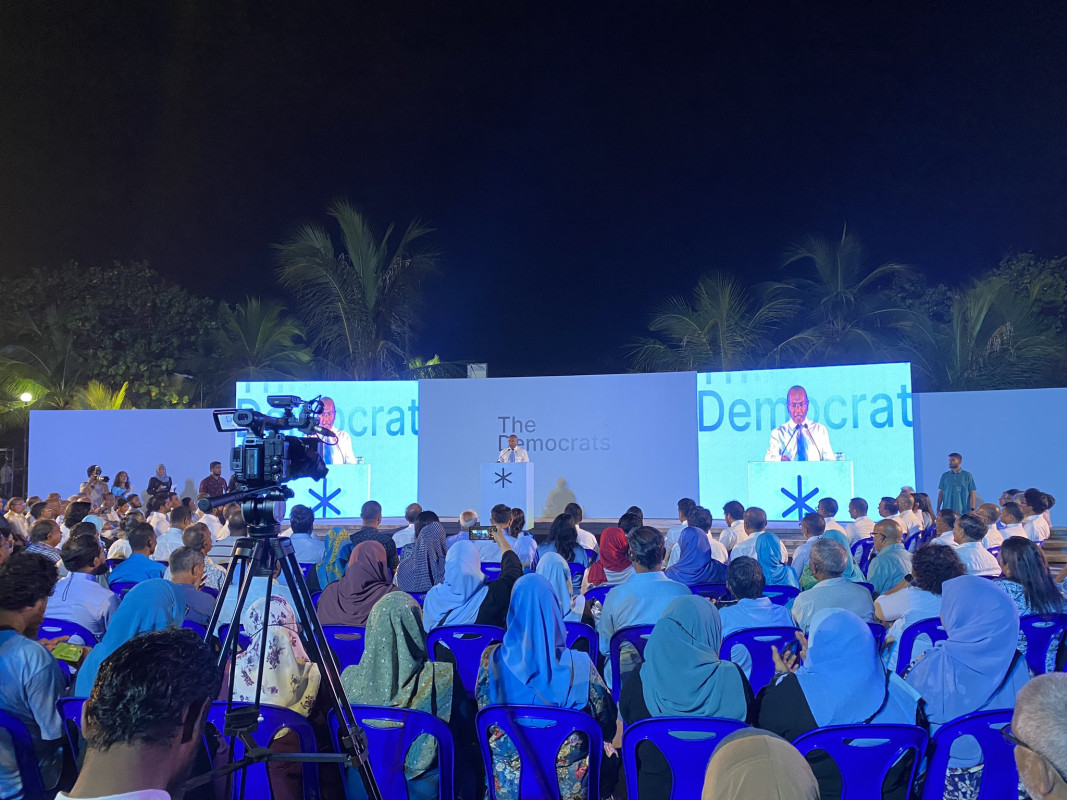
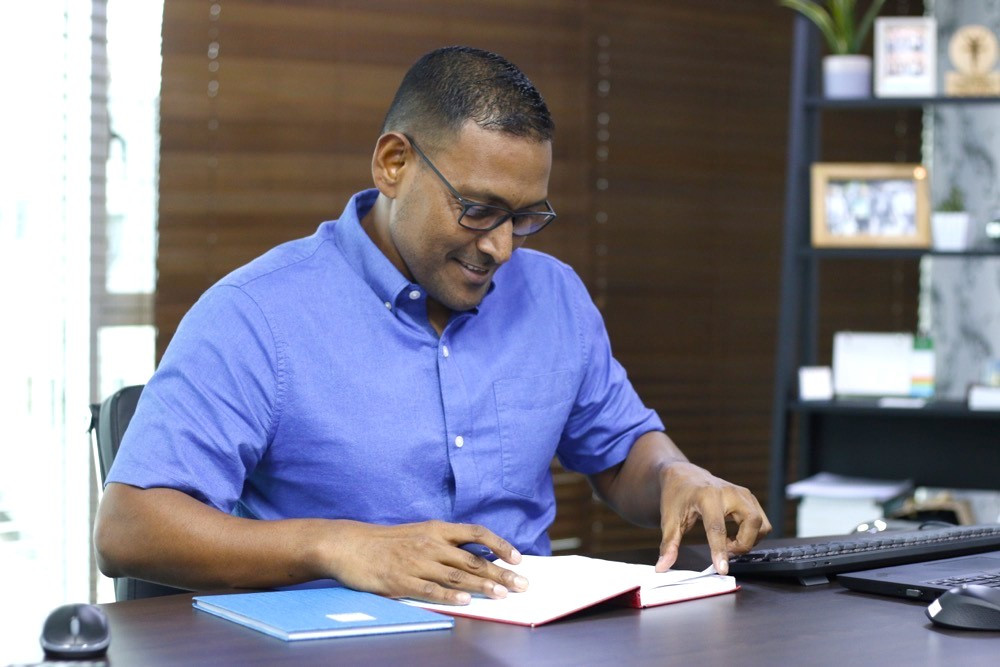
Former Supreme Court Justice Husnu Al Suood. | Raajje MV
Former Supreme Court Justice Husnu Al Suood has stated that if every ballot paper containing ink smudges were to be invalidated, it would call into question the legitimacy of all such votes in the recent election and set a precedent that could impact future elections.
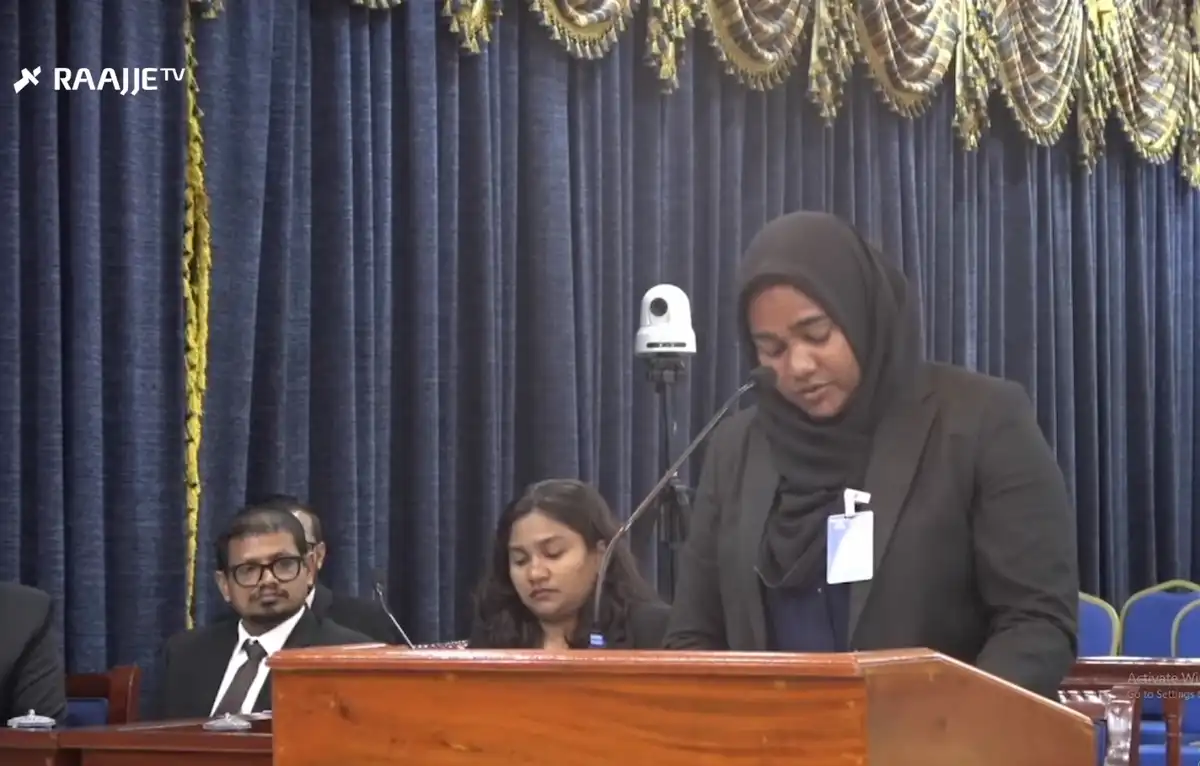
Suood made these remarks while presenting the grounds for appeal during a Supreme Court hearing held on Thursday regarding the dispute over the M. Veyvah constituency seat.
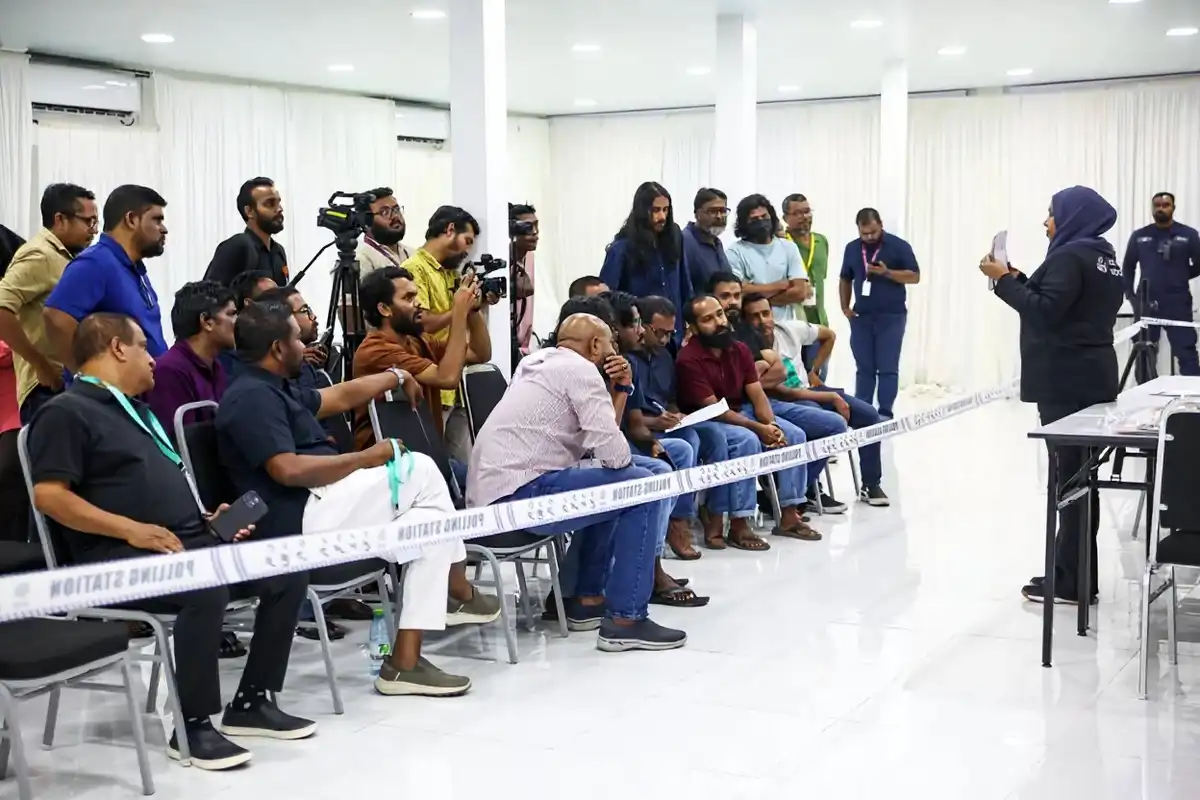
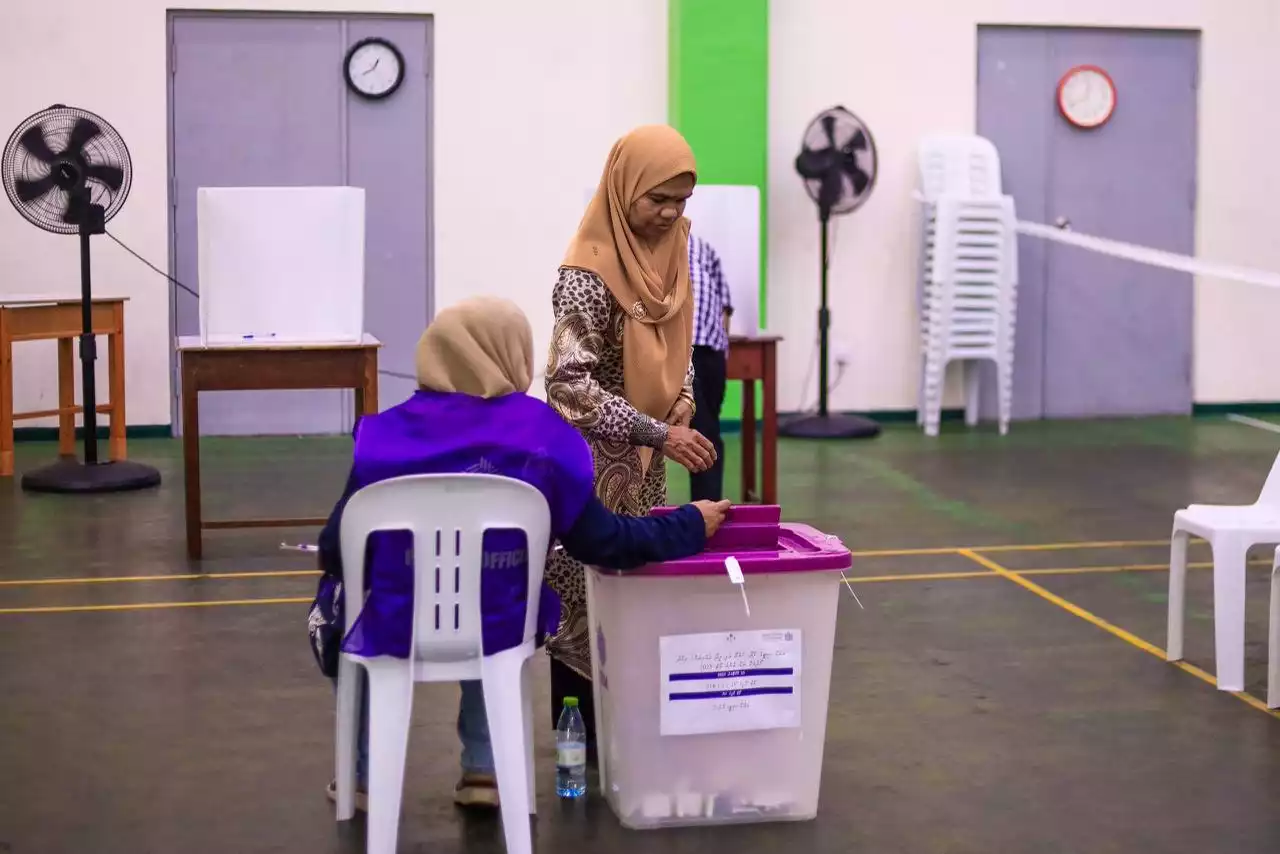
The dispute in this matter centers on the determination of invalid votes. During the recount, the Elections Commission (EC) provided a clear explanation as to why these specific ballots were deemed valid. The EC clarified that the markings on the ballot papers were not intentional drawings or doodles. Instead, the Commission accepted the ballots as valid after determining that the marks were caused by ink bleeding during the printing process. These three contested ballots were cast in favor of the MDP candidate.
However, the majority of the High Court bench ruled to invalidate three votes previously cast in favor of the MDP. This decision effectively overturned the MDP candidate's lead, paving the way for the PNC candidate to secure victory. Consequently, the MDP candidate has filed an appeal with the Supreme Court.
Suood stated that the Elections Commission had confirmed the marks were ink splatters from the printing process, a point also noted by Novelty, the company responsible for printing the ballots. In a letter, Novelty explained that despite rigorous checks at every stage, it is virtually impossible to eliminate all ink spots within the production system, and the presence of such marks remains a possibility.
Suood stated that the ballot paper contained no additional marks made by the voter themselves. He further noted that the legal criteria for invalidating a vote specifically refer to marks made by the individual, and do not include printing defects or ink spots that occur during the production of the ballot paper.
Furthermore, Suood raised a point noting that, in a broader context, the High Court's ruling is believed to have implications for all votes cast on April 4.
Suood stated that ink splatters occurring during the printing process have never been identified as a significant issue. He further noted that invalidating those ballots would set a precedent that could impact future elections.
Following the presentation of the grounds for appeal, the respondent has submitted their formal response to the points raised.
The case is being presided over by a Supreme Court bench consisting of Justice Abdulla Hameed, Justice Mohamed Saleem, and Justice Hussain Shaheed.