High Court accepts appeals of sentences handed down to Leevan and Shahzan
24 މެއި 2026 | އާދީއްތަ 10:54The High Court has registered the appeal of Adhadhu journalists Mohamed Shahzan and Leevan Ali Nasir, who were sentenced to prison and fined for allegedly violating a Criminal Court "gag order." The journalists were convicted in a summary proceeding—reportedly conducted without granting them adequate time to seek legal counsel—for breaching an injunction that prohibited reporting on the documentary.

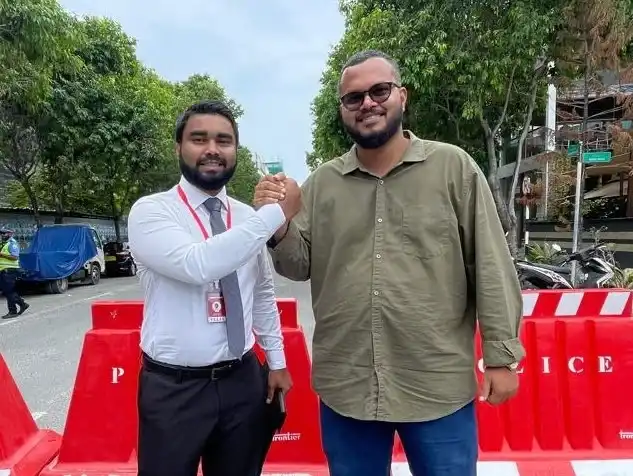
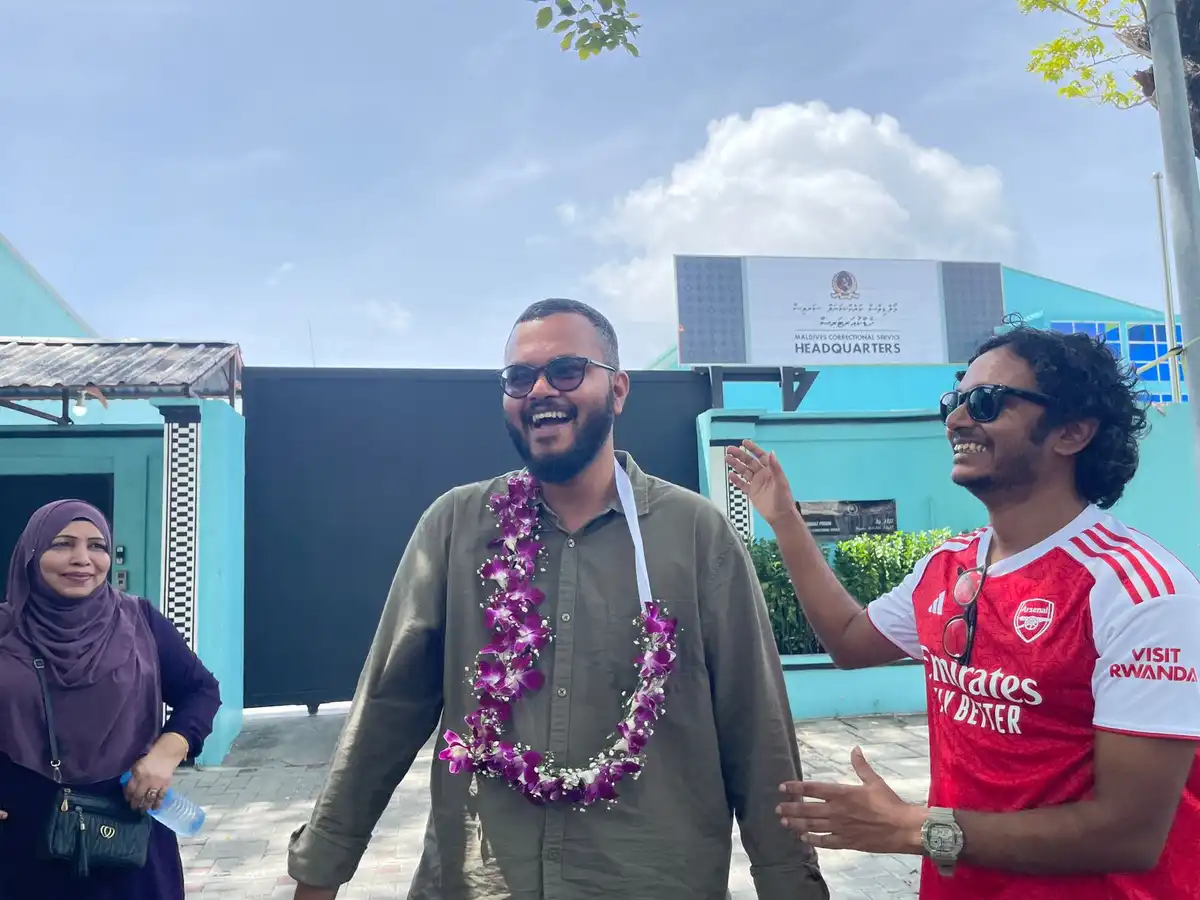
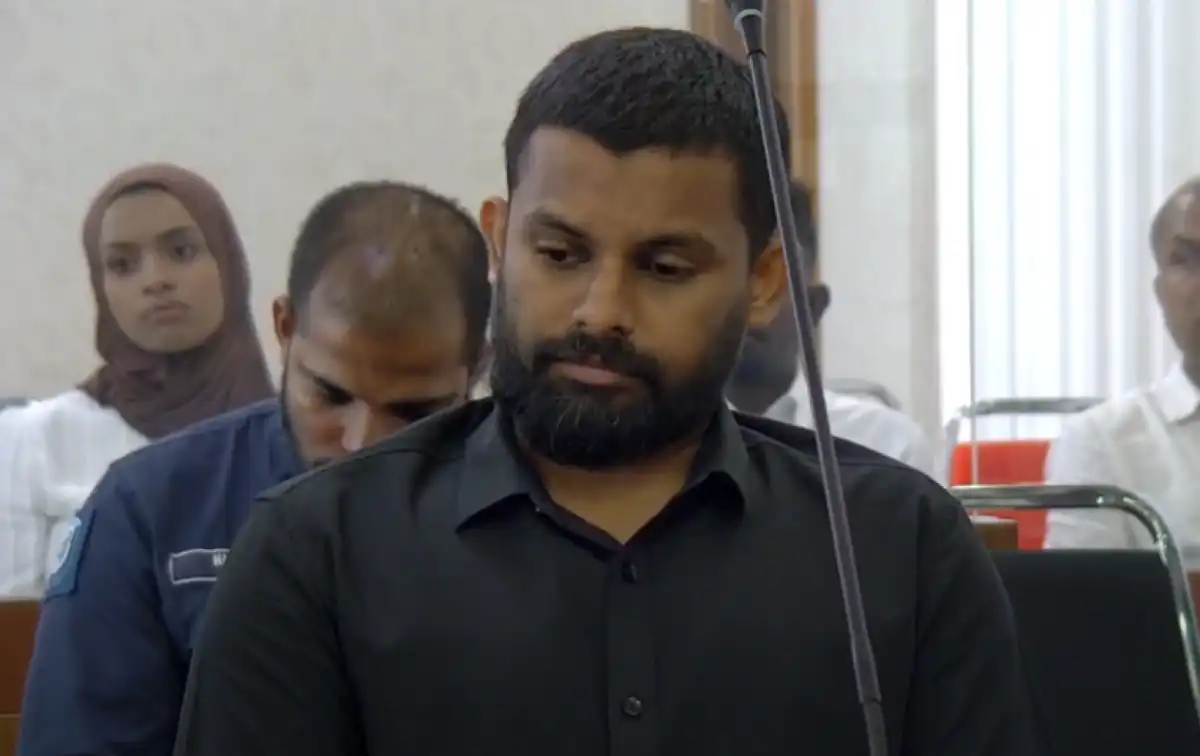
The two journalists sentenced to prison, Leevan Ali Nasir and Shahzan Mohamed. | Adhadhu
The High Court has decided to accept the appeal regarding the prison sentences and fines imposed on two journalists from Adhadhu news.
The individuals involved in this case are Mohamed Shahzan and Leevan Ali Naseer, both journalists from the news outlet Adhadhu. Shahzan and Leevan were summoned to court for allegedly speaking and writing about a documentary produced by the outlet, despite a "gag order" issued by the Criminal Court. This order prohibited all Maldivian citizens from discussing the documentary, whether directly or indirectly.
The two journalists were sentenced in a rushed trial that failed to provide adequate time to seek legal counsel. The court ruled that they had violated a gag order issued by the Criminal Court, which was intended to prevent further discussion of the controversial documentary released by Adhadhu.
In this case, Leevan was sentenced to four months and 24 days in prison. The court ordered him to serve 10 days of the sentence in jail, while the remainder was commuted to a fine. Similarly, Shahzan was sentenced to four months and 24 days in prison. The court ruled that he must serve 15 days of the sentence in jail, with the remaining portion converted to a fine.
The Criminal Court has issued an injunction regarding the documentary produced by Adhadhu news, ordering a halt to its circulation until a final verdict is reached. The court order prohibits the further distribution of the documentary and restricts any discussion of its contents, whether directly or indirectly. Furthermore, the court has barred any public discourse concerning the parties involved in the case or the victim featured in the documentary.
The Criminal Court's order stated that as these cases are proceedings that may be conducted in camera to maintain public morality—as stipulated under Article 42(c)(1) of the Constitution—it is prohibited to disseminate any documents or information related to the trial. The court further warned that any such disclosure would be considered an act of contempt of court.
According to the High Court website, both cases have now been officially registered.