Shadows take over the airwaves as independent reporting faces extinction
19 މެއި 2026 | އަންގާރަ 17:17Prominent media outlets have launched a coordinated blackout to protest unprecedented state intimidation and the erosion of press freedom. Journalists are facing raids, detentions, and legal threats, forcing them to suspend operations to highlight the dangers of government censorship. This symbolic strike serves as a warning to the public about the loss of transparency and the systematic silencing of independent investigative reporting.

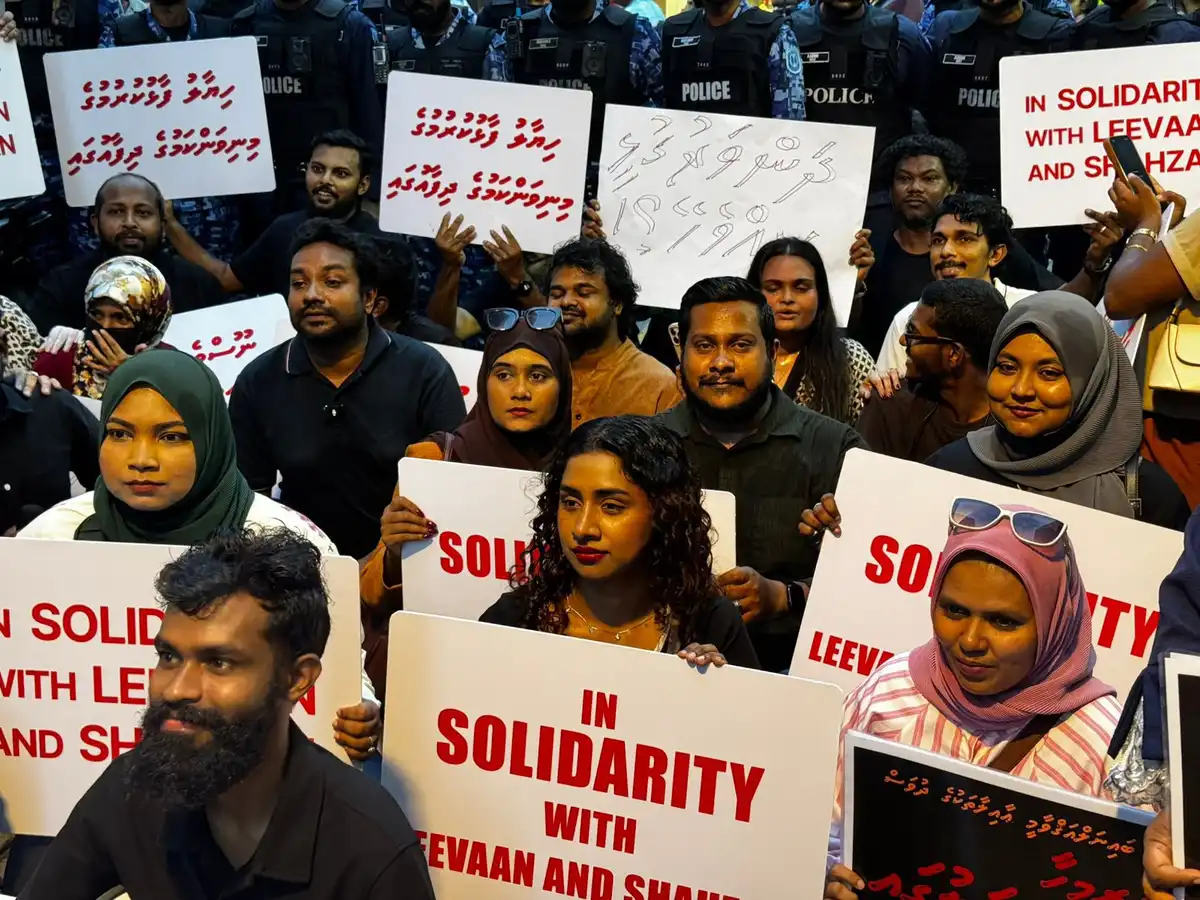
Major Maldivian media outlets have initiated a "blackout" by suspending news coverage in protest against the increasing pressures and challenges faced by journalists. | Raajje MV
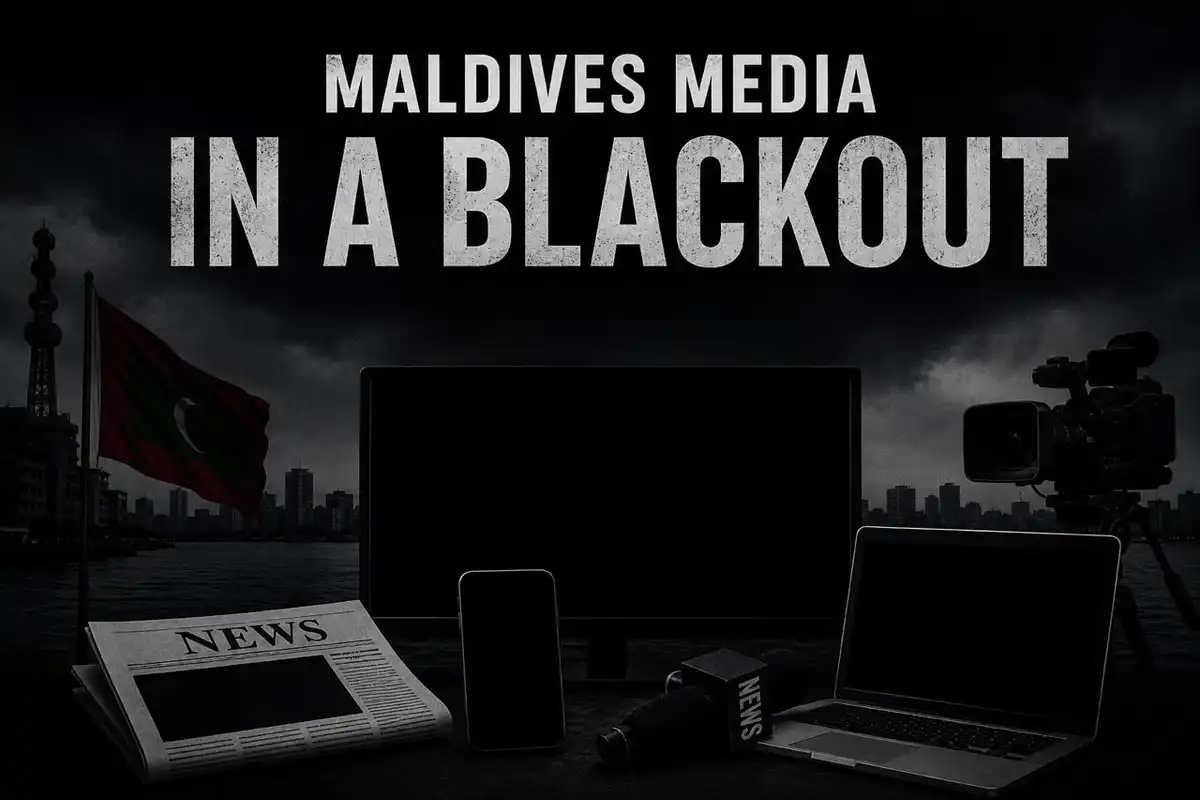
A coordinated media blackout has completely paralyzed the operations of prominent broadcasting networks and digital publications throughout the Maldives.
Instead of a standard broadcast schedule or newly published articles, the public has been met with blank screens and empty feeds on both official web pages and social media channels.
This calculated media freeze does not stem from a shortage of current events to broadcast, but rather from a depressing domestic reality where authentic investigative reporting has already been forced into the dark.
State-sponsored fear
The widespread media strike serves as a unified pushback from media professionals who recognize that their societal impact is being deliberately diluted while reporters are systematically forced into a state of paralysis. This massive symbolic strike counts the country's most prominent internet news organizations among its participants.
It is completely impossible to ignore the reality that members of the Maldivian press corps are carrying out their professional duties under a staggering amount of state intimidation.
While it is true that media workers have had to navigate diverse hurdles under various historical leadership cycles, the ongoing degradation of professional liberties represents an unprecedented low point for local press freedom.
From simple criticism to actual prison cells
Regardless of which political faction occupies the government offices, writers and news directors have always had to deal with public hostility, threats and bureaucratic blockades.
What makes the current political climate uniquely terrifying is that media professionals are now actively staring down formal indictments, sudden detentions and actual prison sentences.
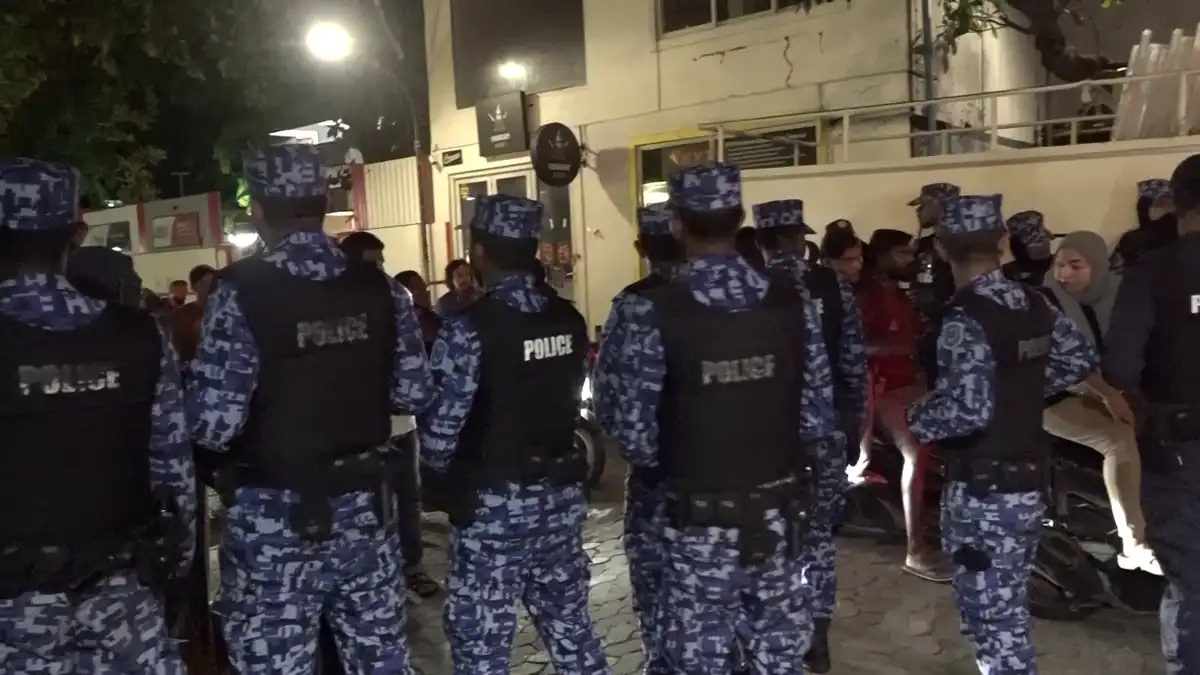
To make matters worse, authorities are orchestrating raids on newsrooms, completely banning coverage on select state affairs and cultivating a pervasive dread of legal warfare targeting anyone trying to do their job. These exact escalations are what forced media outlets to pull the plug today.
Shutting down the public's right to know
Watching the domestic press corps slide into total darkness should be terrifying for everyone. The mere fact that information networks feel forced to shut down their operations, even for a limited timeframe, offers an undeniable diagnosis of the ruined state of media liberties and the massive structural roadblocks reporters are crashing into.
The fallout from this administrative squeeze will ultimately damage far more than just individual writers and corporate media institutions.
Muzzling the press is never just an attack on the individuals holding the microphones; it is a massive intellectual theft perpetrated against the entire population.
When media workers are blocked from exposing financial corruption, demanding answers from elected officials and shining a light on pivotal public matters, the pathway to a transparent and answerable political system is forcefully blocked off from ordinary citizens.
Temporary silence to prevent permanent blindness
Every single writer, copy editor, videographer and technical producer stands firmly behind this sudden information freeze.
These individuals collectively finalized the painful choice to choke off the flow of daily news cycle updates specifically to safeguard the public's long-term access to unfiltered truth.
The demonstration stands as a loud rejection of the institutional sabotage currently being inflicted upon their industry.
Choosing to stop publishing was undeniably an agonizing call for these organizations to make, considering newsrooms are fundamentally built to broadcast information rather than hoard it.
However, several information channels accepted this painful measure specifically to give the population a terrifying preview of what life looks like when independent journalism is completely erased.
For at least a few hours, this localized blackout has offered citizens a dark window into a society that has been entirely stripped of an autonomous press.