Case concerning imprisonment of 'Adhadhu' journalists submitted to UN Office of High Commissioner for Human Rights
16 މެއި 2026 | ހޮނިހިރު 11:36The complaint alleges that the journalists were detained in violation of their right to freedom of expression and denied the right to a fair trial. It further highlights that state institutions are intimidating members of the press, while asserting that political influence has undermined any guarantee of obtaining justice through the Maldivian court system.
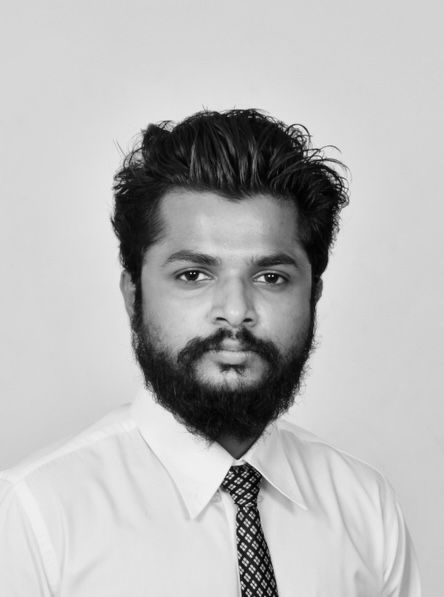
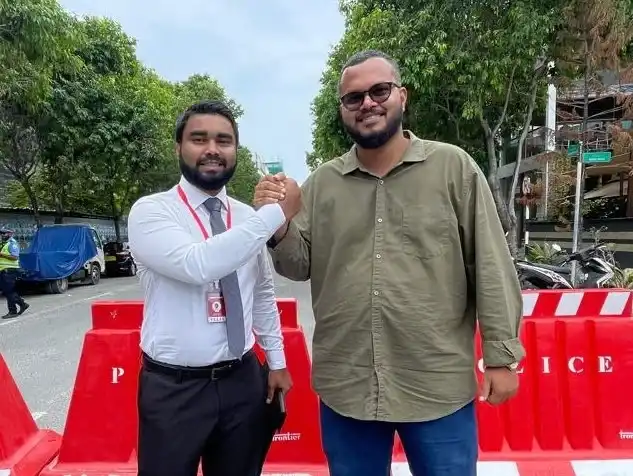
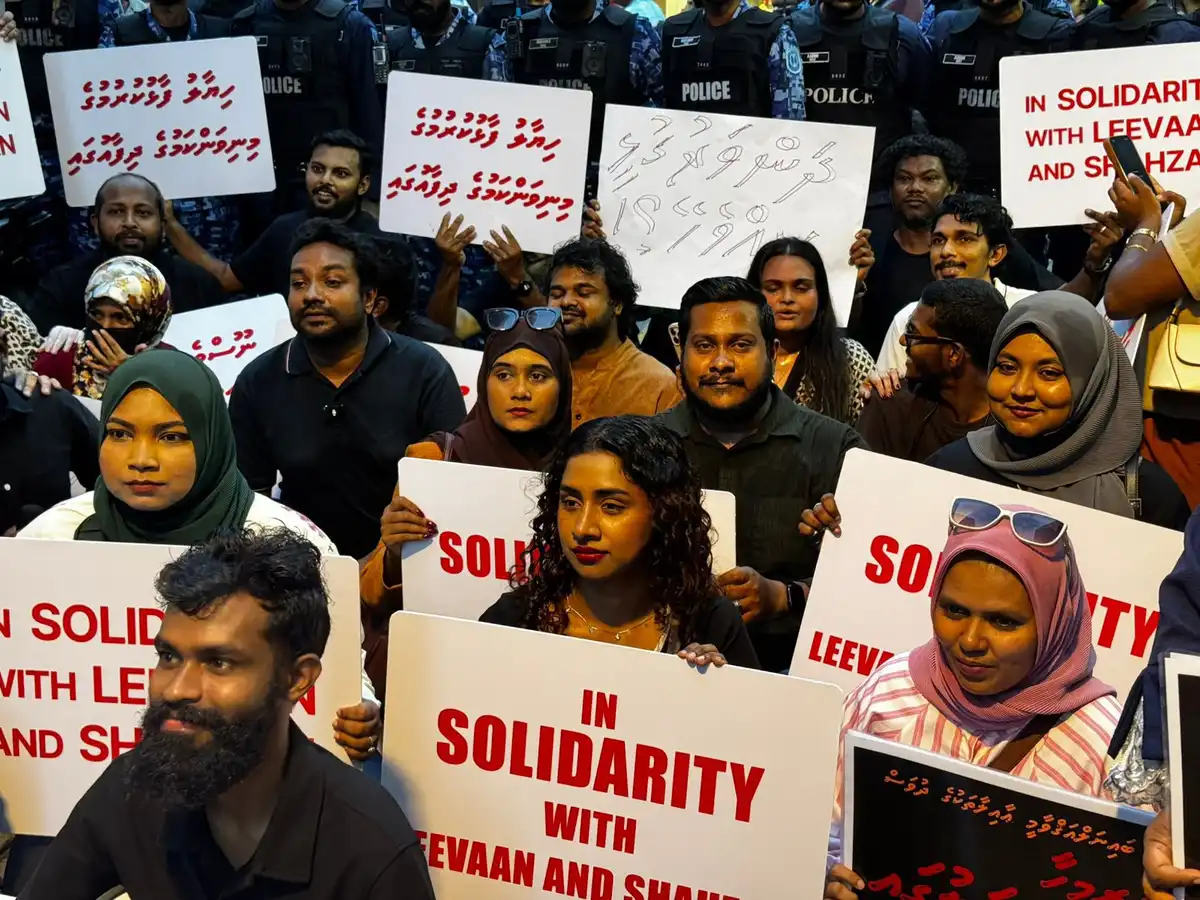
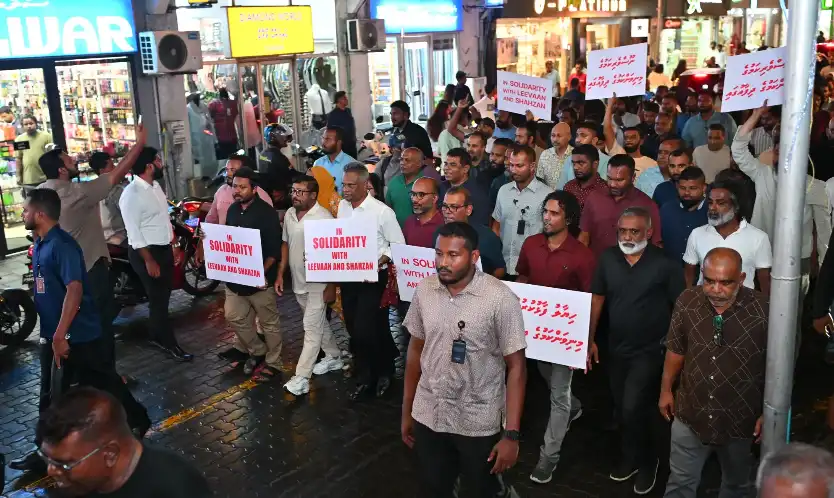
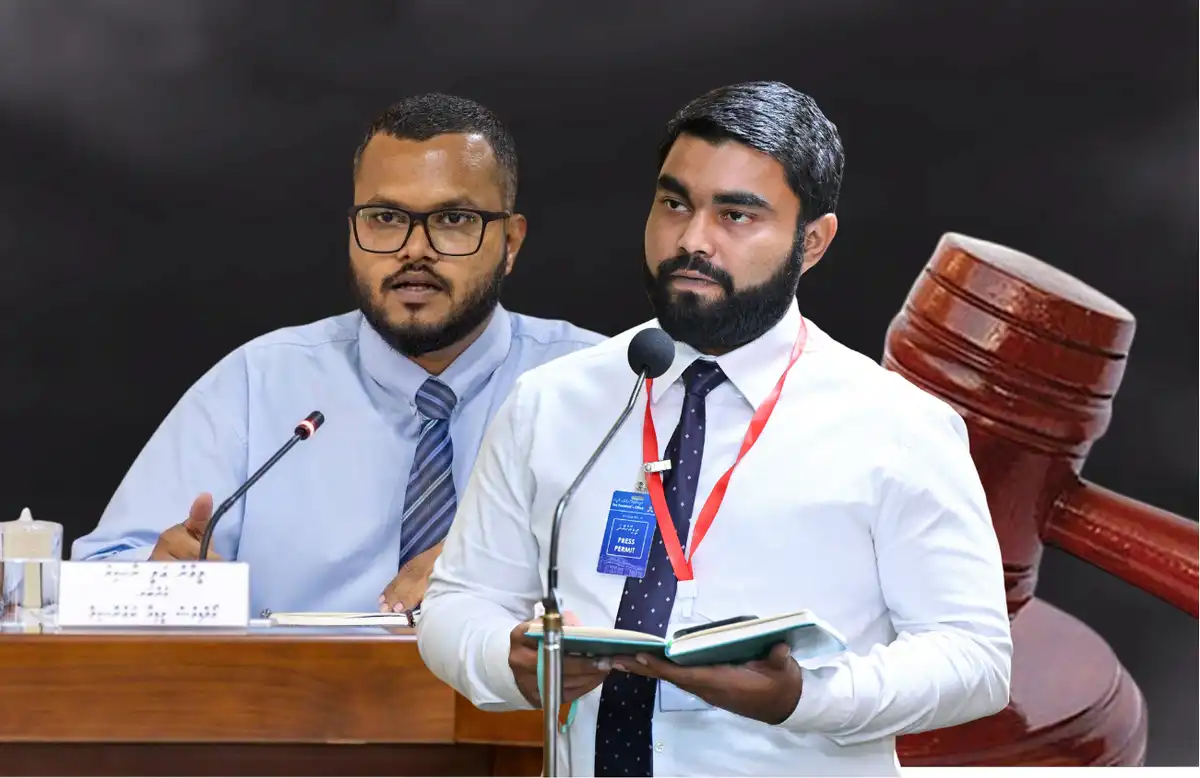
Two journalists currently in custody: Leevan Ali Nasir and Mohamed Shahzan. | Adhadhu
The imprisonment of two journalists from the online news outlet "Adhadhu," Mohamed Shahzan and Leevan Ali Naseer, has been brought to the attention of the Office of the United Nations High Commissioner for Human Rights.
The case was submitted to the United Nations following allegations that press freedom is being obstructed and journalists are being unlawfully detained.
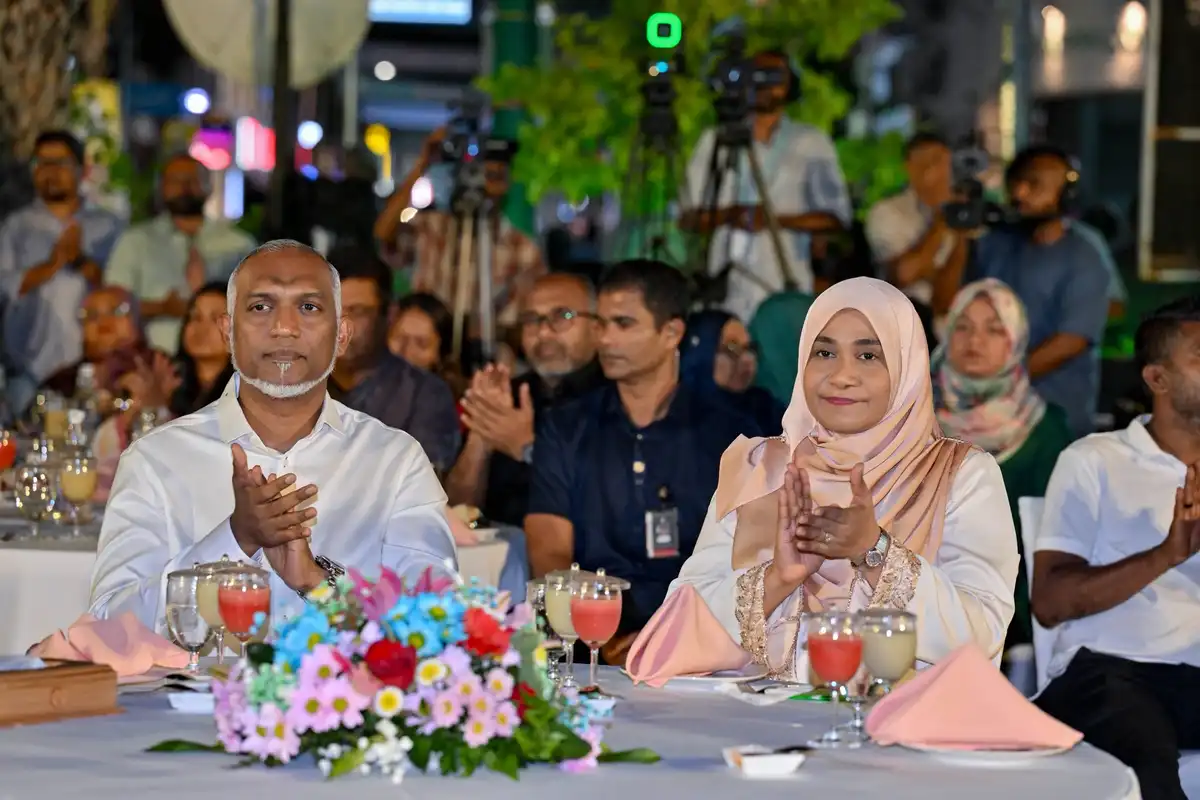
The complaint submitted to the United Nations highlights that these measures were taken in response to a documentary produced by the news outlet regarding allegations of sexual harassment against President Dr. Mohamed Muizzu. The incident was triggered by the release of the documentary on March 28, 2026.
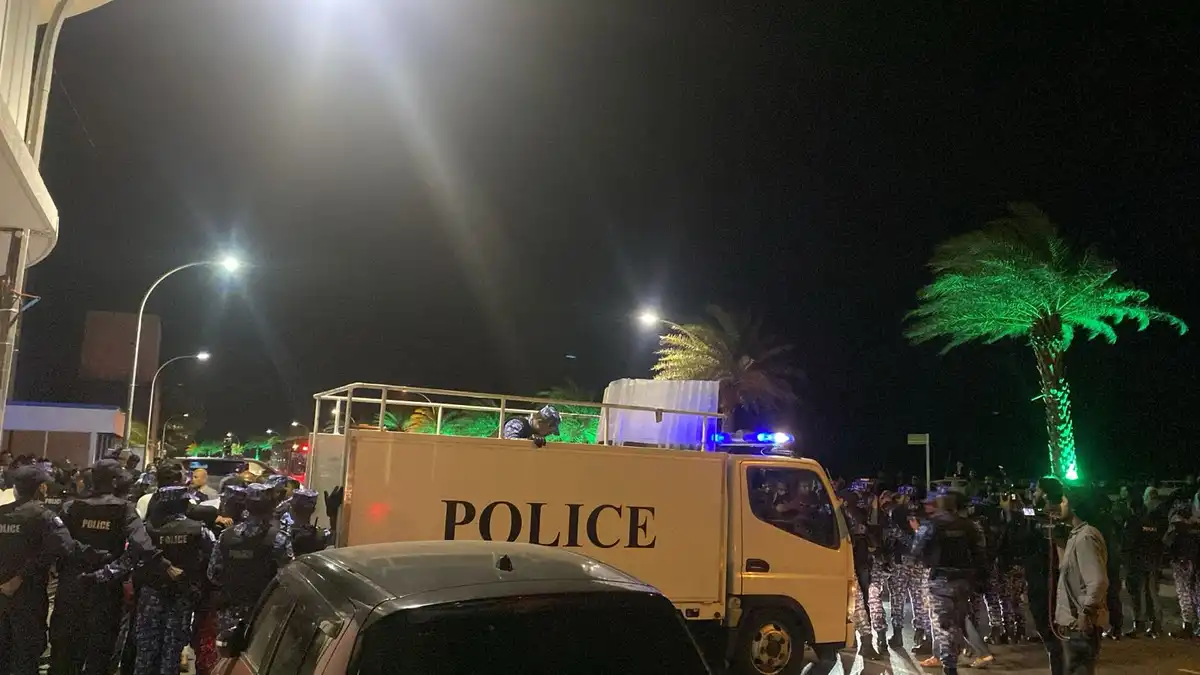
On April 28, approximately one month after the documentary was released, police raided the Adhadhu newsroom and seized laptops and storage devices used by its journalists. Subsequently, on May 10, 2026, the Criminal Court issued an injunction prohibiting any further discussion or reporting related to the documentary.
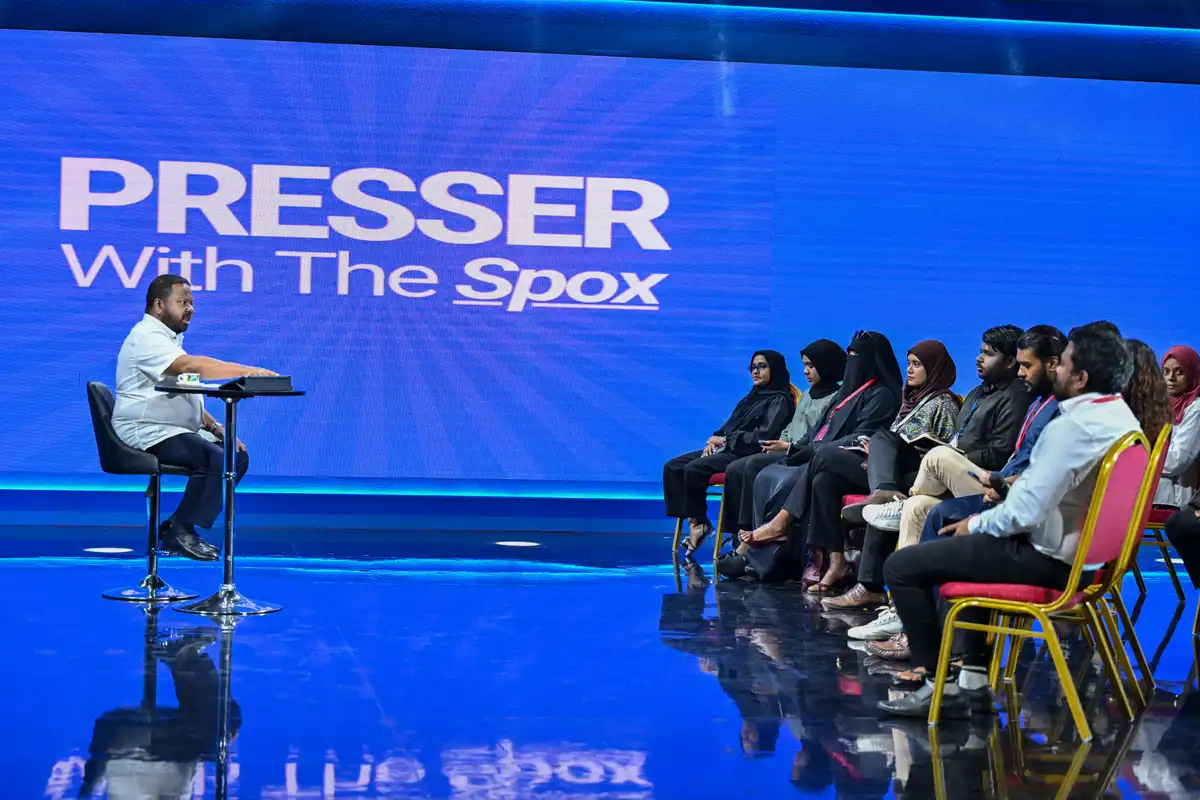
Journalist Shahzan was arrested following a press conference on May 11, where he questioned the President. He was sentenced to 15 days in prison and fined MVR 25,000 for allegedly violating a court order. Meanwhile, Leevan Ali Nasir was sentenced to 10 days in jail after being found in contempt of court over a report he authored regarding a court ruling.
The complaint submitted to the UN contends that being granted only two hours to secure legal counsel constitutes a denial of the right to a fair trial. Furthermore, it asserts that this action restricts freedom of expression in violation of Article 19 of the International Covenant on Civil and Political Rights.
Amidst allegations that various state institutions are intimidating journalists, a submission to the United Nations has highlighted concerns that even if this matter is appealed in the High Court, there is no guarantee of justice due to prevailing political influence.