Home Ministry and Health Ministry summoned to Majlis over failure to implement Juvenile Justice Act
21 ޖުލައި 2026 | އަންގާރަ 10:08Member of Parliament Ibrahim has expressed serious concern over the challenges in implementing the Juvenile Justice Act, specifically highlighting the issues arising from the failure to establish necessary rehabilitation centers. Furthermore, he has requested clarification from relevant government ministries regarding their efforts to address the shortage of diversion programs for juvenile offenders and the lack of adequately trained personnel in the sector.
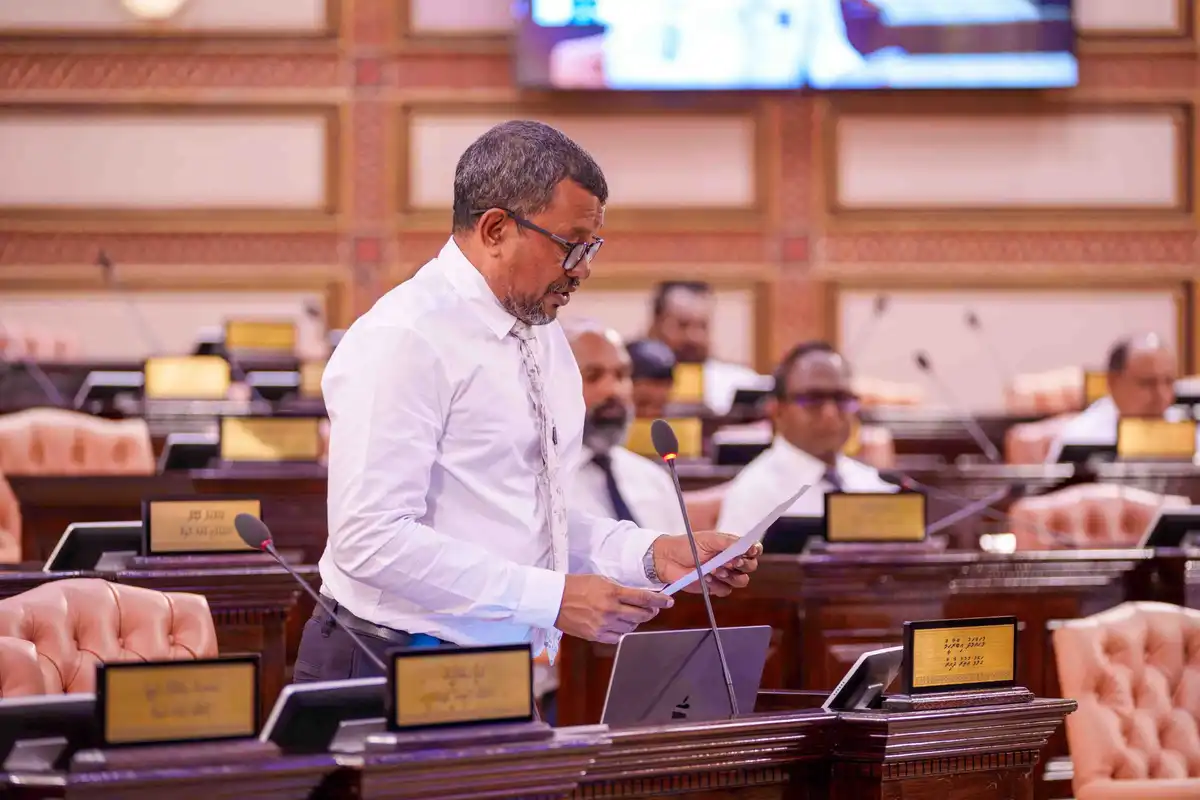
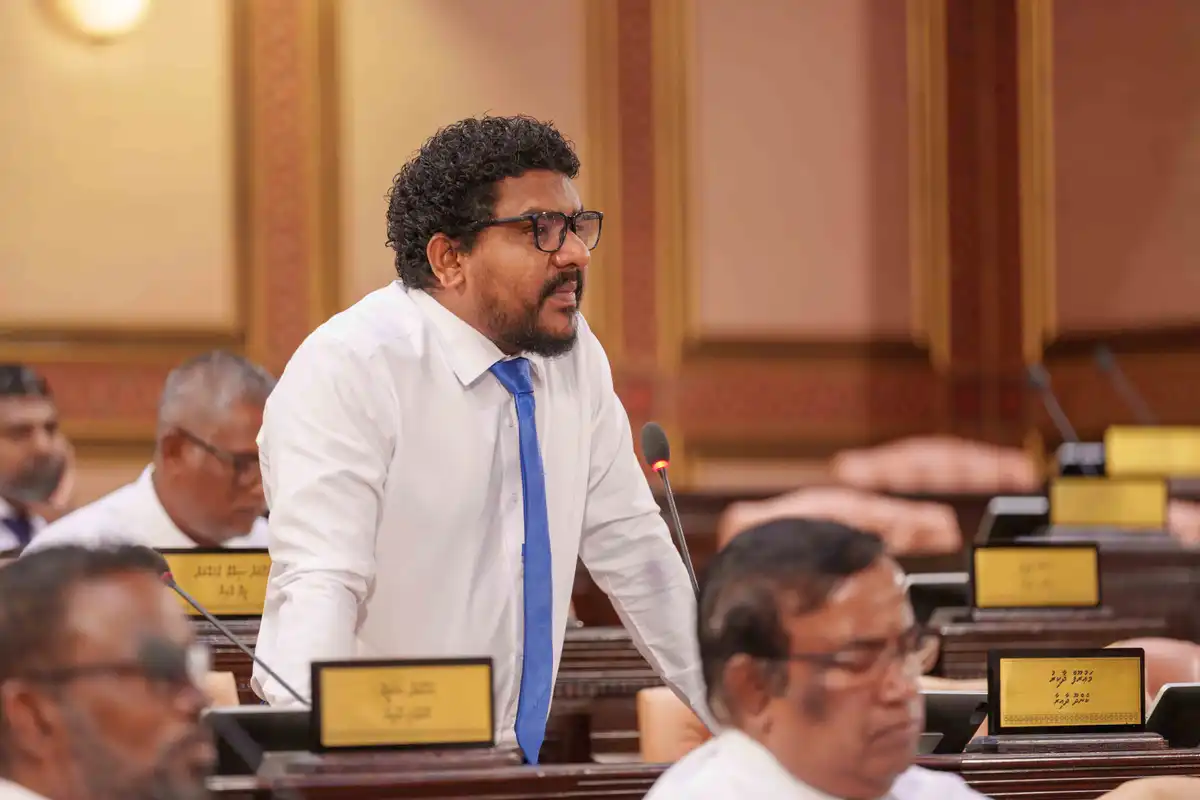
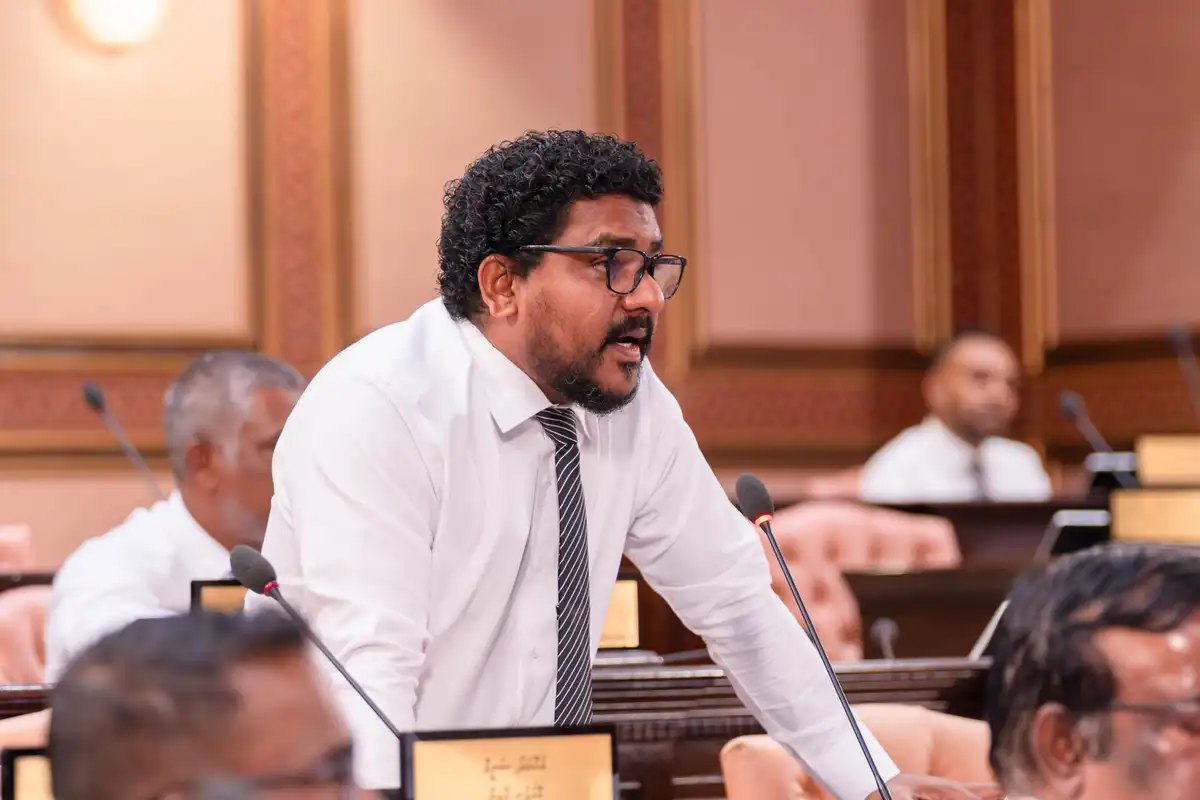
Mohamed Ibrahim (Kudu), Member of Parliament for the North Galolhu constituency. | Majilis
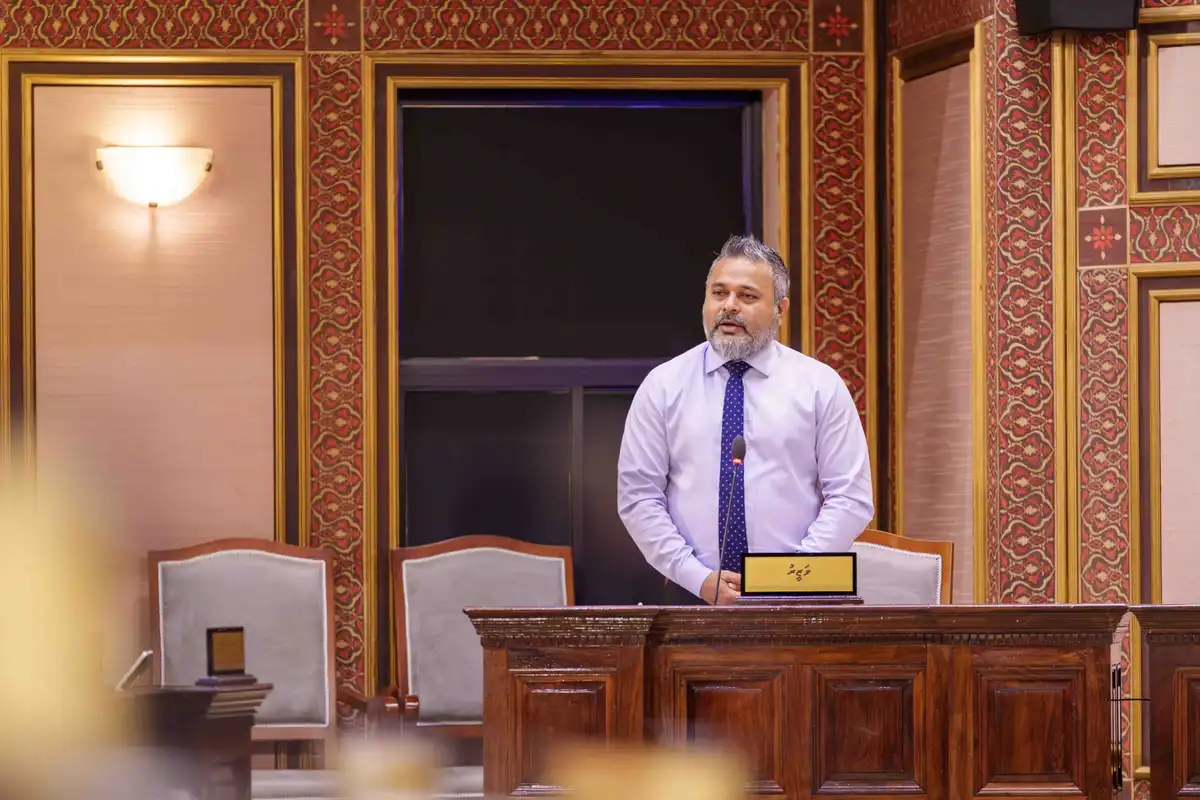
The Member of Parliament for North Galolhu, Mohamed Ibrahim (Kudoo), has requested that the Ministry of Homeland Security and Technology and the Ministry of Health be summoned to Parliament to clarify why the Juvenile Justice Act is not being fully implemented as mandated by law.
In a letter addressed to the Speaker of the People’s Majlis, Abdul Raheem Abdulla, the member noted that while the Juvenile Justice Act is a modern framework designed to protect the best interests of children and emphasize rehabilitation in holding them accountable for crimes, there are significant observations that certain aspects of the law are not being fully implemented as prescribed.
In the letter, the member also highlighted several observations and concerns regarding the matter.
The Member noted that the "juvenile detention centers" and "child rehabilitation centers" mandated by law have yet to be fully established according to the required standards. He highlighted that this has led to a lack of appropriate environments for housing juvenile offenders and questioned when these facilities would finally be completed.
Furthermore, the member requested an update on the progress of "diversion" programs, noting that these initiatives—designed to rehabilitate juvenile offenders within the community rather than pursuing prosecution—are not currently being implemented on a large scale across the Maldives.
The member noted significant delays in training specialized police officers, prosecutors, and judges to handle juvenile cases. The member also raised questions regarding ongoing efforts to address the shortage of probation officers and social workers, which has created obstacles in effectively monitoring children.
The Member noted that following the decision to set the age of criminal responsibility at 15, several parties have highlighted administrative and legal shortcomings in implementing adequate rehabilitative measures for younger offenders. Consequently, the Member inquired about the ongoing efforts to address these issues and find a viable solution.
Ibrahim highlighted that delays in information sharing and coordination among key institutions within the juvenile justice system—including the Police, the Department of Judicial Administration (DJA), the Juvenile Court, and the Ministry—are hindering the effective enforcement of the law. Consequently, the member also inquired about the efforts being undertaken to resolve these issues.
Furthermore, the Member noted that while law enforcement agencies acknowledge that actions against child exploiters remain limited due to alleged legal challenges, the Parliament has already amended the relevant laws to address these issues. Despite these legislative remedies, the Member expressed concern that the number of individuals being held accountable remains insufficient.
Ibrahim stated that one of the primary reasons children fall into crime is the adults who take advantage of them. He emphasized that this issue will remain unresolved unless firm action is taken against those who exploit minors. Consequently, he inquired whether there has been an increase in the measures taken against those who exploit or take undue advantage of children.
Member of Parliament Ibrahim stated that while the Department of Juvenile Justice (DJJ) and the Juvenile Court have been established to implement the Juvenile Justice Act, these institutions must be provided with adequate budgets and necessary support to fulfill their mandates. The member further noted that the Office of the Children’s Ombudsperson and the Human Rights Commission of the Maldives (HRCM) share the responsibility of overseeing the law's enforcement. In this regard, the member questioned whether the DJJ is being provided with sufficient funding, staffing, and resources, and inquired about the specific efforts being made by the Ombudsperson’s Office and the HRCM to monitor the implementation of the Act.
The member stated that even under the previous Drug Act, relevant authorities faced significant challenges due to inconsistencies between the two laws. Ibrahim further noted that these legal conflicts resulted in children being deprived of the protections afforded to them under the Juvenile Justice Act, leading to criminal proceedings being pursued against them under alternative statutes.
The member stated that a legal remedy is necessary to address any inconsistencies between the new Drug Act and other existing legislation, such as the Anti-Terrorism Act. Furthermore, the member expressed a desire to clarify whether the implementation of the Juvenile Justice Act is facing any challenges due to the provisions of other laws.
Although the Ministry of Home Affairs is the primary oversight body for this legislation, the Member noted that the Ministry of Health also plays a significant role in its enforcement. Consequently, the Member requested that relevant officials from both government ministries be summoned to the Parliament's Human Rights and Gender Committee.