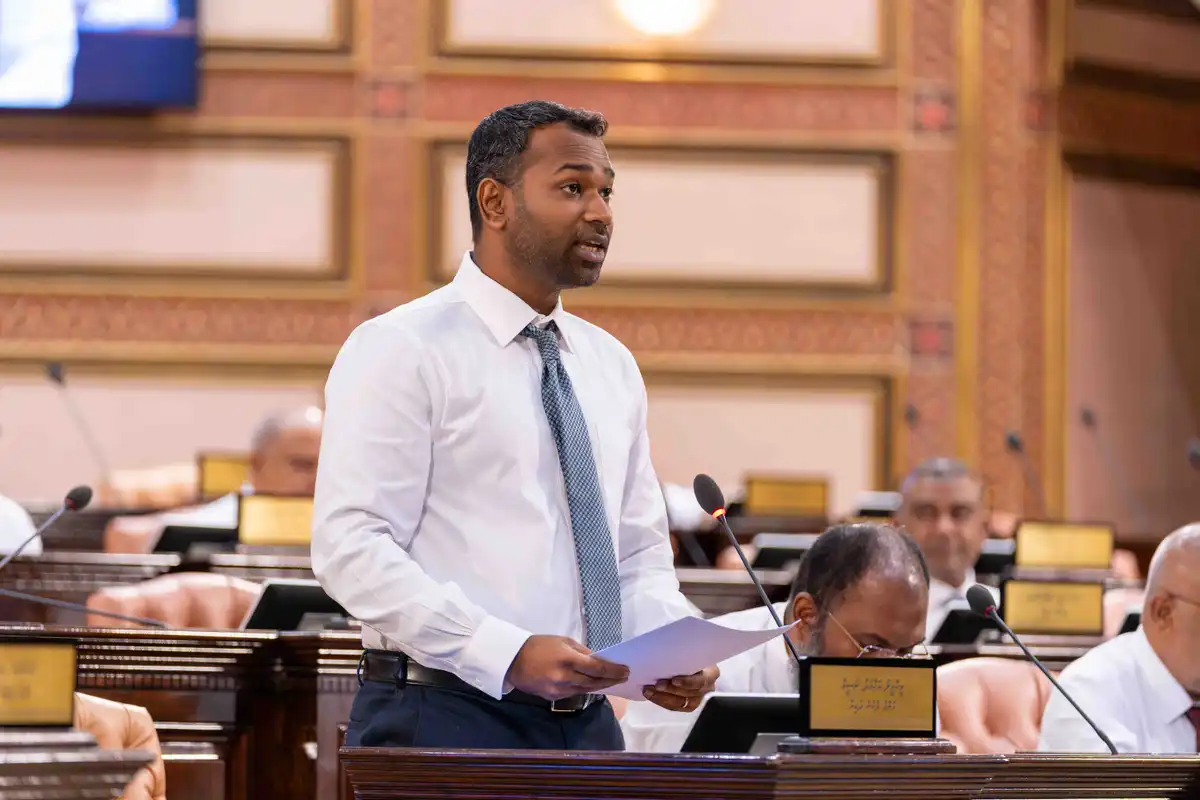
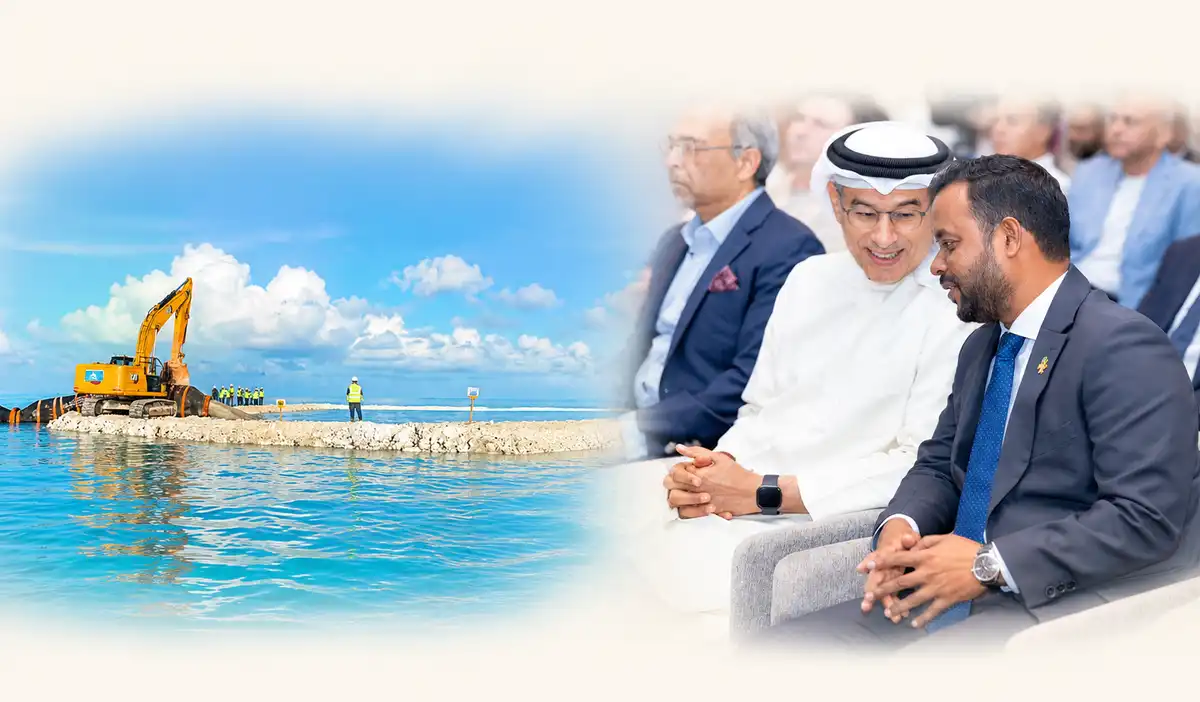
Gov’t MPs dodge reporters after palace warnings; “flawless deal” story falls apart
29 އޮކްޓޯބަރު 2026 | ބުރާސްފަތި 08:37Public concern is mounting over the perceived lack of transparency surrounding the Ras Malé project, with allegations surfacing that the government is withholding contract details and exerting undue influence on members of Parliament. The decision to allocate land to a foreign entity without a transparent process, coupled with the exclusion of public participation in significant national decisions, has raised serious questions regarding the government's commitment to democratic principles

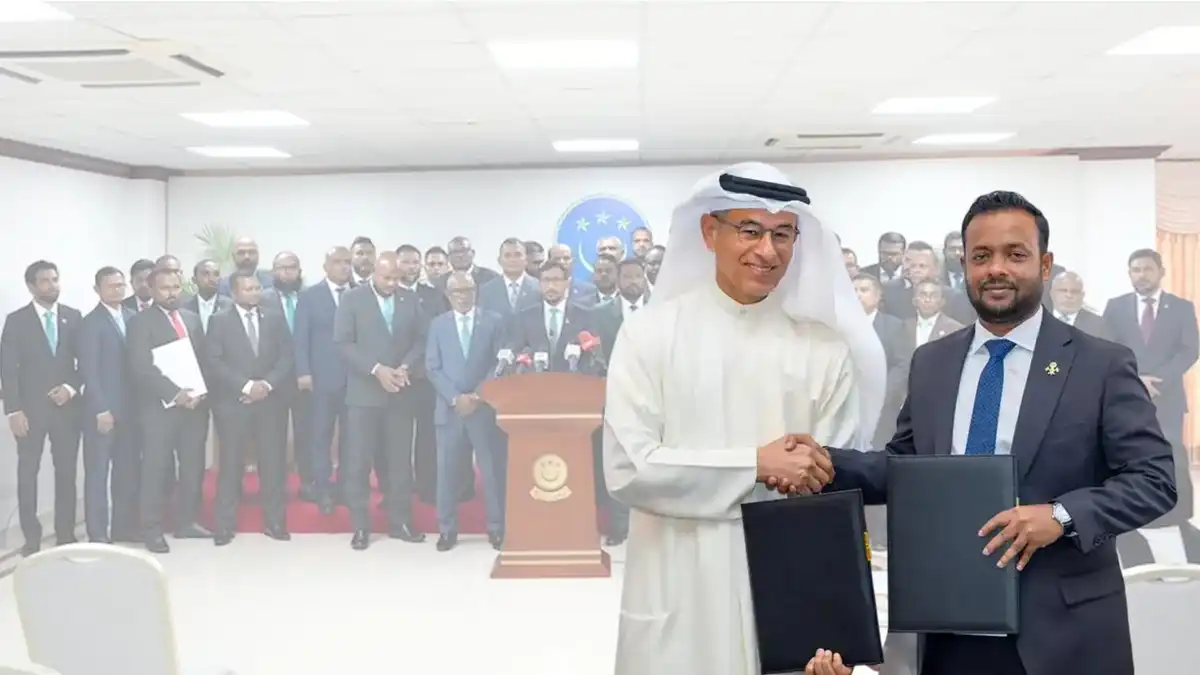
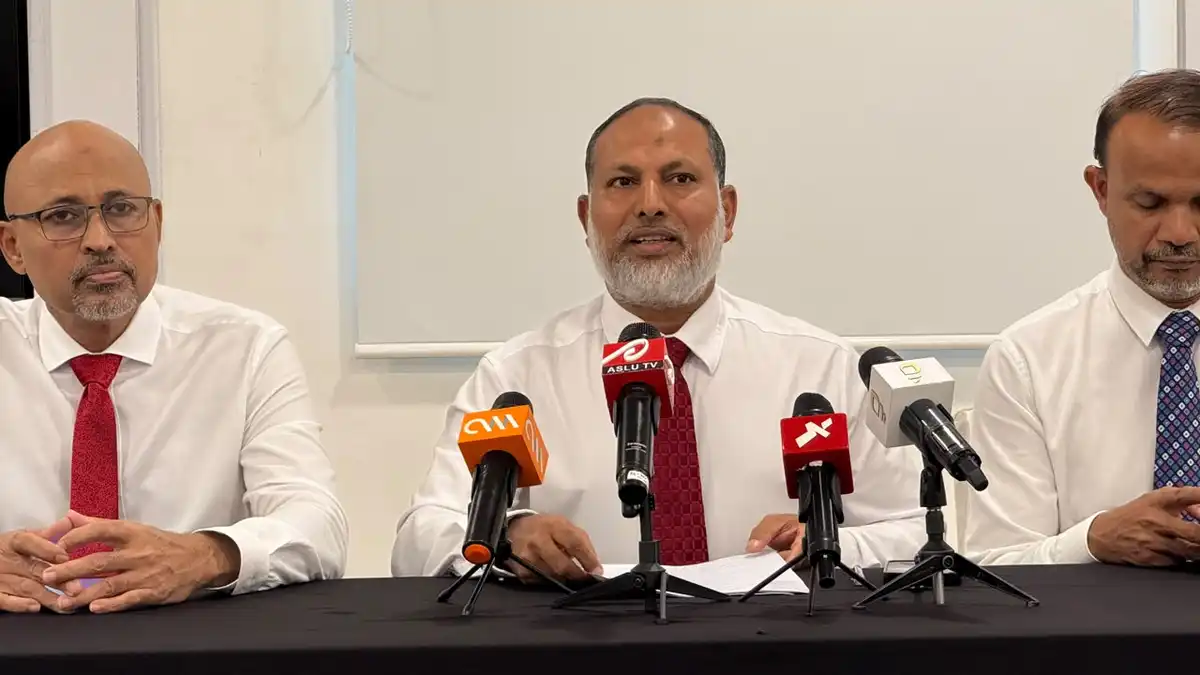
Public concern is mounting over the government's decision to keep the Ras Malé project agreements confidential, amid allegations of exerting undue influence on lawmakers regarding the matter | raajjemv
The present regime seems completely obsessed with securing comprehensive adoration and unanimous approval, stopping at nothing to manufacture widespread acclaim.
Apprehensions continue to mount over how the state systematically deploys intimidation, political coercion, and blackmail to snuff out disagreements and force everyone into lockstep with executive decrees.
One can see with alarming clarity that the administration will cross almost any line to eliminate opposition and engineer total compliance, even when it directly suffocates basic expressive freedoms.
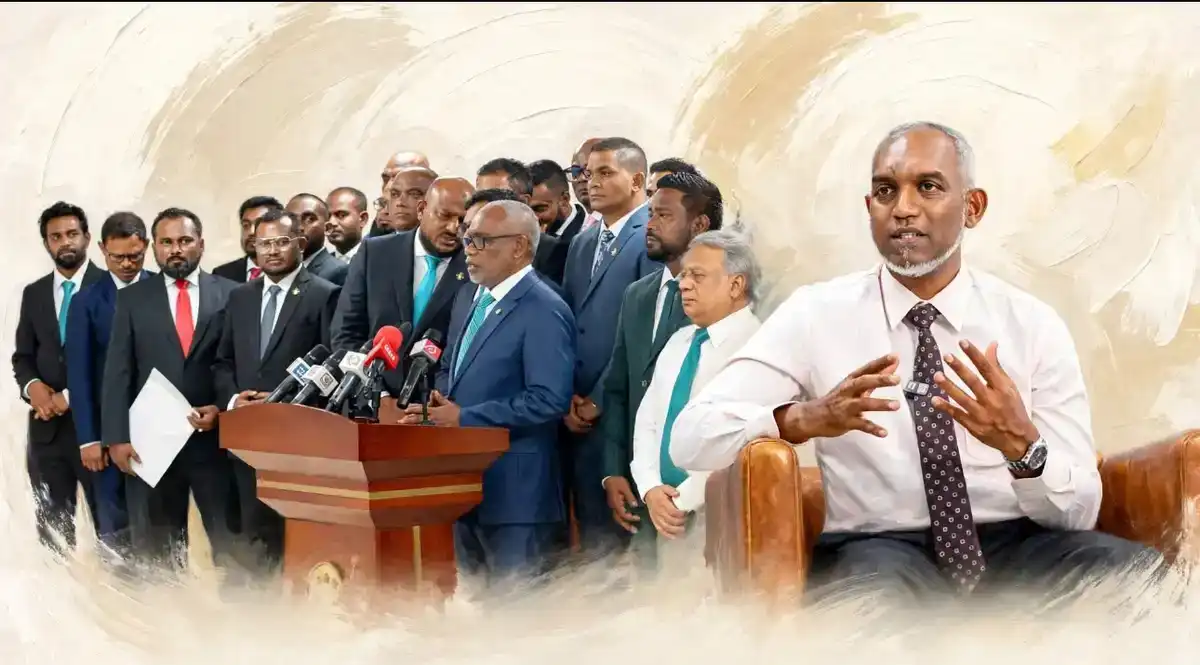
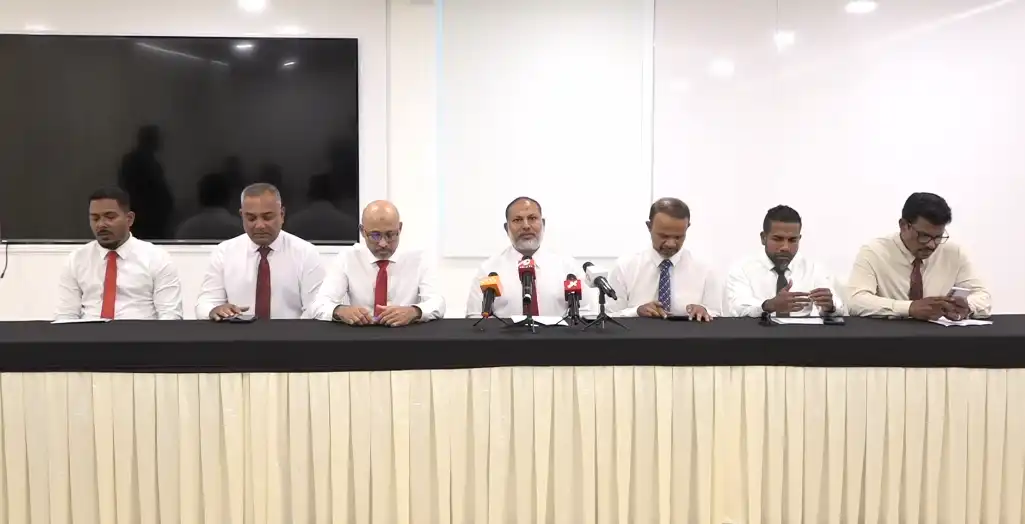
A recent gathering hosted at Mulee’aage, pulling together ruling party lawmakers and cabinet ministers over the contentious Ras Malé venture, carries all the hallmarks of a desperate push to enforce blind unity and extinguish defiance amid a season of severe political strain.
This gathering is hardly an isolated incident, trailing behind a series of previous encounters where the head of state individually confronted lawmakers to issue stern cautions or intimidate them into toeing the official executive narrative regarding the initiative.
On October 27, lawmakers representing the main ruling People’s National Congress (PNC) received orders to report to Mulee’aage to dissect the prospective transaction offloading Ras Malé to Eagle Hills, an enterprise based in the United Arab Emirates with alleged links to Zionist entities.
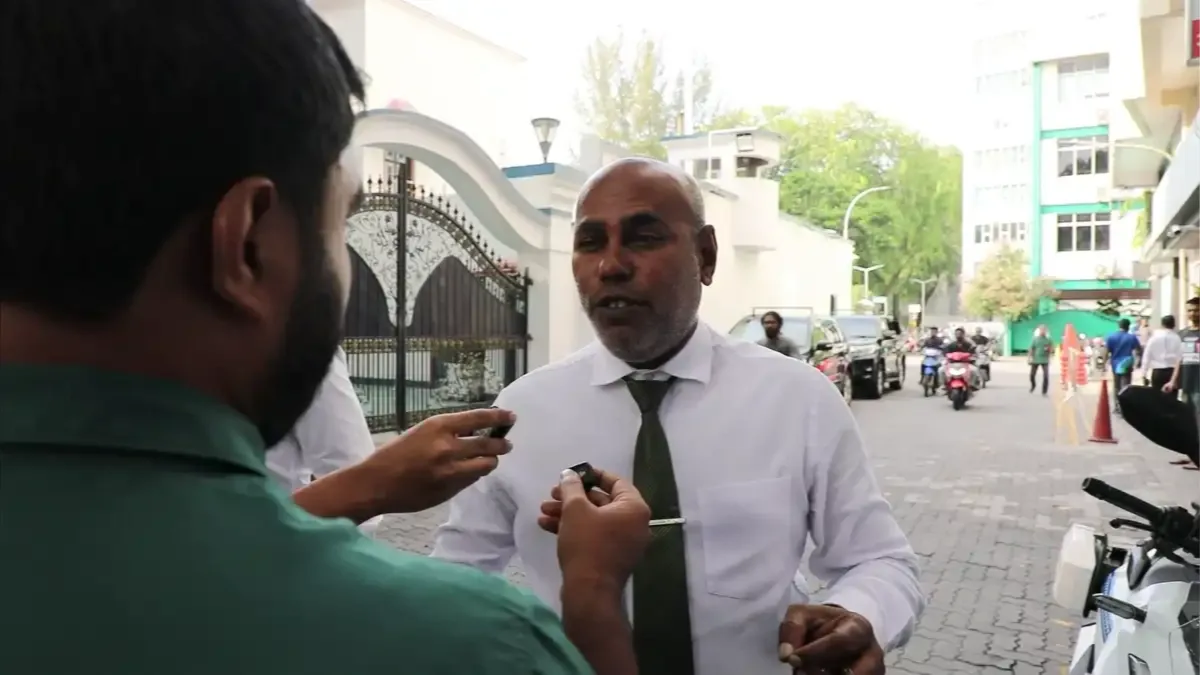
The second that meeting wrapped up, an overwhelming majority of those politicians scurried past reporters, outright declining to take questions from the press. On an undertaking that holds such massive sovereign importance and captivates the whole populace, this wall of secrecy and the lawmakers' sudden loss of speech strongly implies that vital facts are being deliberately locked away from citizens, or that these representatives are operating under immense coercion.
Were this transaction genuinely the patriotic triumph its cheerleaders claim, one would naturally anticipate state dignitaries boasting about its merits out in the open with unapologetic clarity.
Instead, their stubborn refusal to provide accountable statements alongside their blatant contempt for journalistic inquiries strongly signals hidden motives linking the administration and these obedient officials.
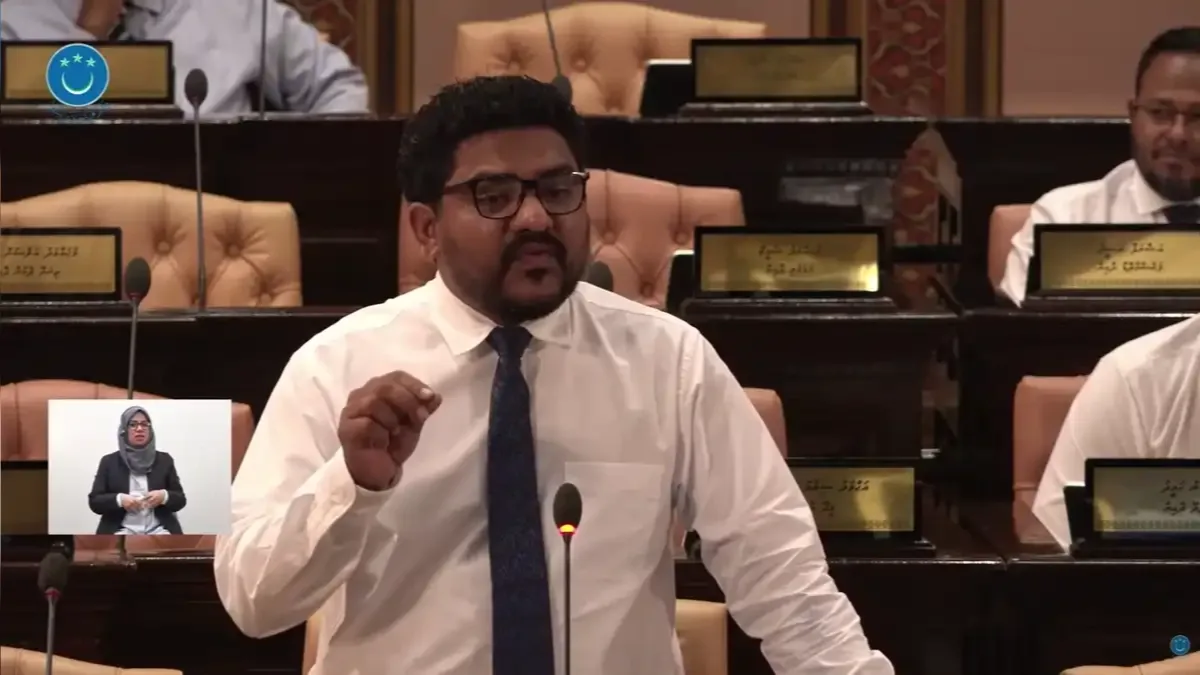
At the same time, the chief legal advisor to the government confirms that statutory revisions are being drafted to smooth the surrender of sweeping portions of national soil to an overseas corporation. Simultaneously, leading party figures like PNC parliamentary group leader Ibrahim Falah wave off any suggestion of a citizen referendum, brazenly asserting that the opinions held by legislators are identical to the collective will of the public.
However, without ordinary citizens seeing the fine print of this deal, such an assertion remains baseless.
The glaring contradictions spilling out of the governing coalition make the entire affair even shadier. While Falah claims the electorate is fully aware of the facts, lawmaker Mohamed Fazeel emerged from his private audience with the president declaring that the country's citizenry has zero entitlement to inspect the Commercial Terms Agreement struck with Eagle Hills, even audaciously claiming that no such document has been finalized yet.
Such clashing rhetoric from within the very same camp merely ramps up civic bewilderment and justifiable wariness.
On top of that, the administration’s routine mobilization of its sweeping parliamentary numbers to shoot down motions demanding the unsealing and public release of these compacts exposes a calculated scheme to bury the facts.
Seeing lawmakers retreat into silence and flee open media inquiries erodes every scrap of societal confidence. The spectacle of supposed public servants sheepishly carrying out commands from the palace without a shred of skepticism, rather than standing tall to demand full disclosure on monumental public deals, remains disturbing to the general public.
The deepening disquiet grips the country precisely because profound treaties altering the economic trajectory and long-term destiny of the homeland are being hashed out in shadows, completely detached from popular oversight.
Rewriting the internal procedures of the legislature deliberately to choke off deliberation and dismantle supervision over vast public ventures represents a grotesque abandonment of core democratic ideals.
Looking back, President Dr. Mohamed Muizzu kicked off his tenure by driving legal revisions engineered to weaken the autonomy of legislative representatives. His evolving tactic of rounding up lawmakers behind closed doors for targeted warnings and heavy-handed lectures to enforce a single compulsory perspective reveals an executive apparatus relentlessly committed to grasping unchallenged dominance and monopolizing the whole state machinery.