Ras Male' land reclamation is costing over $700 million in public funds, yet the land is being gifted to Eagle Hills for free: Solih
29 އޮކްޓޯބަރު 2026 | ބުރާސްފަތި 08:36Former President Ibrahim Mohamed Solih has called on the government to immediately halt the Ras Male' project, asserting that granting 500 hectares of land to Eagle Hills for free offers no financial benefit to the state. Warning that the initiative could pose significant long-term challenges for the nation, Solih urged the administration to prioritize the public interest and cease work on the development.

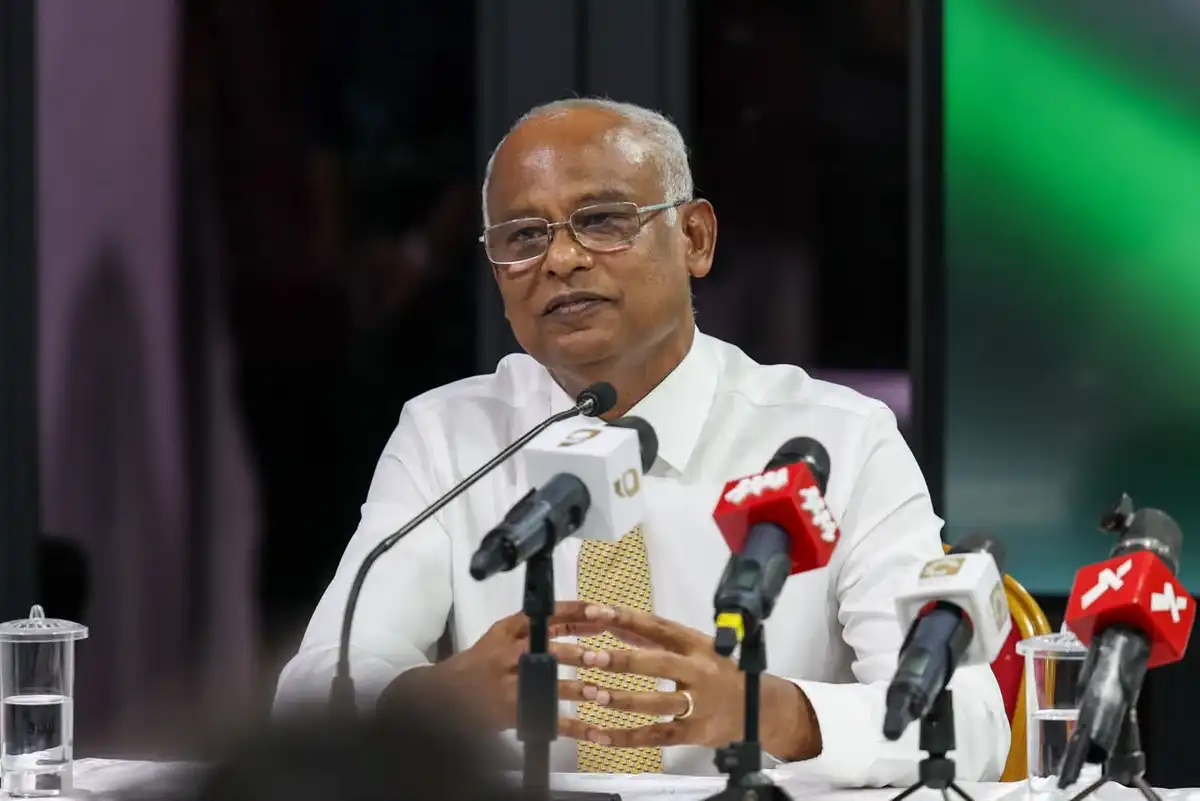
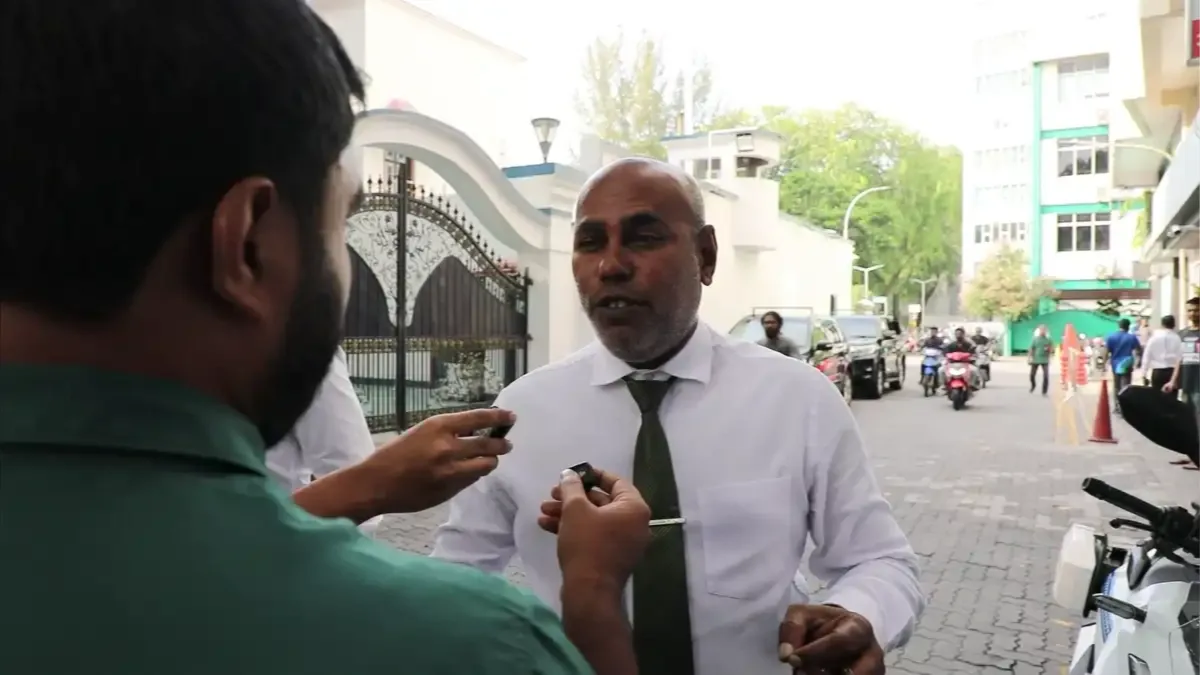
Former President Ibrahim Mohamed Solih. | Raajje MV
Former President Ibrahim Mohamed Solih has called for the immediate halt of the Ras Male' project—the reclamation and development of Fushidhiggaru Lagoon—alleging that the venture offers no financial benefit to the state. He asserted that the project is structured solely to provide exorbitant profits to a foreign company.
In a post on X, Solih stated that in every business transaction, there must be a mutual benefit for both the seller and the buyer, or the lessor and the lessee.
However, he noted that there appears to be no established framework or justification for the decision to grant 500 hectares of land under the Ras Male' project to Eagle Hills company permanently and free of charge.
Elaborating on the details of the project, Solih stated that the reclamation of 500 hectares of land for Ras Male' is being funded by over $700 million of public money. He noted that despite such a massive state expenditure, the land is being granted to Eagle Hills entirely free of charge, resulting in no financial benefit to the state.
Furthermore, Solih revealed that the 5,000 housing units Eagle Hills claims it will develop on the land must actually be purchased by the Maldivian government. Consequently, he stated that this transaction exclusively benefits the company to an extreme degree.
Solih further stated that, given the current framework of the project, he foresees the nation facing numerous significant challenges in the future. Consequently, he urged the government to halt the project in its current form, emphasizing that such action is necessary to protect the best interests of the state.