Gov’t claims Maldivians come first while leaving citizens sidelined on Pakistan tour!
24 އޮކްޓޯބަރު 2026 | ހޮނިހިރު 11:48The government has faced widespread criticism following the last-minute cancellation of a scheduled meeting with the Maldivian community during the official visit to Pakistan. At a time when Maldivians living abroad are grappling with significant financial challenges, many have expressed their dissatisfaction over the decision to cancel the public engagement while the First Lady prioritized an interview with a magazine

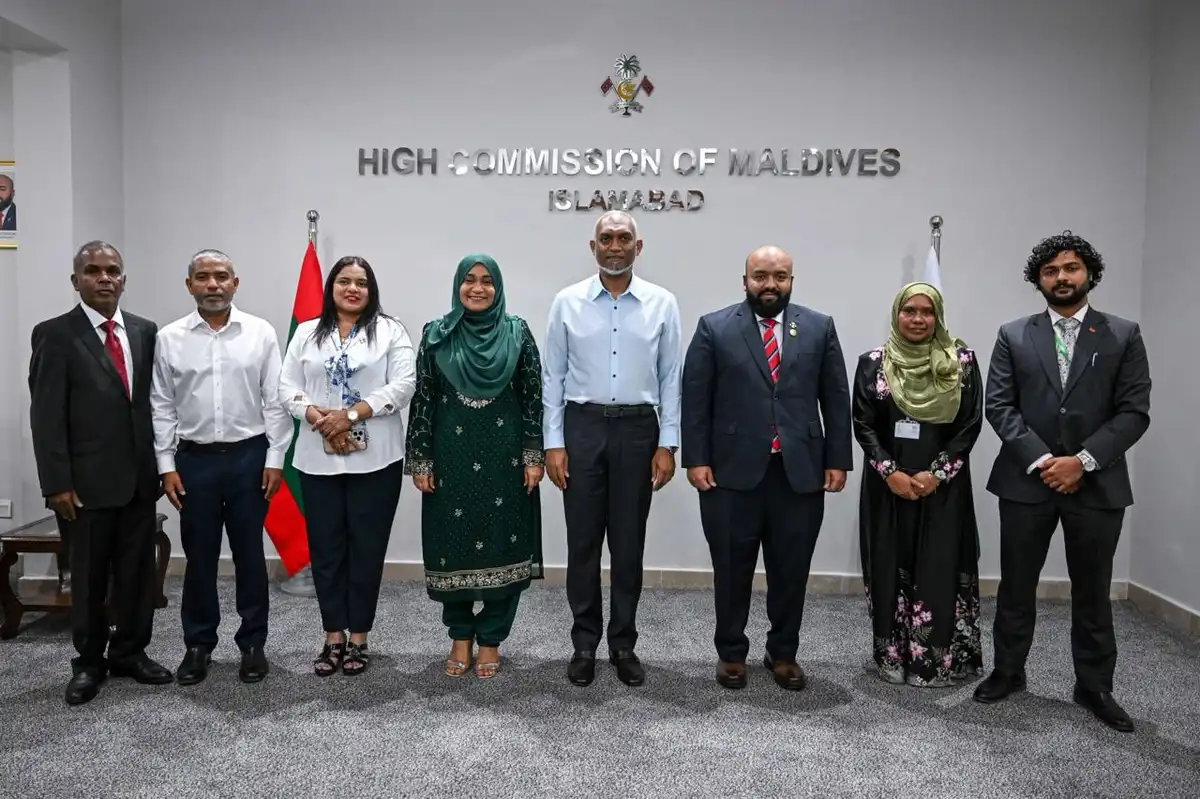
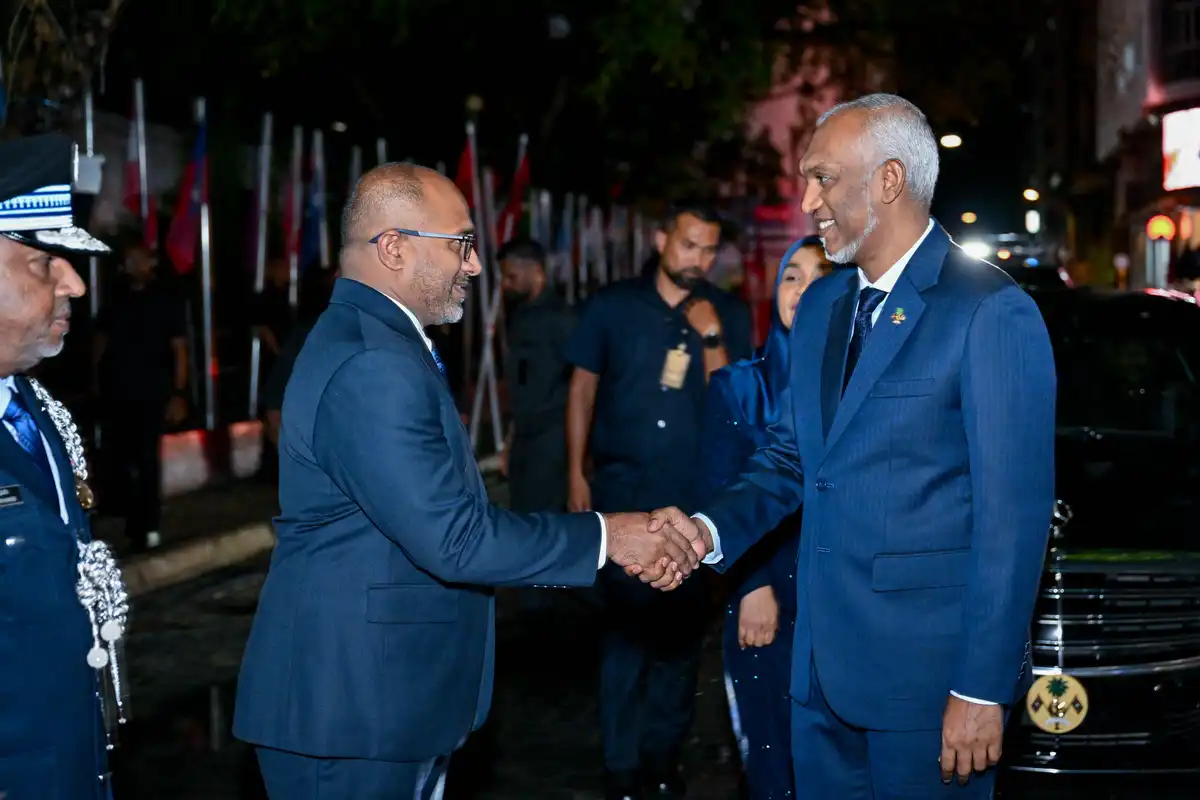
The First Couple visits the High Commission of Maldives in Islamabad | Presidents Office
Ever since he began campaigning for the presidency and continuing into his tenure in office, President Dr. Mohamed Muizzu has tirelessly insisted that Maldivian citizens and their homeland would perpetually occupy the very top of his agenda.
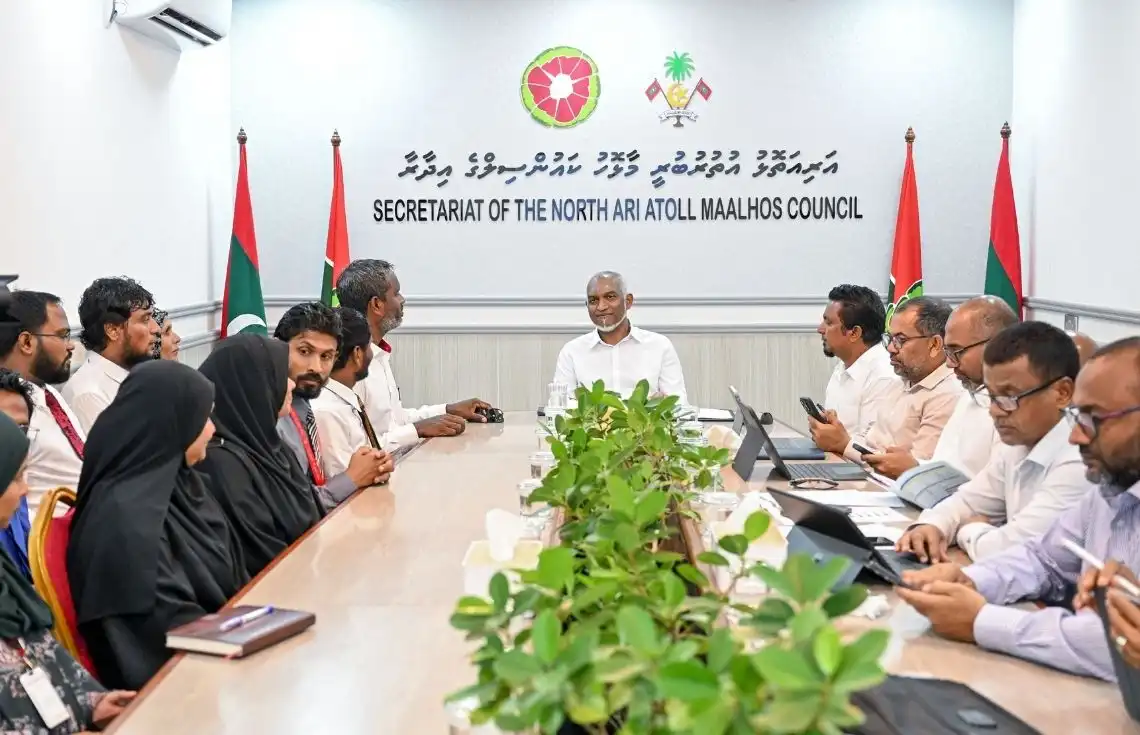
Under normal circumstances, his official foreign trips include dedicated sessions with the diaspora. During these routine photo-op gatherings, he sits down to hear out the grievances raised by scholars and expatriates, dispensing standard promises that administrative fixes for their troubles are on the way.
Behind the polished political speeches, Maldivians stationed overseas have been battered by a relentless series of official choices and bureaucratic directives. Frustrations among the public have reached boiling levels, fueled by erratic handouts of mandatory state funding for students abroad, crippling obstacles encountered when trying to pull out foreign currency using bank cards, and a cascade of extra financial surcharges.
Right in the middle of this escalating distress, serious doubts have surfaced in the wake of President Muizzu’s state journey across Pakistan. There, an official assembly with the resident Maldivian population was abruptly dropped at the very last minute, despite having already been confirmed.
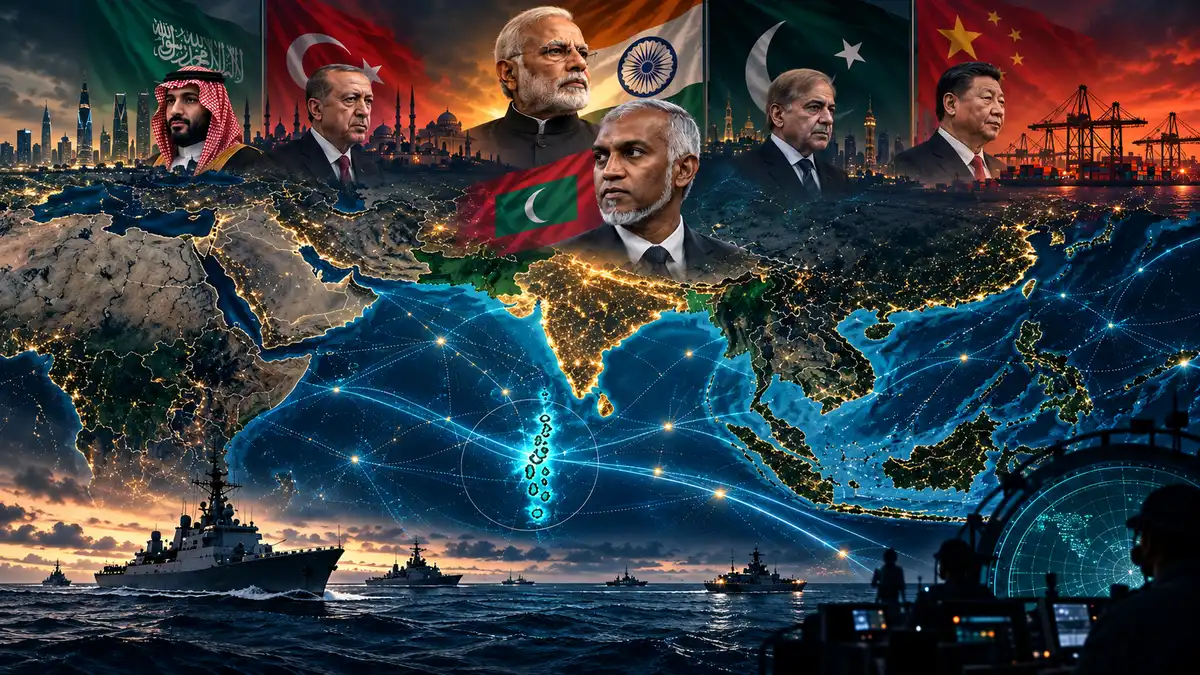
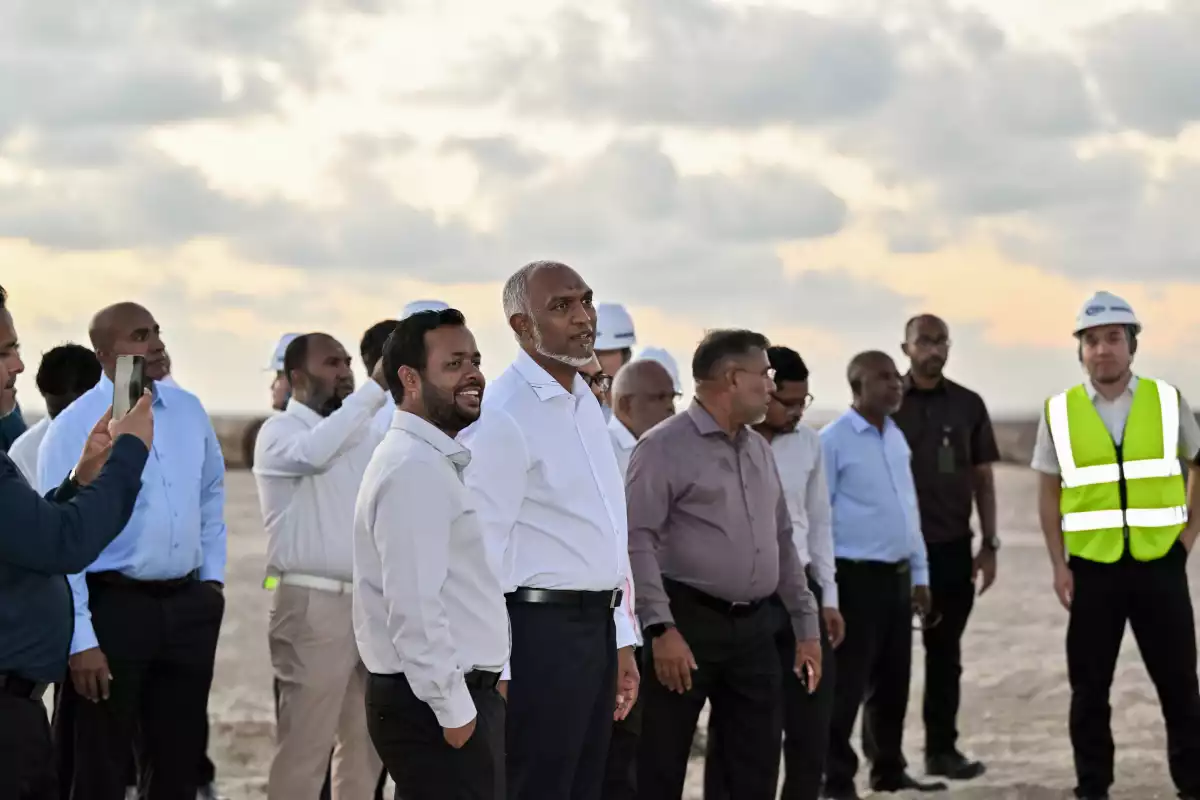
Accompanied by the First Lady, President Muizzu flew back home on the October 23 following the conclusion of a three-day bilateral tour in Pakistan, an excursion that yielded twenty distinct Memorandums of Understanding between both governments.
However, in stark contrast to the paperwork parade, the scheduled public gathering was unceremoniously scrapped, even after formal invitations had been circulated a full two weeks beforehand and repeated promises had guaranteed it would happen.
Voicing their exasperation online, an assembly of twenty Maldivians living in Pakistan pointed out that while securing face time with the president might not have represented the journey's absolute chief objective, they had spent considerable effort preparing after receiving invitations a fortnight in advance.
They conveyed deep resentment and bitterness, highlighting that even with countless confirmations that the rendezvous was going ahead, they were dumped at the eleventh hour with news of its cancellation.
Adding fuel to the fire, a Maldivian scholar based in Pakistan pointed out that the domestic High Commission within the host country had initially coordinated the entire arrangement and handed out verbal guarantees, only to subsequently cut all communication and vanish into silence.
That student laid bare intense irritation at being handled in such a dismissive fashion without receiving a solitary shred of clarification regarding what had really transpired.
The insult felt even more pointed because First Lady Sajidha Mohamed managed to carve out time on her schedule for an exclusive feature with a local Pakistani fashion and lifestyle publication, whereas not a single minute could be spared to sit down with the actual citizens living right across the border.
The exact motivation behind President Muizzu's abrupt withdrawal from facing the Maldivian diaspora in Pakistan remains shrouded in mystery. As of now, the administration has maintained complete radio silence, offering no formal commentary to answer the widespread grievances bubbling up from this snub.
Having secured governance by marketing an uncompromising pledge to put citizens first, the administration now finds its polished slogans unravelling.
Mounting monetary agony for Maldivians abroad, paired with the apparent indifference toward their day-to-day welfare on global travels, has drawn sharp rebuke from critics who argue that this regime's high-minded rhetoric bears zero resemblance to its actual conduct.