Maldives starts sourcing doctors and teachers from Pakistan in place of India under Pres. Muizzu
19 އޮކްޓޯބަރު 2026 | ހޯމަ 09:03During President Dr. Mohamed Muizzu’s upcoming official visit to Pakistan in October, a total of 12 agreements are scheduled to be signed, encompassing sectors such as healthcare and education. The visit will reportedly facilitate discussions on recruiting 1,000 medical professionals and educators to meet the Maldives' requirements, as well as the establishment of direct air links between the two nations. Furthermore, the official visit aims to strengthen bilateral cooperation in the fields of defense, finance, and technology.

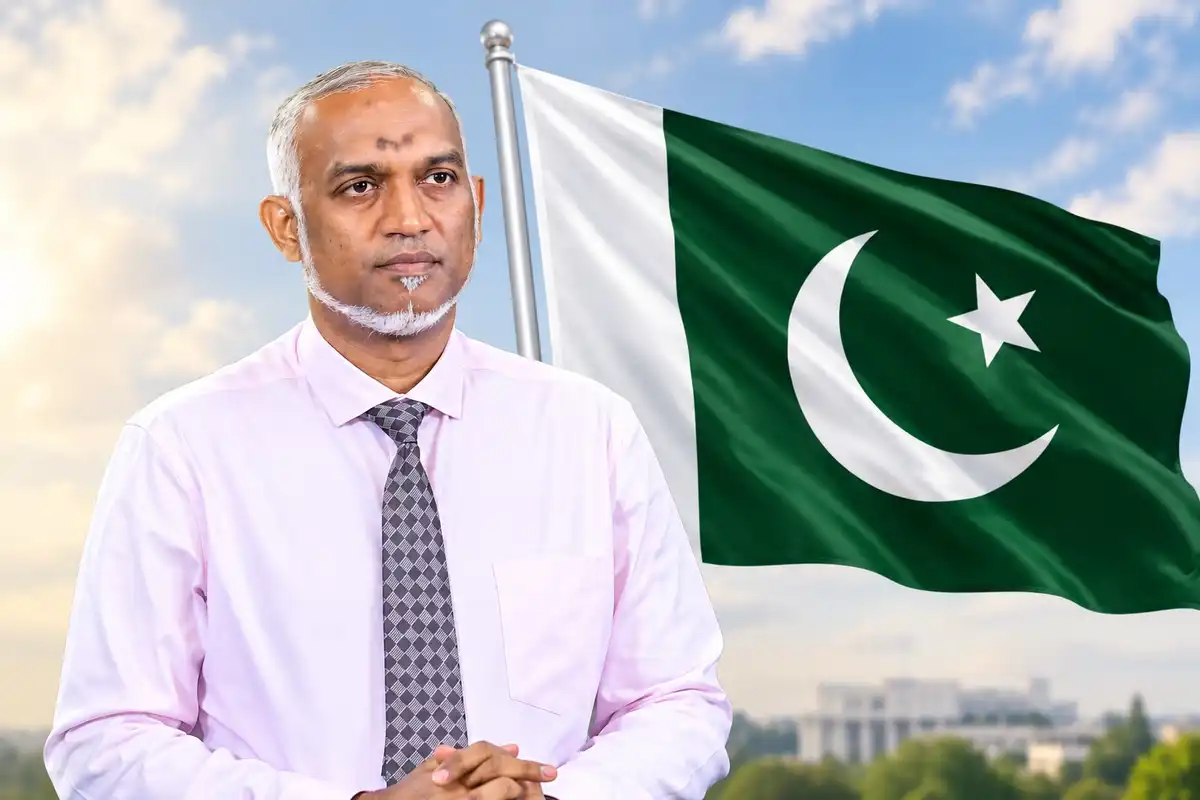
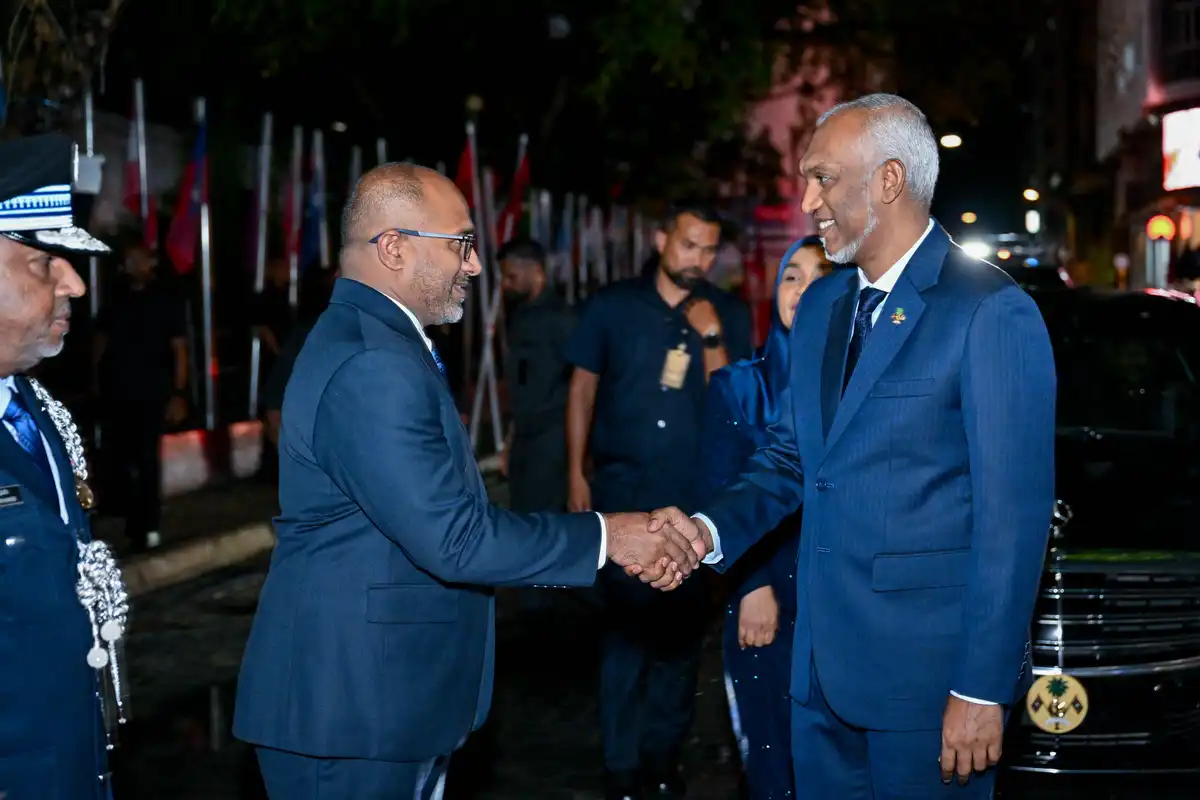
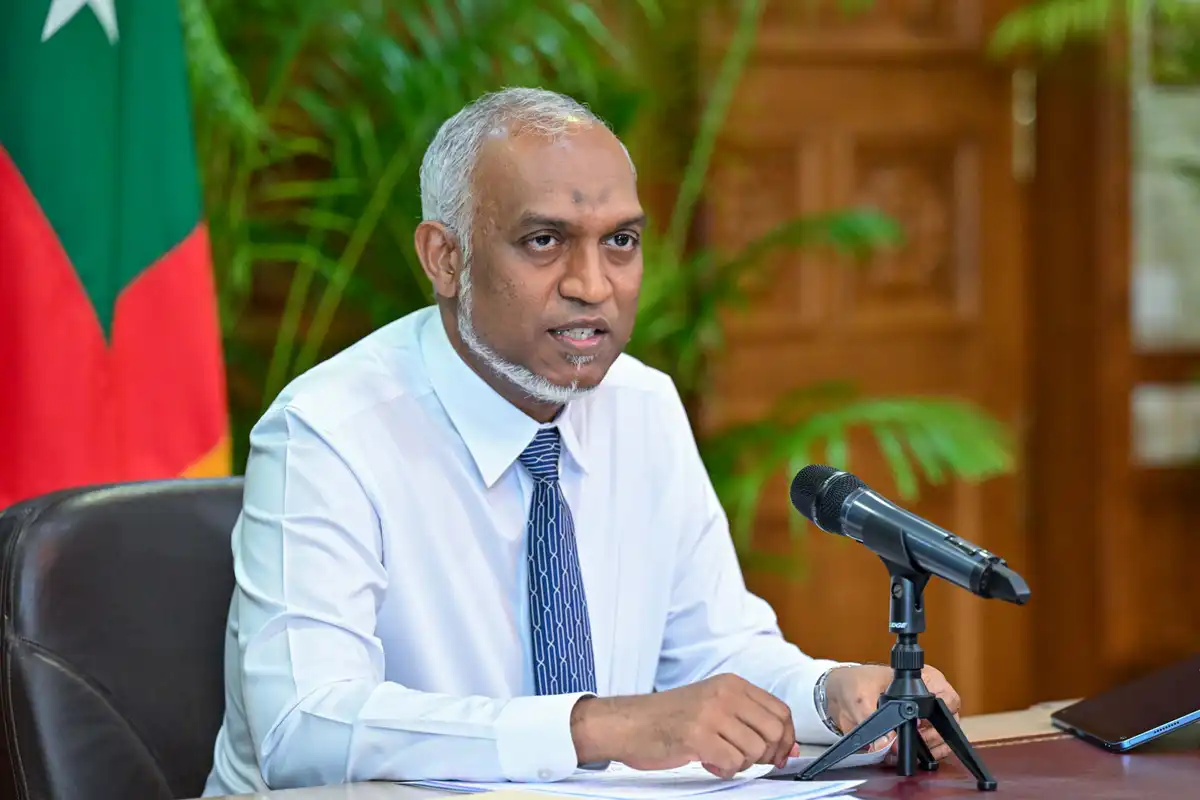
President Dr. Mohamed Muizzu is scheduled to undertake an official visit to Pakistan from October 20 to 22. | Raajjemv graphics
In what looks like another calculated cold shoulder to New Delhi, President Dr. Mohamed Muizzu’s government has set the machinery in motion to source medical personnel and educators from Pakistan instead of depending on India for the country’s schools and clinics, according to trusted insiders who spoke to RaajjeMV.
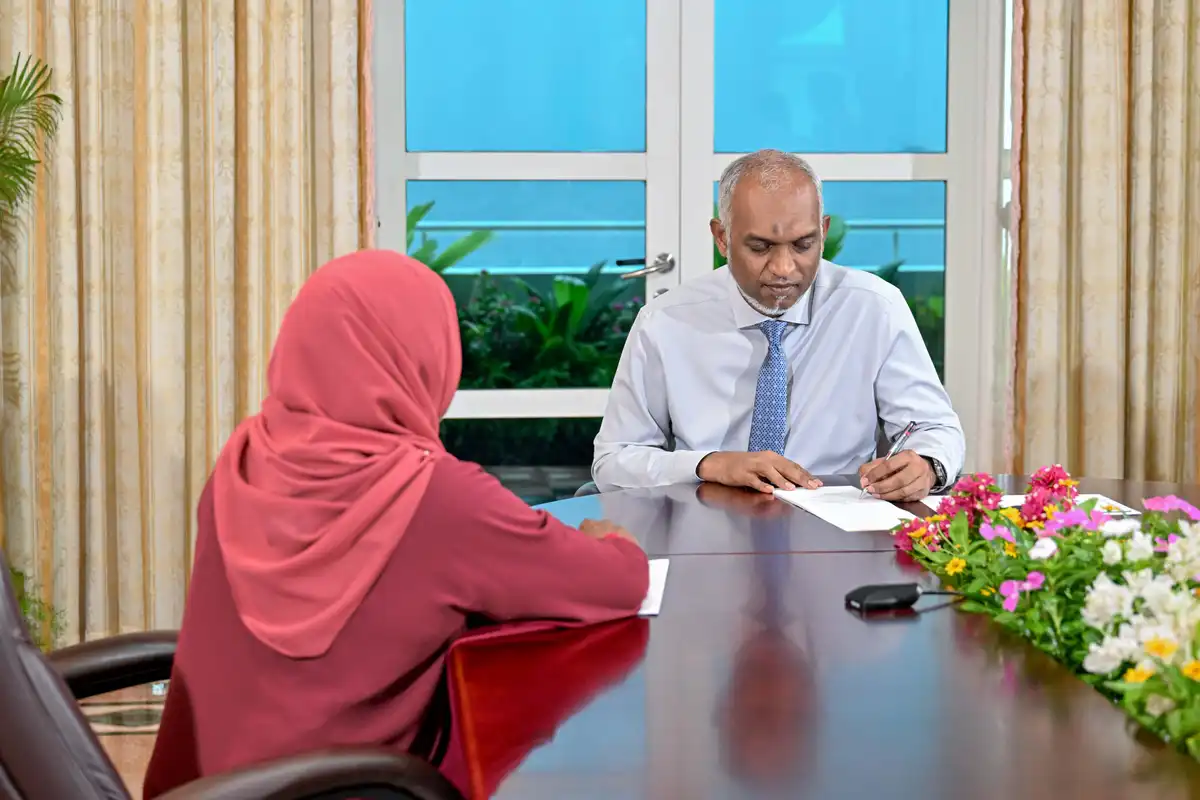
Under this policy pivot, the head of state has officially consented to appeal directly to Islamabad for aid in securing 1,000 medical staff needed for an envisioned mental health authority.
The anticipated roster of Pakistani hires spans specialist medical practitioners, anesthesiologists, and core professionals across psychiatric and rehabilitative care, covering occupational therapists, behavioral specialists, speech clinicians, and psychotherapists.
Outside the healthcare framework, the administration also intends to favor Pakistan when hiring educators across Maldivian classrooms, a jarring break from long-standing precedent, considering that Indian citizens have traditionally formed the backbone of both the domestic healthcare infrastructure and the academic system.
Historic diplomatic pilgrimage across the Arabian sea
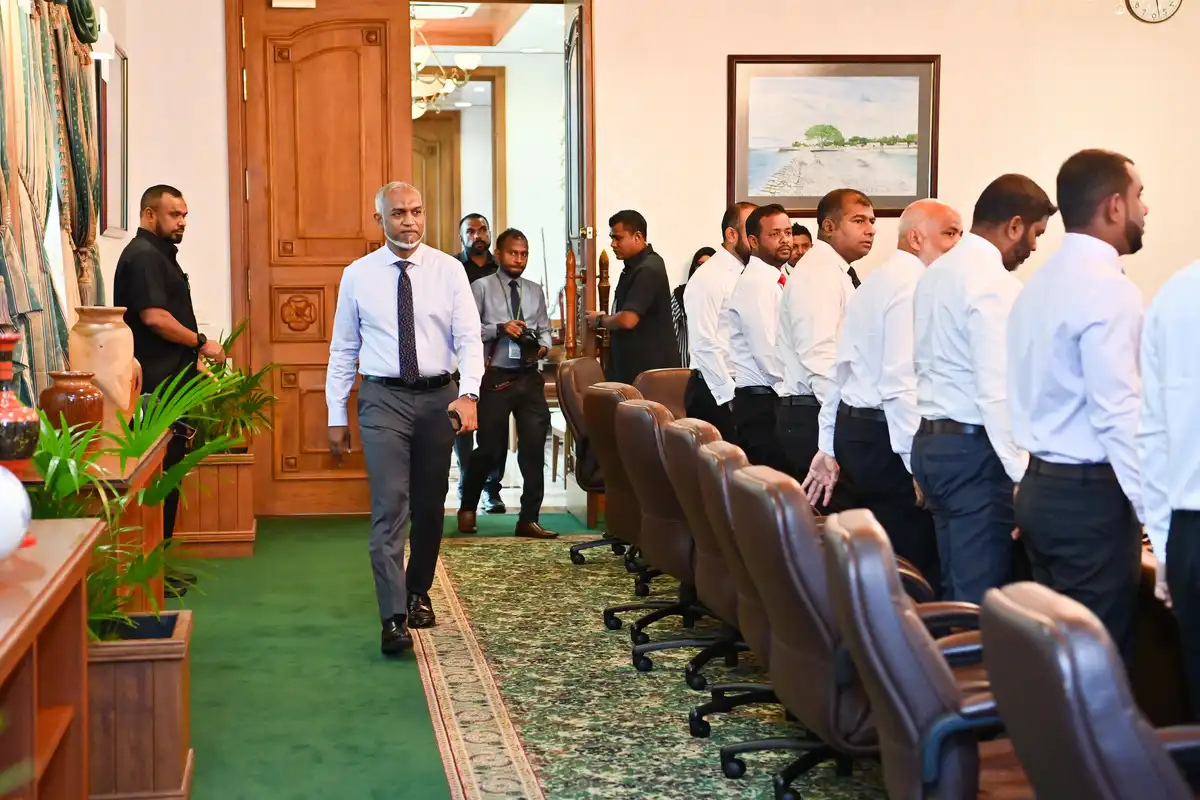
President Muizzu is slated to travel on an official diplomatic trip to Pakistan spanning October 20 through October 22, registering the inaugural visit by a Maldivian head of state to the nation in well over ten years.
Accounts indicate that top-tier dialogues will unfold between the President and Pakistani authorities spanning diverse domains. Around a dozen pacts are expected to be formalized over the course of the visit with the stated intention of reinforcing intergovernmental ties.
Among the prominent deals awaiting ink is the rollout of a direct flight route linking Pakistan and the Maldives.
Bilateral coordination is additionally forecasted in medical care, medical travel cultivation, and forging institutional linkages across research and academic hubs on both sides.
Secrecy and diplomatic courtship
While authorities remain tight-lipped on the granular terms of the security and defense pact, intentions exist to expand mutual support in that arena.
Bilateral documents are also scheduled to touch upon technology, economic affairs, holiday travel, atmospheric and climate issues, and mass media channels.
Lawmaking assemblies in each nation are slated for closer institutional ties as well.
However, despite deliberating a youth empowerment pact earlier this year in February, official validation remains pending on whether that distinct deal will actually be finalized on this journey. Certain commentators interpret this flurry of treaties as an avenue to push the traditional bilateral relationship to unprecedented heights.
Alienating the dependable neighbor next door
To many skeptical onlookers, however, this entire diplomatic realignment smacks of an intentional affront to India. The pre-inauguration "India Out" movement is regarded by multiple critics as a manufactured drive to inflame public animosity and chip away at ties with the neighboring giant.
Frictions have only compounded since this administration grabbed power, scarred by diplomatic flashpoints that saw street demonstrations burning the Indian Prime Minister in effigy, alongside maneuvers that risk sabotaging the nation’s lifeblood tourism industry.
The irony, of course, is that India continues to stand as the geographically nearest neighbor that has unfailingly rushed to rescue the Maldives whenever emergencies, turmoil, or hardship strike.