Council salary bump: a scheme to muzzle local authorities and paralyze island growth?
23 އޮކްޓޯބަރު 2026 | ހުކުރު 19:44The decision by the Parliament's Public Accounts Committee to increase the salaries of councilors, which mandates that the expenditure be covered through the block grants allocated to councils, will obstruct development projects in the islands. This is a calculated move to weaken the decentralization system and increase the financial dependency of councils on the central government

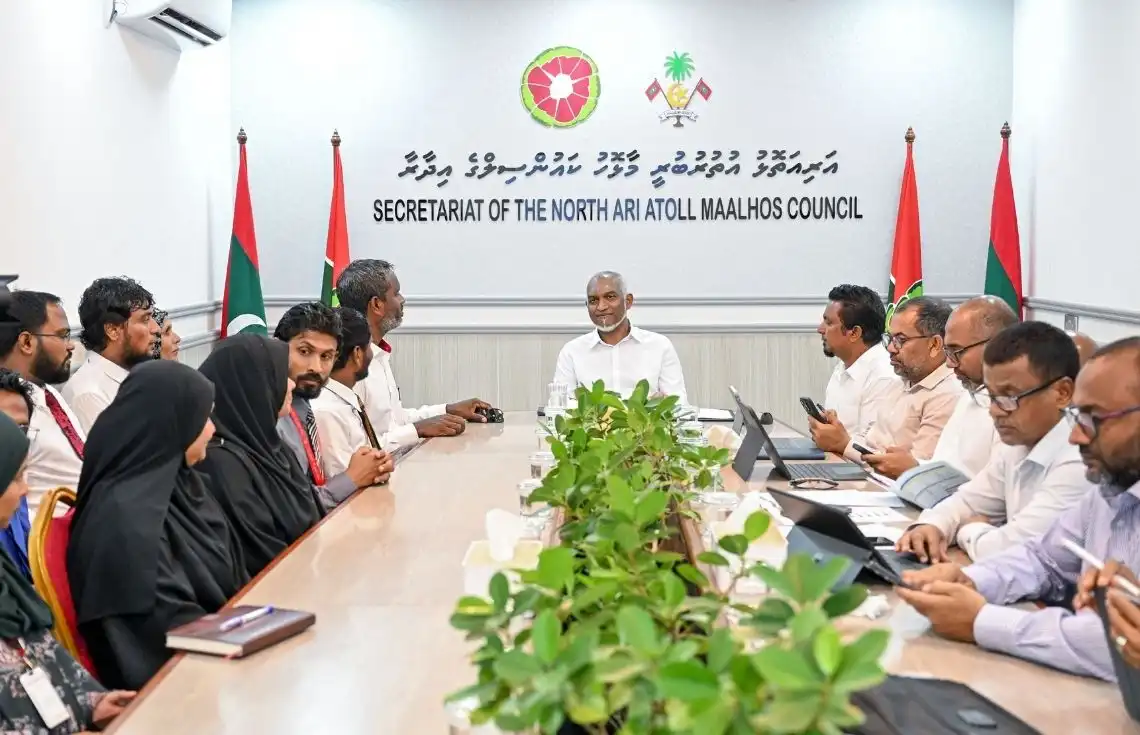
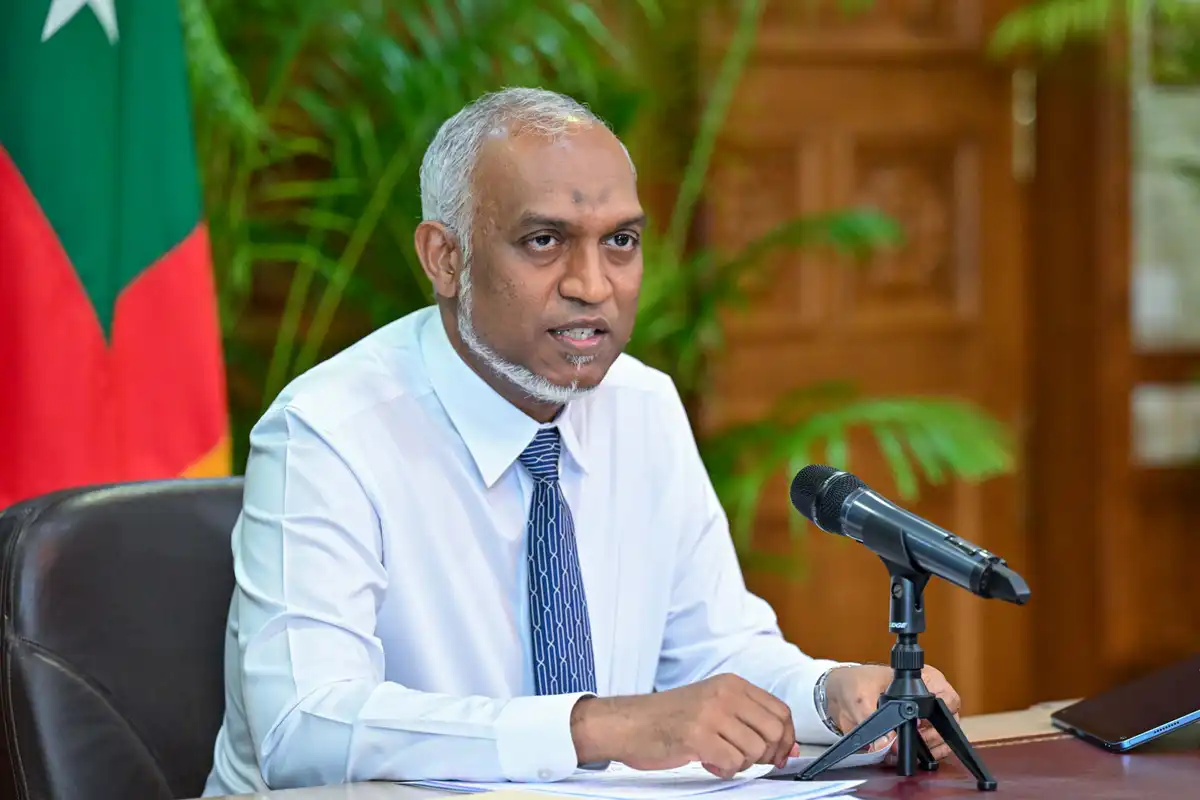
President Dr. Mohamed Muizzu meets with the AA. Maalhos Island Council | President's Office
Dr. Mohamed Muizzu and his ruling regime love reminding everyone that no one grasps local governance quite like they do, with the President himself routinely playing the heroic savior of island empowerment.
However, day after day, the reality unfolding across the country exposes this posturing as pure farce. Beneath the lofty rhetoric lies a systematic crusade to tear down local governance and gut every ounce of autonomy it possesses.
First, the state handed itself the unchecked right to seize land directly out of island jurisdictions. Next, it snatched away the right of local authorities to hire their own staff.
Unfazed by its own hypocrisy, the ruling apparatus continues to brag that it remains the solitary champion fighting for local empowerment.
Now comes their latest supposed political triumph: a scheme courtesy of the parliamentary Public Accounts Committee to boost local leaders' pay. Wrapping these raises in the neat label of an operational service stipend, committee members have approved raises for island council heads, their deputies and regular councilors.
But this act of apparent generosity dumps a crushing liability onto the national treasury, serving as a convenient smokescreen designed to delay or completely freeze island ventures across the spectrum, from routine works to major infrastructure targets.
The catch is as devastating as it is obvious, since the committee explicitly ruled that these wage spikes must come out of the existing block funds transferred from the state to local coffers. Historically, these transfers have never provided enough cash to cover basic community requirements, let alone finance modest local progress.
Island administrators already find themselves burning through their scarce allowances just to keep the lights on, cover administrative utility expenses, and pay basic office staff.
Diverting those already thin disbursements to finance hefty leadership raises guarantees that compensation costs will devour whatever remains.
Because of this engineered shortfall, community authorities will find themselves stripped of the means to run core public utilities, let alone kickstart novel island initiatives.
With the central state already failing to carry out work across the islands, weaponizing administrative compensation to stall progress outside the capital is plainly visible to anyone with eyes.
Officials might fool themselves into thinking the electorate cannot spot the con, yet ordinary citizens see right through the ongoing plot to paralyze their elected bodies.
Far from fostering decentralized leadership, this scheme is clearly tailored to force independent island authorities back under the thumb of the capital, unmasking a leadership obsessed with absolute, top-down command.
With the nation facing serious fiscal headwinds, sound policy demands fixing the broader financial mess rather than doling out higher stipends. By pushing this measure through via the committee's pro-administration voting bloc while ignoring economic distress, the regime appears solely focused on tricking the electorate or gutting the influence of local bodies. Starving local initiatives of funding while ballooning compensation accounts will inevitably wreck the foundation of regional governance.
Even though national decentralization legislation explicitly orders the devolution of local development authority, bankrupting local councils creates an intentional snare designed to halt island growth. People did not elect community leaders to accept payouts while regional development halts; instead, this maneuver leaves them incapable of answering to their voters, ensuring progress outside the capital grinds to a dead stop.