Handing the country’s electricity to STELCO spells anguish instead of expected relief
15 އޮކްޓޯބަރު 2026 | ބުރާސްފަތި 11:19The powerhouses and utility networks in the islands under STELCO's jurisdiction have seen no significant development over the past 17 years. While the modernization efforts initiated by the previous administration through Fenaka have now reached a standstill, this situation represents a profound disadvantage for the citizens, stemming from a management that appears to disregard the principles of the decentralized system.

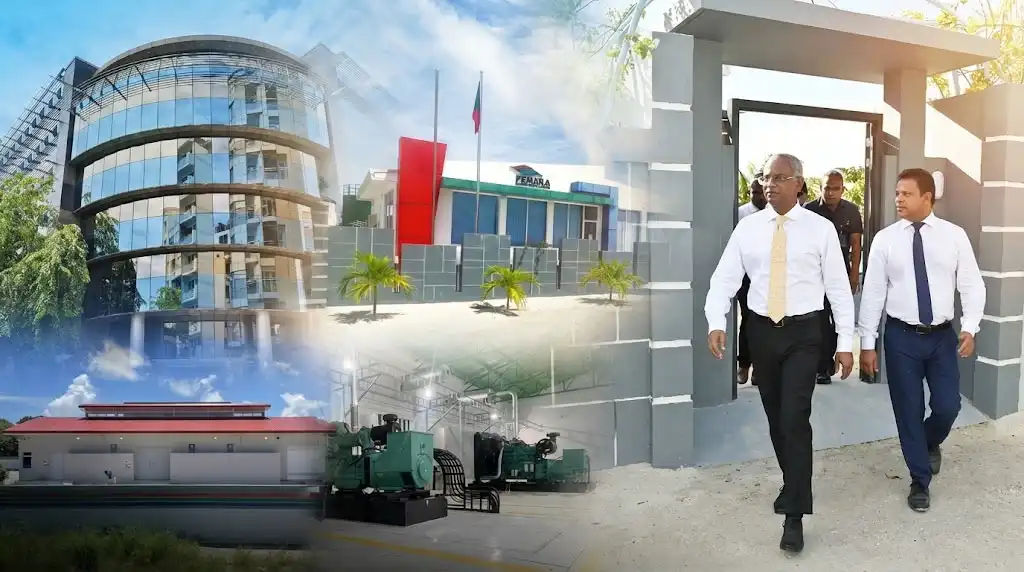
Fenaka has undertaken significant efforts to modernize powerhouses and provide sustainable solutions for islands facing frequent power outages | Raajjemv graphics
Under Article 23 (h) of the Constitution of the Republic of Maldives, the government bears an inescapable duty to supply basic utilities like water, sewage, and power to its populace.
To supposedly satisfy this constitutional mandate, back in 2009 the administration sliced the country into seven operational regions governed by six newly minted utility corporations.
Out of this corporate restructuring, STELCO walked away with a distinct territorial mandate covering the Greater Malé Region as well as the atolls of Kaafu, Alif Alif, Alif Dhaalu, and Vaavu.
Map of neglected jurisdictions
The precise administrative boundaries allocated to STELCO encompass:
- The Greater Malé Region: Malé, Hulhumalé, Villingili, Thilafushi, and Gulhifalhu.
- Malé Atoll (K): Kaashidhoo, Gaafaru, Dhiffushi, Thulusdhoo, Himmafushi, Huraa, Maafushi, Guraidhoo, and Gulhi.
- Alif Alif Atoll (AA): Rasdhoo, Thoddoo, Ukulhas, Mathiveri, Bodufolhudhoo, Maalhos, Feridhoo, and Himandhoo.
- Alif Dhaalu Atoll (ADh): Dhangethi, Dhiddhoo, Dhigurah, Fenfushi, Hangnaameedhoo, Kunburudhoo, Maamigili, Mahibadhoo, Mandhoo, and Omadhoo.
- Vaavu Atoll (V): Felidhoo, Fulidhoo, Keyodhoo, Thinadhoo, and Rakeedhoo.
Collapsed dreams, 17 years of stagnation
Decades ago, islanders across these regions poured their blood, sweat, and hard-earned private savings into erecting their own grassroots powerhouses and wiring networks.
Eventually, they handed these self-made setups over to a formal state utility firm, harboring naive hopes that corporatization would bring 21st-century modernization.
However, 17 full years after that fateful 2009 restructuring, virtually nothing of consequence has been accomplished to modernize the backbone infrastructure or the rotting electrical grids of these communities.
If the worth of a public service provider is truly gauged by customer contentment and high-grade delivery, the miserable reality confronting these residents proves the exact reverse.
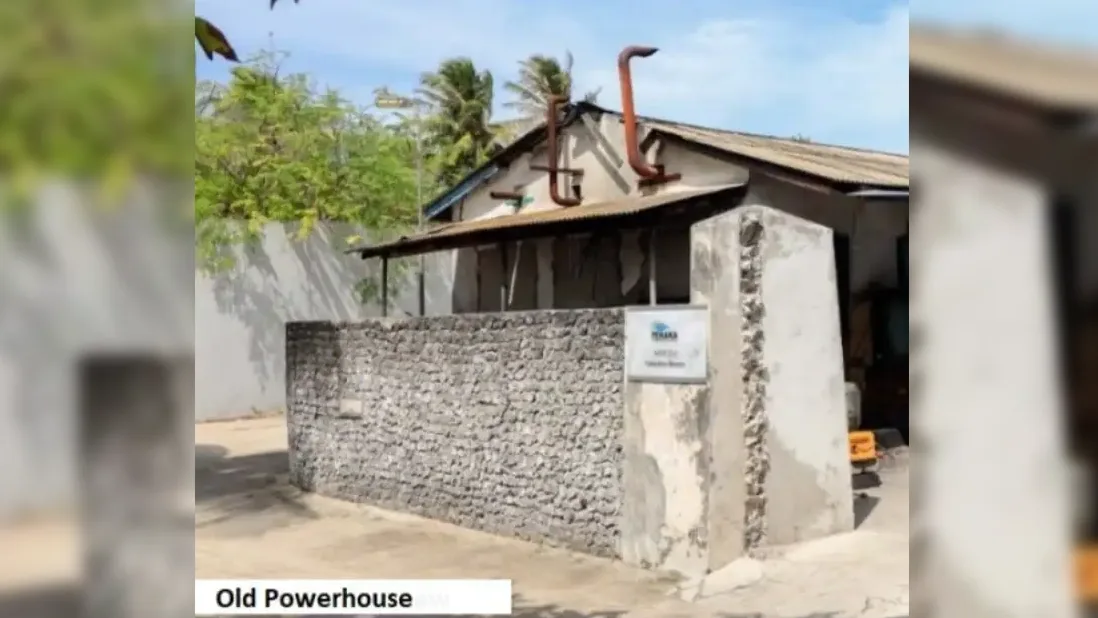
The former powerhouse of B. Fulhadhoo | RaajjeMV | Raajje MV
Trapped beside roaring engines and fried appliances
Across numerous islands, generation facilities are still stubbornly parked right in the thick of family neighborhoods. Locals are subjected to round-the-clock psychological and physiological anguish from deafening diesel generators and clouds of poisonous exhaust fumes.
At the same time, the perpetual refusal to elevate local distribution lines to modern operating benchmarks triggers erratic, plunging voltages that routinely destroy pricey domestic electronics and household goods.
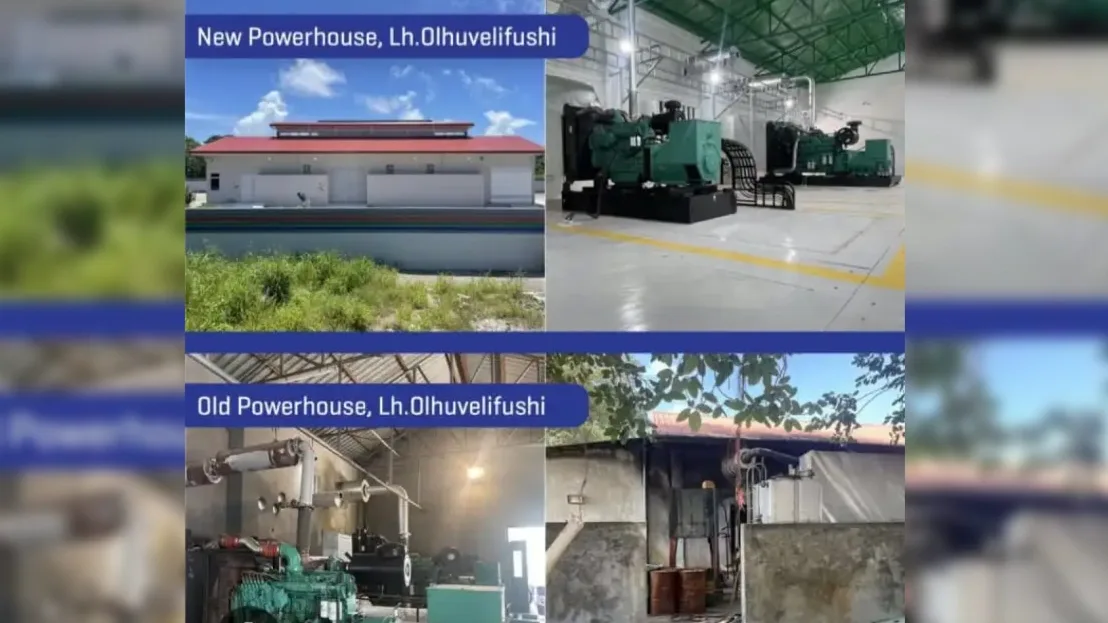
The former powerhouse in Lh. Olhuvelifushi and the subsequent transformations brought to the facility by Fenaka Corporation during President Ibrahim Mohamed Solih’s administration | RaajjeMV | Raajje MV
Fenaka exposed STELCO's 100-year slumber
The previous Maldivian Democratic Party (MDP) government proved that this wretched state of affairs was not an inevitable curse. After taking the helm on 17 December 2018, Fenaka's leadership tackled citizen grievances with genuine commitment and ethical resolve.
The utility scrapped crumbling, ear-splitting generator sheds, flimsy strings resembling traditional coir rope, and improvised workplaces, erecting state-of-the-art infrastructure and real administrative complexes instead.
Over a mere five-year stretch, Fenaka brought modern, reliable utilities to an impressive 80 percent of its 153 assigned islands, granting long-overdue relief. It remains an embarrassing, indisputable reality that a fledgling utility achieved in half a decade what STELCO failed to execute over an entire century of corporate existence.
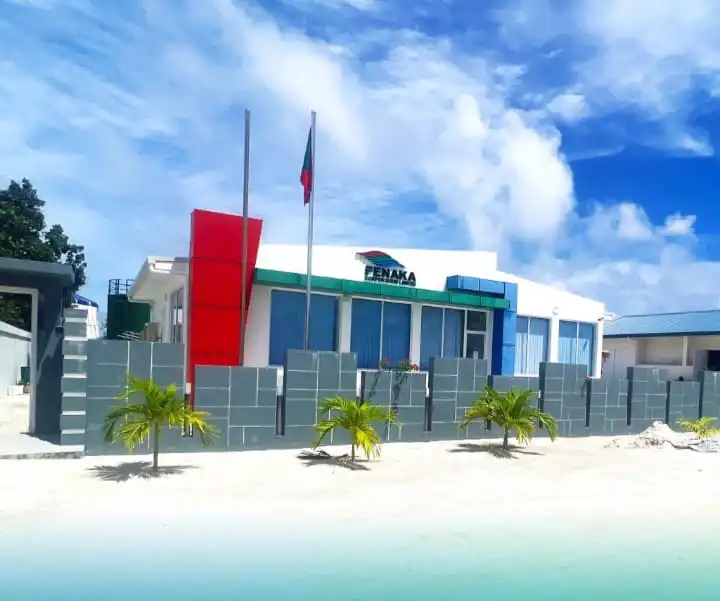
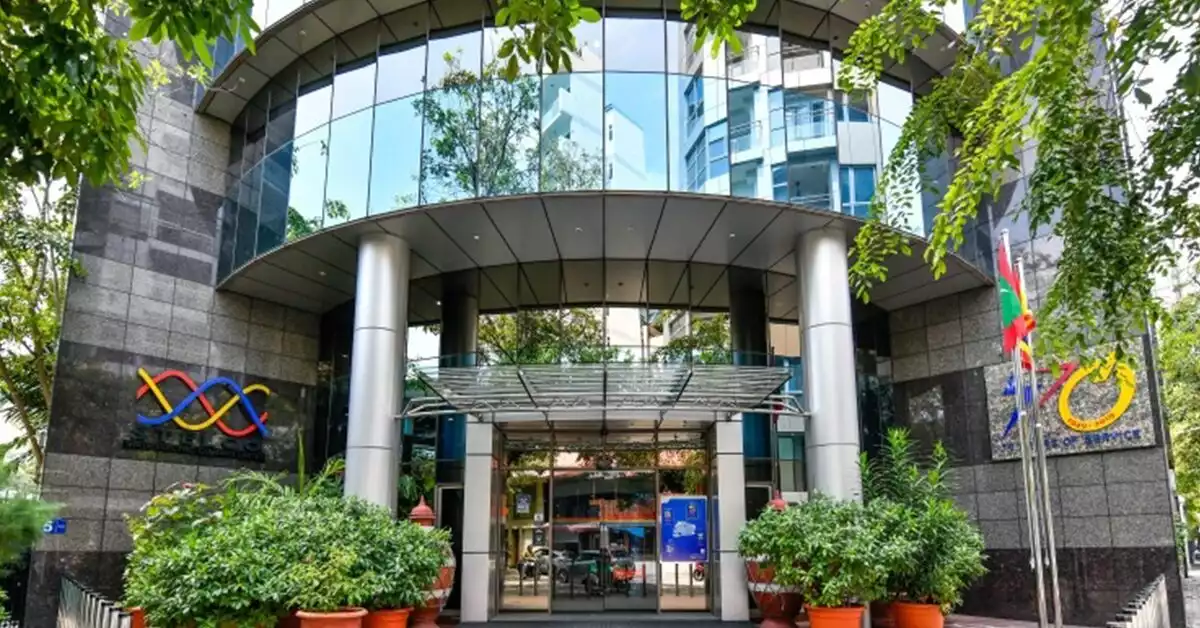
Office buildings constructed by Fenaka Corporation during President Ibrahim Mohamed Solih's administration | RaajjeMV | Raajje MV
Myth of centralized competence
Why did the 32 communities under STELCO’s thumb languish without an ounce of progress across 17 sluggish years?
The underlying motive is glaring: the entrenched executive hierarchy at STELCO harbors an allergy to dispersing utility networks nationwide via a decentralized structure. Their stubborn avoidance of state policy directives, veiled behind endless excuses, is stamped all over the decaying power stations and decrepit distribution wires across those very 32 islands.
Thinking that trusting nationwide power supply onto STELCO will bring joy to outer atolls is pure delusion; it merely guarantees an era of severe distress, grinding stress, and grim days ahead.
Fake scandals and looted assets
The true, unvarnished motivation behind this regime liquidating Fenaka and dumping the whole enterprise onto STELCO is its absolute inability to run utilities from the moment it seized power, compounded by wildly bloated payrolls, staggering corruption, and thievery that spiraled entirely out of control.
To whitewash their rampant administrative ineptitude, current officials have retreated into finger-pointing at the prior administration while churning out fabrications to fool the public.
Today, islanders fortunate enough to have experienced Fenaka’s upgrades openly credit the savvy choices executed by its former management under harsh conditions for securing them real peace of mind.
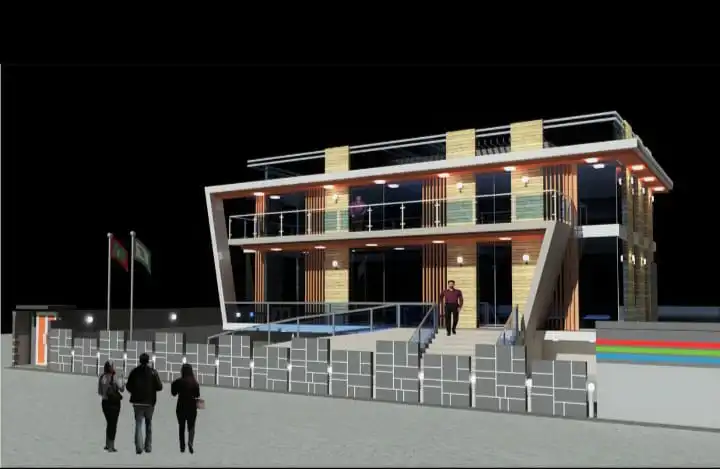
The concept of an office building commissioned by Fenaka Corporation during former President Ibrahim Mohamed Solih's administration | RaajjeMV | Raajje MV
It is frightening, however, that nobody in power now cares to hear the cries and ongoing suffering of islanders whose utility nightmares remain unresolved.
To compound this disaster, numerous community-oriented initiatives launched under previous Fenaka management, many requiring just a fraction of work to reach the finish line, have ground to a dead halt courtesy of the present administration’s lethargy and sheer incompetence.
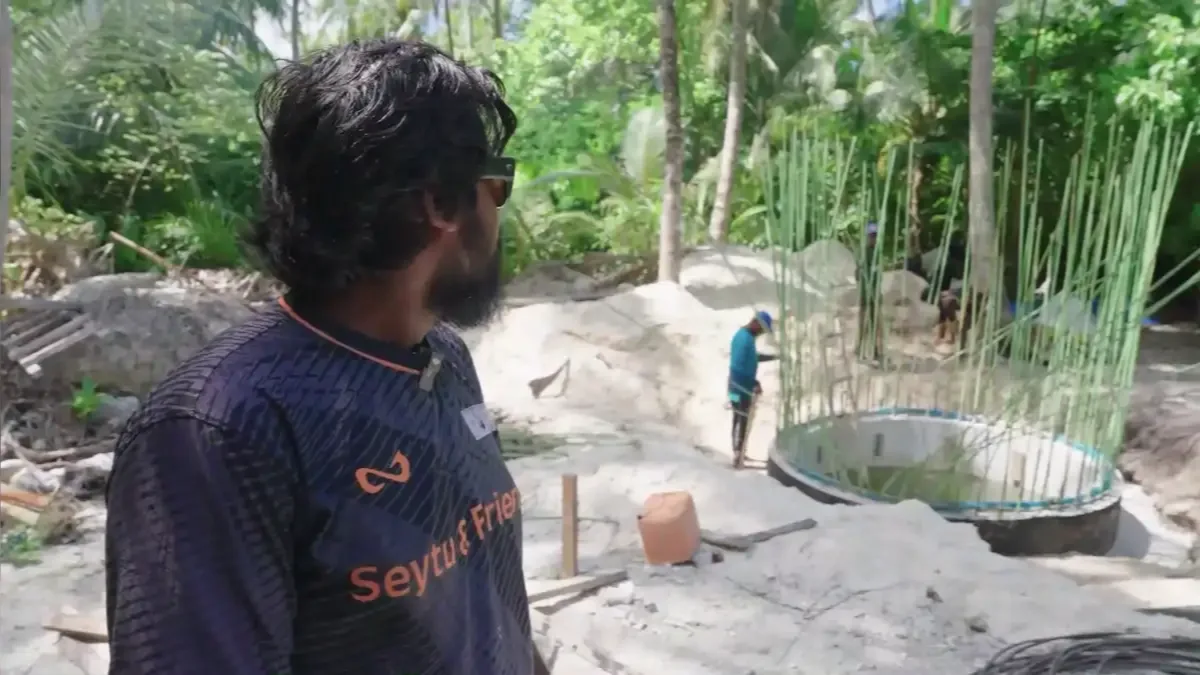
Building materials that were hauled across open water to these islands are now abandoned to rot in the elements, while reports indicate that scattered stores are being pilfered to satisfy the narrow personal interests of favored individuals.
Clinging to the fantasy that an organization which starved 32 islands of basic development for 17 straight years will suddenly transform into a benevolent savior of the entire nation is utter nonsense.
This monopolistic gambit offers nothing to the public; it simply plunges the country straight back into dark, grueling times.