Ras Malé and the shifting facades of nationalism under foreign corporate deals
13 އޮކްޓޯބަރު 2026 | އަންގާރަ 09:09The Ras Malé project has come under scrutiny due to the shifting policies of political actors regarding land allocation to foreign investors, leading to allegations that political interests are being prioritized over the national welfare. The current actions of those who once vehemently opposed the granting of land and resources to foreign entities highlight the inherent hypocrisy within the Maldivian political landscape

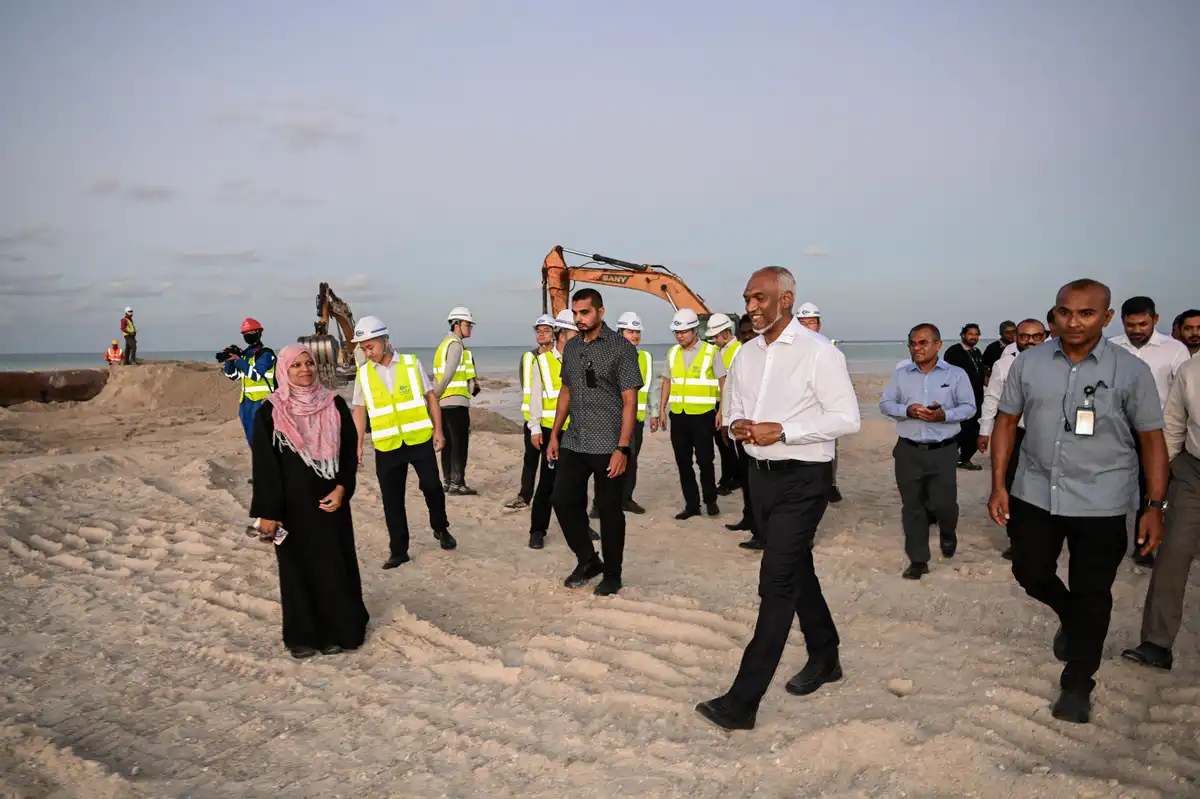
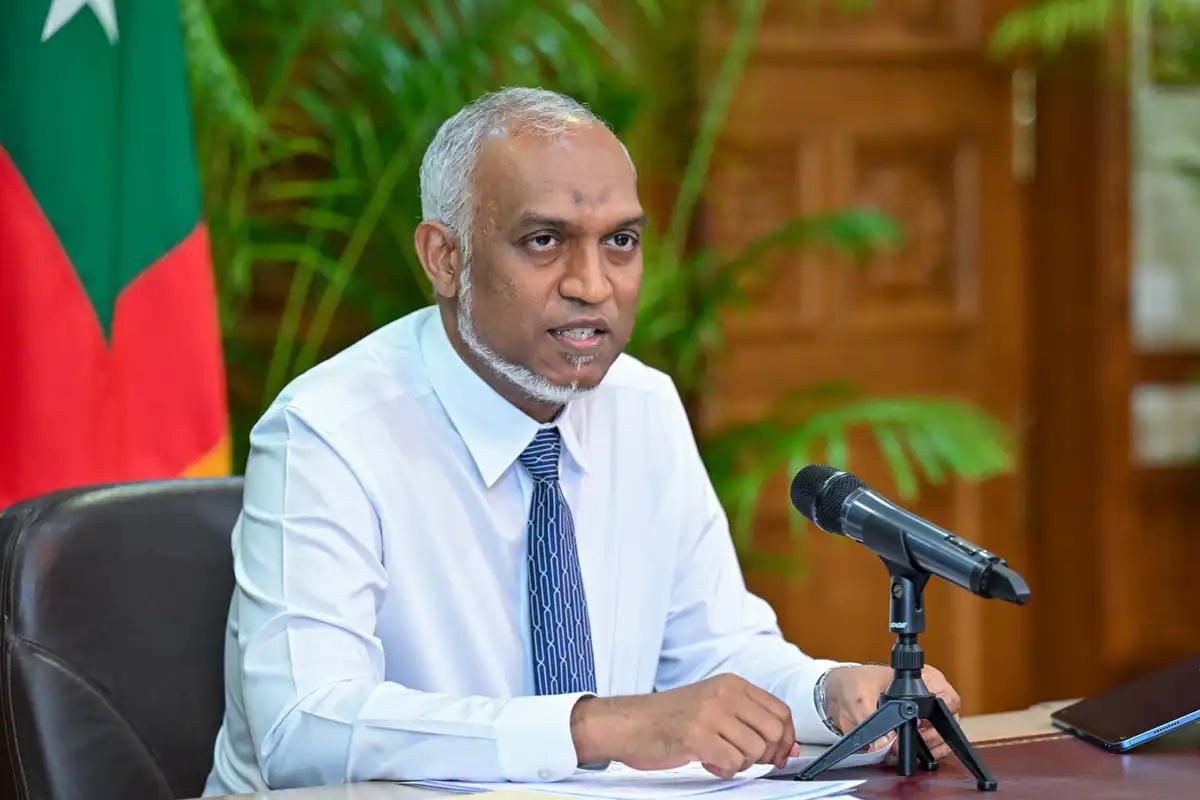
President Muizzu inspects Ras Malé reclamation | President's Office
The Maldives has long weaponized passionate political folklore regarding the sacred defense of its territorial integrity, national autonomy, and sovereignty.
However, the latest public discourse lays bare an uncomfortable reckoning over whether these fiery rallying cries stem from genuine patriotic fervor or are simply hollow, fleeting maneuvers designed for partisan expediency.
Elite handshakes and flexible morals
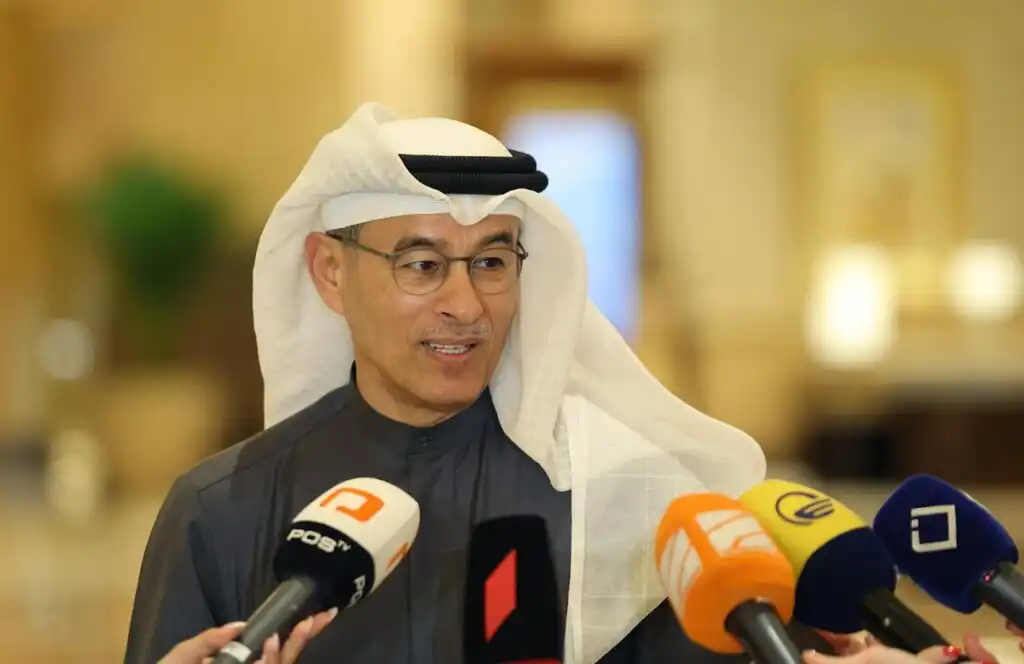
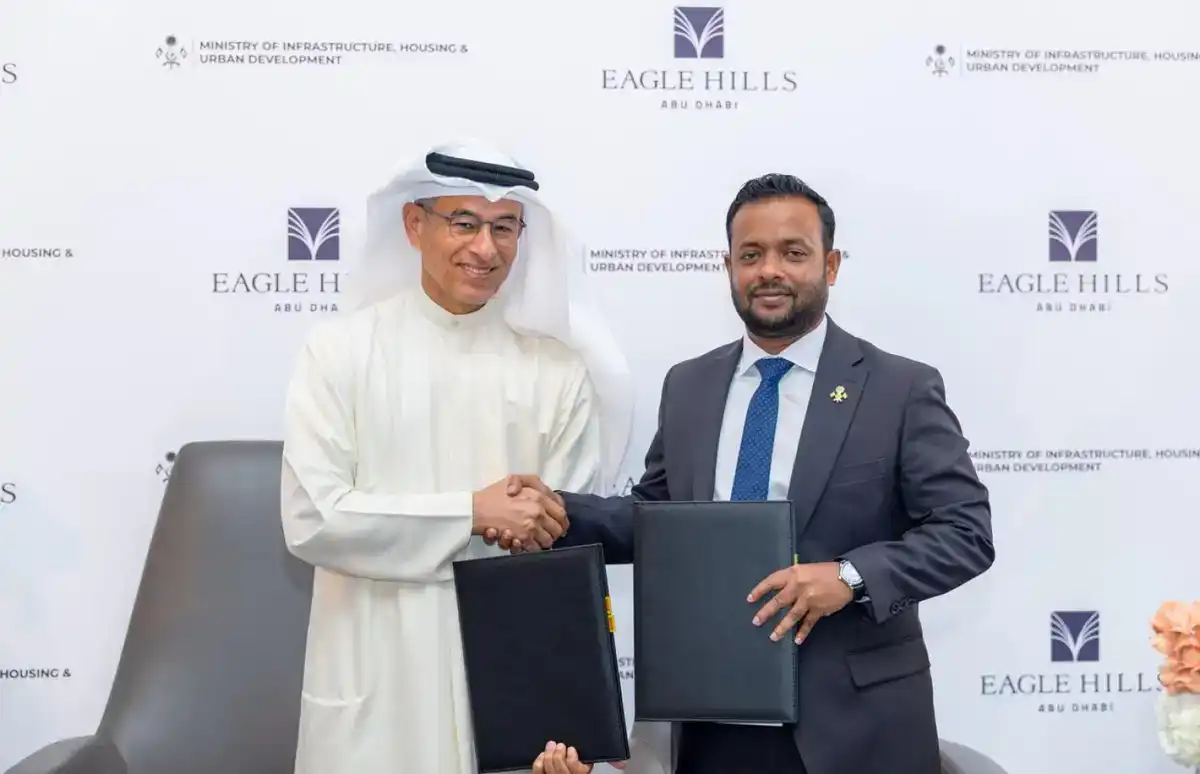
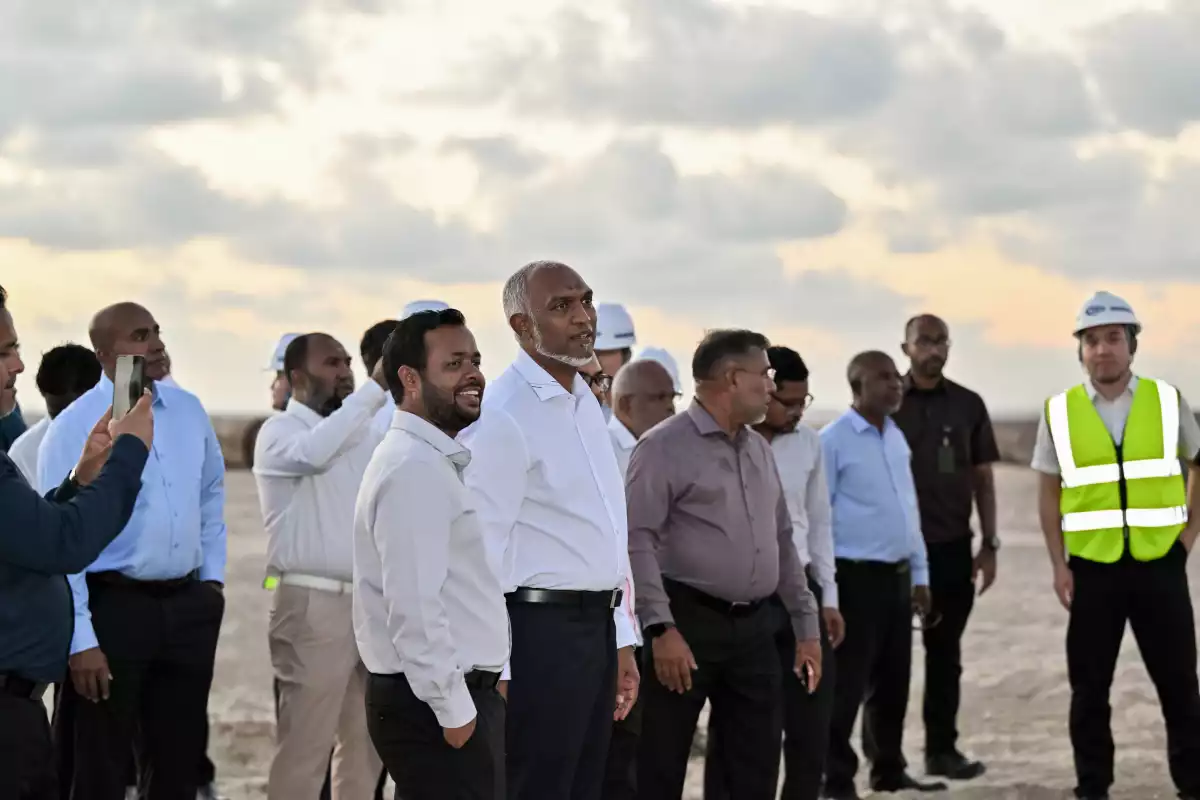
The arrival of Eagle Hills chief Mohamed Alabbar, accompanied by top-tier sessions alongside state authorities, corporate figures, and press representatives on Feydhoo Finolhu, has drawn intense public interrogation.
Spectators increasingly view the unfolding maneuvers around the Ras Malé venture as unmasking an astonishing level of insincerity woven through today's flag-waving rhetoric.
For a growing segment of the public, these occurrences simply spotlight a governance arena where accumulating wealth and cementing authority effortlessly override any adherence to steadfast principles.
The convenient amnesia of anti-lease crusaders
Such cynicism is entirely warranted. A brief look back at modern Maldivian history recalls the furious street outrage that erupted over rumors of offloading Faafu Atoll ahead of a scheduled trip by the Saudi monarch. In that same vein, a formidable political campaign once mobilized nationwide resistance against handing over Velana International Airport to GMR under a long-term concession.
Tellingly, several prominent agitators who once spearheaded those ferocious resistance drives are currently the exact champions backing extended territory giveaways to overseas billionaires behind the Ras Malé banner.
This sudden ideological pivot forces an unsettling question into the open: was the entire battle for territorial preservation ever anything more than a cynical stepping stone to power?
Vanishing ocean outrage and selective solidarity
The contradictions multiply when evaluating the very agitators who packed thoroughfares to rage against the Chagos maritime delimitation decision, shouting that the country's sovereign waters had been auctioned away.
In a bizarre turn, these identical quarters now warmly celebrate the Ras Malé undertaking. Simultaneously, while public appeals demand the shunning of foreign commercial brands in defense of Palestine, such fierce moral high grounds quietly evaporate the second substantial state undertakings and mega-projects reach the negotiating table.
This blatant double standard exposes an undeniable fracture in moral and ideological conviction.
Genuine progress requires principles over partisanship
External capital is obviously indispensable for a developing island state like the Maldives, yet safeguarding enduring national wellbeing must serve as the absolute benchmark whenever finite local assets are bargained away under the banner of progress.
Genuine self-determination and lasting growth cannot endure through short-lived political theatrics, but only through an aware, vigilant populace committed to unwavering convictions.