Shell game of state spending where firing workers means hiring more elsewhere
15 ސެޕްޓެމްބަރު 2026 | އަންގާރަ 08:25Following the announcement regarding the dissolution of several companies under the guise of cost-cutting measures, the establishment of a new entity was subsequently declared. President Muizzu has established a new company specifically tasked with securing the necessary funds and overseeing the renovation and maintenance of mosques

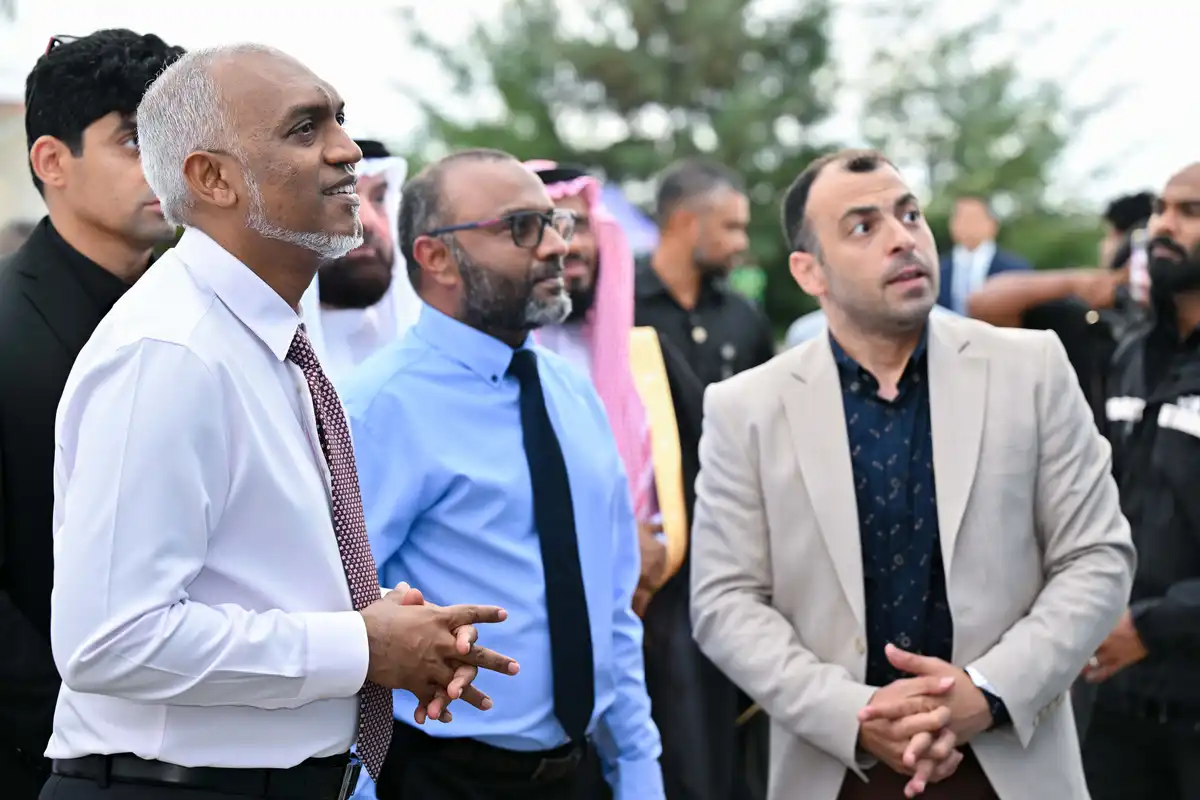
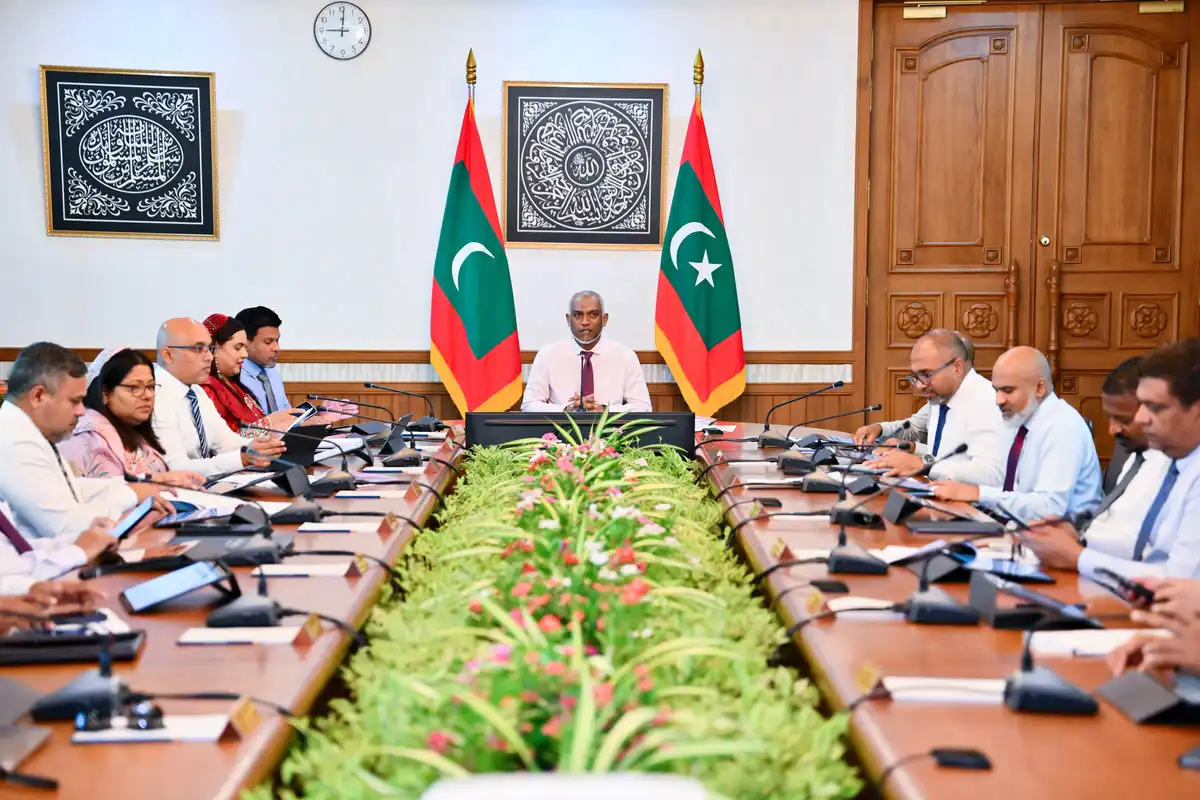
President attends the foundation stone-laying ceremony for the "Jamia al-Sultan Mohamed bin Abdullah" Mosque and the Center for Islamic Civilization | President's Office
The administration packaged its choice to disband Fenaka Corporation and the Road Development Corporation as a shrewd strategy to trim public outflows. After protracted debates, officials resolved to fold Fenaka’s duties into the State Electric Company (STELCO), whereas RDC’s obligations would be handed over to the Maldives Transport and Contracting Company (MTCC).
President Dr. Mohamed Muizzu formally declared that the driving motives behind this overhaul are curbing day-to-day running expenses and trimming the labor force across these entities.
Actions aimed at curbing spending by scrapping duplicate state operations certainly sound worthy of praise on paper. Pursuing balanced staffing counts and handling enterprises with budget discipline are similarly essential. However, actual achievement in these undertakings demands honest motives and authentic dedication to the welfare of the citizenry. The pressing dilemma remains whether the administration's following moves match these publicized ambitions.
In a contradictory twist, right after proclaiming corporate closures to conserve money, the administration revealed the founding of an entirely new public firm. President Muizzu has set up a corporate entity solely tasked with handling the financing and upkeep of places of worship. In the past, sustaining mosques across the capital city and the regional islands fell under the jurisdiction of island and municipal councils.
Does engineering a central public corporation to handle mosque upkeep and disperse funds not unavoidably drive up public spending?
Taking on a fresh layer of executive leadership alongside an entirely new batch of hires for this venture places another financial strain on public coffers. Beyond the expense, anxieties emerge that this outfit might simply operate as an instrument for political favoritism, dishing out government positions straight to backers of the governing regime.
Can inventing multiple new corporate bodies under alternate labels honestly pass for reducing expenses while simultaneously championing the elimination of existing entities?
A glaring gulf exists between what the administration preaches and what it actually executes. This contradiction points to an absence of honest commitment toward realizing true economic discipline.
If a standalone corporate machinery is deemed essential for running prayer spaces today, which corner of public life will witness the arrival of yet another state firm tomorrow?
Further, stripping away obligations that traditionally belonged to community councils and handing them over to a national enterprise hardly reflects loyalty to the decentralized framework.
Should this pattern persist, will authorities eventually concoct specialized corporate bodies to process birth records or authorize civilian names?
The trajectory suggests that virtually every task presently managed by city and local authorities could ultimately be swept into fresh state-run companies.