Committee of the Whole House passes bill to end practice of collecting taxes exclusively from registered businesses
18 އޯގަސްޓު 2026 | އަންގާރަ 08:50A parliamentary committee has approved an amendment to the tax law enabling the collection of GST from foreign booking platforms and travel agents providing services in the Maldives. Under this "destination principle" approach, inbound tourism products sold by overseas entities without a permanent local establishment will now be subject to taxation.


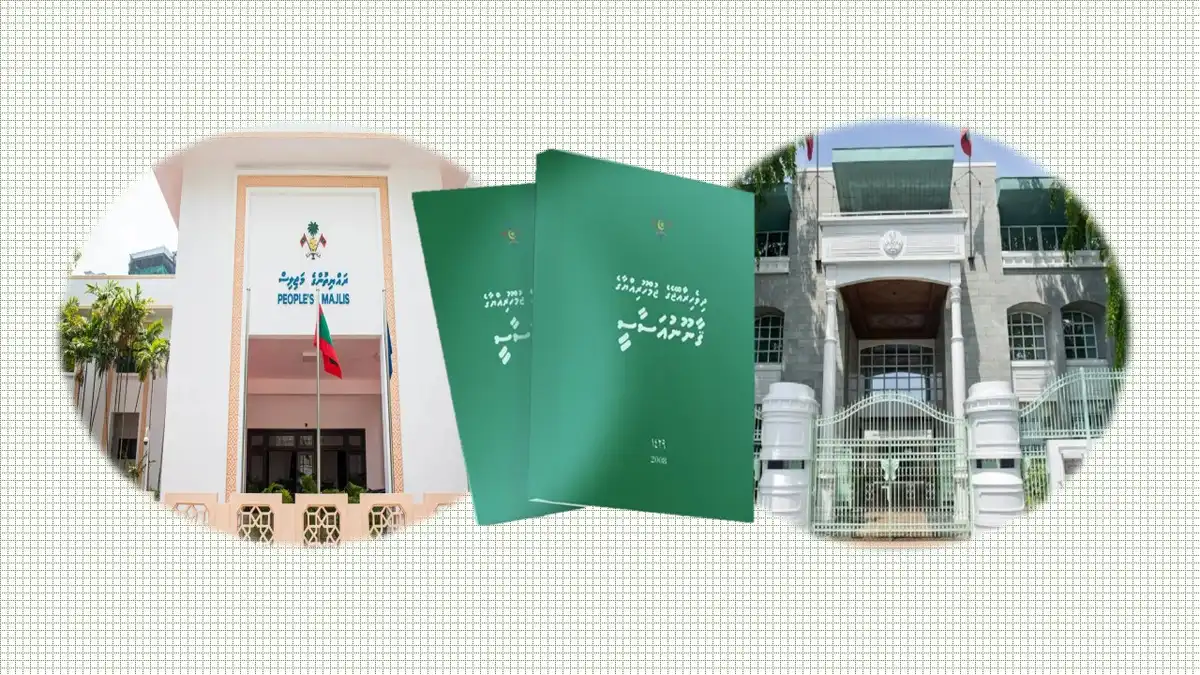
The People's Majlis of the Maldives. | RaajjeMV
The Whole House Committee of the People’s Majlis has approved a legislative amendment to mandate the collection of Goods and Services Tax (GST) on all goods and services provided within the Maldives. This move effectively ends the previous exemption where tax obligations were limited solely to businesses registered in the country.
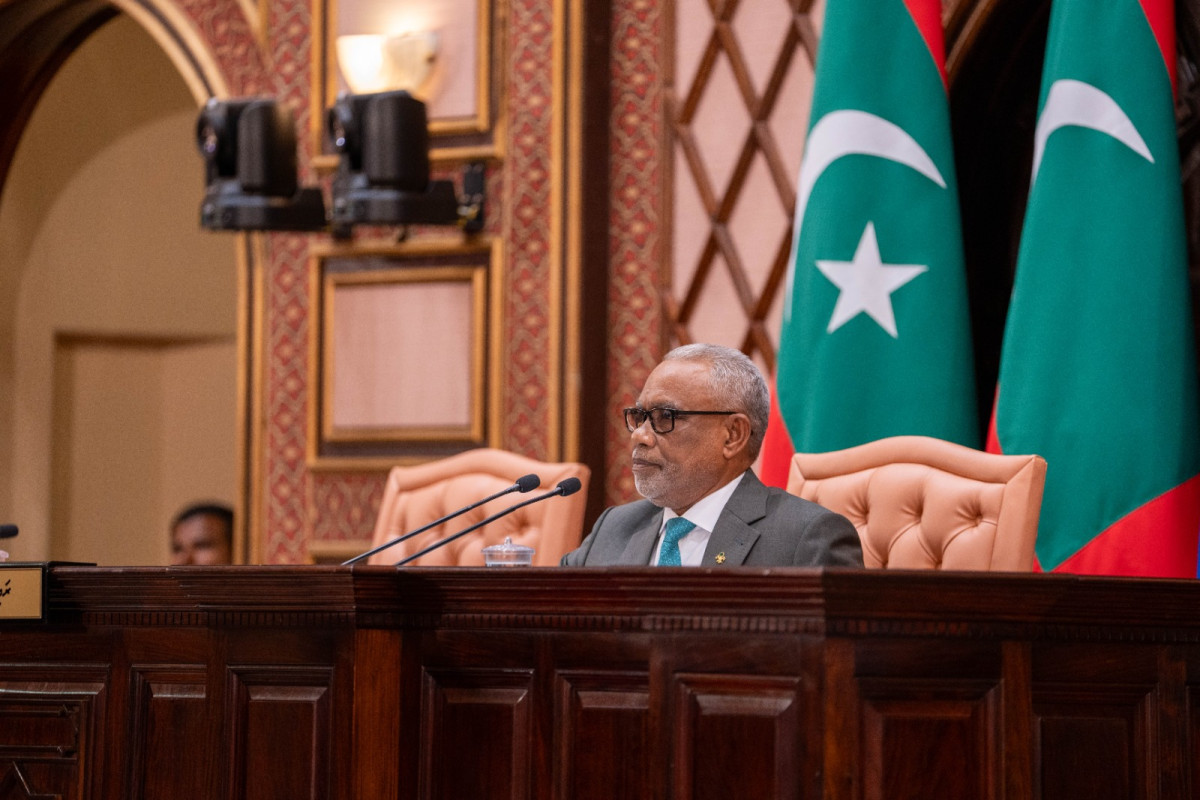
The Whole House Committee on Tuesday approved a government-sponsored bill to amend the Goods and Services Tax (GST) Act. The amendment, introduced by Kulhudhuffushi North MP Mohamed Dawood, passed with a majority of 64 votes from the members present.
The bill proposes an amendment to the existing law, which currently stipulates that GST is levied only on goods sold within the Maldives. The proposed change seeks to broaden this scope, ensuring that GST is applied to both goods and services provided within the country. Furthermore, the bill aims to revise the provision that restricts the collection of GST to goods sold by businesses physically operating in the Maldives. This amendment is intended to remove the current limitation that applies these tax obligations exclusively to local businesses.
The primary objective of this bill is to establish a legal framework for levying GST on services provided by offshore booking platforms, foreign tour operators, and travel agents. The bill further states that a key purpose of this amendment is to implement the "destination principle" in the Maldives, a standard practice in global taxation. This principle dictates that services should be taxed in the country where they are consumed or utilized.
The bill outlines amendments to the law aimed at taxing foreign tourism businesses, providing a clear definition of goods and services supplied within the Maldives. Furthermore, the legislation specifies the types of business activities that will be subject to taxation.
Furthermore, the regulations have been amended to include inbound tourism products provided by entities without a permanent place of business in the Maldives under the scope of tourism goods and services. It also provides a detailed definition of "charter" specifically targeting charter trips sold by safari vessels.