Rising prices are a result of government's policy changes, not significant increases in freight costs: Amru
14 އޯގަސްޓު 2026 | ހުކުރު 20:54Former STO Managing Director Hussain Amru has stated that the rising cost of goods is a direct consequence of government policy changes rather than foreign conflicts or fluctuations in freight charges. Expressing concern over the soaring prices of food items in the local market, Amru noted that these hikes are occurring despite a global decline in oil prices.


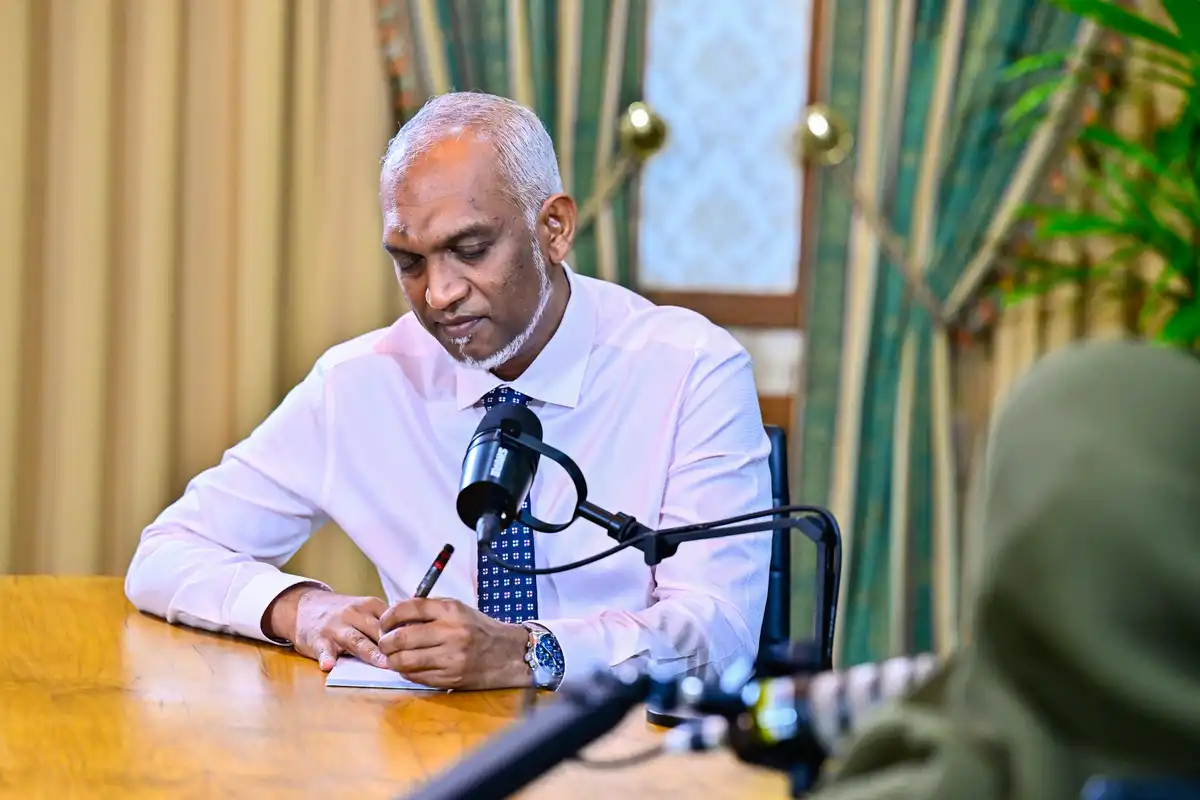
Former STO Managing Director Hussain Amru speaking on RaajjeTV's "TV Talk" program. | Raajje MV
Former Managing Director of STO, Hussain Amru, has stated that the rising cost of goods is driven by the current administration's policy changes rather than an actual surge in freight charges.
Speaking on RaajjeTV’s "TV Talk" program, Amru stated that the administration of President Dr. Mohamed Muizzu is struggling with management issues that are unrelated to the ongoing conflict in the Middle East. He further noted that the rising cost of goods is not a result of increased freight charges.
Highlighting the surge in freight costs during the Russia-Ukraine war, Amru noted that containers imported to the Maldives typically carry a vast variety of goods. He explained that when the total increase in freight charges is distributed across these individual items, the resulting price hike per unit remains relatively marginal.
Approximately six months ago, a kilogram of chicken was available for 40 Rufiyaa; today, that same kilogram has risen to nearly 70 Rufiyaa. Prices are skyrocketing across the board. For instance, the price of a jar of Nescafe coffee has increased by 50 Rufiyaa, and we all know this is not due to freight costs. In reality, this is a situation of their own making. The ultimate consequence of the changes they are making to policies is that the burden is being felt directly by the citizens.Hussain Amru
Amru further stated that, in response to the challenges posed by the war in Ukraine and the COVID-19 pandemic, the Maldives negotiated with fuel suppliers to extend payment terms to nine months. He noted that the government is currently settling payments for fuel purchased nine months ago. Additionally, Amru highlighted that global oil prices, which had spiked due to the war, have now eased to approximately $80 per barrel.