Government administrative costs soar as debate emerges over establishing a bicameral legislature
2 އޯގަސްޓު 2026 | އާދީއްތަ 09:17President Dr. Muizzu has announced plans to establish an expert "Advisory Council" and a technical "National Council" by the end of November to provide guidance on various government matters. While the President stated that the formation of these councils—expected to comprise over 100 members—would be finalized within three months, the move comes at a time when state administrative expenditures have already reached record highs.
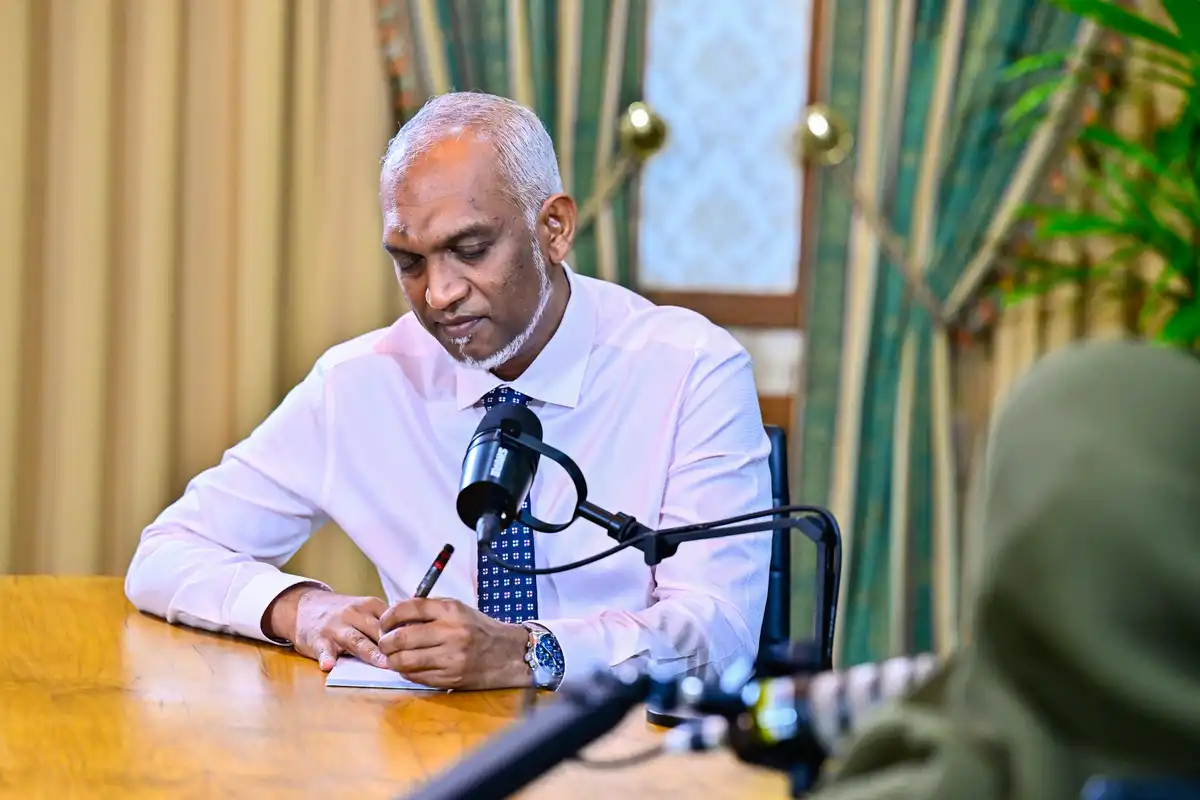
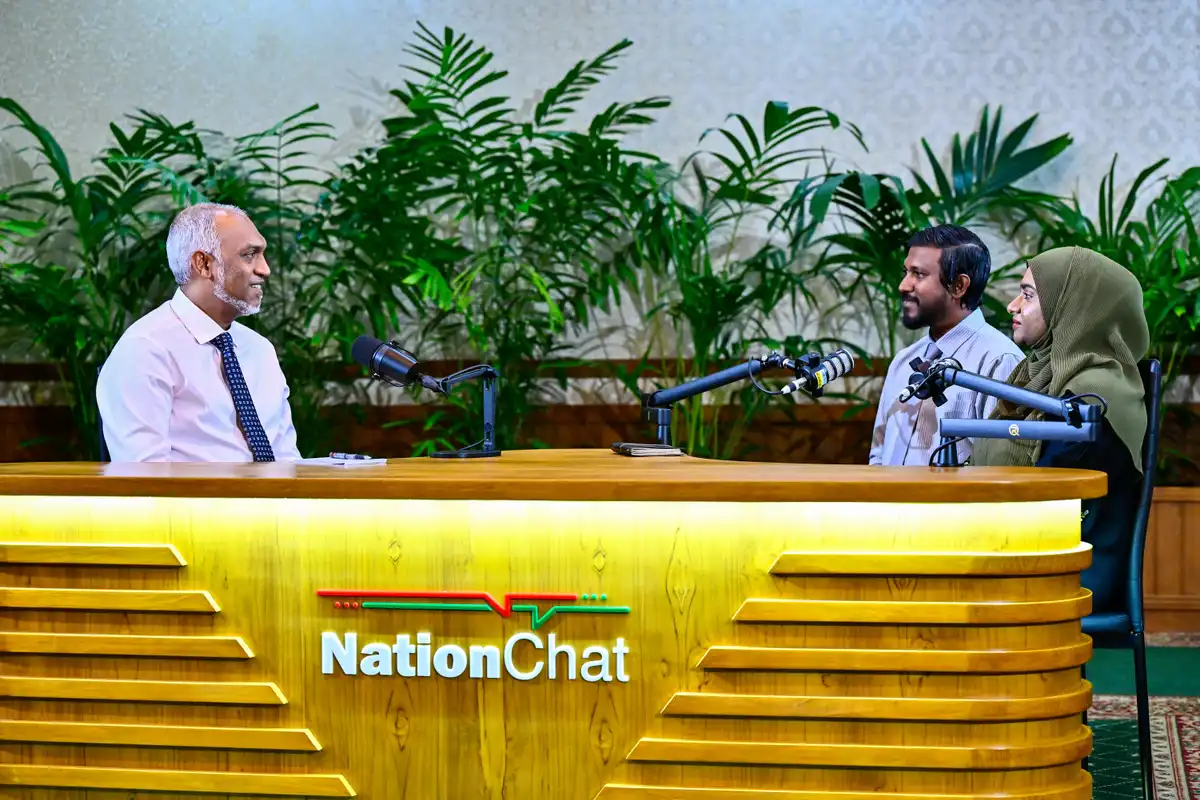
NationChat: President Muizzu to feature in Episode 3. | President's Office
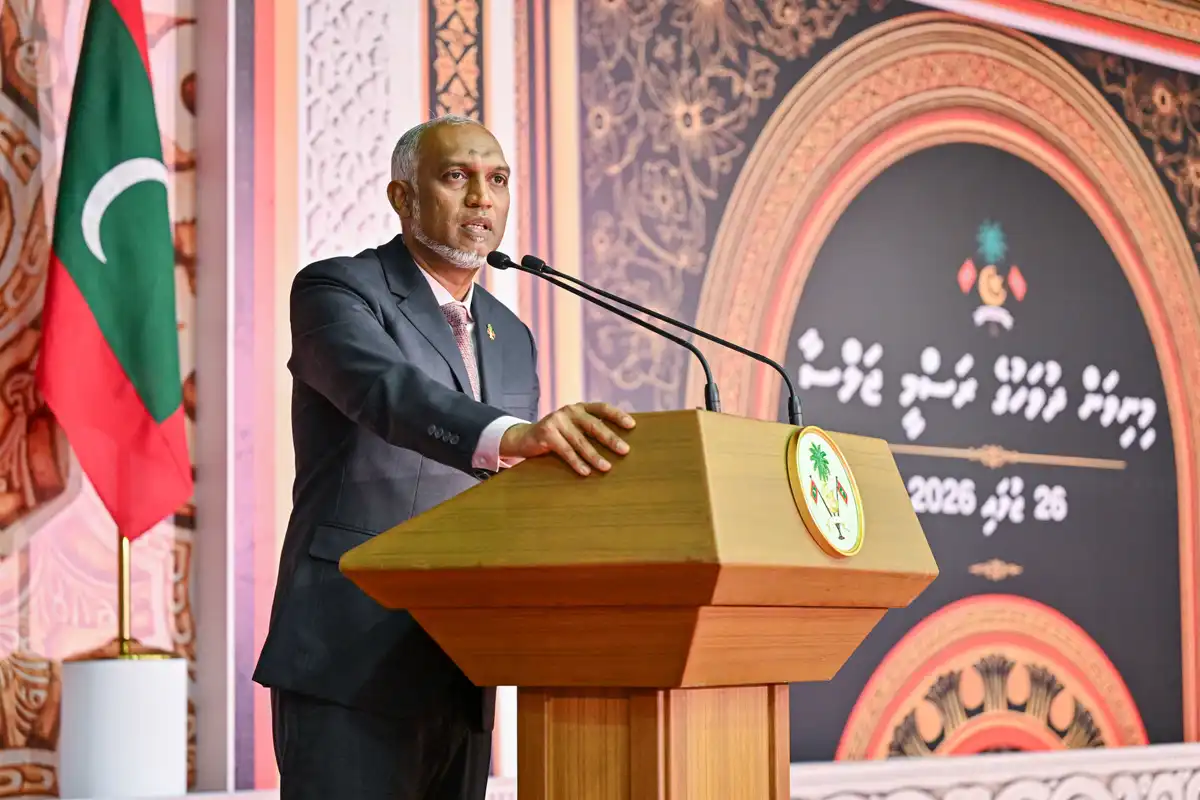
As Ministry of Finance figures reveal a drastic surge in government administrative expenditure, President Dr. Mohamed Muizzu has announced and detailed a plan to restructure the legislature into a "small house" and a "large house."
"God willing, we are establishing two separate houses," the President stated during the "Nation Chat" program broadcast by Public Service Media.
President Muizzu stated that the Senate comprises the most dedicated and longest-serving members of the party.
"There are many individuals who have served in high-ranking state positions for many years and still wish to contribute their voices and share their insights on national affairs. Therefore, God willing, we are establishing a consultative council composed of such experienced figures."
President Muizzu stated that this mechanism would facilitate a system where former presidents can offer counsel when requested, while also allowing them to proactively provide guidance on government affairs, state matters, administrative systems, and any other national issues.
Muizzu stated that the second parliament would be a grand assembly.
"The second chamber will be a national assembly composed of a broader representation of experts from all sectors—individuals who are highly educated and possess extensive professional and service-oriented experience," Muizzu stated.
Muizzu stated that the number of members in the parliament could range "between one hundred and one hundred and fifty."
"For instance, if we look at the healthcare sector, it is an incredibly broad field. It encompasses various specializations, including public health, clinical medicine, nursing, and food safety, among others. Similarly, the education sector includes higher education, primary teaching, and several other distinct branches. There are also various economic sectors to consider. When we look at all the professional fields across the entire nation, if we were to create a comprehensive pool, it would exceed one hundred categories. It could likely range between one hundred and one hundred and fifty."
President Muizzu stated that the purpose of this council is to establish a national advisory body composed of the "cream of the crop"—the most educated and experienced experts. This council is intended to systematically debate and deliberate on national issues, submit policy papers, and provide strategic counsel on various matters.
The President stated that the members could take the initiative to submit proposals, and that both the government and other state institutions could also seek their counsel.
The documentation for establishing the councils has been finalized, and all necessary administrative and procedural requirements have been completed. The process of forming such a body is expected to be concluded within a maximum of three months.
"God willing, these two councils will be established by November," Muizzu stated.
The President's remarks regarding the establishment of additional councils to provide him with counsel, along with the necessary administrative frameworks, come at a time when state administrative costs have escalated significantly. By the end of June, total expenditure reached MVR 34.2 billion, representing a substantial 44.5 percent increase compared to the MVR 19 billion spent during the same period in 2023. Against this backdrop, a report released by the Ministry of Finance and Public Enterprises detailing the nation's fiscal health shows that recurrent expenditure stood at MVR 20.8 billion. Furthermore, the state budget recorded a deficit of MVR 1.3 billion by the end of June.