No physical barriers to introducing e-voting: EC President
12 ޖުލައި 2026 | އާދީއްތަ 20:43The Elections Commission has stated that legal reforms and public awareness initiatives are essential prerequisites for the introduction of e-voting. Amidst significant political skepticism surrounding the system, the Commission is prioritizing the establishment of public trust, emphasizing that the transition will only proceed once the citizenry is fully prepared for the change.


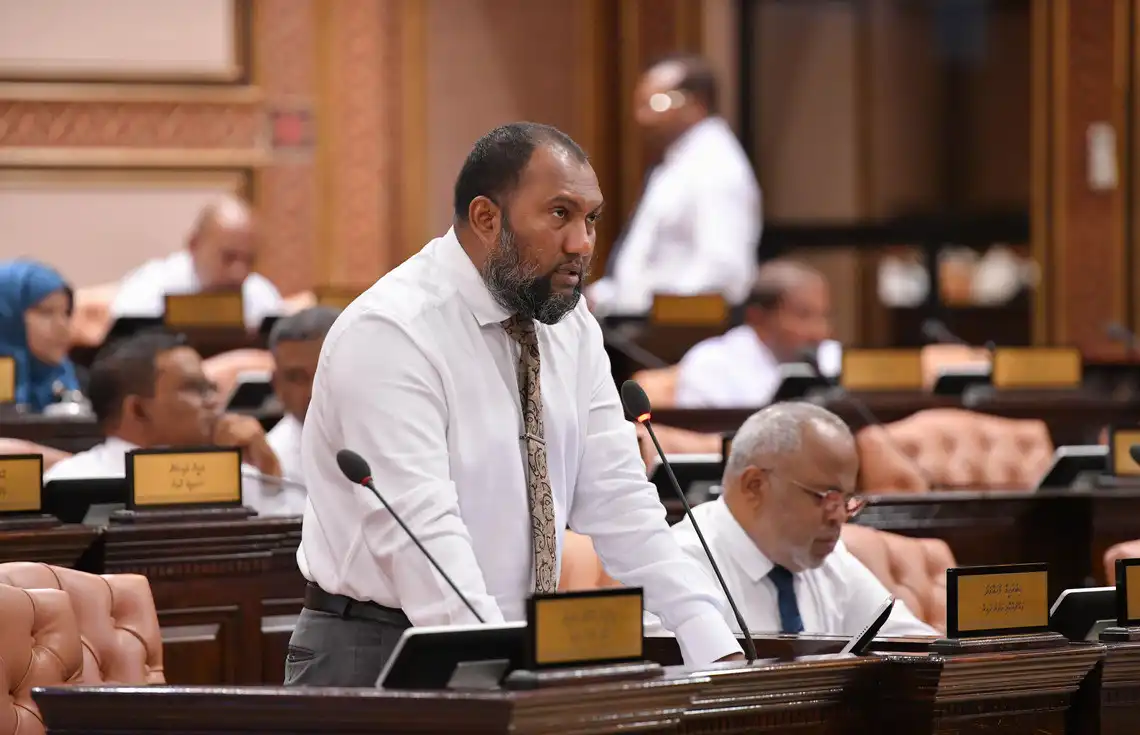
Mohamed Shakeel was appointed as a member of the Elections Commission on June 24, 2026. | President's Office
The President of the Elections Commission, Mohamed Shakeel, has stated that there are no physical barriers to implementing an electronic voting system, or e-voting, in the country.
Speaking on state media, Shakeel noted that various concerns have been raised regarding the e-voting system at different times. He pointed out that allegations such as potential vote tampering are often discussed, which is why it is essential to raise public awareness on the matter.
The President of the Elections Commission has stated that the introduction of an e-voting system is achievable through legislative amendments. However, he noted that the primary focus will be on raising public awareness, after which the system can be implemented.
Physically, there are no obstacles preventing us from doing this. However, it can only be implemented in a sustainable manner once the public has been sufficiently sensitized and they express their readiness for it.President of the Elections Commission, Mohamed Shakeel
These discussions emerge at a time of significant political debate surrounding the implementation of an e-voting system. In this regard, opposition Maldivian Democratic Party (MDP) lawmakers have alleged that the "Maldives 2.0 Digital Transformation" bill, currently before Parliament, is part of a secret government agenda to introduce e-voting and facilitate electoral fraud.
Furthermore, serious allegations have surfaced suggesting that the appointment of a high-ranking PNC official as the President of the Elections Commission was specifically intended to facilitate such actions.
Although e-voting systems are utilized in many countries worldwide, many observers emphasize that the introduction of such a system necessitates ensuring the right to a secret ballot, verifying the integrity of the process, maintaining robust cybersecurity, and securing public trust.