We vote digitally, we eat digitally, and we drink digitally; we have entered a new era: Ibrahim Mohamed
22 ޖޫން 2026 | ހޯމަ 11:16MP for North Machangolhi Ibrahim Mohamed has described the government-proposed "Maldives 2.0 Digital Transformation" bill as a fundamental necessity for national development and the acceleration of public services. Highlighting that the legislation will save labor hours and provide systematic efficiencies for both civil servants and the general public, the MP noted that this is a crucial step for the country's future as essential sectors such as banking and healthcare continue to undergo digital integration.

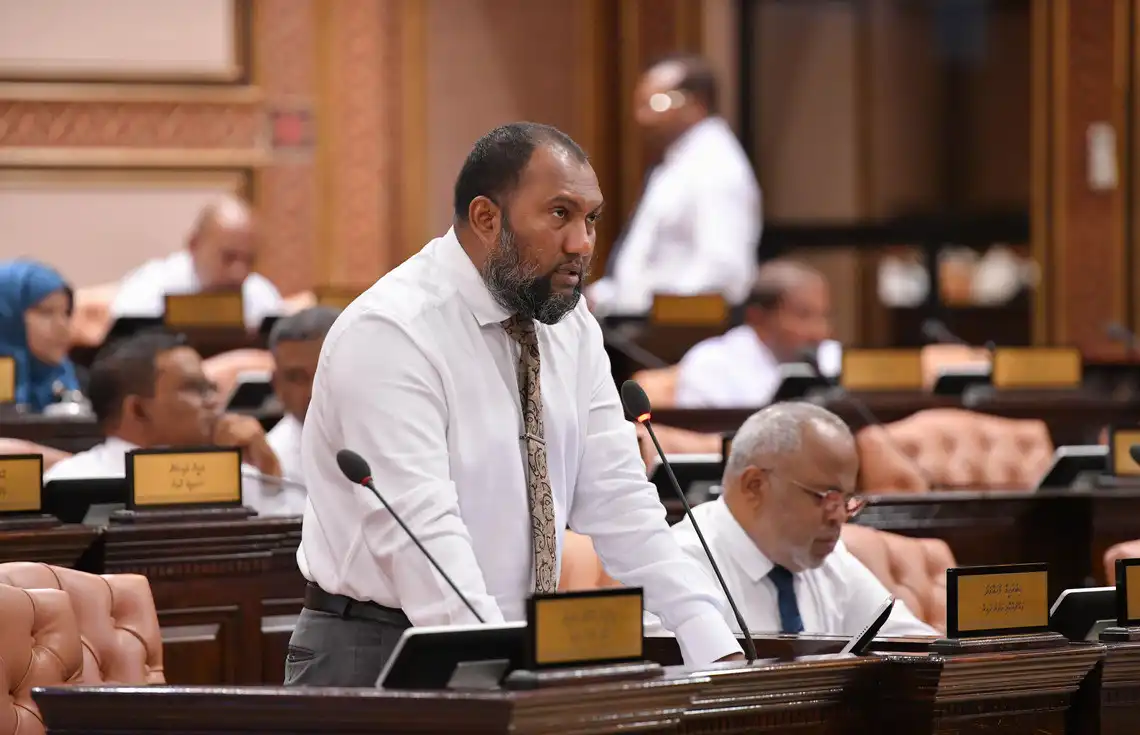
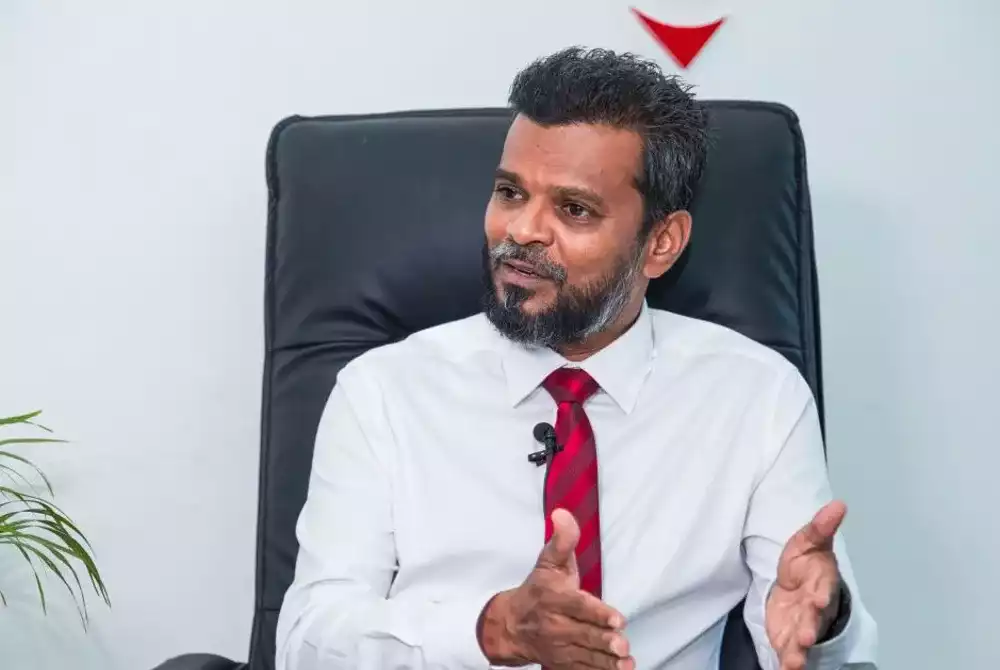
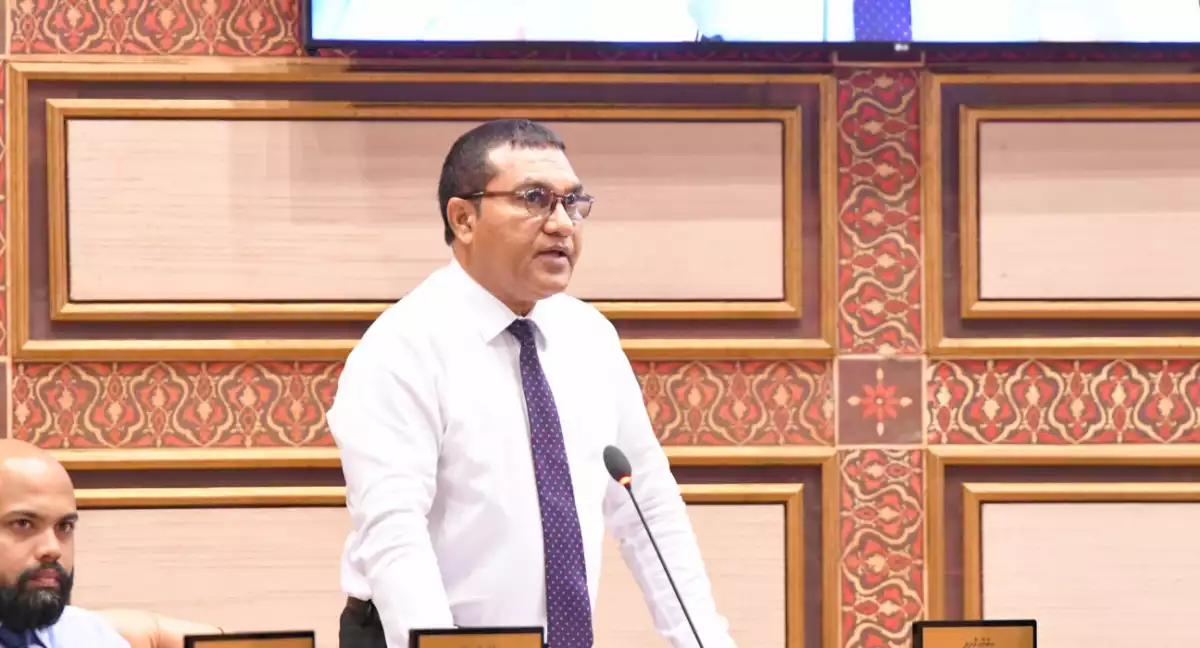
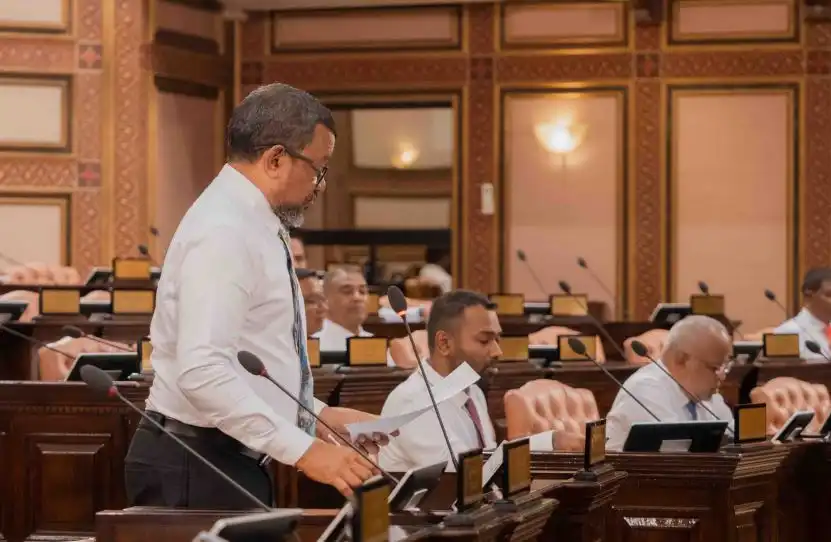
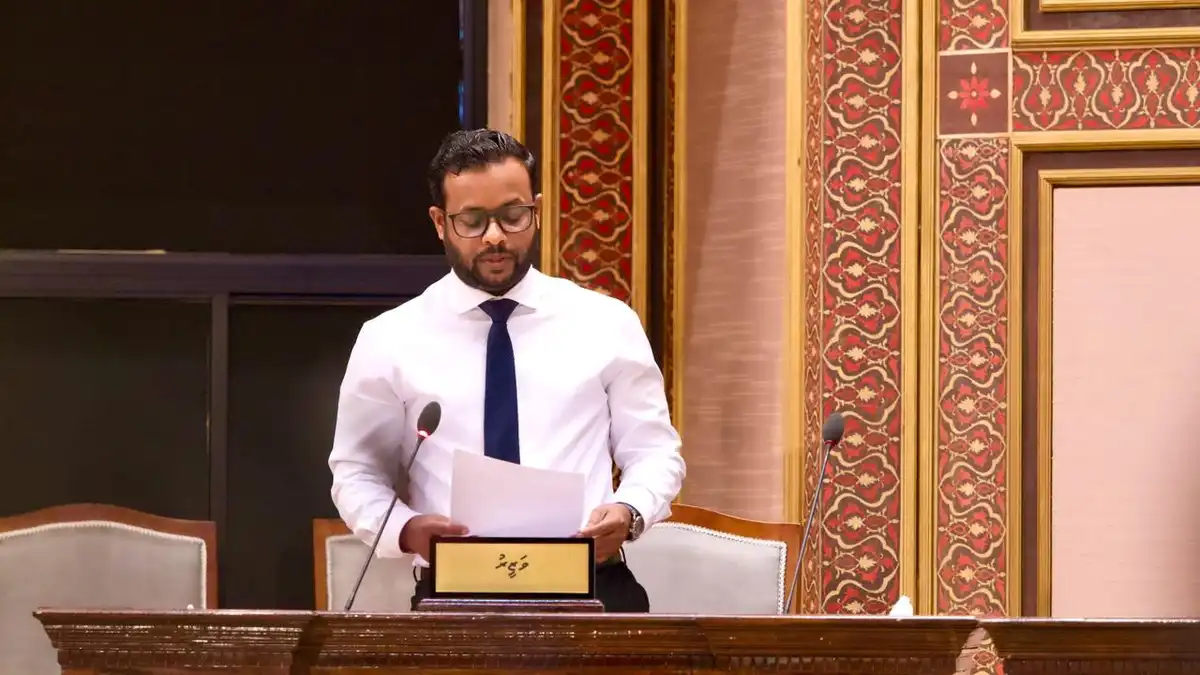
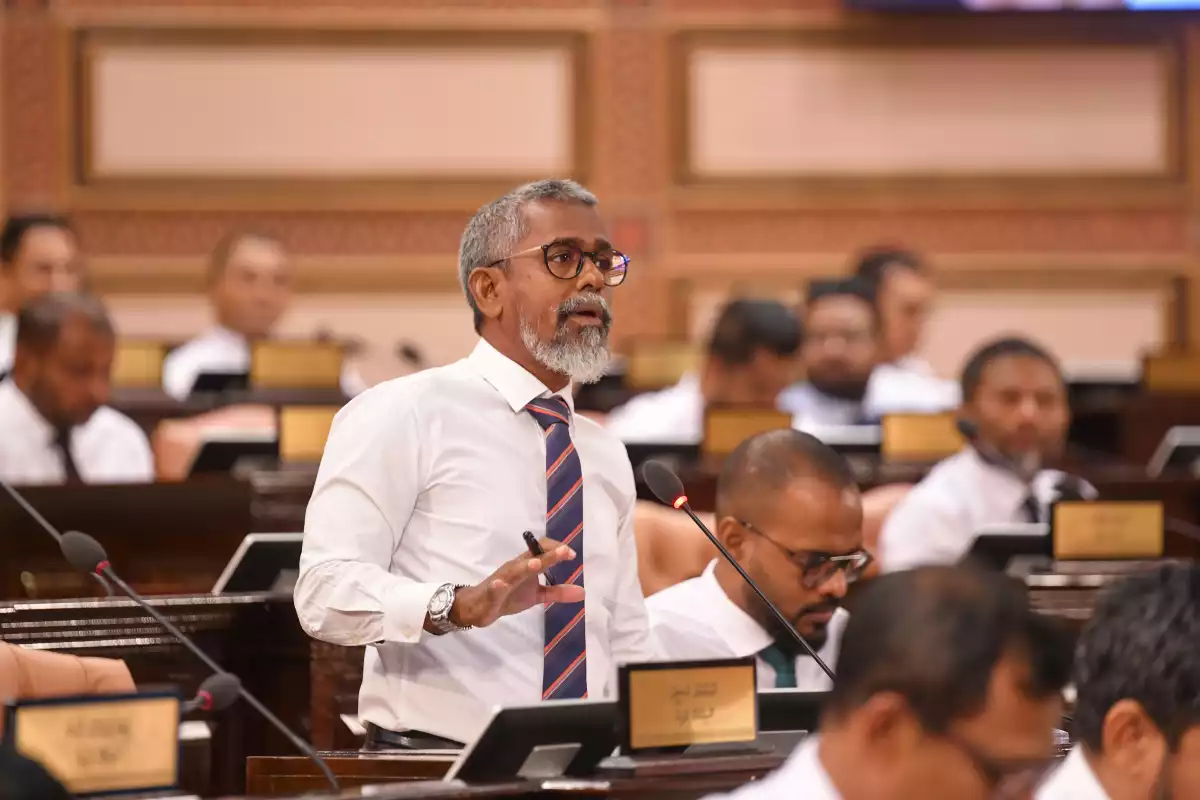
Ibrahim Mohamed, Member of Parliament for the North Machangolhi constituency. | People's Majlis
Ibrahim Mohamed, the Member of Parliament for the North Machangolhi constituency, has stated that digital technology has become integral to the lives of Maldivians, noting that it now facilitates everything from parliamentary voting to the way citizens consume food and beverages.
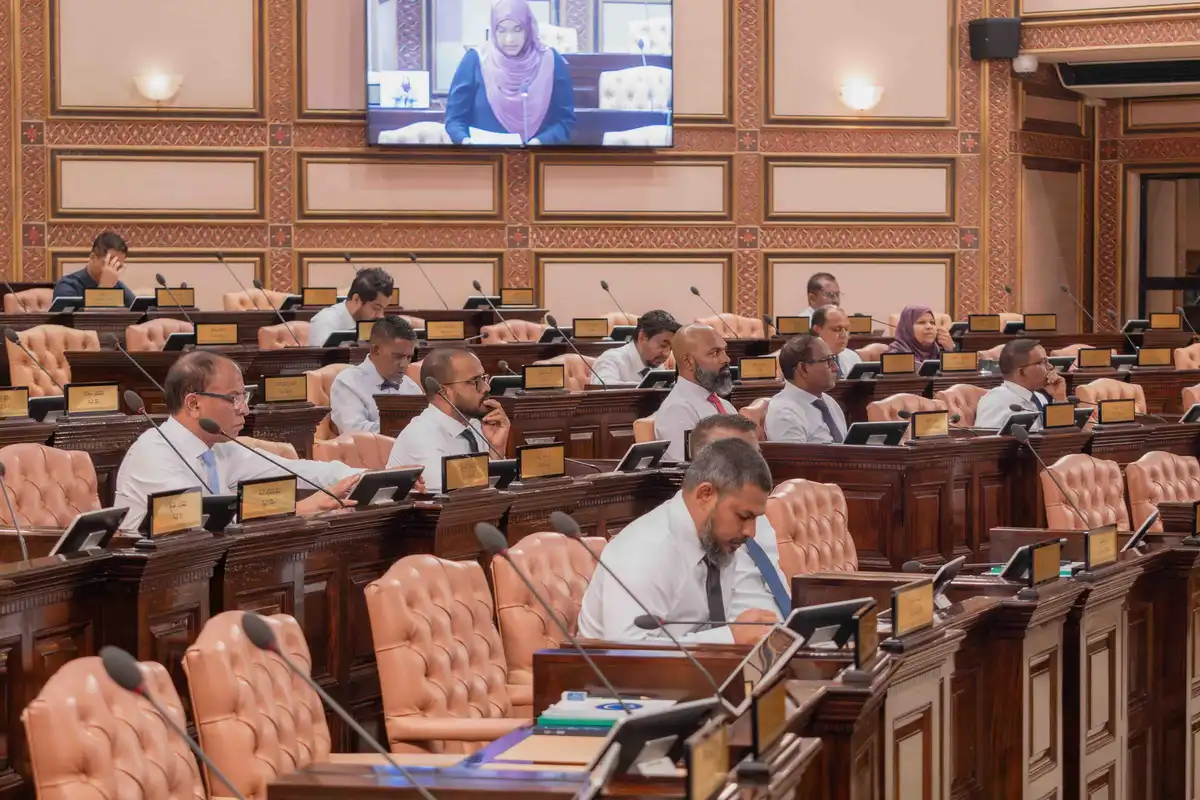
During Monday's Parliament sitting, debate continued on the "Maldives 2.0 Digital Transformation Bill," introduced on behalf of the government by Gadhdhoo MP Mohamed Ali. Contributing to the debate, the MP noted that the majority of activities in the Maldives are now conducted via various digital platforms. He highlighted that this digital shift spans from financial transfers to the payment of utility bills.
The member alleged that representatives from the opposition MDP are advocating for digital voting solely to undermine the bill's core objectives. However, the member noted that there is no reason why such a system could not be implemented, asserting that there is no fundamental obstacle to transitioning to a digital or e-voting framework.
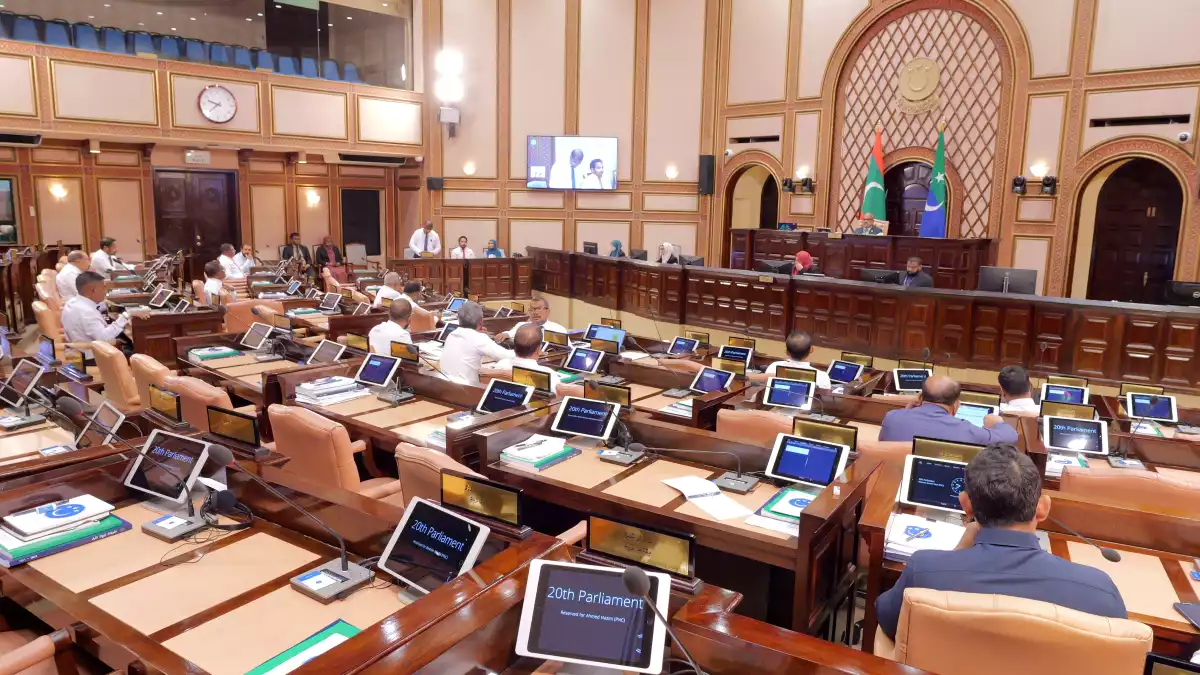
For instance, numerous sectors are already providing services digitally. Within the banking system, international transfers are conducted digitally. Peer-to-peer transfers are handled digitally. Similarly, loan applications are processed digitally. In terms of governance, tax payments are made digitally. In healthcare, doctor consultations are managed digitally. It is baffling that there is such a lack of understanding regarding digitalization. This bill is currently a fundamental necessity for the Maldives. Every Member of Parliament has a digital screen in front of them, which we use to view information digitally. We cast our votes digitally. We consume and live through digital means. We have entered a different era. Therefore, we must bring development to the Maldives and empower our youth. It is concerning that the MDP repeatedly speaks against this, distorting the bill's objectives and misrepresenting its core concepts.Ibrahim Mohamed, Member of Parliament for the North Machangolhi constituency.
The member stated that this bill is of great significance to the public today and is particularly vital for the nation. He further noted that once the bill is passed, it would reduce current eight-hour workloads by three hours. He explained that this would allow the state to restructure civil service working hours to a five-hour workday. The member emphasized that this transition would facilitate ease for many and noted that such efficiency is the primary objective of digitalization.
The member emphasized the significance of this bill, particularly in light of the current developmental trajectory of the Maldives. He noted that the legislation offers numerous intangible and meaningful benefits, serving as a fundamental framework essential for conducting operations through a structured and systematic approach.