Administration treating Maldivians as dependents through handouts: Zariyand
23 ޖޫން 2026 | އަންގާރަ 12:18Financial expert Ismail Zariyand has expressed serious concern over the government’s practice of awarding major projects to specific parties without a competitive bidding process. He highlighted that assigning smaller tasks to large corporations deprives local businesses of opportunities and stifles public productivity. Furthermore, Zariyand warned that attempting to fund initiatives by printing money without considering economic realities could lead the Maldives toward national bankruptcy.


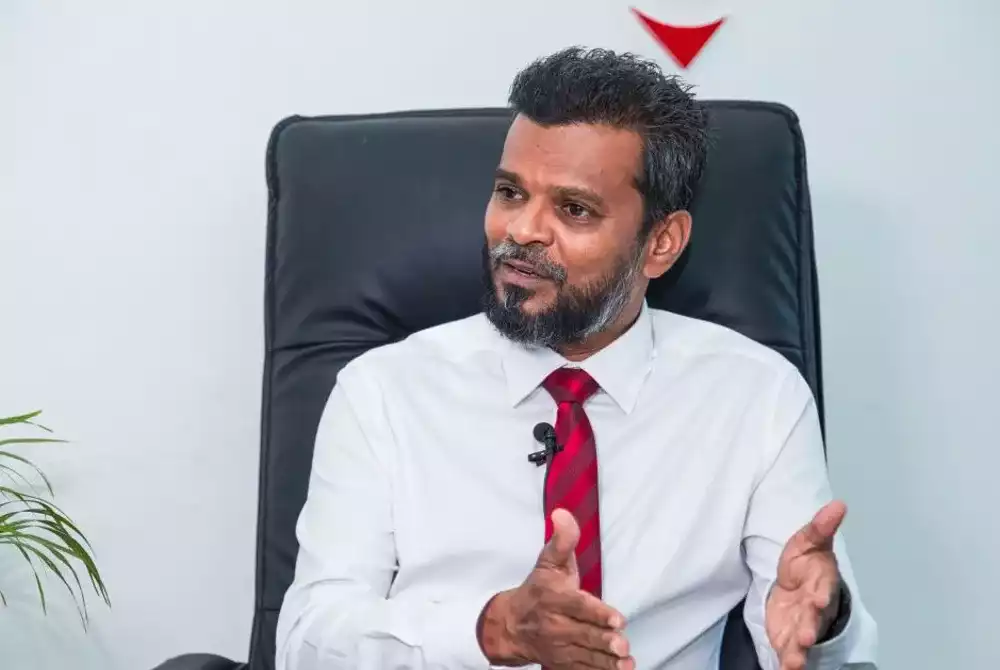
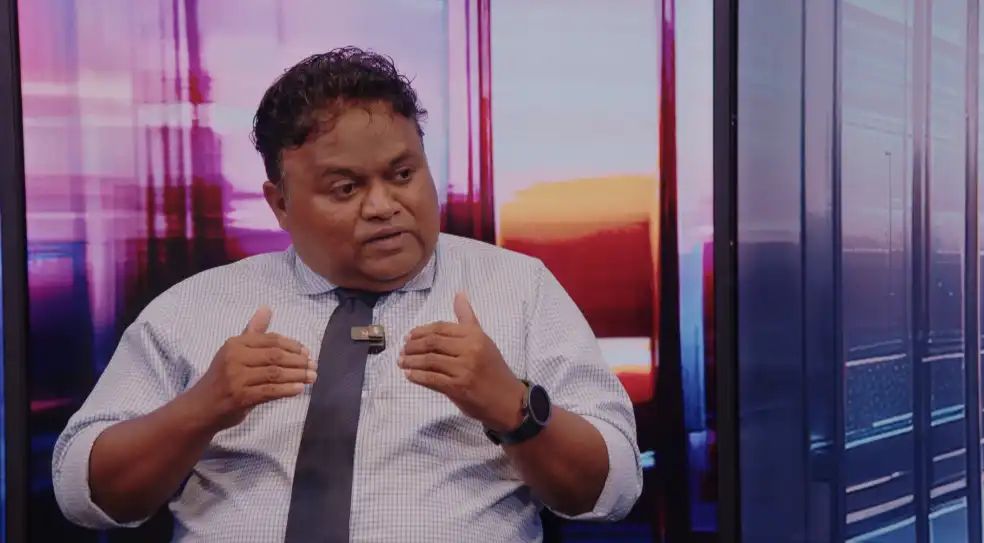
Ismail Zariyand, an expert in the financial sector. | RaajjeMV
Financial expert Ismail Zariyand has stated that President Dr. Mohamed Muizzu’s administration seeks to control the Maldivian people as if they were livestock in a pen, being fed scraps of leaves to keep them subservient.
Speaking on RaajjeTV’s 'Fala Surukhee' program, Zariyand stated that the current administration is leading the country into a period of public enslavement. He asserted that individuals no longer have the opportunity to conduct independent work under this government, noting that 2.5 billion Rufiyaa was recently distributed solely to businesses favored by the administration.
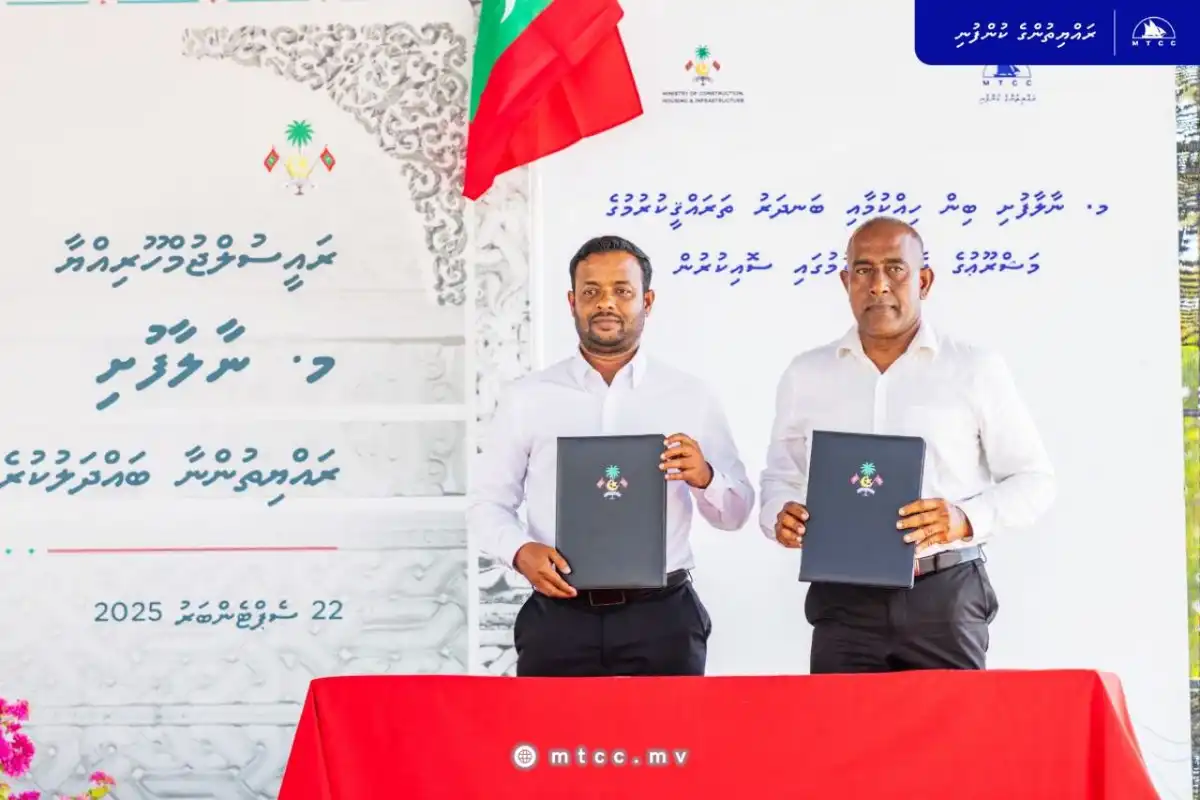
However, he noted that there is currently no word on these projects, while the government has awarded 2.5 billion MVR worth of projects to preferred parties without any competitive bidding. Zariyand further stated that tasks such as classroom construction, which could be handled by ordinary construction firms, are now being assigned to major corporations like MTCC.
The government lacks any clear direction, and I believe they are acting with full knowledge and intent. When large corporations begin undertaking minor projects such as constructing small classrooms and toilet blocks, it strips away opportunities from the local companies operating within the Maldivian construction industry. Last October, the Maldives Monetary Authority (MMA) issued regulations concerning bank loans for residential flat construction. Following the introduction of these regulations, the Bank of Maldives (BML) established a subsidiary company. Subsequently, BML decided to limit participation to just three specific firms—RCC and two others—effectively restricting these opportunities to their preferred selection of companies.Ismail Zariyand, an expert in the financial sector.
Zariyand stated that projects are being awarded specifically to provide financial gain to government supporters, noting that an initial 2.5 billion Rufiyaa was distributed. He further highlighted that a specific regulation was subsequently formulated, under which contracts for flat construction were awarded to RCC and two other companies handpicked by the government.
Zariyand stated that the government has the capacity to print as much money as it desires to cover salaries and settle payments with local companies. However, he warned that the Maldives would face bankruptcy the moment it is required to settle its international foreign currency obligations.
They could pay these people by printing money. They could cover salaries that way. However, you cannot go to Oman and buy oil with printed rufiyaa, can you? They would require foreign currency. By the time it reaches that point, the Maldives will be bankrupt. I believe that within the government's core thinking, there is a lack of clarity on how the state's financial system functions holistically. Because of this, they are stripping the average citizen of the opportunity to work. It seems they want to treat the Maldivian people like goats in a pen—locking them up, feeding them a few leaves, and keeping them under total control.Ismail Zariyand, a seasoned expert in the financial sector.
Zariyand stated that the entire system has now been compromised. He further noted that by awarding jobs and projects exclusively to those favored by President Dr. Mohamed Muizzu, the administration has stifled the productivity and industriousness of the people. He added that these actions are resulting in widespread detrimental effects across the entire country.