Cigarette price reduction: Minister Geela refuses to answer questions
23 ޖޫން 2026 | އަންގާރަ 12:11Health Minister Keela Ali has refused to answer parliamentary inquiries regarding the government's decision to slash duties on cigarettes and tobacco products shortly after increasing them. Following the submission of an amendment to the Export-Import Act to reduce tobacco duties by 50 percent, the government faced significant public backlash for claiming the move aligned with World Health Organization (WHO) recommendations. Health experts and the public are now questioning the sincerity of the administration's anti-tobacco efforts in light of this policy reversal.

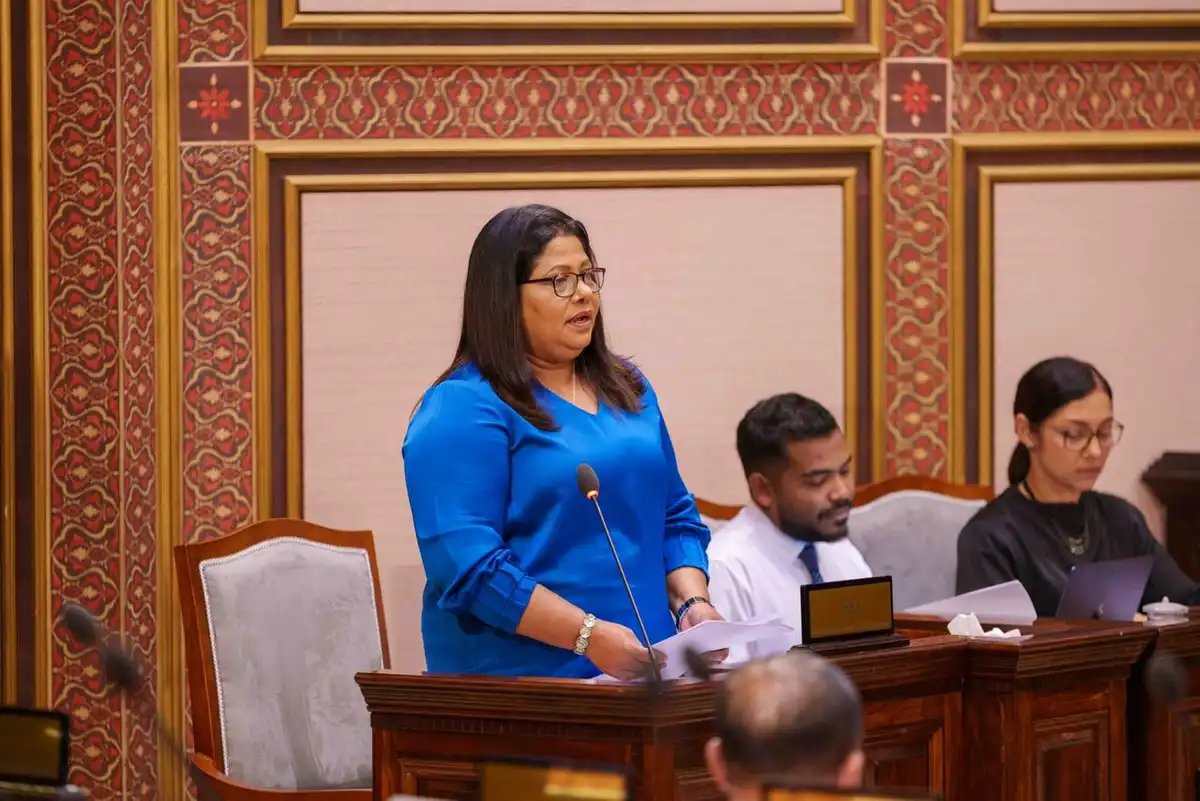
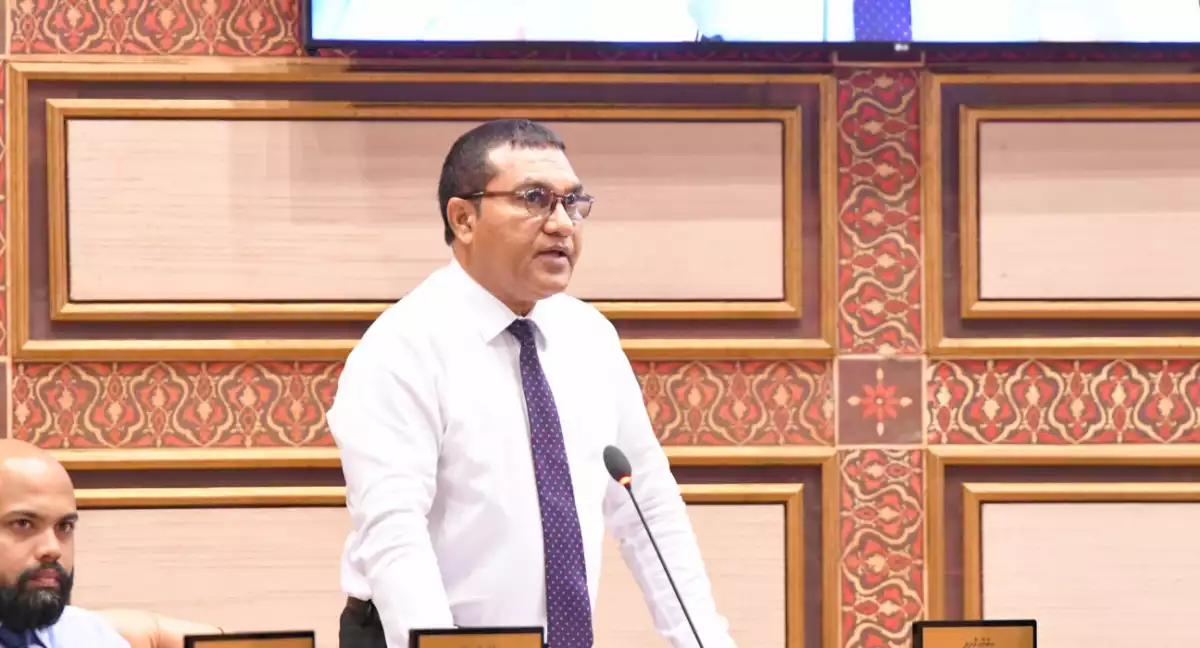
Health Minister Geela Ali at the People's Majlis. | People's Majlis
Health Minister Geela Ali has refused to disclose the reasons behind the government's decision to reduce the duty on cigarettes, a move that comes after officials previously hiked the tax to record levels and vowed not to reverse the decision in the interest of curbing tobacco use and protecting public health.
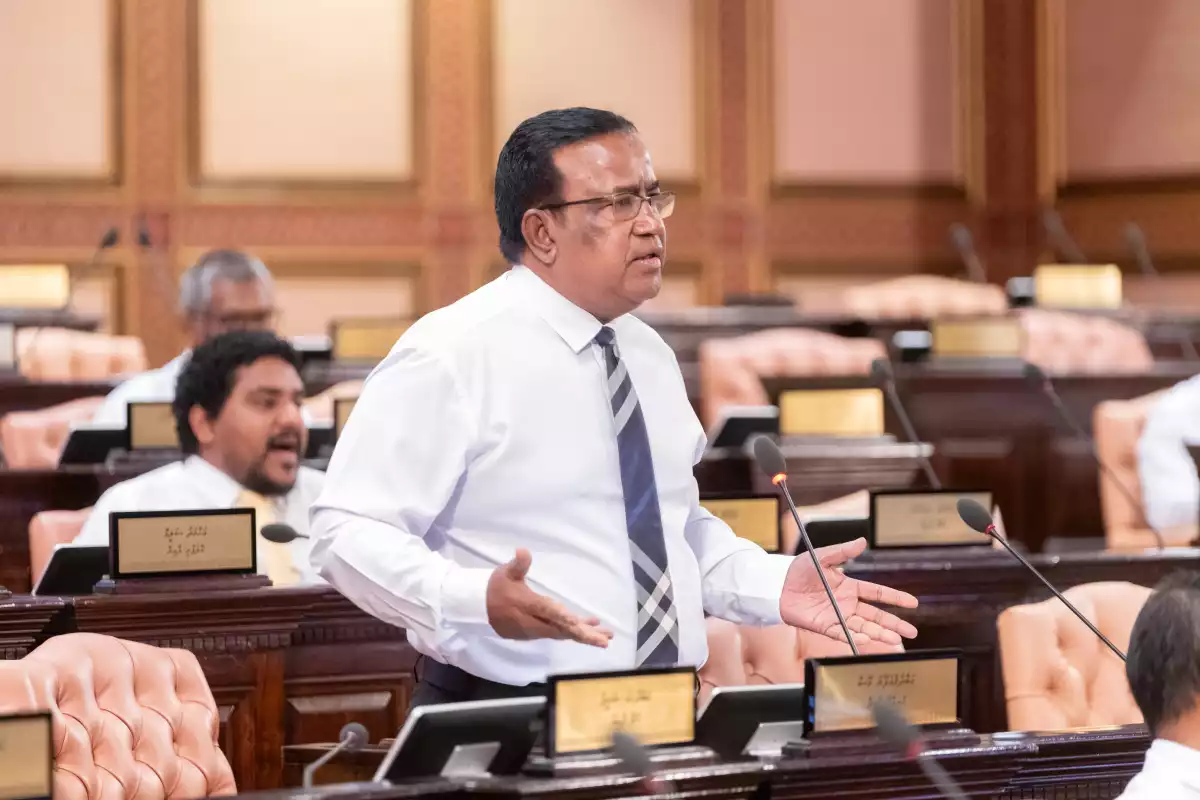
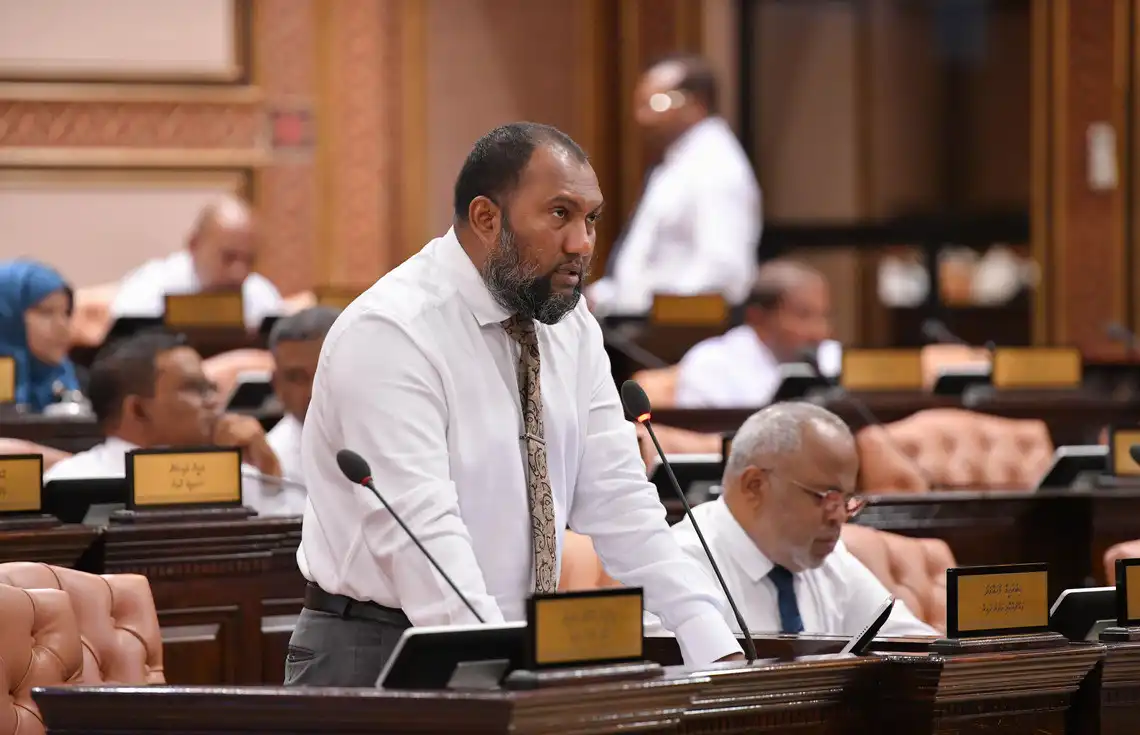
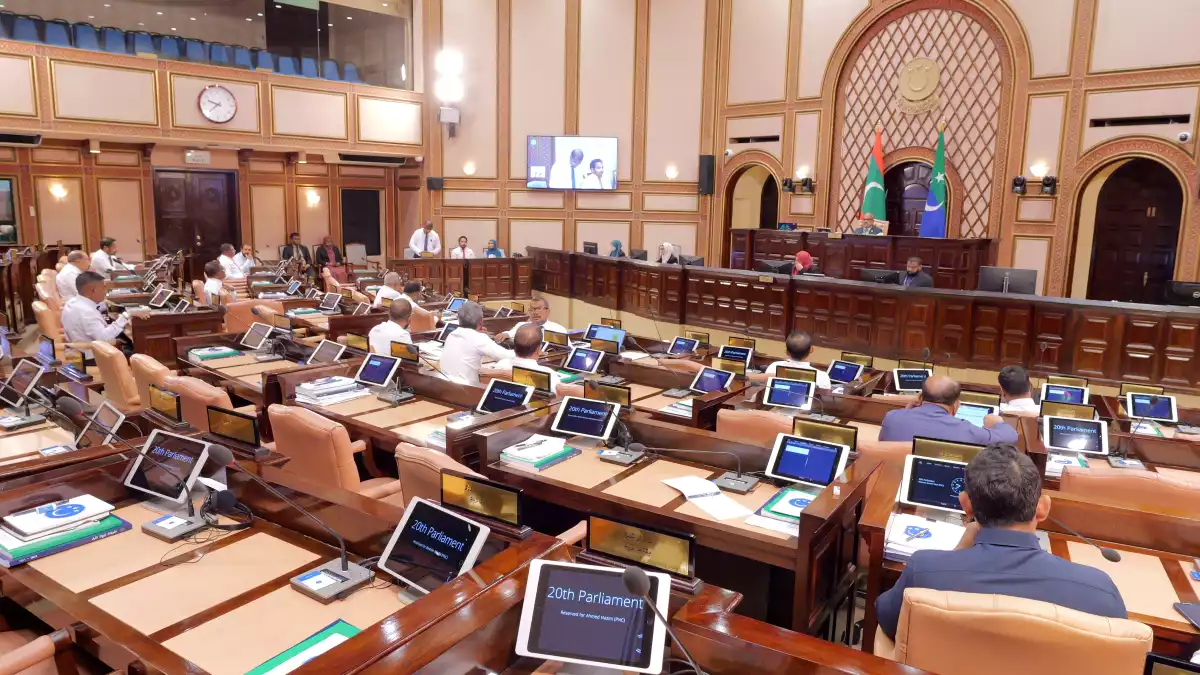
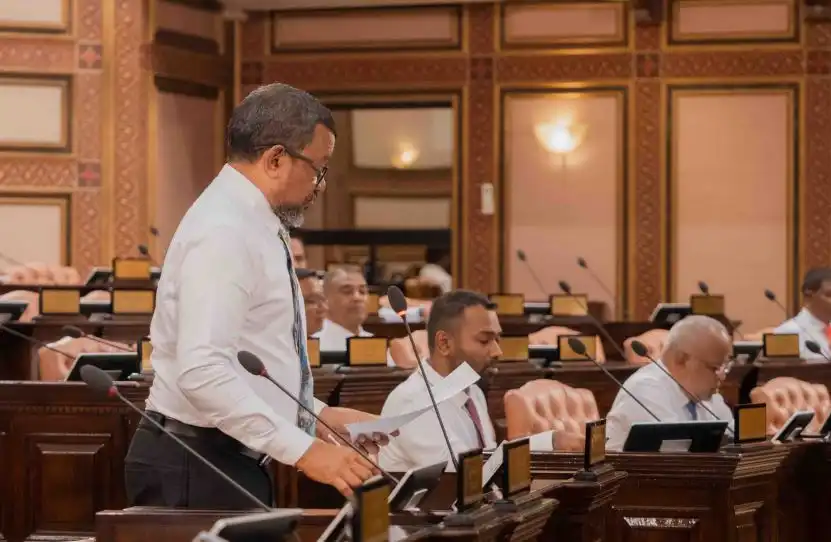
During Tuesday's People's Majlis sitting, Minister Geela was summoned for questioning, during which the Member for Vaikaradhoo constituency, Hussain Ziyad, inquired about the government's decision to reduce the import duty on cigarettes and tobacco products.
The member noted that the government has, until now, been proudly claiming that the recent changes to cigarette prices have significantly benefited the health of Maldivians. However, he questioned whether the government now prioritizes the World Health Organization (WHO) over public health, following the sudden decision to lower tobacco prices under the pretext of a WHO recommendation. The member further inquired into the rationale behind the decision to reduce the cost of cigarettes and tobacco products.
In response to the question, the Minister stated that she was not prepared to provide an answer at that time. She noted, however, that she would provide a response at a later date.
While the Minister declined to answer the question, stating she was unprepared, Home Minister Ali Ihusaan had previously mentioned during a joint press conference with Minister Geela that the World Health Organization (WHO) had advised reducing duties on tobacco products and that discussions were ongoing regarding the matter. Consequently, some have alleged that the Minister should be well-informed of the details.
The government has submitted a proposal to the People’s Majlis to reduce the duty on tobacco products by 50 percent. The bill to amend the Maldives Export-Import Act was introduced on behalf of the government by the Member of Parliament for the Komandoo constituency, Mohamed Ibrahim.
According to the bill proposed by the member, the government aims to amend the Export-Import Act to increase the specific duty on cigarettes to four MVR per stick and set the ad valorem duty at 30 percent. Furthermore, the bill proposes to eliminate import duties on nicotine gum, nicotine patches, and other similar products specifically designed to assist in smoking cessation.
The bill proposes a reduction in the import duty on heated tobacco products—tobacco products designed to be consumed by heating without combustion. Under the proposal, the current 50 percent ad valorem tax would be lowered to 30 percent, while the specific tax per stick would be halved from MVR eight to MVR four.
Effective November 1, 2024, the government has implemented a 50 percent increase in the import duty on cigarettes, along with an additional specific duty of eight Rufiyaa per cigarette. Furthermore, the duty on beedis has been raised by 50 percent plus eight Rufiyaa per unit. Similarly, electronic cigarette liquids and flavors used in tobacco heating devices are now subject to a 50 percent duty increase, supplemented by a charge of eight Rufiyaa per milliliter.
Furthermore, the duty on heated tobacco products—tobacco items designed to be consumed through heating rather than combustion—has been increased by 50 percent, with an additional levy of MVR eight per stick.
The government is facing heavy public backlash following a sudden "U-turn" on its decision to reduce the duty on tobacco products from eight Rufiyaa to four Rufiyaa. This policy shift comes less than a month after President Dr. Mohamed Muizzu explicitly stated that duties on cigarettes and tobacco products would not be lowered. The move has sparked widespread criticism across social media, with many citizens expressing deep concern over the reversal. Critics are increasingly pointing out a pattern of frequent policy reversals, accusing the administration of repeatedly taking "U-turns" on significant national issues.
Furthermore, many observers have pointed out that attempting to reduce the prices of tobacco products shortly after increasing them raises serious questions regarding the government's sincerity in its anti-tobacco efforts.