Parliament requested to summon Corrections over deteriorating prison conditions
16 ޖޫން 2026 | އަންގާރަ 08:59The Member of Parliament highlighted significant public concerns regarding prison overcrowding, substandard medical care, and food safety issues. The formal letter further noted that delays in trials for remand detainees and poor sanitary conditions are leading to human rights violations. Consequently, the member requested that senior Maldives Correctional Service officials be summoned to Parliament and that the relevant committee conduct site visits to investigate and address these systemic issues.

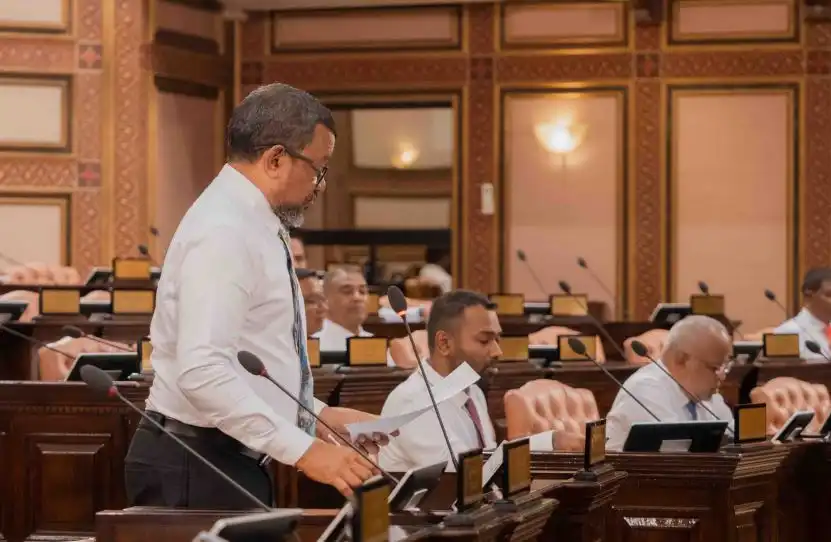
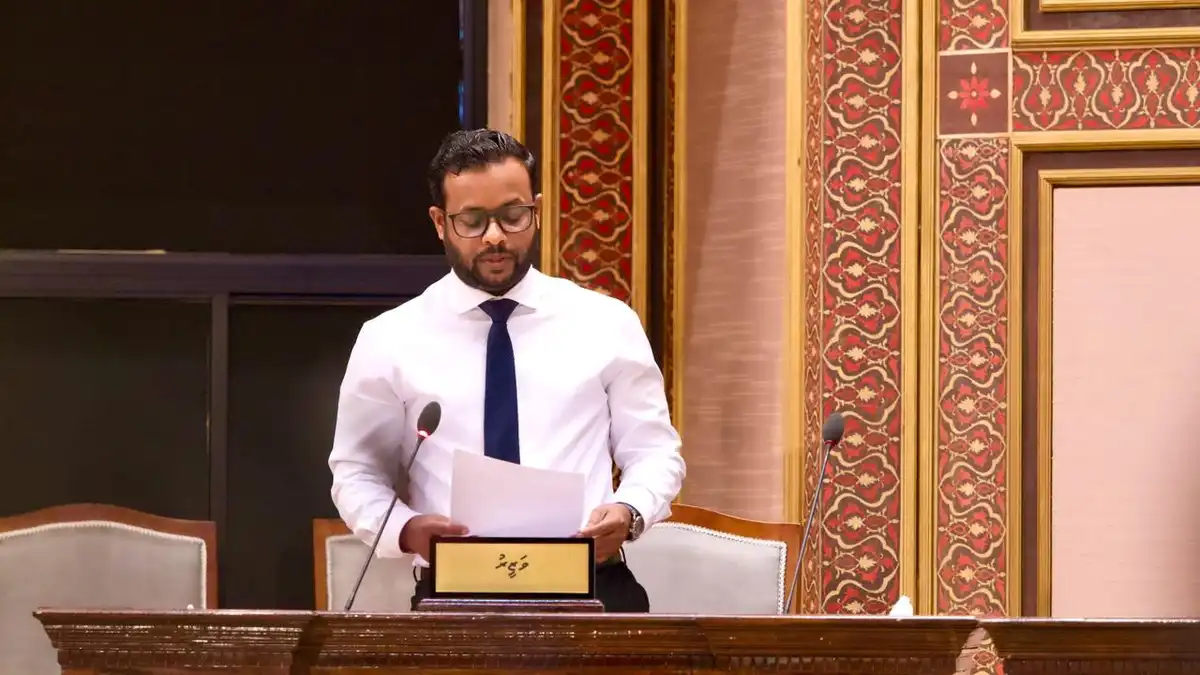
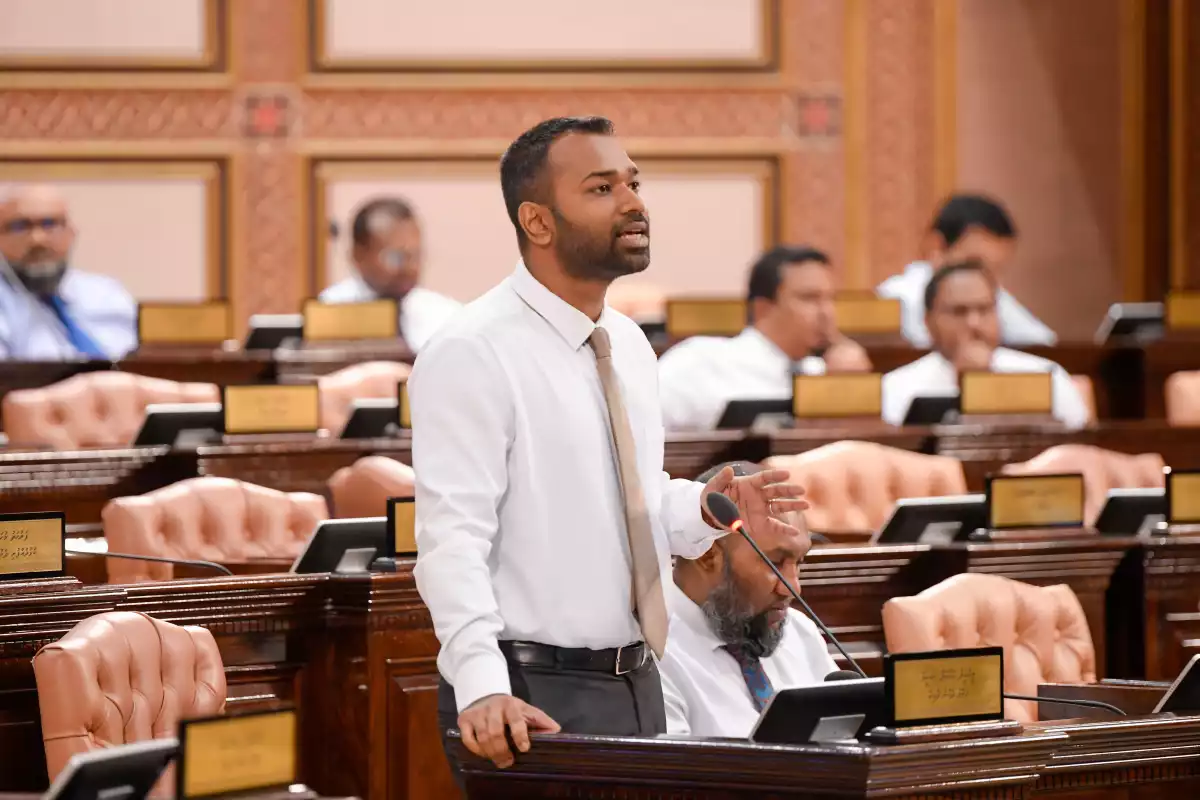
Member of Parliament for the North Galolhu constituency, Mohamed Ibrahim (Kudu), addresses a session of the People's Majlis. | majlis
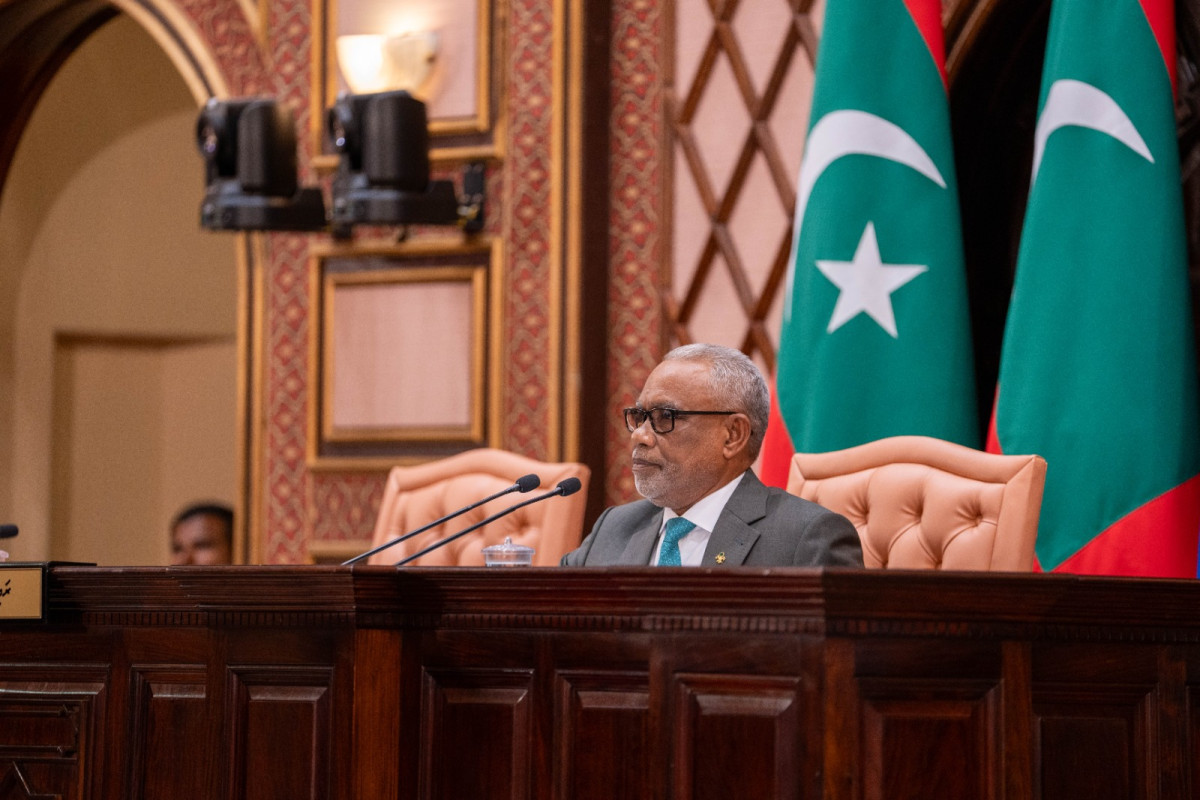
The Member of Parliament for North Galolhu, Mohamed Ibrahim (Kudoo), has formally requested the Speaker of Parliament, Abdul Raheem Abdulla, to summon the Maldives Correctional Service to address growing public concern regarding the conditions within the nation's prisons.
In the letter, the member highlighted significant public concern regarding the condition of Maldivian prisons. It noted that despite ongoing efforts to reform the correctional system, numerous unresolved issues have recently come to light.
The letter highlighted that living conditions are deteriorating due to severe overcrowding, with the inmate population in Maldivian prisons significantly exceeding official capacity. It further noted that this lack of space forces authorities to house high-risk offenders alongside those detained for minor offenses. This creates a dangerous environment where individuals incarcerated for petty crimes risk becoming radicalized or influenced into serious criminal activity by the time of their release.
Furthermore, the letter highlights a decline in the quality of medical care, noting persistent complaints from families regarding delays in accessing specialists and systemic failures in providing timely treatment for ailing inmates. The letter also points out an increasing number of reported cases involving negligence by prison officers, who are accused of disregarding the health and well-being of those in their custody.
The member highlighted that prisoners are being administered potent psychiatric medications without proper regulation, leading to various health complications. Furthermore, there are growing concerns regarding the indiscriminate distribution of painkillers to inmates without adequate medical assessment. The lack of isolation protocols for prisoners suffering from dangerous communicable diseases, such as tuberculosis, is placing the wider prison population at significant risk. Additionally, the absence of adequate mental health services within the correctional system is causing the condition of inmates suffering from psychological disorders to deteriorate further.
Highlighting the issues of indefinite detention and judicial delays, the letter stated that holding individuals in jail for years pending the conclusion of their trials has become a significant violation of human rights. The letter further noted that being held in custody for prolonged periods without a clear resolution causes immense psychological and social distress for both the detainees and their families.
Furthermore, the letter highlighted that delays in the legal proceedings of detainees held in pre-trial detention have forced them to spend extended periods in the same conditions as convicted prisoners serving their sentences.
Highlighting the poor ventilation and hygiene standards within the prisons, the Member noted that inadequate airflow has led to extreme temperatures inside the cells. Furthermore, the letter stated that prolonged neglect in maintaining cells and toilets has resulted in poor sanitation, with issues such as stagnant water contributing to the spread of diseases. The letter also detailed that because some prison units are not adequately sealed or designed for proper air circulation, they face severe mosquito infestations during the rainy season. Additionally, rats frequently enter the cells, running over inmates' bedding and the utensils used for their meals.
The letter also highlighted the challenges faced by female inmates. Specifically, the member noted that there are administrative hurdles and difficulties in obtaining essential items for women, such as sanitary pads.
Highlighting the lack of rehabilitation services, the Member noted that rehabilitation programs aimed at reintegrating former inmates into society and preventing recidivism are not sufficiently accessible to all prisoners. The letter further emphasized the shortage of prison staff trained to communicate with inmates with disabilities, as well as a lack of specialized training programs tailored to their specific needs.
Highlighting the poor quality of food provided in prisons, the Member noted that the meals served to inmates lack sufficient nutritional value and essential vitamins. The letter further alleged that curries are frequently prepared using expired fish and spoiled vegetables. Additionally, the letter stated that the hygiene standards of the utensils and equipment used to serve food to inmates are not being adequately maintained.
Highlighting the difficulties in purchasing essential items within the prison system, the Member noted that inmates are often unable to acquire basic necessities through the established procurement system for extended periods, sometimes lasting several months. The Member specified that these unavailable items include personal hygiene products such as shower gel and deodorant.
The member stated that the regulations governing the Special Protection Unit must be revised and strengthened. Furthermore, the member proposed a formal inquiry to clarify the criteria and basis upon which prison regulations are being amended.
The letter noted that these issues are a matter of extreme public concern. Consequently, the member requested that senior officials from the Maldives Correctional Service be summoned before the relevant parliamentary committee to provide further information and clarify the measures being taken to rectify the situation. Furthermore, the member requested that arrangements be made for committee members to conduct a site visit to the prisons to personally inspect the conditions.