From denial to podium: Muizzu to speak on climate change in Germany
5 ފެބުރުއަރީ 2026 | ބުރާސްފަތި 01:42Contrary to widely accepted scientific projections on environmental risk, Muizzu also expressed confidence that the Maldives would not face an existential threat by the year 2050.
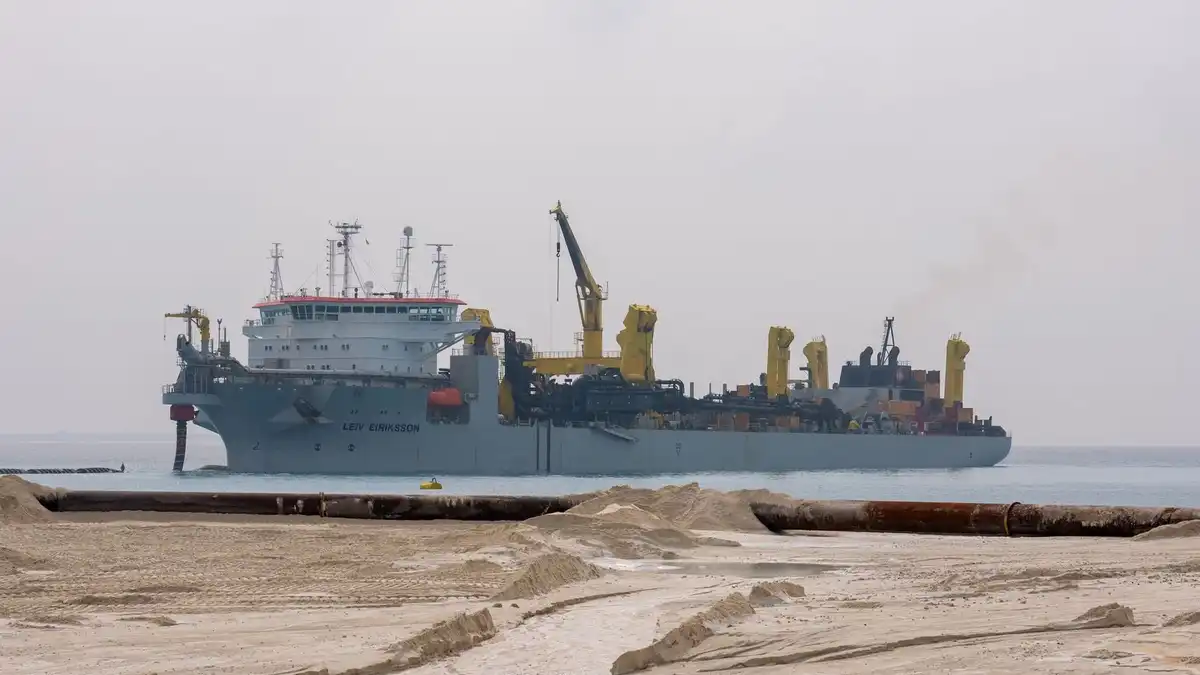
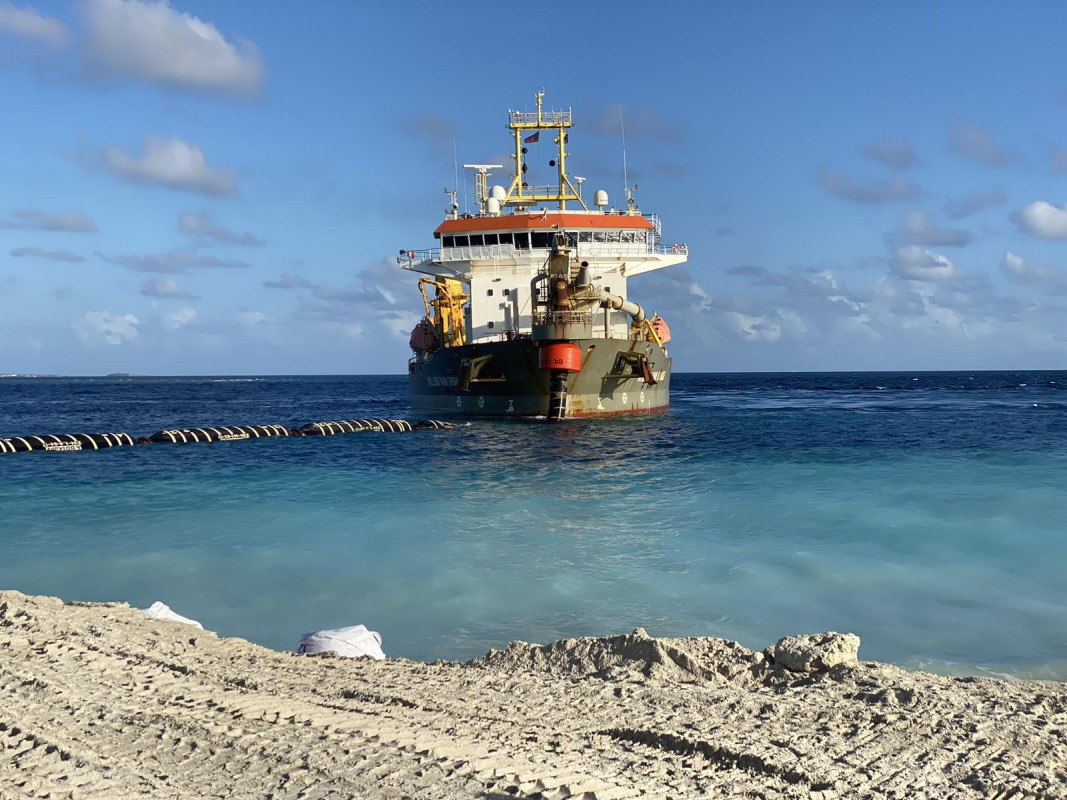
The reclamation of 112 hectares in Ha. Dhidhoo is being carried out using LEIV EIRIKSSON, one of the world’s largest trailing suction hopper dredgers with a capacity of 46,000 cbm | MACL | MACL
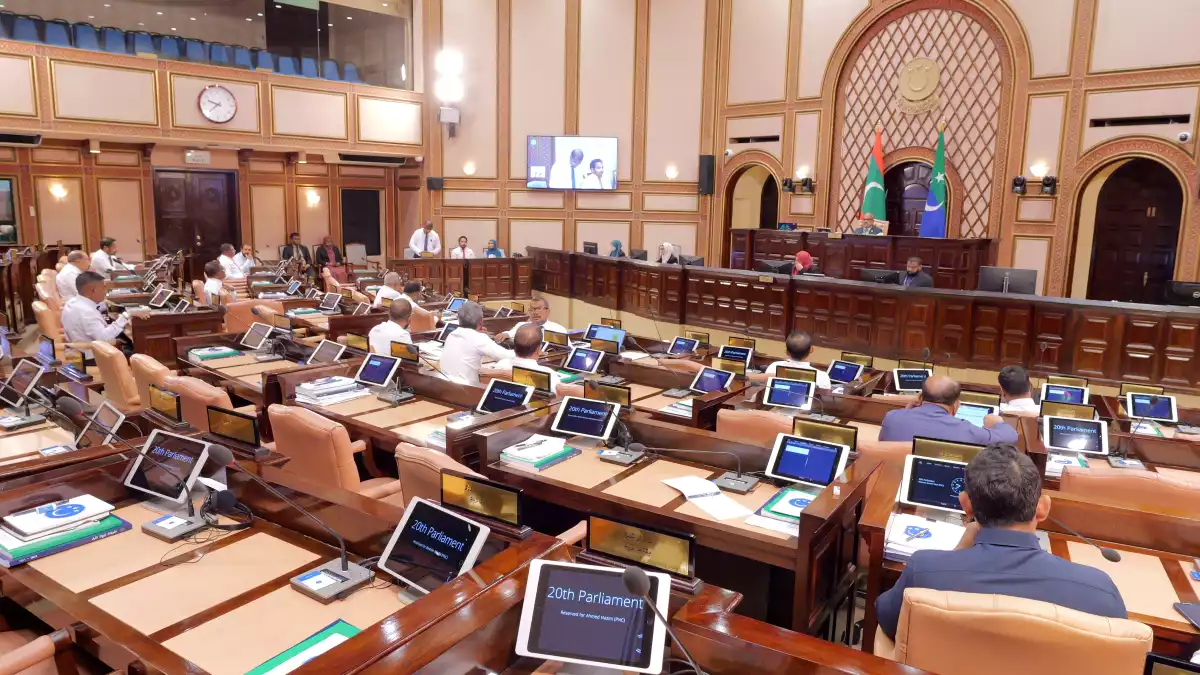
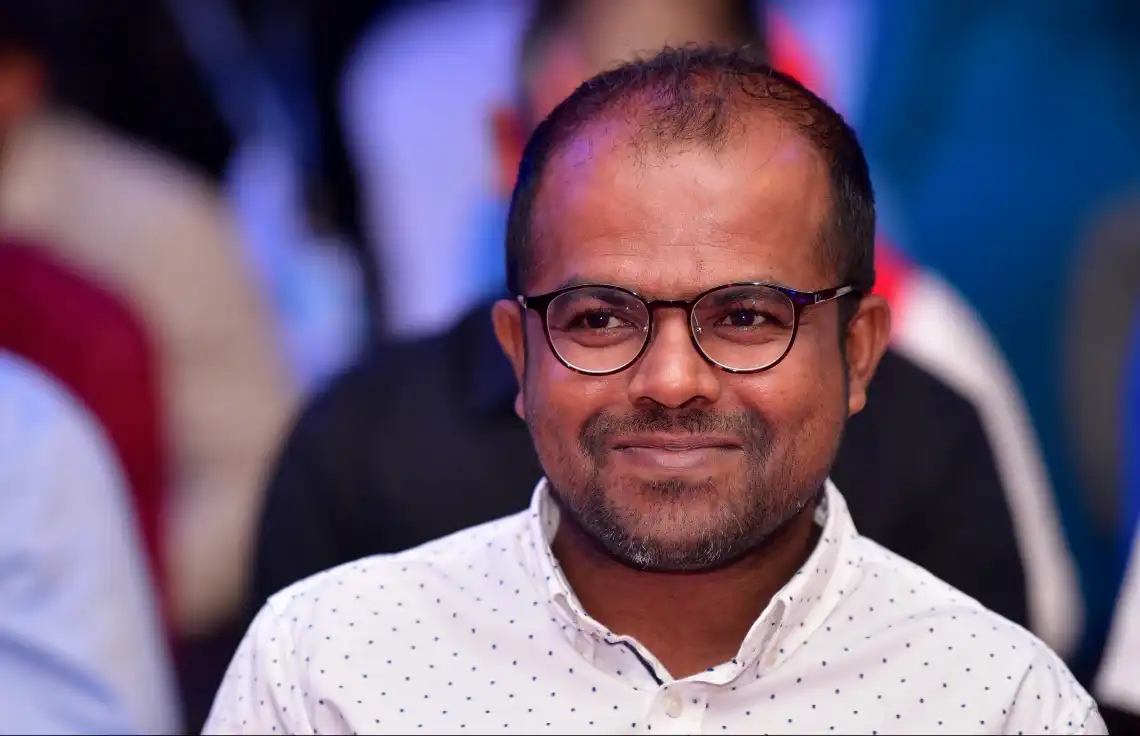
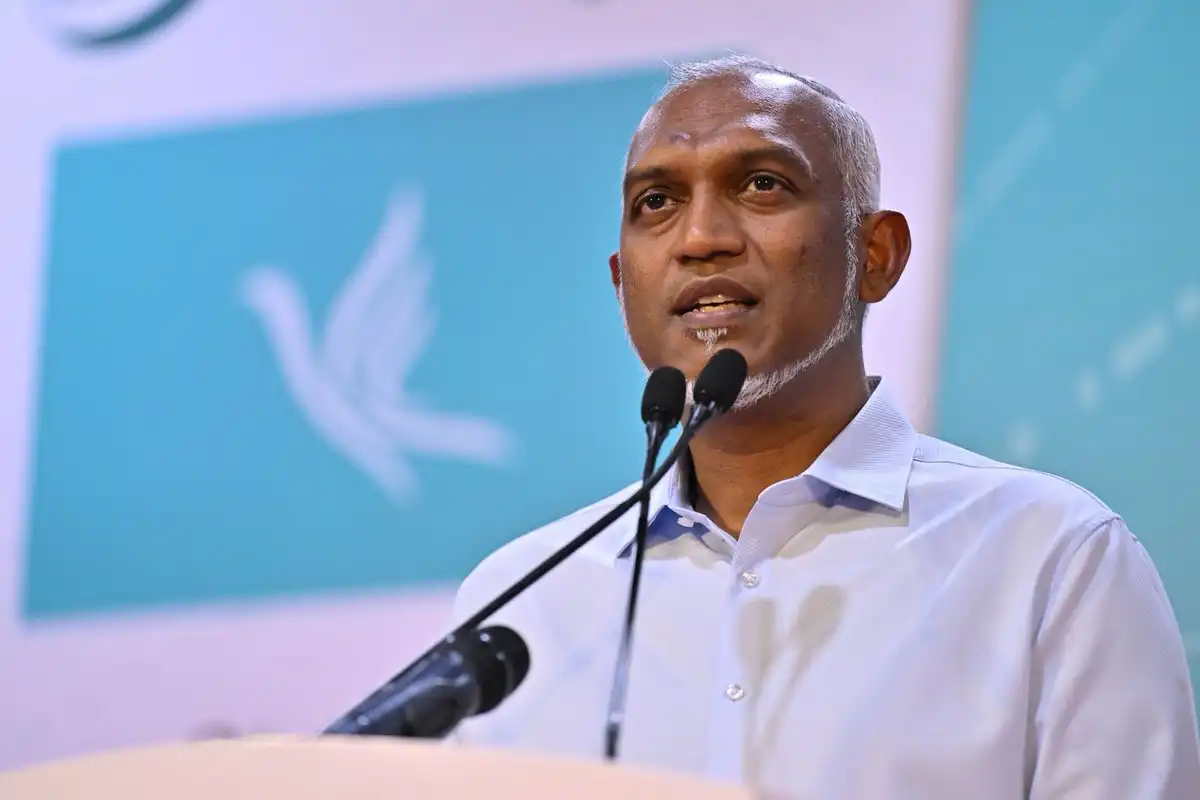
Humboldt University in Berlin, Germany, has announced that Maldives’ President Dr. Mohamed Muizzu is scheduled to deliver a speech on climate change, despite his previous public assertions that the issue is not a reality.
According to information published on the university’s website, small island developing states such as the Maldives are among the countries most vulnerable to the impacts of climate change. On February 11, President Dr. Mohamed Muizzu is expected to address the challenges posed by rising sea levels and climate change, outline the Maldivian government’s efforts to mitigate these threats and discuss the experiences gained so far.
The university stated that in his speech, titled Climate Change Without Borders: Lessons from the Maldivian Experience, the president will highlight the policies adopted by the Maldives for climate adaptation and the key lessons the international community can draw from them.
He is also expected to engage in discussions with Professor Marcel Robischon and Dr. Axel Klee of Humboldt University on climate policy, the importance of international cooperation, expectations from the global community and academia, as well as the role of universities and research institutions in shaping climate action.
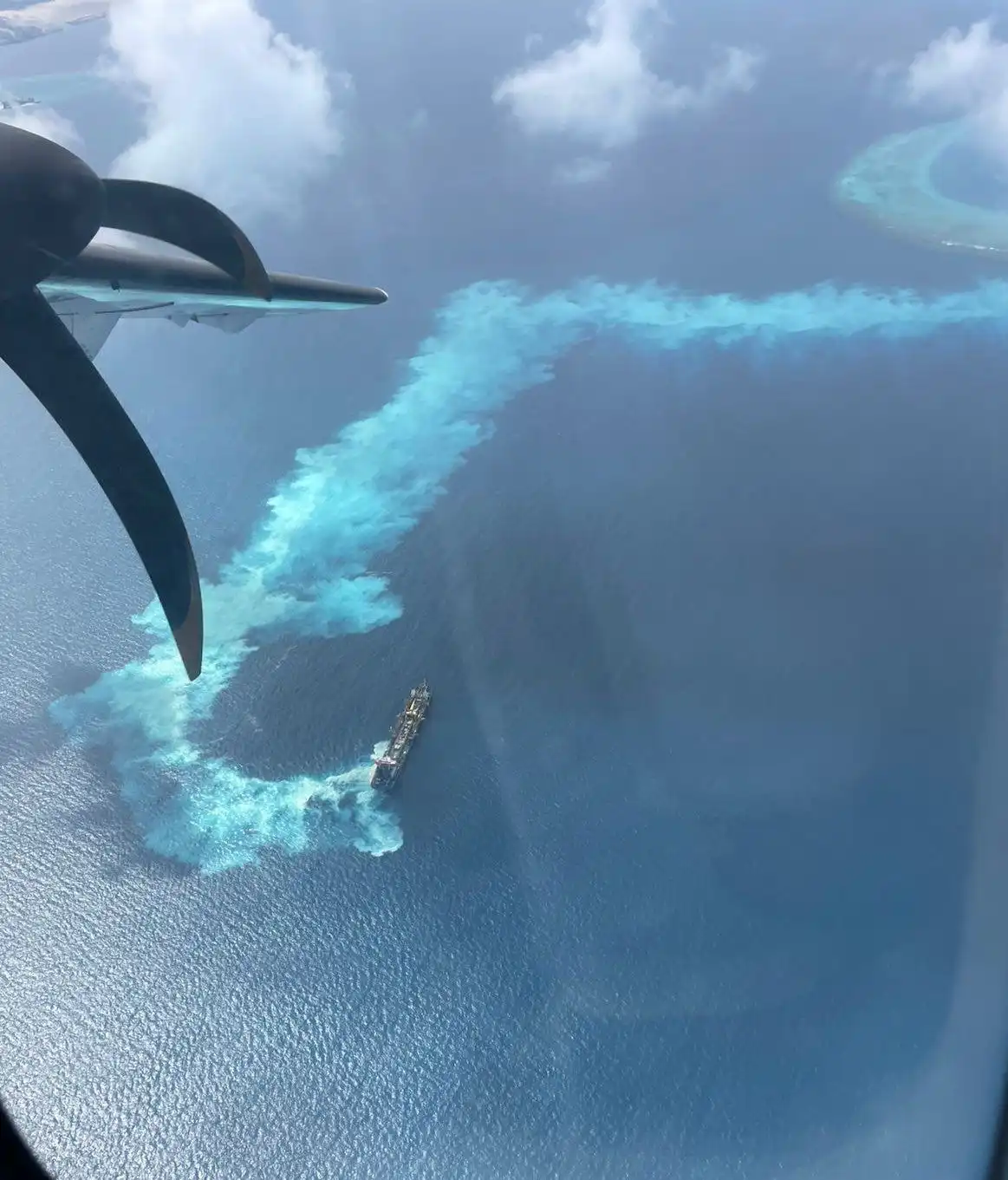
A large-scale dredging vessel commissioned by the Muizzu administration for land reclamation is discharging sediment directly into the sea without any containment measures.
The session is expected to address how scientific research and international relations influence political decision-making, as well as how traditional environmental and cultural knowledge can be incorporated into climate policy.
As Muizzu travels to Germany to speak about the Maldives’ environmental vulnerability and the threats posed by climate change, he is facing growing criticism at home.
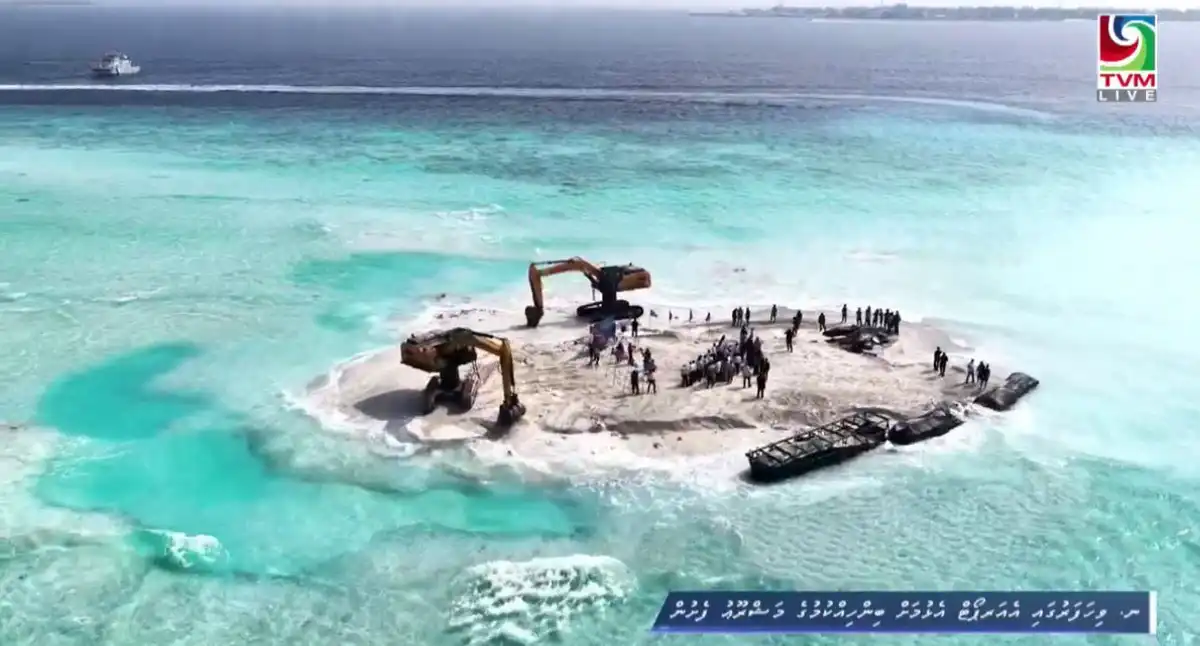
His administration has been accused of overseeing large-scale land reclamation and sand mining projects using some of the world’s largest dredgers, allegedly in violation of national environmental protection laws and regulations.
As a result, images showing silt and sediment spreading across coral reefs, which serve as the Maldives’ natural defense against climate change, have circulated widely.
Reports indicate that these environmentally damaging projects are frequently initiated without the legally required Environmental Impact Assessment (EIA) reports or necessary permits.
Further scrutiny has focused on remarks made by Muizzu during an interview with Al Jazeera while he was president-elect, in which he suggested that the climate change narrative was not grounded in reality and described warnings about rising sea levels as unfounded claims repeated for decades.
In the October 2023 interview, Muizzu stressed that national development should take priority over climate emergencies highlighted by international organizations.
He argued that sea levels had not risen to the levels predicted 50 years ago and maintained that the situation facing the Maldives is not as severe as portrayed in certain global reports.
Contrary to widely accepted scientific projections on environmental risk, Muizzu also expressed confidence that the Maldives would not face an existential threat by the year 2050.