High Court rules termination of Dhiffushi lagoon resort development agreement was unlawful
2 ނޮވެމްބަރު 2026 | ހޯމަ 11:27The High Court has overturned a Civil Court ruling that upheld the termination of an agreement with businessman Hamid Ismail to develop a resort by reclaiming the Dhiffushi lagoon in Kaafu Atoll. In a majority verdict, the High Court determined that the Ministry of Tourism’s decision to void the contract was unlawful, thereby declaring the original agreement valid and legally binding.

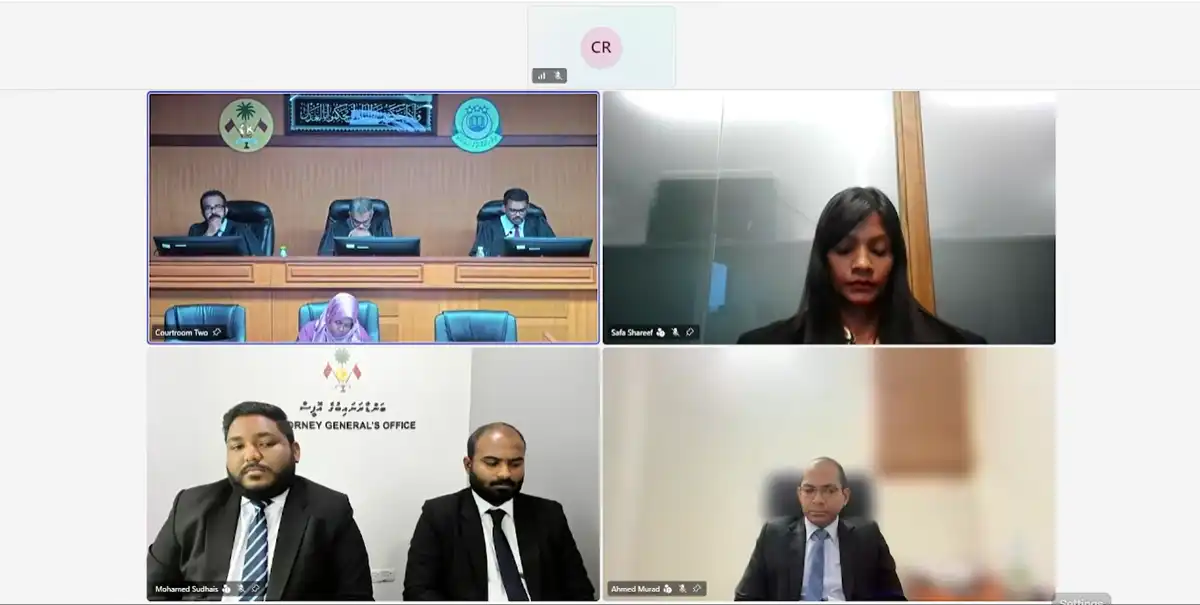
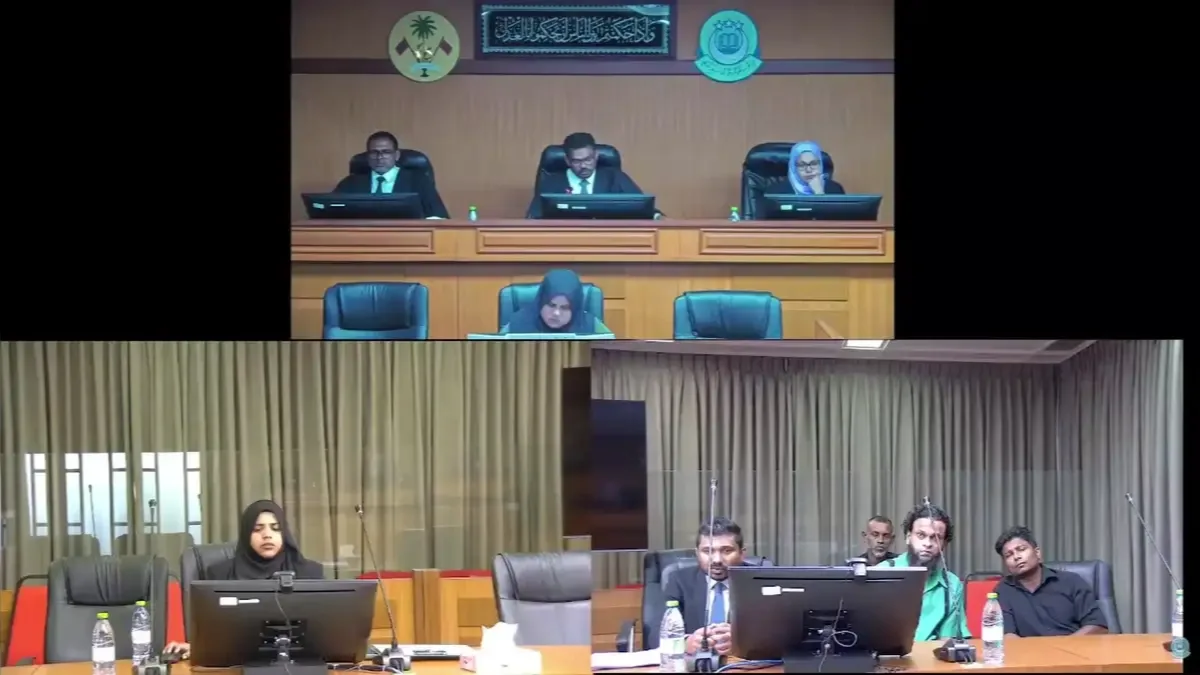
The High Court of the Maldives has ruled that the 50-year lease agreement between the state and businessman Hamid Ismail for the reclamation and resort development of K. Dhiffushifaru remains valid and legally binding. | Raajje MV
The High Court of the Maldives has ruled that the agreement between the state and businessman Hamid Ismail to lease K. Dhiffushifaru for 50 years is valid and remains in effect. The agreement was originally signed for the purpose of reclaiming the lagoon to develop a resort.
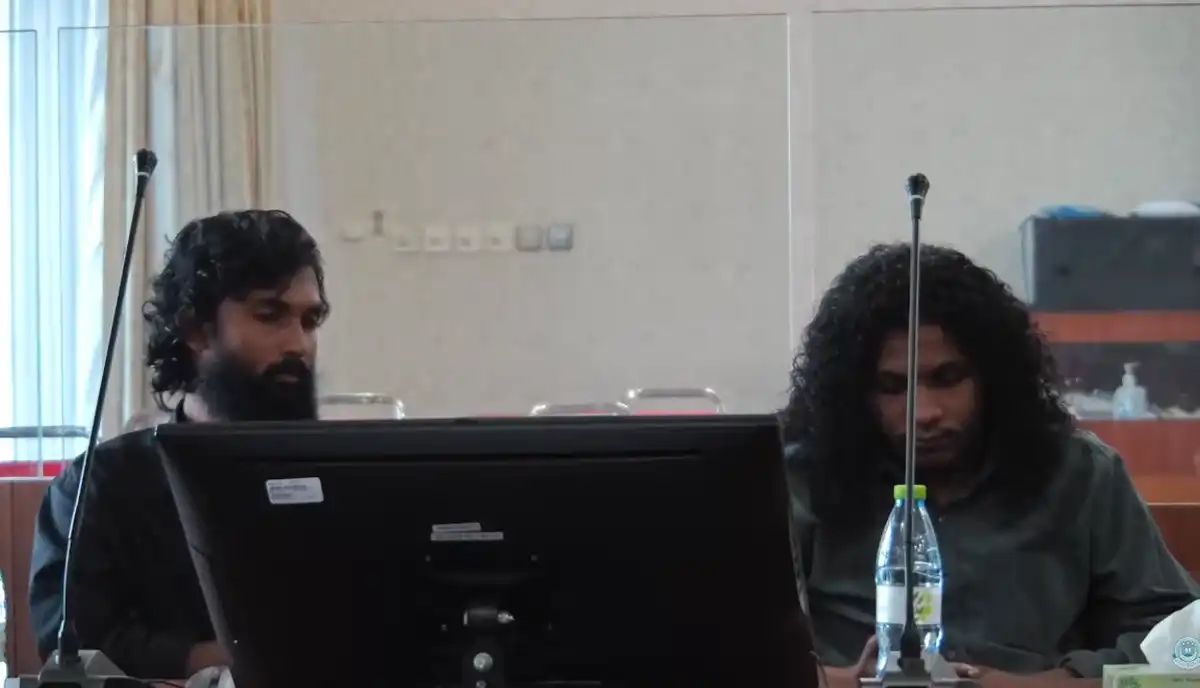
The High Court reached this decision following an appeal filed by Hamid Ismail, challenging the Civil Court's ruling on the Ministry of Tourism's termination of the agreement.
The agreement between the state and Hamid Ismail to develop a resort in Dhiffushi Lagoon was signed on February 19, 2015. However, the Ministry of Tourism subsequently terminated the contract.
Upon submission of the case to the Civil Court, the court ruled that the agreement was void as it had been executed in violation of an amendment to the Tourism Act. The court further declared the agreement null and void from its inception.
In the appeal filed at the High Court, Hamid’s legal team contended that the amendments brought to Section 8 of the Tourism Act, under its second amendment, were applied to this case without proper consideration of the specific clauses within the agreement. The appeal further argued that the Civil Court’s initial ruling favored the state exclusively, thereby undermining the constitutional right to a fair trial.
In its ruling on the matter, the High Court held that the termination notice issued by the Ministry of Tourism in 2017 was invalid and constituted a breach of the underlying agreement.
Consequently, the High Court has ruled that the agreement between both parties remains valid and binding, ordering the Ministry of Tourism to comply with its terms. This verdict was reached by a majority consensus of the presiding judges.
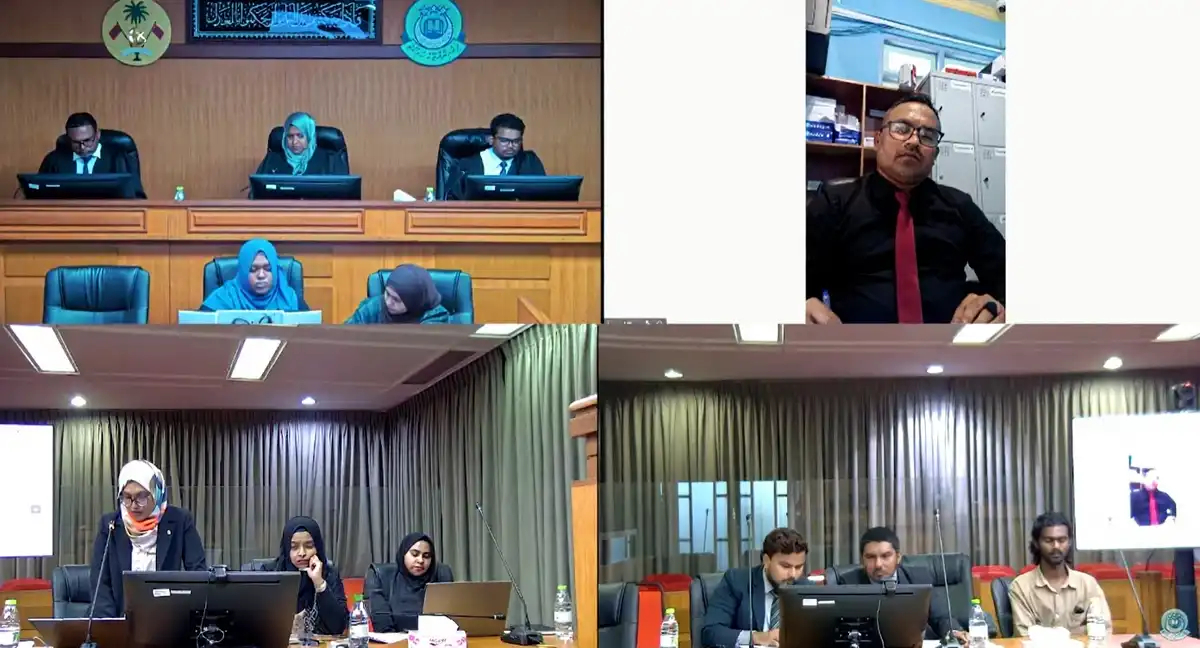
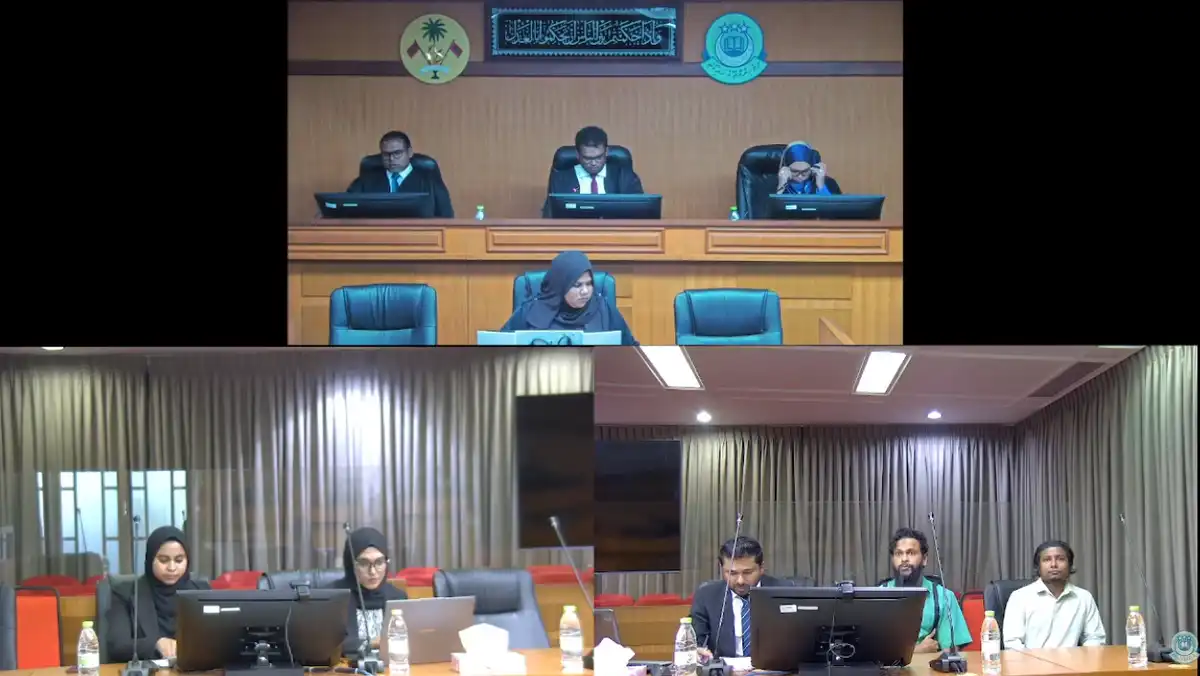
The bench of judges presiding over this case at the High Court consisted of Chief Judge Abdulla Jameel Moosa, Judge Hassan Shafeeu, and Judge Mohamed Shaneez Abdulla. While the court reached a verdict by a majority consensus, it is noted that Judge Hassan Shafeeu issued a dissenting opinion in the matter.