RCC awarded MVR 631 million project without tender amid family ties to AG Usham allegations
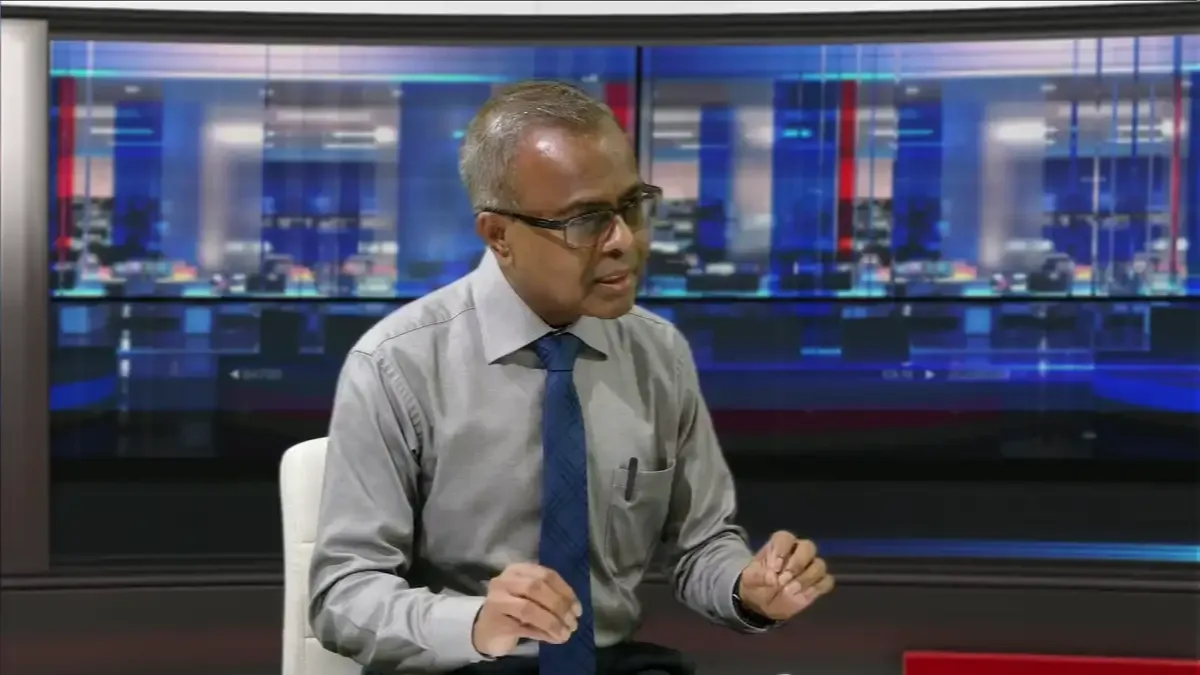
21 ނޮވެމްބަރު 2026 | ހޮނިހިރު 17:12Ismail Zariyand has called for personal accountability and formal investigations into officials whose legal counsel from the Attorney General’s Office results in significant financial losses for the state. He urged the establishment of a legal framework to pursue criminal charges and recover lost funds in instances where officials abuse their positions to provide illicit advantages to specific parties.

Attorney General Ahmed Usham.
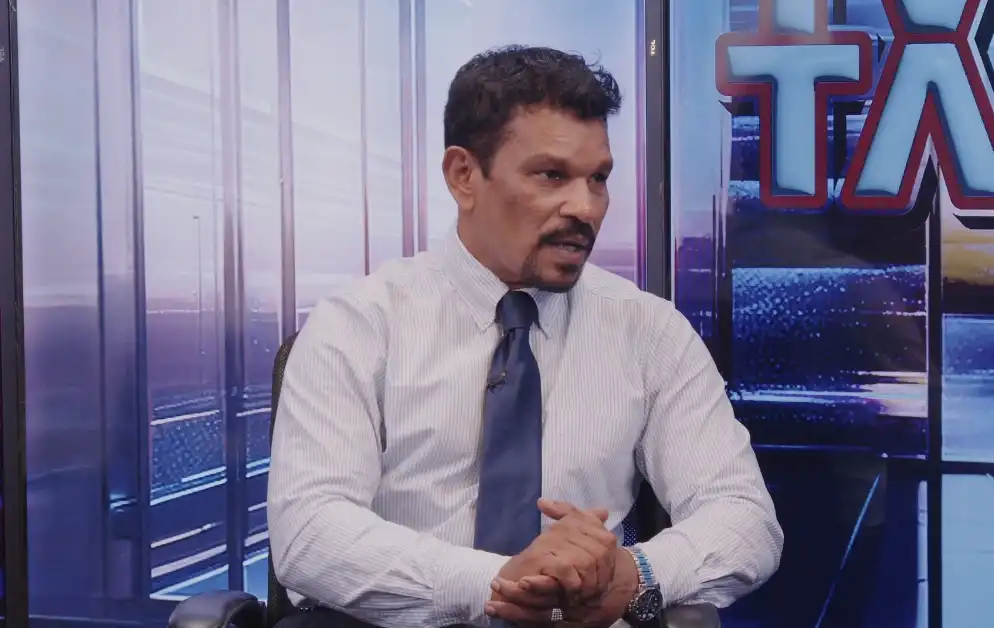
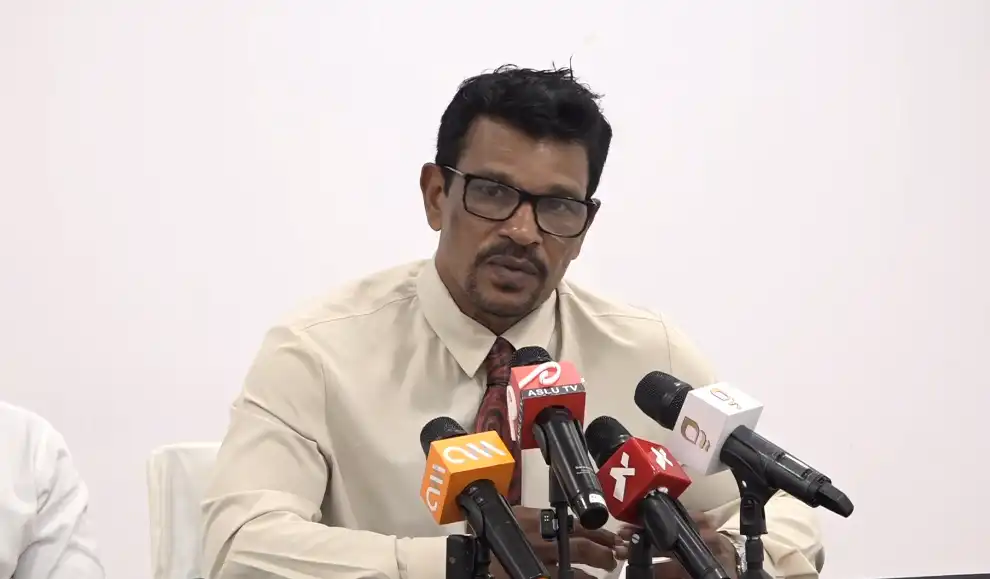
Financial expert Ismail Zariyand has stated that following amendments to Article 10.22 of the State Finance Regulations—introduced under the guidance of Attorney General Ahmed Usham—a MVR 631 million project to construct council buildings has been awarded to RCC, a company in which the Attorney General holds family interests, without a public bidding process.
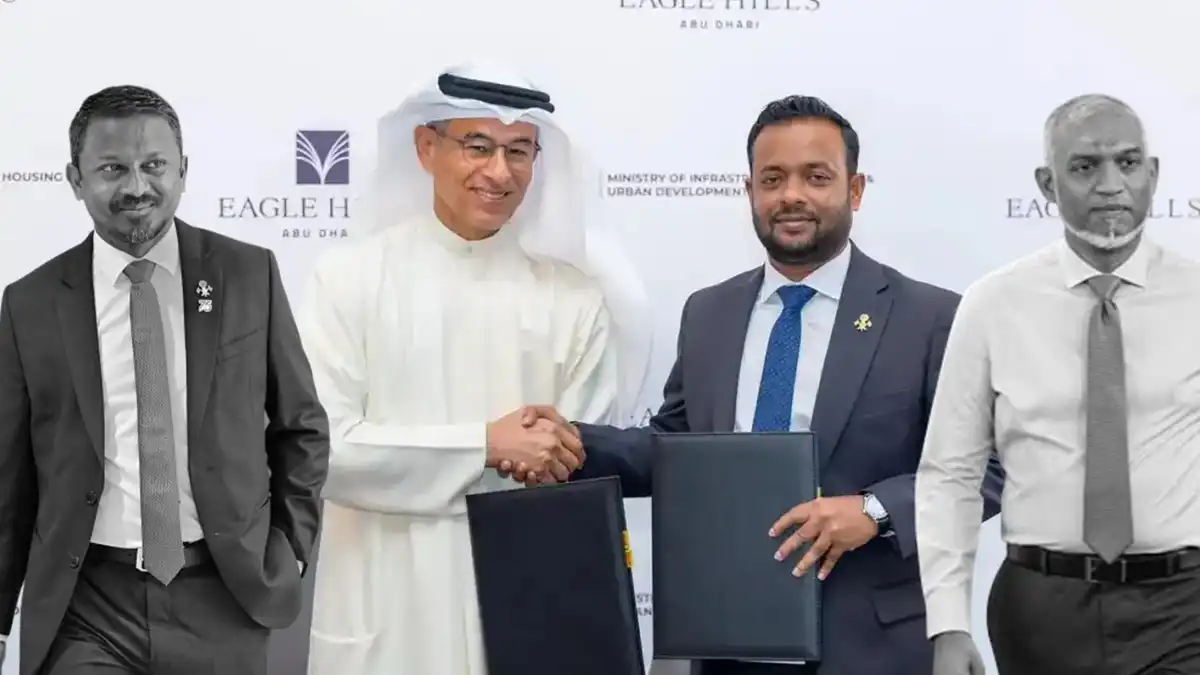
In a post shared on X, Zariyand stated that Attorney General Usham has confirmed providing legal counsel regarding the agreement between Ras Male' and Eagle Hills. He further noted that potential disputes arising from this agreement could lead to international arbitration, risking the loss of the state’s long-term sovereignty over its land. Zariyand also warned that such a scenario could burden the state with billions of rufiyaa in debt through compensation claims.
Zariyand further stated that the state has incurred losses of billions of rufiyaa in compensation payouts due to legal advice provided by former Attorneys General. He specifically highlighted advice from former Attorney General Azima Shakoor to terminate the GMR agreement without seeking a more fiscally sustainable legal solution to reclaim the airport, as well as recommendations made by her successor, Ibrahim Riffath, to issue various compensation payments during the previous administration.
He further stated that an investigation is necessary to determine whether the financial losses incurred by the state due to such legal opinions from Attorneys General constitute a criminal offense under the Penal Code. This includes examining whether the individuals involved deprived the state of potential revenue or abused their official positions to secure personal gain or provide an undue advantage to a specific party.
Zariyand stated that the country currently requires a legal framework where Attorneys General and other decision-makers can be held personally liable for negligence or abuse of power. He emphasized that such individuals must face criminal prosecution and be legally compelled to provide restitution for damages incurred. Furthermore, Zariyand asserted that state positions should be defined by accountability rather than privilege. He stressed that the public should not have to bear the cost of consequences resulting from the decisions made by those entrusted to protect the state.