Seeking mental health support is not a sign of weakness, but a testament to one's courage: Sajidha
1 ނޮވެމްބަރު 2026 | އާދީއްތަ 13:09Speaking at the SAARC Federation of Psychiatric Conference, First Lady Sajidha Mohamed called for the elimination of the stigma surrounding mental illness and the cultivation of a more compassionate society. Highlighting that mental health is a key priority under the government’s Strategic Action Plan, she emphasized the vital responsibility of both families and the broader community in providing essential support to children and young people.
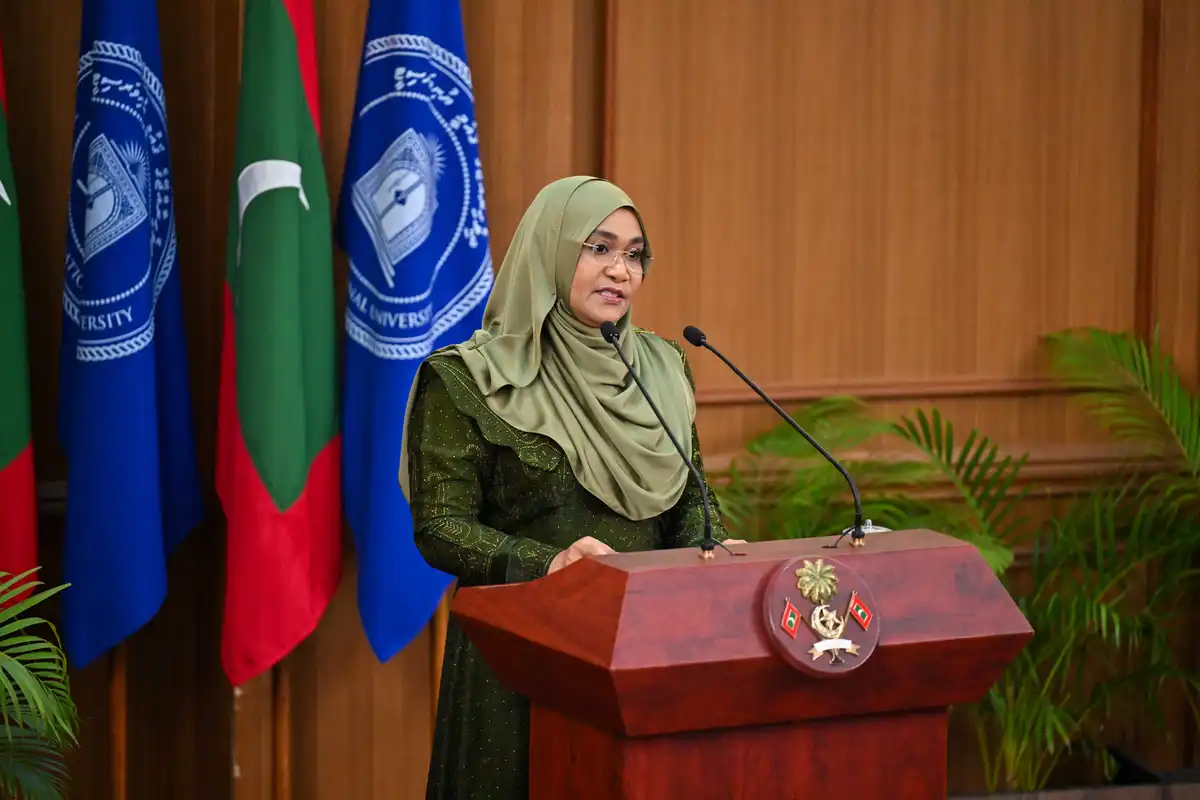
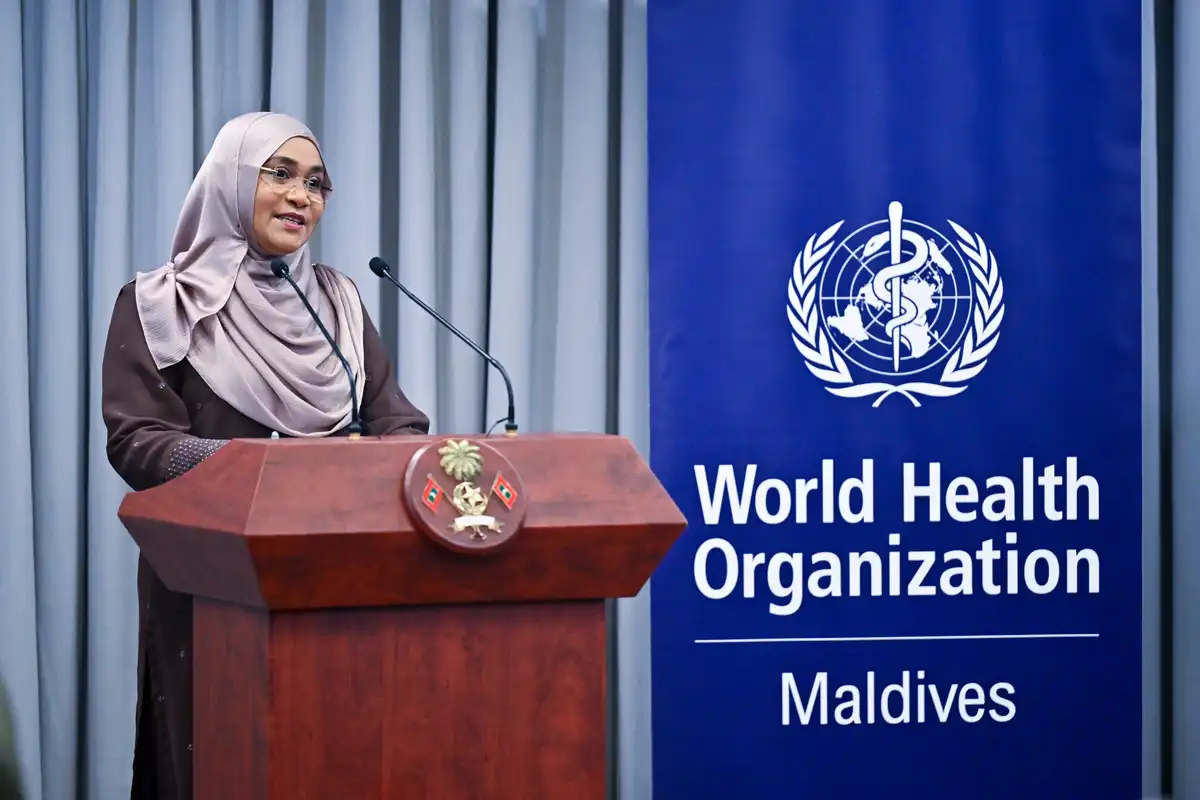
First Lady Sajidha Mohamed. | President's Office
First Lady Sajidha Mohamed has emphasized that mental health must be prioritized alongside physical well-being, stating that a healthy society cannot be built without addressing mental wellness.
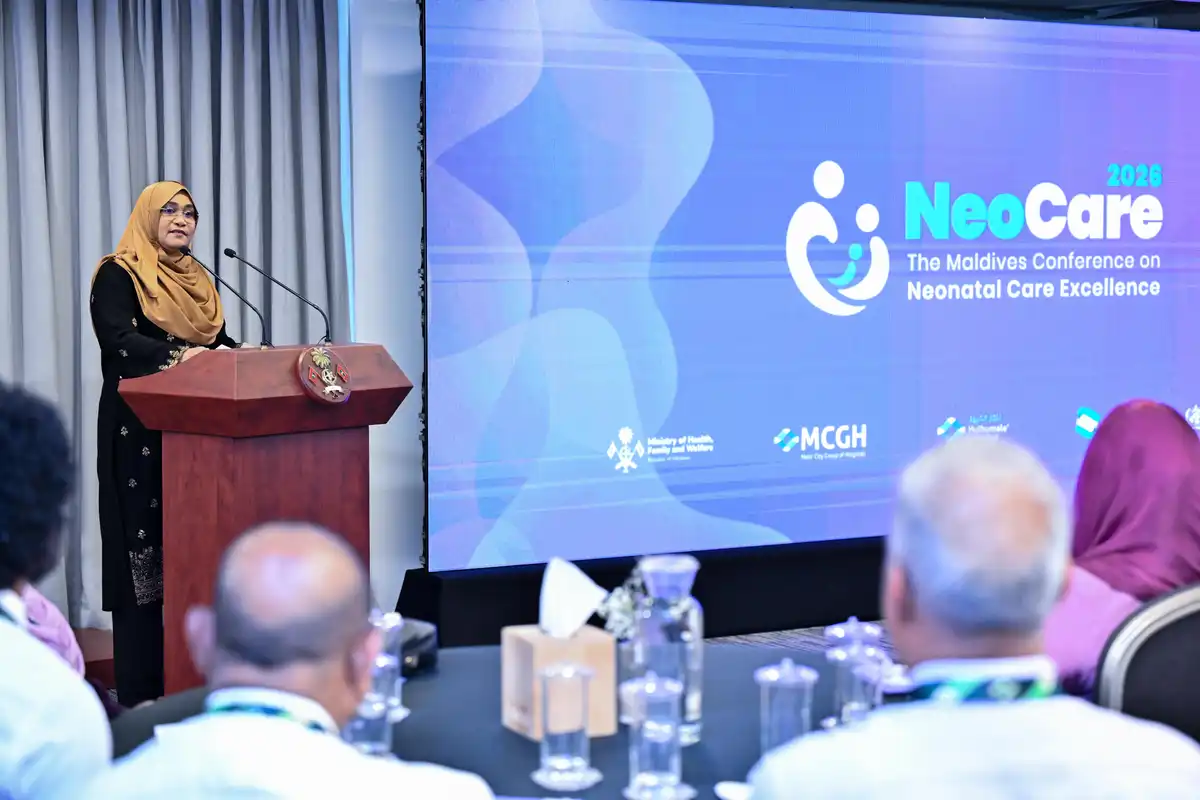
First Lady Sajidha Mohamed made these remarks while speaking at the opening ceremony of the 16th International Conference of the SAARC Federation of Psychiatrists, held at the Maldives National University. The two-day conference is scheduled to take place from November 1 to 2, 2026.
The First Lady emphasized that mental well-being is not merely a matter of medical treatment, but is intrinsically linked to human dignity, social connections, and the quality of life we aspire to build for current and future generations. Highlighting the growing mental health challenges across the region, she noted that these issues affect individuals of all ages and from all walks of life.
She noted that for many, the greatest challenge is not the illness itself, but the hesitation to speak about it and the fear of social stigma. Consequently, she called for a society that views seeking help as a sign of strength rather than weakness—one that prioritizes kindness and empathy over the negative perceptions surrounding mental health.
Speaking from a maternal perspective, the First Lady expressed profound concern over the impact of academic pressure, societal expectations, family issues, and the influence of the internet on the mental health of children and young people. She emphasized the vital importance of identifying early signs of psychological distress and urged for children to be heard without judgment and supported with compassion. Furthermore, she noted that the responsibility for strengthening the mental well-being of the youth begins within the home, extending subsequently to schools and the broader community.
Highlighting the Maldives' ongoing efforts, the First Lady noted that mental health has been prioritized as a key pillar of the government's health agenda. In this regard, she underscored the initiatives under the "National Mental Health Strategic Action Plan 2025–2029," which focus on reducing the stigma surrounding mental illness, encouraging early intervention, and strengthening referral systems. She further highlighted efforts to integrate mental healthcare into the primary healthcare framework.
Furthermore, she highlighted the roles of the National Mental Health Department and the 24-hour helpline. She emphasized that the success of these initiatives should be measured by the lives improved and the hope restored, asserting that no individual should be deprived of timely treatment regardless of the island they reside in.
The First Lady expressed her gratitude to psychiatrists, psychologists, counselors, nurses, social workers, teachers, researchers, and healthcare professionals working in the field of mental health. She also commended the Maldives National University for its efforts to enhance national capacity in this sector through education, training, and research. Furthermore, she called for expanded research into the mental health challenges faced by children and youth, emphasizing that mental healthcare must be a research-driven service delivered with compassion and humanity.
Concluding her remarks, she noted that mental health issues are not confined by national borders and emphasized the vital importance of enhancing regional cooperation in this field. She further expressed her hope that the conference would foster lasting connections among experts in the field, leading to collaborative research and practical initiatives that bring about positive changes in people's lives.