Government will not see significant benefits from Ras Male' project for the next 10 years: Zariyand
25 އޮކްޓޯބަރު 2026 | އާދީއްތަ 22:29Financial expert Zariyand has warned that the Ras Male' project will fail to yield the government's projected returns, noting that Eagle Hills' current pace suggests only 1,050 housing units will be completed within a decade. With land reclamation costs exceeding $700 million and a lack of tax revenue due to slow population growth, he emphasized that the government is unlikely to see any significant financial benefit from the project over the next ten years.

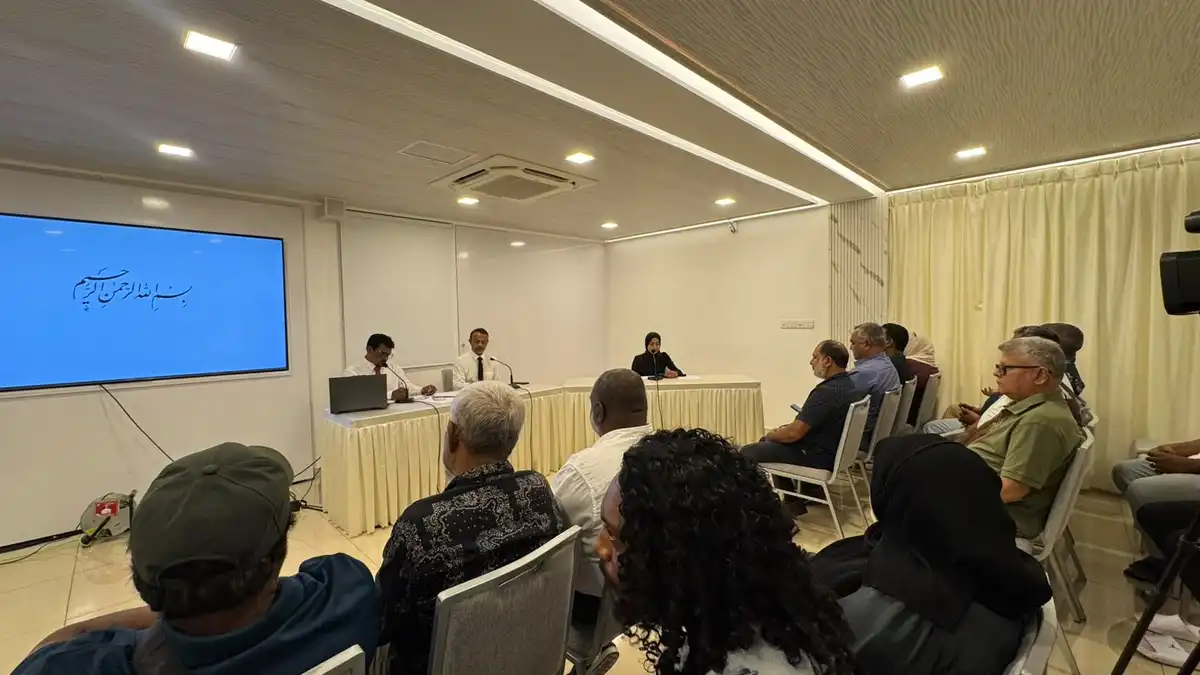
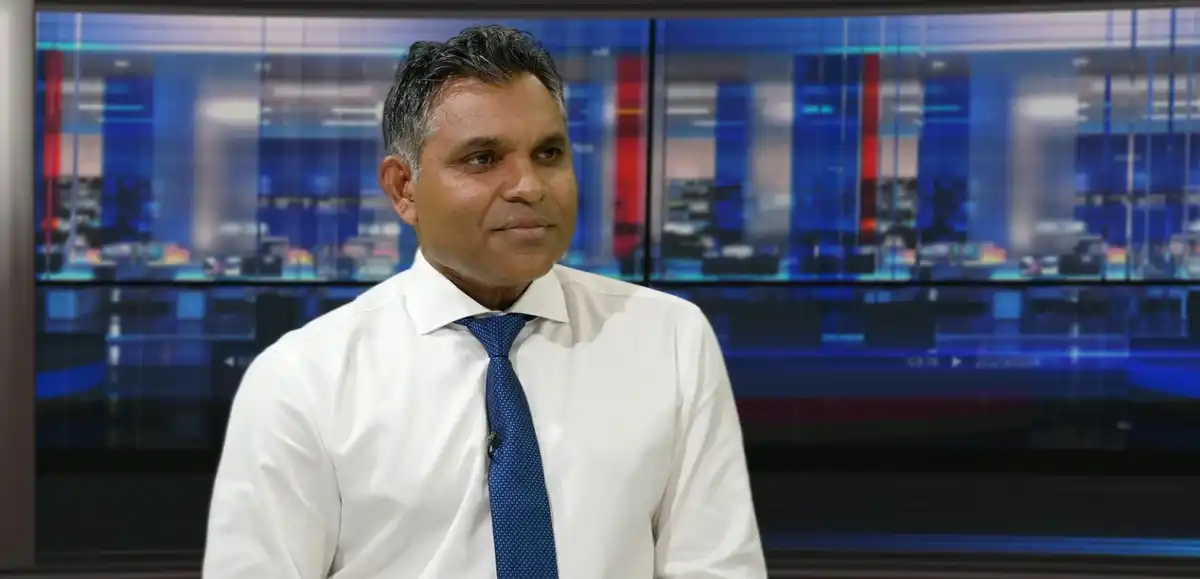
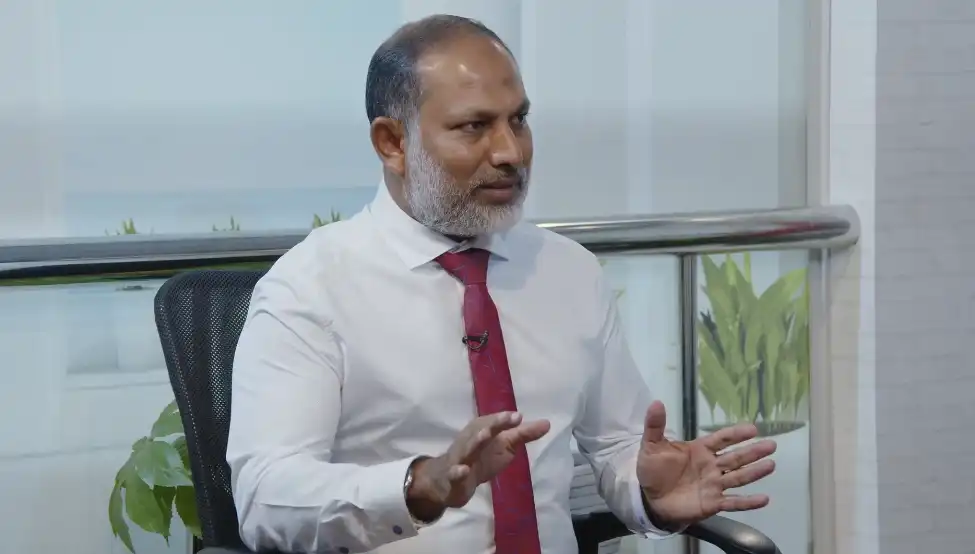
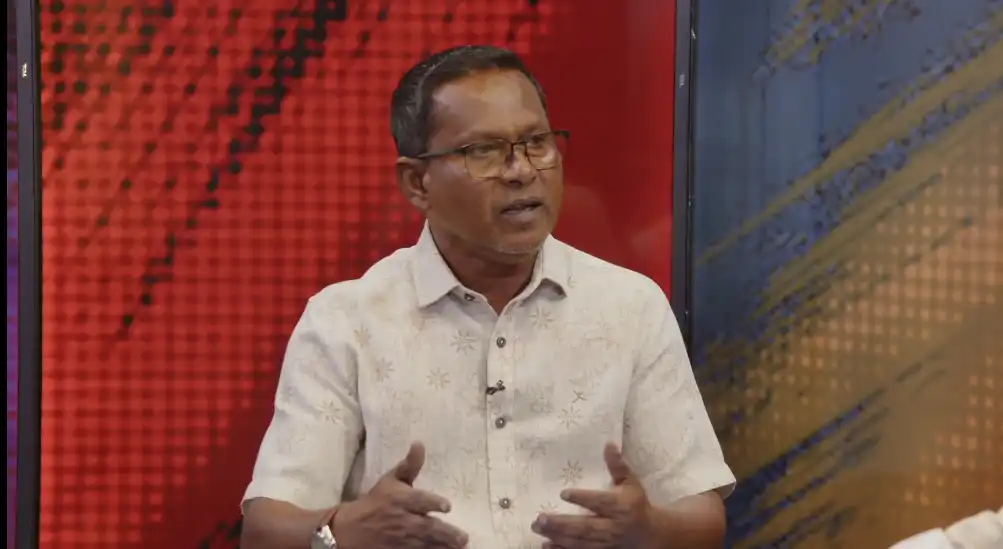
Financial expert Ismail Zariyand speaks at the special forum titled "Dhivehinge Bin Dhivehinnah." | RaajjeMV
Financial expert Ismail Zariyand has expressed skepticism regarding the Ras Male' project, stating that he does not believe the government will reap significant benefits from it over the next decade. He further noted that the project is unlikely to generate the level of revenue currently projected by the administration.
Speaking at the "Dhivehinge Bin Dhivehinnah" forum held Saturday night, Zariyand stated that while the government claims the project will yield a substantial profit of between $12 billion and $20 billion, the actual figures remain unclear due to conflicting data reported across different platforms. He further highlighted the complexities of engaging with foreign companies, cautioning that this is not a project where 5,000 housing units will materialize overnight following the signing of an agreement, nor will the entire Ras Male' area be populated instantaneously.
Zariyand further noted that the government's claims are inconsistent with the track record of companies like Eagle Hills, specifically regarding their operational speed and the typical duration required to complete projects of this nature.
He noted that while the government claims approximately 15,000 housing units will be constructed over the next decade—leading up to 2037—the current pace of Eagle Hills suggests that a maximum of only 3,950 units can be completed within that timeframe. Furthermore, he stated that considering the practical realities of the Maldivian labor environment, it is more likely that only about 1,050 housing units will actually be finished.
Highlighting that Ras Male' must evolve beyond a mere housing project into a fully functional township, Zariyand stated that investors will be required to fund the establishment of essential infrastructure, including hospitals, mosques, churches, police stations, schools, and other vital public services.
Consequently, he stated that while providing housing is essential, the necessity of investing in healthcare access, safety, and other critical infrastructure means that only an estimated 1,050 housing units can be developed.
Referring to the land reclamation costs, Zariyand stated that the government has failed to provide a clear and transparent breakdown of the actual expenditure incurred for the project. While some sources suggest the cost could range between $600 million and $700 million, he estimated that reclaiming 500 hectares of land alone, excluding coastal protection, would currently cost between $272 million and $300 million on average. He further noted that if the project were to be completed in its entirety, including the installation of revetments and coastal protection, the total expenditure would exceed $700 million.
Furthermore, Zariyand noted that the construction of the promised 5,000 housing units is projected to begin in 2027 and conclude by 2028. He expressed concern that since these units are being developed in Hulhumalé Phase 3—an area designated for luxury housing—it remains unclear whether they are intended for social housing. He also highlighted that while the government is contributing 10 percent, it must be remembered that land in Hulhumalé carries significant value, a fact reflected in the valuations previously established by the Ministry of Finance.
He further noted that if the government covers the land costs to provide the 10 percent stake, and considering that developers will only generate revenue through installment payments as residences are sold, he does not believe the government will realize any significant profit from this project over the next decade.
Zariyand stated that the government's projected revenue from this project is expected to fall short by approximately 300 million. He further noted that the government is unlikely to recover the land reclamation costs or the value of the plots allocated from Hulhumale' within the next decade. This is because tax revenue cannot be generated until these areas are fully populated and developed, he explained.