Abolition of atoll councils has posed a significant challenge for island councils: Feevah Council President
23 އޮކްޓޯބަރު 2026 | ހުކުރު 10:48Feevaku Council President Ali Rasheed emphasized the vital role of Atoll Councils in strengthening the administrative operations of island councils, asserting that local authorities must be granted full autonomy in recruitment. He further highlighted that the limited number of council members in smaller populations poses significant challenges in decision-making processes and general administrative functions.

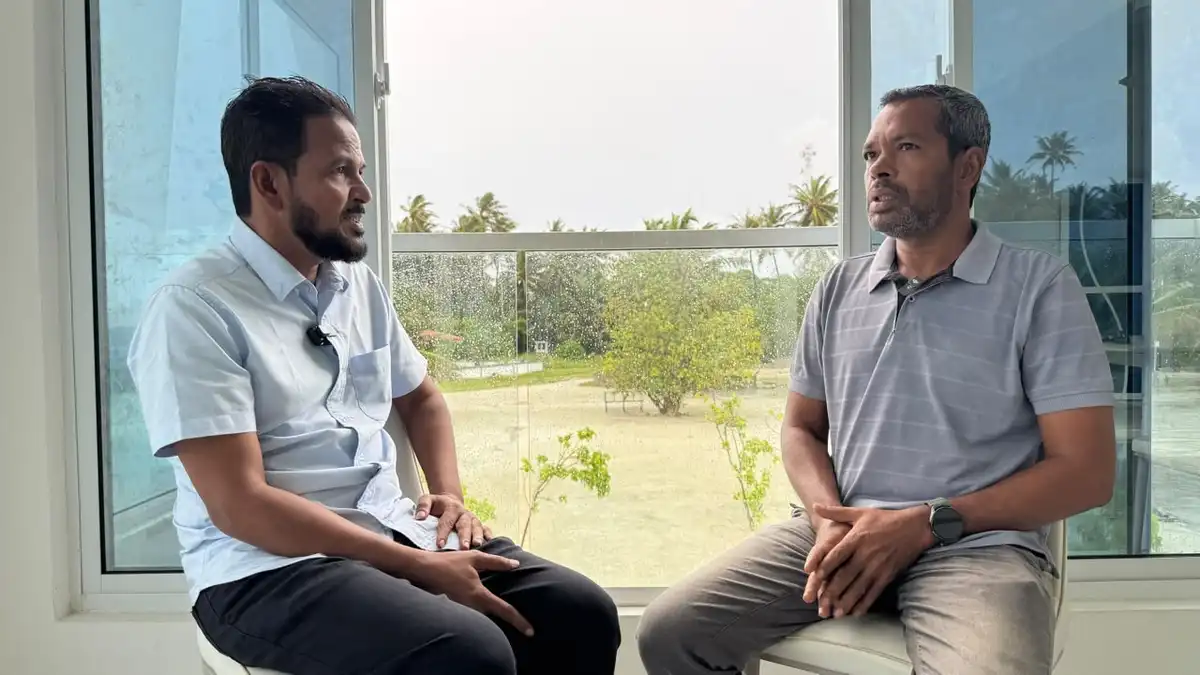
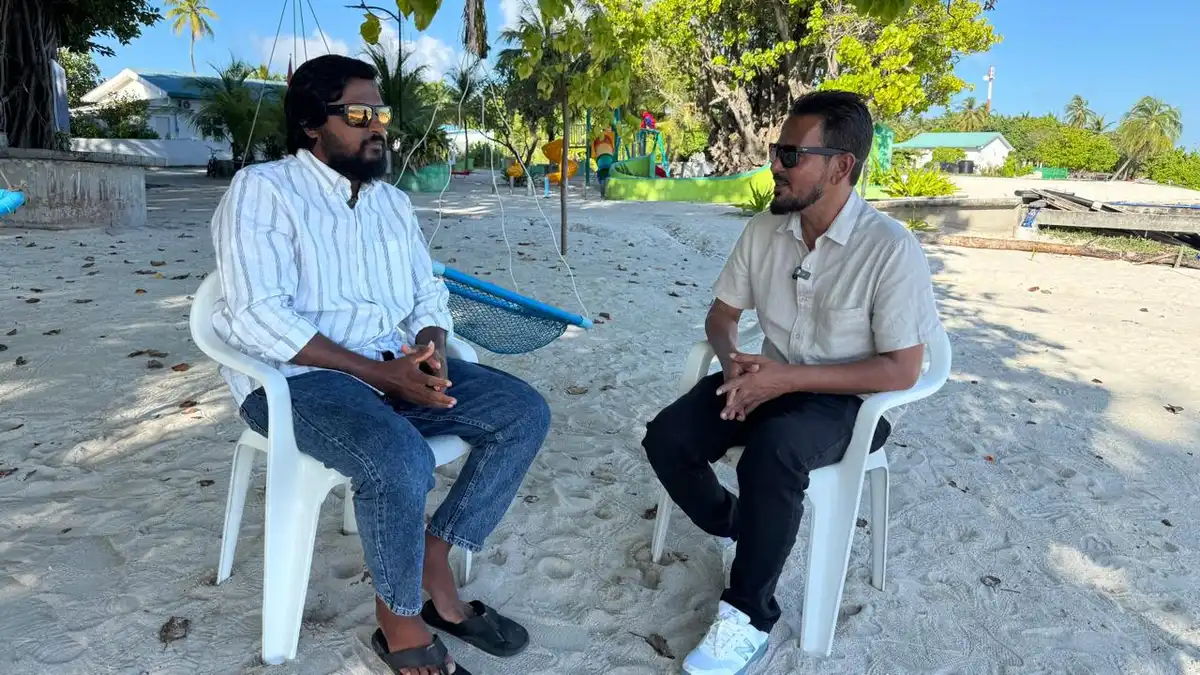
Sh. Feevah Council President Ali Rasheed speaking during Friday's "Fashaairu" program. | RaajjeMV
The President of the Shaviyani Feevah Island Council, Ali Rasheed, has stated that the dissolution of atoll councils under recent legislative changes to the decentralization system has posed significant challenges to the administration of island councils, describing the move as a difficult change to accept.
Speaking on Friday's "Fashaairu" program, Ali Rasheed stated that during the initial formation of the councils, there were significant challenges in working alongside administrative staff. He also expressed his gratitude to the Shaviyani Atoll Council, highlighting their vital support in helping the Feevah Council reach its current standing.
Ali Rasheed stated that the Atoll Council has been conducting visits to islands either annually or every six months to assist with administrative matters and provide essential training for staff. He further noted that the inclusion of Island Council Presidents within the Atoll Council, working collaboratively, has led to significant progress in both the administrative efficiency and the overall development of the entire atoll.
The dissolution of the Atoll Council has caused significant difficulties for the island councils. Although this change under the Decentralization Act was unexpected, I believe it has become one of the primary challenges we face in managing the administration of our islands.Ali Rasheed
Furthermore, Ali Rasheed criticized the existing regulations that require local councils to obtain prior authorization before hiring new employees.
In this regard, he stated that elected leaders must have the discretion to recruit an adequate number of staff within their allocated budget.
I do not believe that any island council, led by representatives elected by the people, would recruit staff excessively or spend beyond reasonable limits. By the time we exhaust the budget on such recurring expenditures, we find ourselves depleted. There is simply nothing left to achieve beyond that.Ali Rasheed
Regarding the number of councilors in small populations, Ali Rasheed stated that unlike high-revenue councils such as the Male' City Council, small island councils lack sufficient income, often requiring the councilors themselves to engage in manual labor. He further noted that the lack of local employment opportunities is one of the primary reasons residents are forced to migrate away from their home islands.
Ali Rasheed stated that while operating with only three councillors in smaller islands is feasible, it presents significant challenges in practice.
However, significant challenges remain. For instance, even taking a vacation is a difficult task. Leaving the council in the hands of a single individual essentially brings operations to a standstill. Furthermore, it complicates the decision-making process, as there is no way to reach a majority consensus.Ali Rasheed
Ali Rasheed stated that since the core principle of the decentralization system is to enhance public participation, having five members on the council ensures that the views and involvement of a broader segment of the community are incorporated into the decision-making process.