Ali Hussain: Registrar has no authority to reject landmark Ras Male' case
14 އޮކްޓޯބަރު 2026 | ބުދަ 07:52The Supreme Court Registrar’s decision to dismiss a constitutional challenge against the government’s agreement with Eagle Hills for the development of Ras Male' will be appealed to the bench of justices. Although the case was rejected on the grounds that it does not fall under the Supreme Court's original jurisdiction, the petitioner, attorney Ali Hussain, contends that the Registrar exceeded their legal authority in making such a determination.


Former Member of Parliament for the Kendhoo constituency and prominent lawyer, Ali Hussain, speaking during an appearance on RaajjeTV’s "Fala Surukhee" program. | RaajjeMV
Legal expert and petitioner Ali Hussain has asserted that the Ras Male' agreement case is one of the most significant constitutional matters of public concern ever brought before the Supreme Court, arguing that the Registrar does not have the authority to reject the case.
Speaking to a local news outlet, legal counsel Ali Hussain stated that a decision on the admissibility of the case filed regarding the Ras Male' agreement must be determined by the bench following formal hearings. Ali Hussain further asserted that the Registrar does not have the legal authority to reject the case.
Ali Hussain stated that the Ras Male' agreement case is one of the most significant constitutional matters ever brought before the Supreme Court in terms of public concern, and confirmed that the decision will be appealed before the full bench of judges.
The Supreme Court of Maldives has dismissed a constitutional case filed in the public interest, which challenged the validity of the "Commercial Terms Agreement" signed between the Maldivian government and Eagle Hills company for the development of Ras Male'.
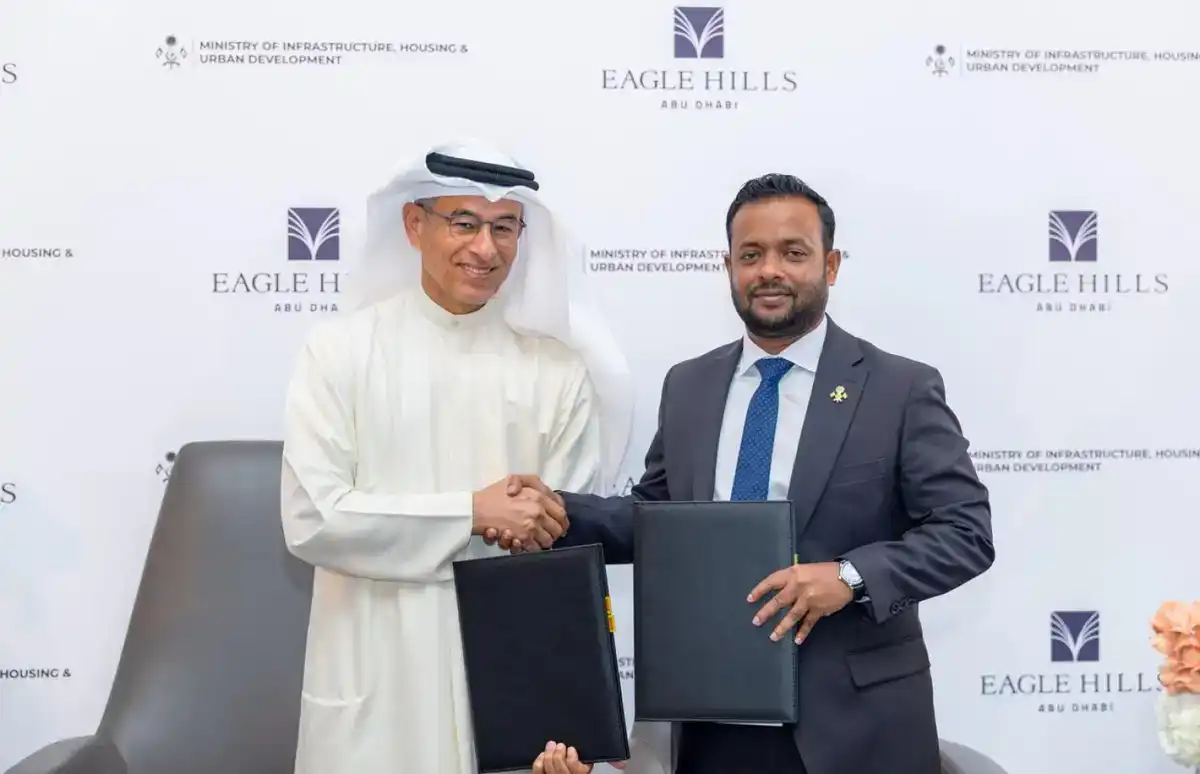
Legal practitioner Ali Hussain has filed a constitutional case with the Supreme Court, challenging the validity of an agreement signed on September 21, 2026, between the Ministry of Infrastructure, Housing, and Urban Development and Eagle Hills, a company based in the United Arab Emirates (UAE).
The case was dismissed on the grounds that it cannot be accepted by the Supreme Court. The court ruled that the matter does not fall under the category of cases required to be filed directly with the Supreme Court as a court of first instance, as stipulated in Section 11 of the Judicature Act of the Maldives.
The case filed with the Supreme Court contends that the Maldives lacks a legal framework authorizing the state to lease public property to foreign entities for a single term of 99 years. The petition further asserts that any agreement to lease land to foreign parties for such an extended duration without legal authority constitutes a direct violation of Article 250 of the Constitution.