Rhetoric of righteous caliphs collides with raw political reality
25 އޯގަސްޓު 2026 | އަންގާރަ 13:48While Saleem recounts the history of the Caliphs daily, it would be most appropriate for him to also draw a comparison between the conduct of the Caliphs and the actions of the current leader

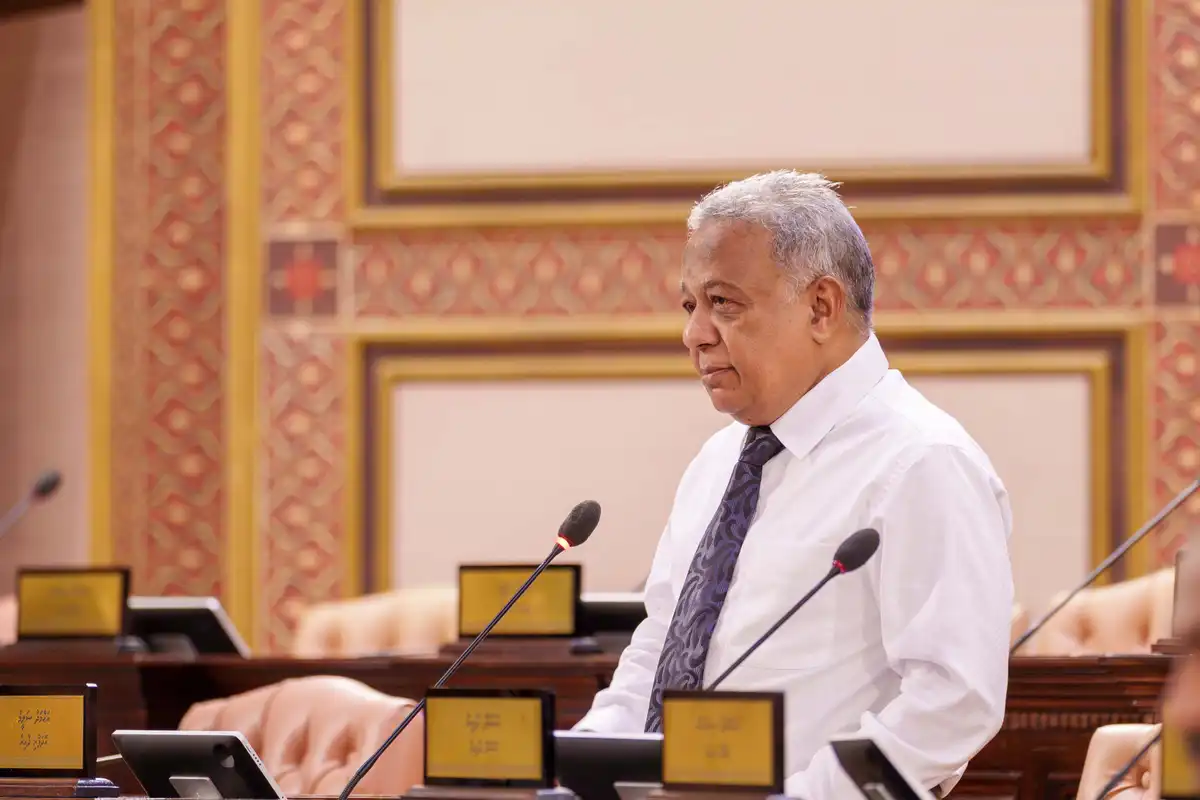
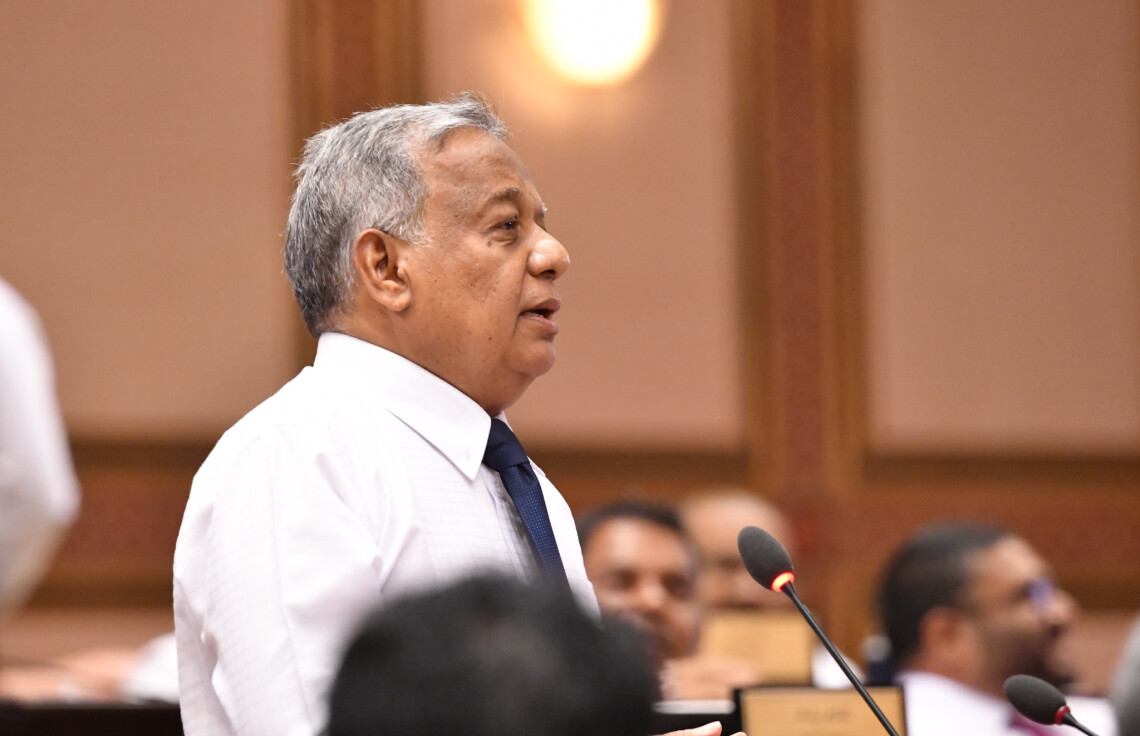
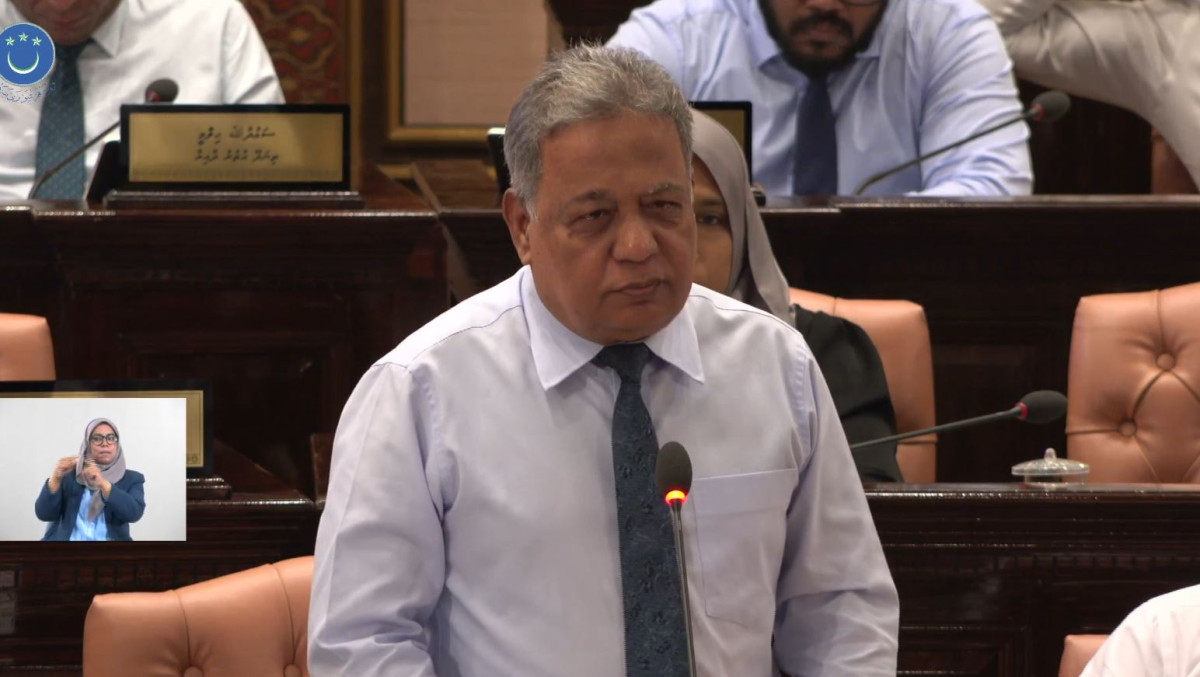
Deputy Speaker of the People's Majlis and Member of Parliament for the Eydhafushi constituency, Ahmed Saleem | People's Majlis
A few politicians invoke the era of the early Islamic Caliphs with as much sheer frequency as Ahmed Saleem, the Deputy Speaker of the People’s Majlis and Member of Parliament for Eydhafushi constituency.
During a recent legislative sitting, the lawmaker once again dipped into antiquity to justify modern state overreach. Addressing proposed revisions to the Decentralization Act, he reminded his colleagues that while the historical Caliphs designated regional governors, supreme authority remained firmly centralized in the ruler’s hands to overhaul policies and unilaterally reverse any local decree.
In Saleem’s view, the current Head of State ought to possess identical unchecked powers over contemporary island councils, including the prerogative to override their resolutions at will and confiscate municipal land and assets whenever the executive sees fit.
Public accountability versus petty extravagance
Saleem seems eager to borrow the absolute authority of the Caliphate yet completely ignores the ferocious standard of personal accountability that defined it. Historical records recount the renowned moment when Caliph Umar ibn al-Khattab climbed the pulpit to deliver a religious address, only to be stopped in his tracks by an ordinary citizen demanding to know how his long tunic was tailored from a single, modest allocation of public fabric.
Far from silencing the dissenter or flexing executive muscle, the leader halted proceedings entirely until it was proven that his own son had surrendered an individual share of cloth to help complete the garment.
Price of an oil lamp and a paycheck advance
Equally inconvenient for today’s power-hungry politicians is the legacy of Caliph Umar ibn Abd al-Aziz. When an acquaintance visited him late at night to discuss a private matter, the ruler deliberately blew out the lamp illuminating his workspace, flatly refusing to burn state-funded oil for non-governmental business.
On another occasion, when his spouse pleaded for funds to purchase new outfits for their children, the leader acknowledged his empty pockets. His wife suggested requesting an early advance on his upcoming monthly wage, prompting a formal inquiry to the public treasury.
The state treasurer famously scribbled on the back of the parchment, asking whether the sovereign could personally guarantee his survival into the next month to earn those funds.
Shamed by the truth, the ruler instantly dropped the matter.
Purges, takeovers, and central bank maneuvers
One wonders how closely the administration Saleem tirelessly defends mirrors this legendary restraint. When trustees on the Pension Fund Board dared to resist official attempts to withdraw state-managed retirement savings, the state simply sacked them and seized the funds anyway.
When the Maldives Monetary Authority proved insufficiently pliable to political directives, the administration installed an executive loyalist and former ministerial adviser into the Governor's seat.
Quiet charity in the dust versus HD PR
True humility in governance was epitomized during the rule of Abu Bakr, whom Umar secretly tailed after dawn prayers into the dusty fringes of the capital. Slipping into a decrepit shack after the leader departed, Umar discovered a sightless, elderly woman who had no idea the man tidying her home, doing her laundry, and preparing her daily meals was the supreme ruler of the state.
Compare that selfless anonymity to the spectacle orchestrated today, where the president stages citizen encounters encircled by glaring lenses and roaming camera crews. Private desperation and raw human anguish are beamed across the airwaves for national consumption, turning personal vulnerability into public relations theater.
If Saleem insists on preaching the virtues of ancient rulers every single day, he ought to muster the honesty to hold his own government’s shameless conduct up against that very same mirror.