Art of stealing credit and dodging blame the 'Muizzu way'
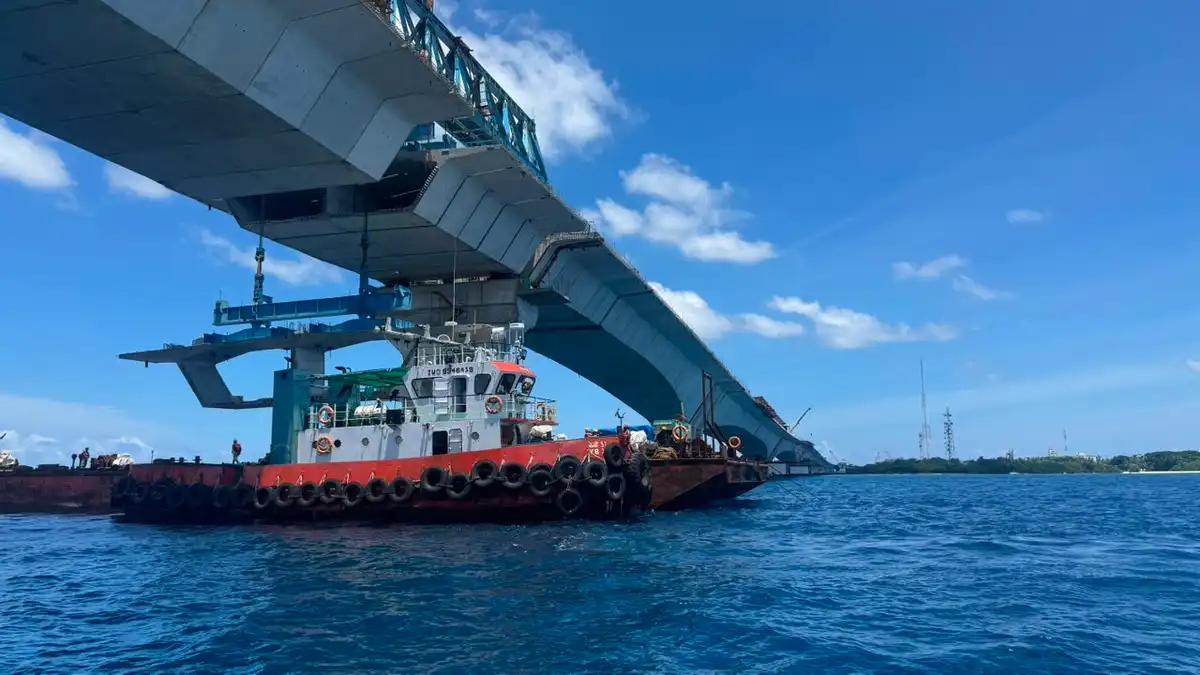
24 އޯގަސްޓު 2026 | ހޯމަ 12:03Many have criticized the current administration for claiming credit as the Thilamalé Bridge project progresses at a rapid pace. This practice of taking ownership of the successes of a project initiated by the previous government, while simultaneously blaming that same administration for any difficulties or economic challenges, has been dubbed the 'Muizzu logic'

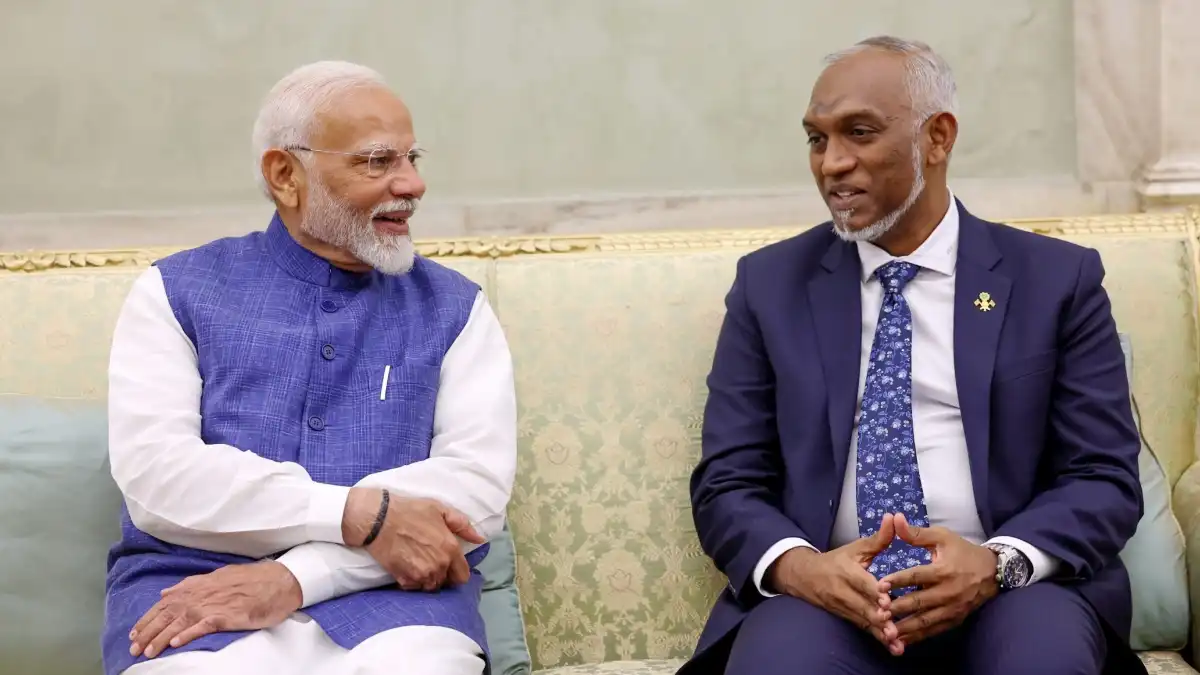
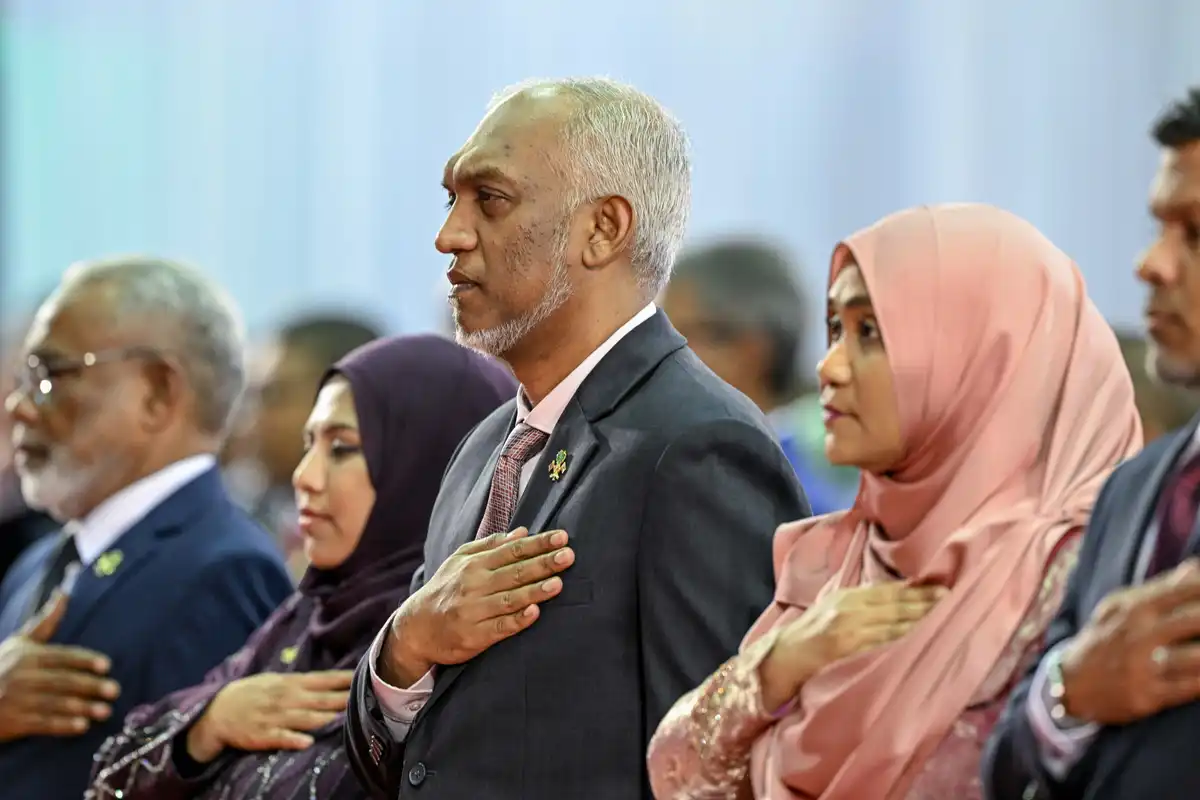
President Muizzu meets with India PM Modi | Presidents Office
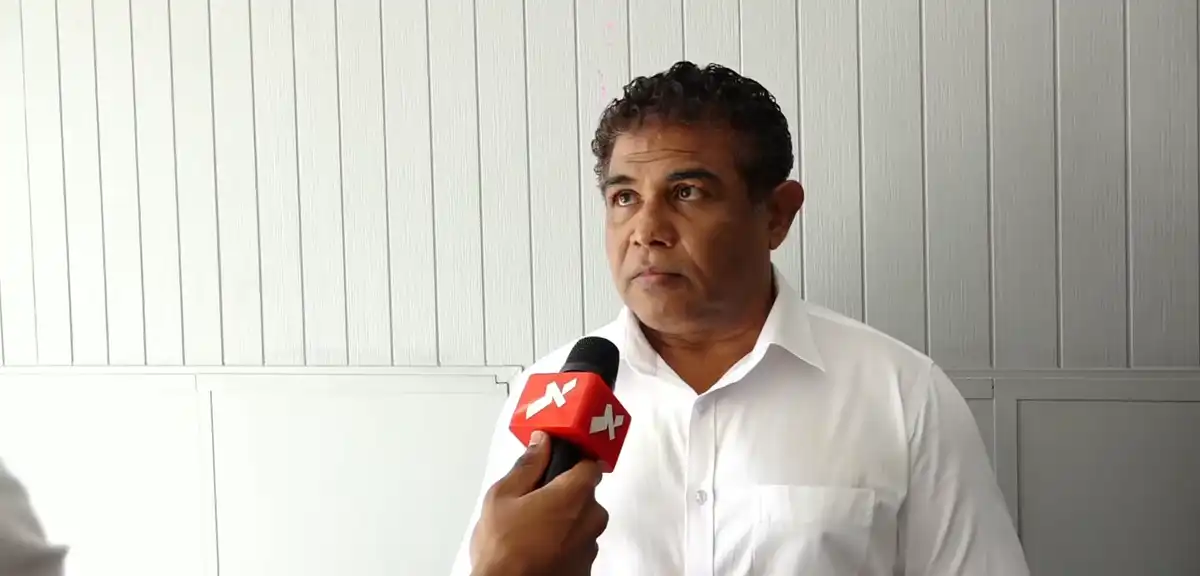
A pedestrian caught me off guard on the road the other day, shouting out to ask if this was genuinely how President Dr. Mohamed Muizzu operates. When pressed to explain his agitation, the stranger followed up by asking if the national debt was simply going to be dumped on the prior administration. After I asked him to make sense of the riddle, he bluntly stated that this summarized the core logic of the current leadership, turning on his heel and vanishing down the sidewalk without uttering another word.
Rewriting the narrative of a megaproject
That bizarre exchange lingered in my mind as reports broke regarding the start of bridge connection operations. Politics is notoriously dirty, filled with partisans who eagerly parrot attacks designed to demean and diminish the accomplishments of whoever held power before them.
Nowhere is this hypocrisy more glaring than the saga of the Thilamalé Bridge. In the beginning, ruling party loyalists hurled nonstop insults at the workforce, branding them entirely inept. According to those faithful to the main ruling People’s National Congress (PNC), the Indian contracting team was completely incompetent and working at an agonizingly sluggish pace. They spent months ridiculing the workers, fabricating outrage over crooked support pillars, and claiming the iron supports were deteriorating with rust. All of this was weaponized as definitive proof that former President Ibrahim Mohamed Solih was incapable of running the country. The complaints were endless, piling scorn on every single inch of concrete.
From bitter mockery to shameless praise
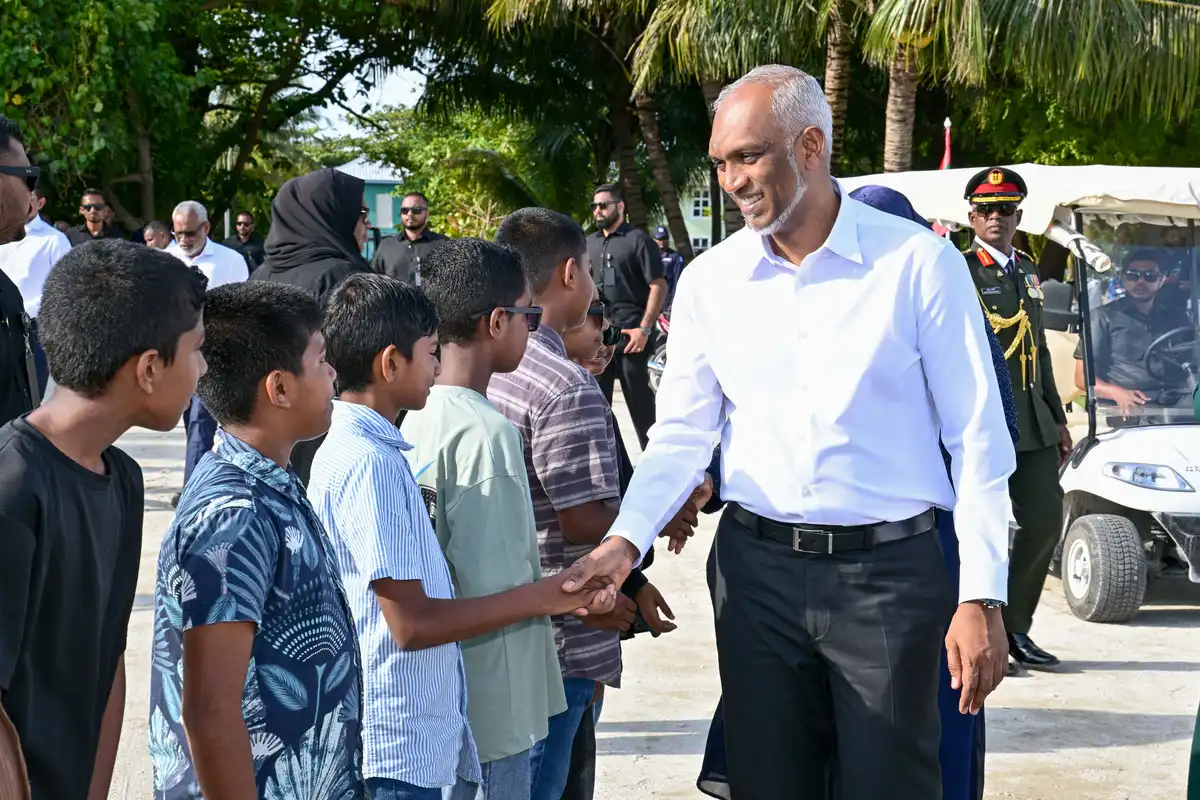
Then, the narrative flipped overnight. As soon as the final phase linking the capital to Villimalé got underway, a manufactured wave of excitement erupted across the ruling camp. State-sponsored online influencers and party loyalists flooded timelines in coordinated unison, showering President Muizzu with adulation for his supposed genius, and unmatched competence. Suddenly, the very project they spent years trashing became an economic triumph and a historic mega-development credited entirely to the current head of state. Partisan feeds overflowed with competitive displays of gratitude, saturated with slick promotional videos and flattering snapshots.
Reality behind the concrete
This brazen attempt to hijack ownership of a massive infrastructure undertaking conceived and executed under the Solih administration is staggering. Old hatred has simply been repackaged as fresh glory, completely ignoring their previous talking points, with the head of state himself jumping in to take the bow.
However, this daylight delusion ignores what ordinary citizens already know. The public is fully aware of who started this crossing. While former officials openly conceded that timelines dragged due to harsh marine conditions and unexpectedly grueling sea-floor work, operations ran continuously around the clock. That continuous twenty-four-hour grind was confirmed by former Youth Minister Mahloof, an official the current regime paradoxically selected as the nation’s diplomatic envoy to Japan.
Stealing the spotlight at the finish line
Anyone with basic knowledge of engineering understands that establishing underwater foundations is the most arduous, and hidden phase of construction. Once the underwater piling is finished and structures emerge from the ocean, onlookers easily forget the grueling foundational labor beneath the surface. It took years to drive those heavy pillars deep into the seabed, leaving the current administration to conveniently swoop in just as the superstructure became visible, claiming unearned glory for simply being in office when the pieces snapped together.
Double standard playbook
Spinning fairy tales cannot rewrite the history of the Thilamalé bridge, but it perfectly illustrates the ruling mindset. When a major venture succeeds, the credit is aggressively hoarded at the top, but whenever disaster strikes, the previous government is made the scapegoat.
We saw the exact same playbook used to hijack credit for developments at both Velana International Airport and Hanimaadhoo Airport as soon as those facilities showed tangible progress. Meanwhile, when faced with their own botched execution on the northern stretch of Ameenee Magu, a spiraling foreign exchange crisis, and uncontrolled national debt, the administration suddenly points the finger backward, blaming their predecessors for every failure on the ledger.