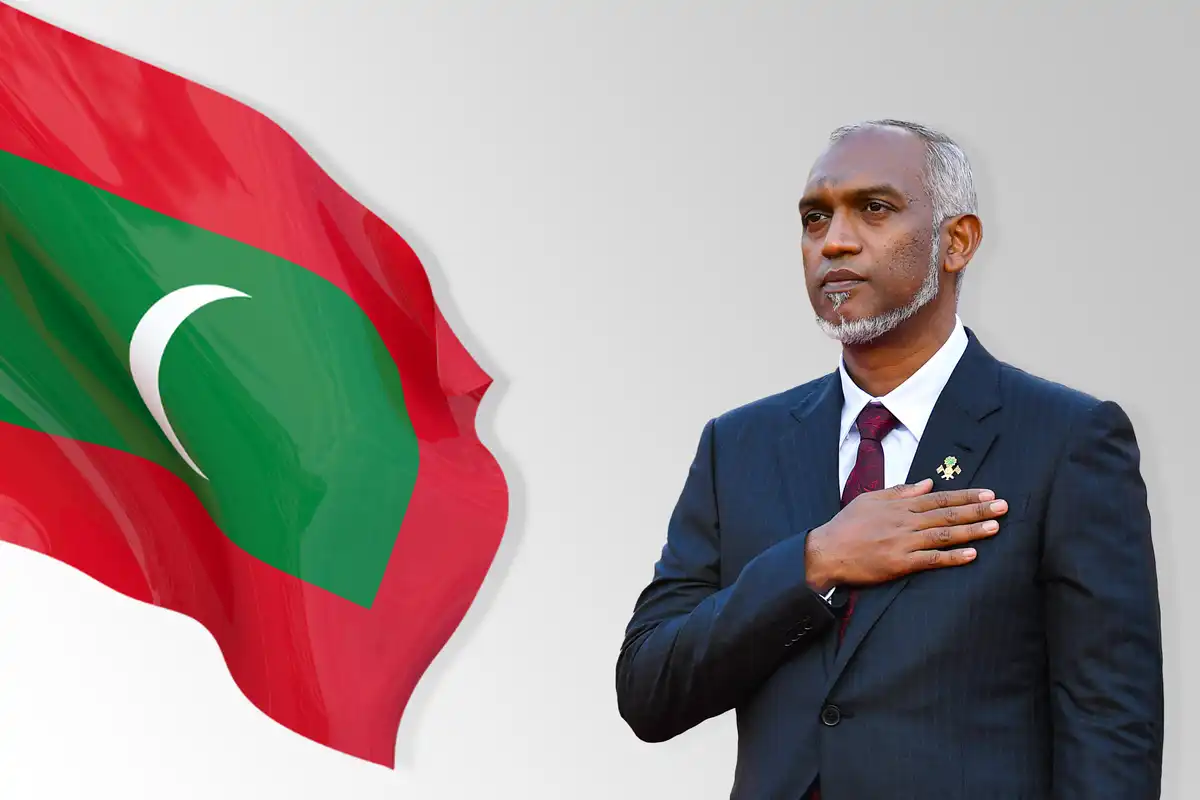
Real struggles reduced to political cinema
24 އޯގަސްޓު 2026 | ހޯމަ 12:03The 'Rayyithunge Adu' series launched by the President's Office is increasingly perceived as a cinematic production centered on President Muizzu, rather than a genuine mechanism for addressing public grievances. Critics argue that while the encounters are presented through a cinematic lens, the authentic hardships of the citizens are being staged as media content
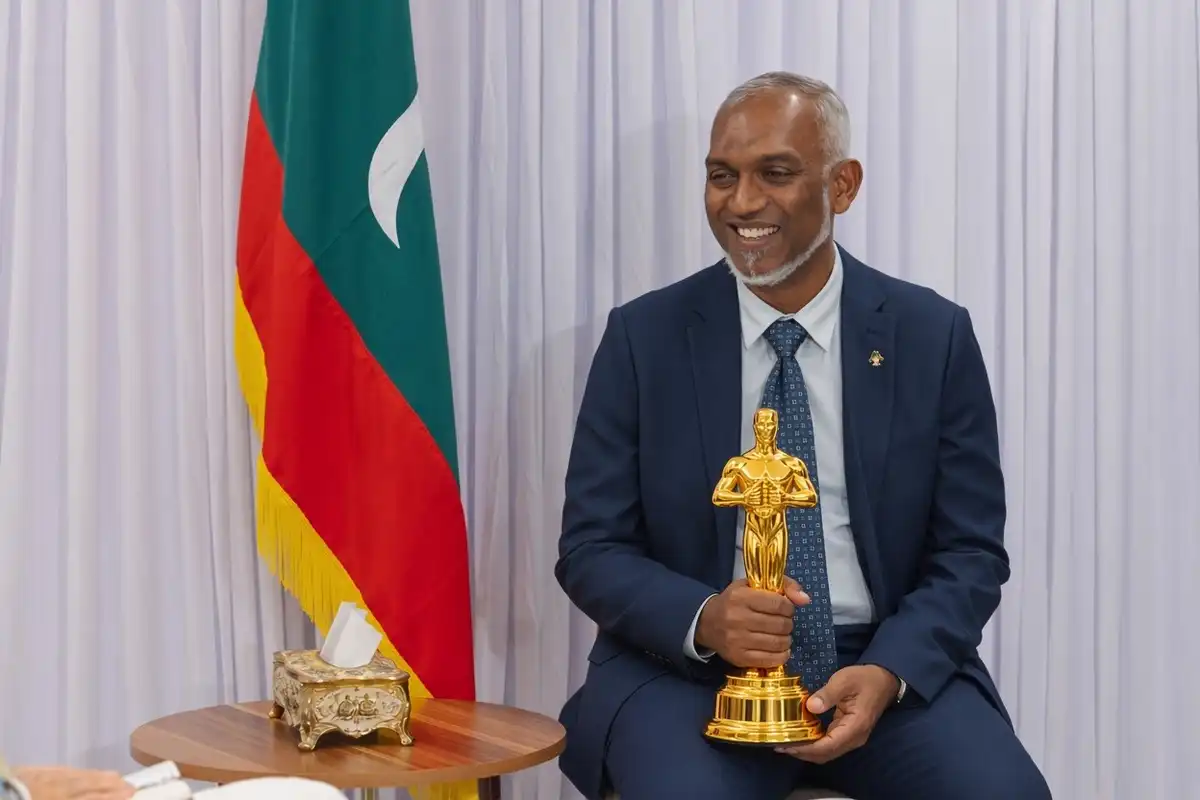
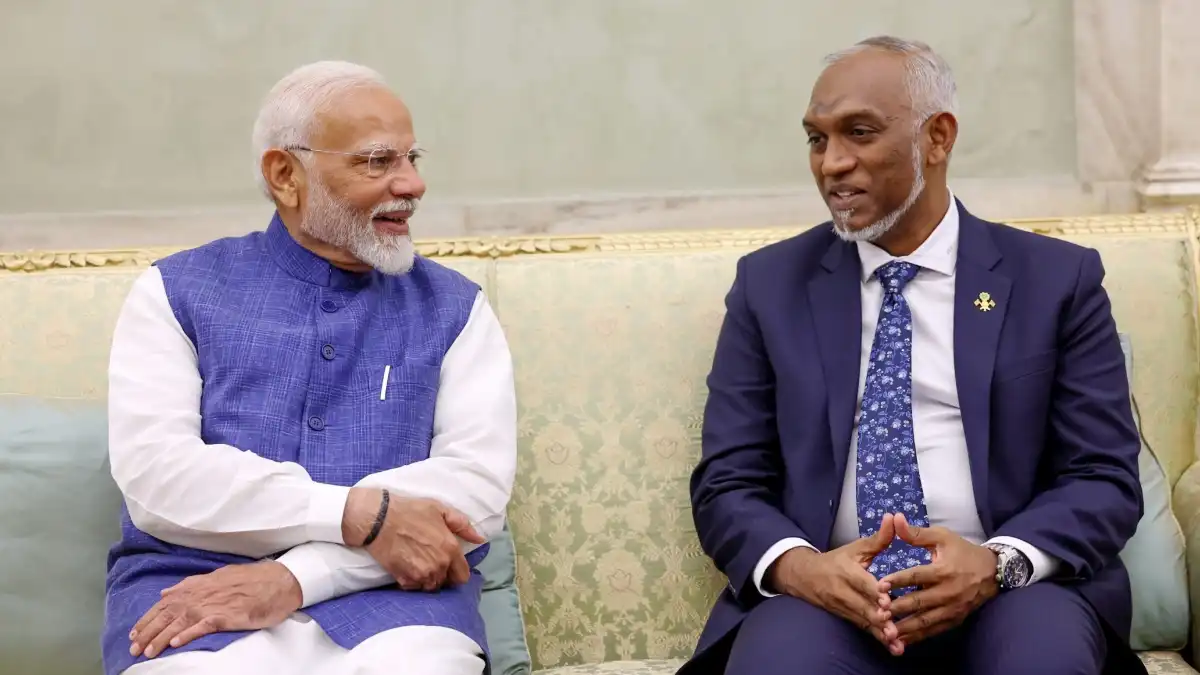
President Muizzu is an Oscar-caliber actor! | Raajjemv graphics
Everyday people with crushing, authentic troubles are running out of options, finding themselves forced to plead for help from their head of state in a position of complete vulnerability.
Desperate to make their voices heard by the Maldivian president, these citizens are begging for real remedies to their daily anxieties, taking advantage of a forum the leader supposedly created on their behalf.
However, what the public actually gets is an elaborate theatrical display. The struggling citizen is relegated to an extra in the background, while President Dr. Mohamed Muizzu seizes center stage as the star of an intensely choreographed blockbuster.
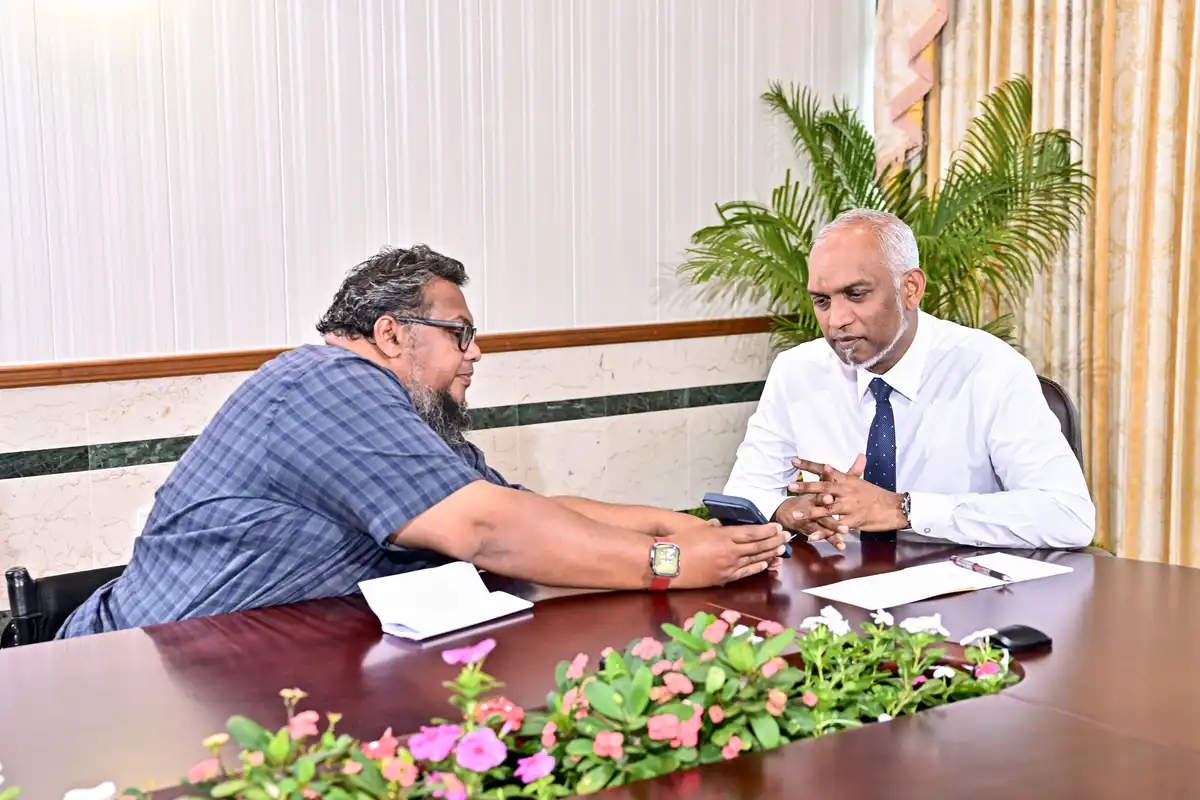
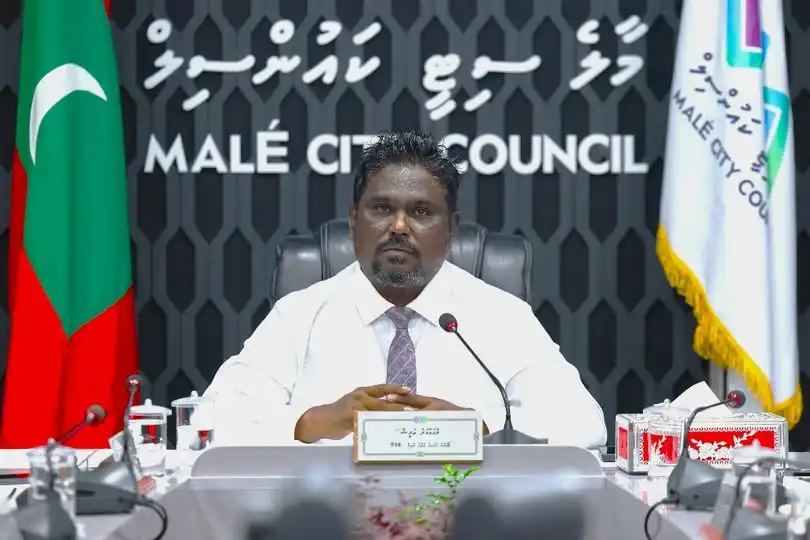
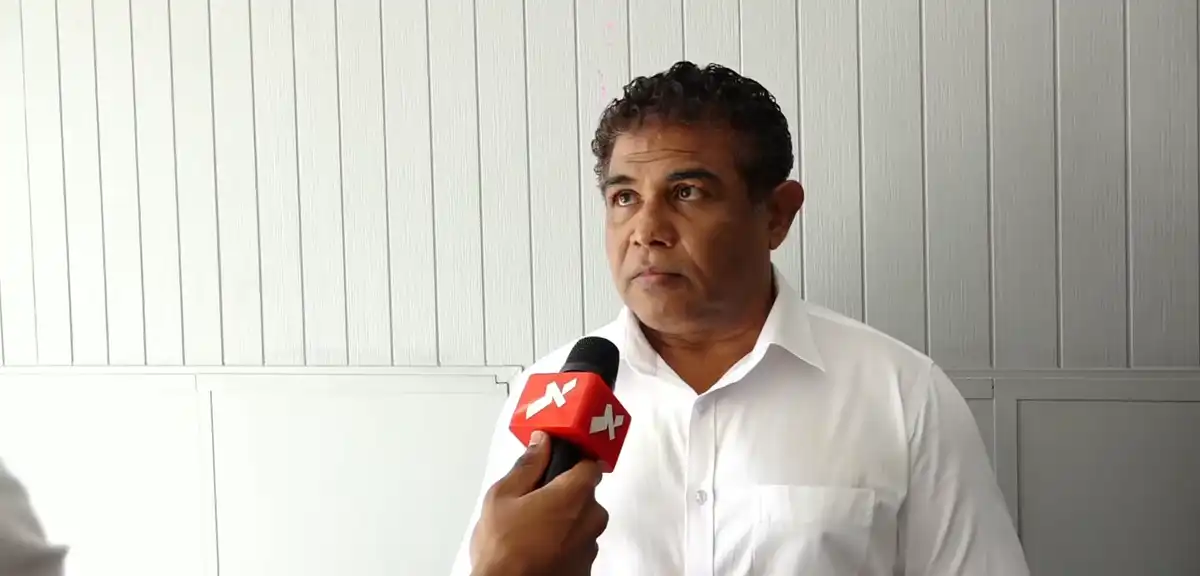
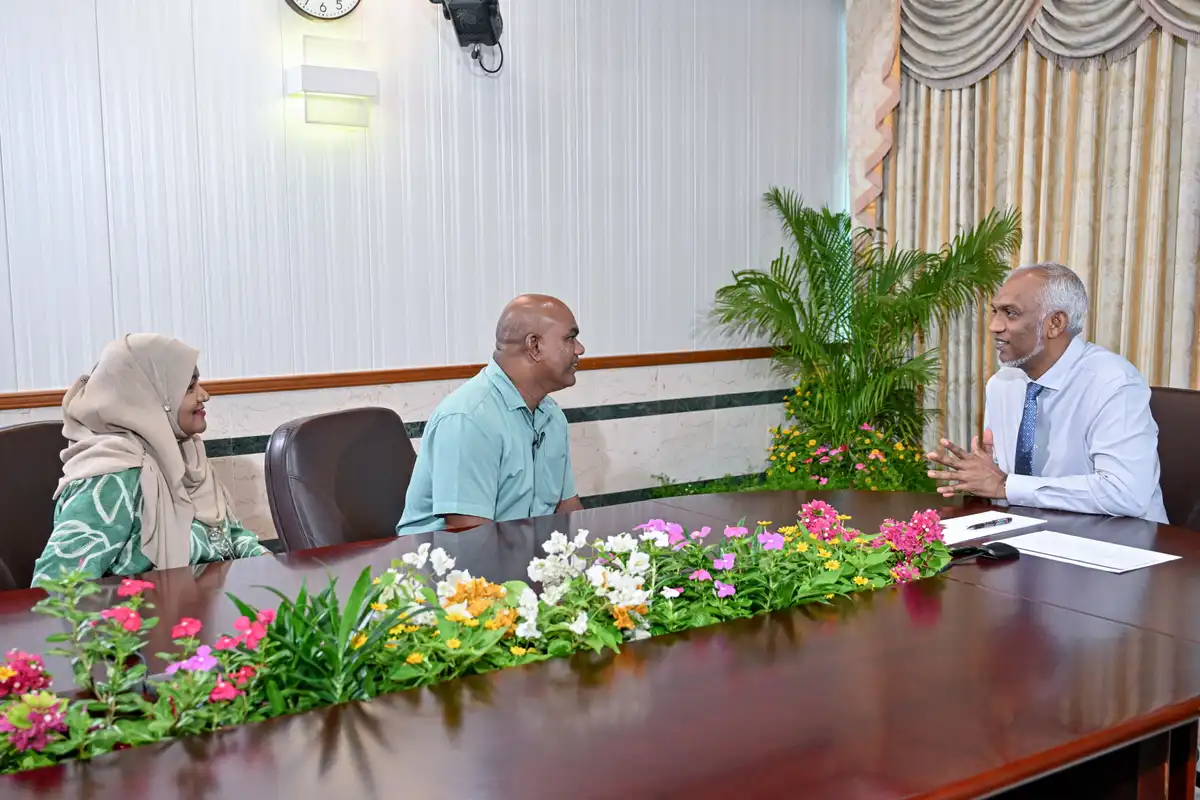
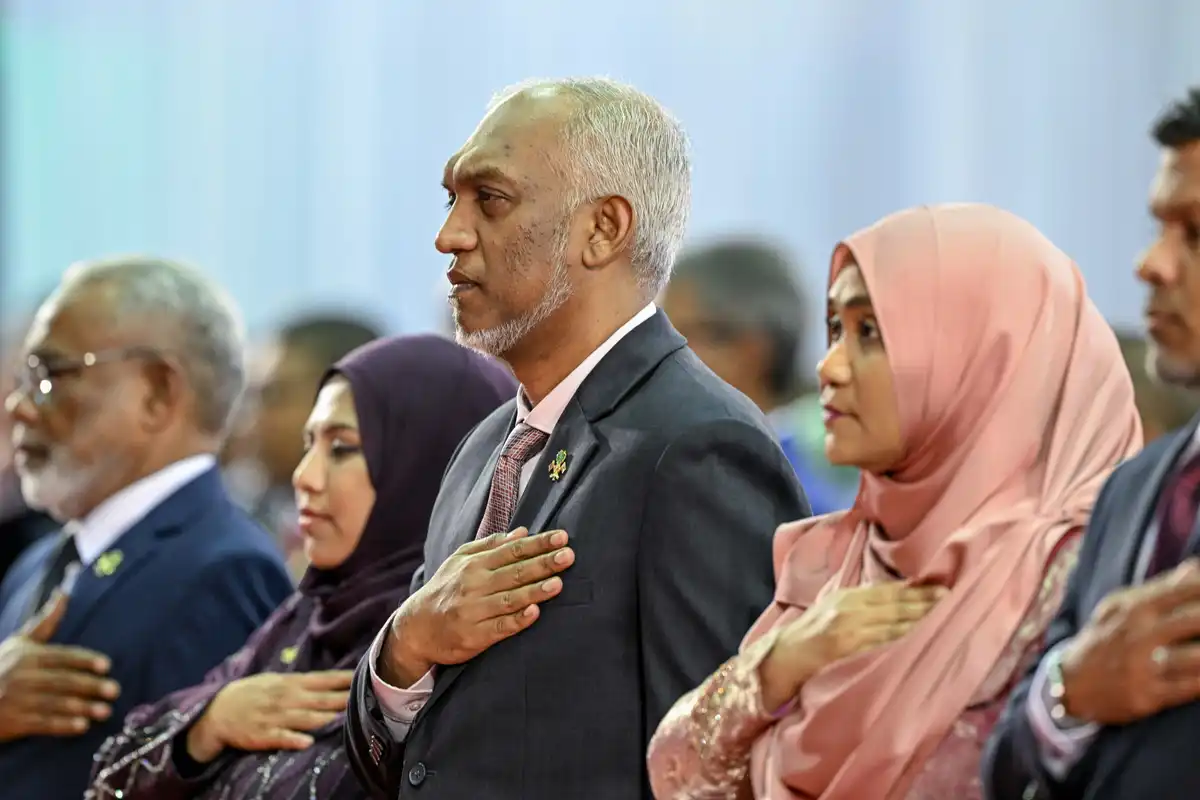
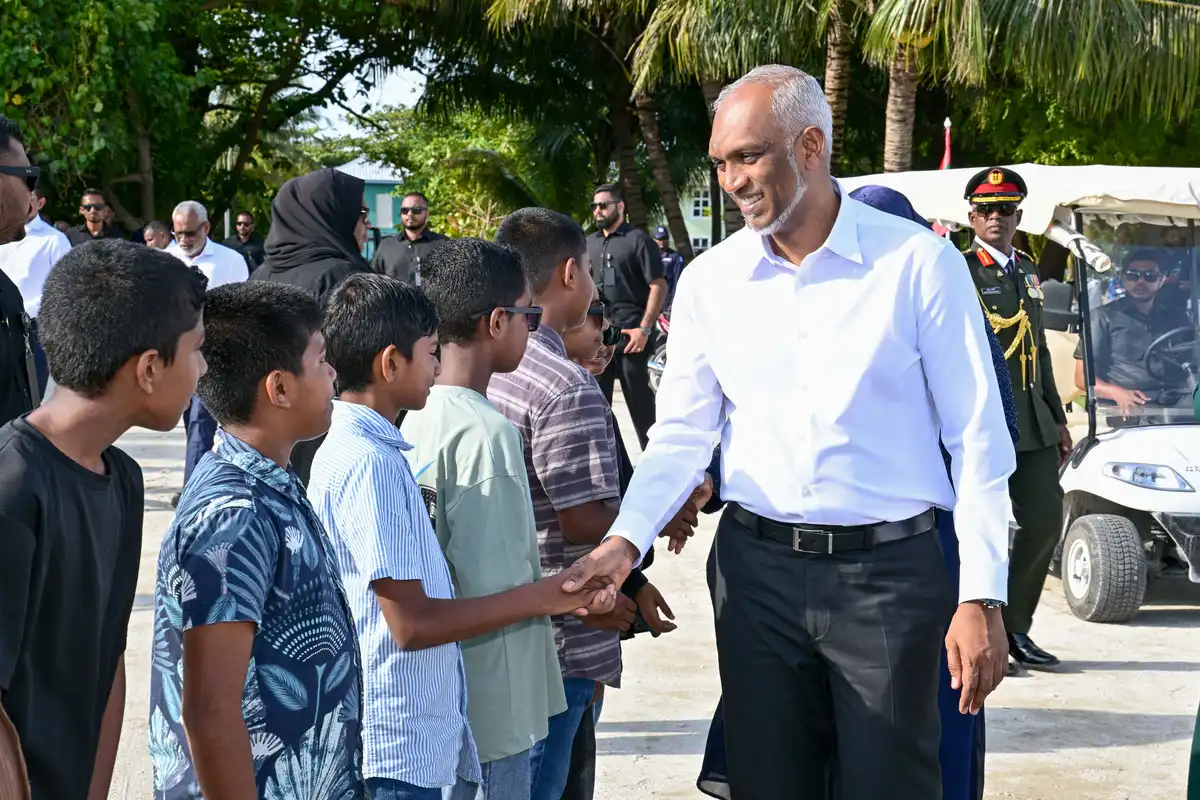
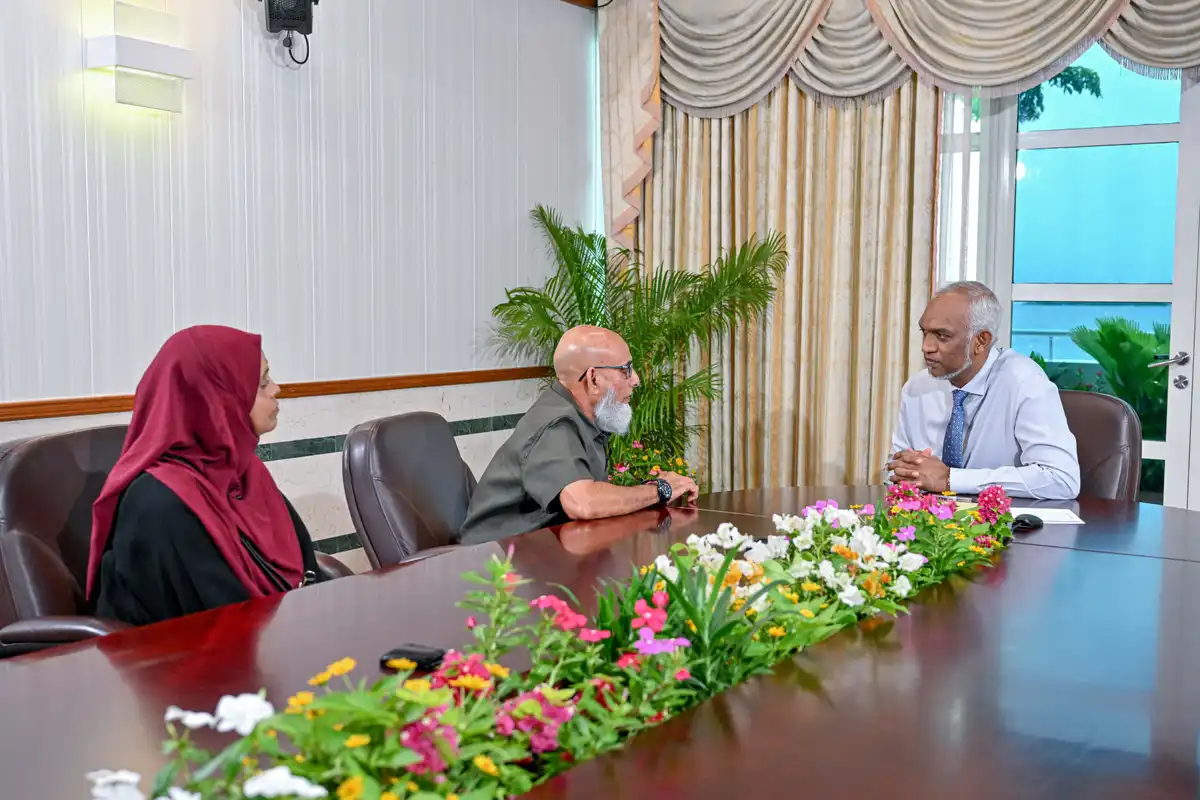
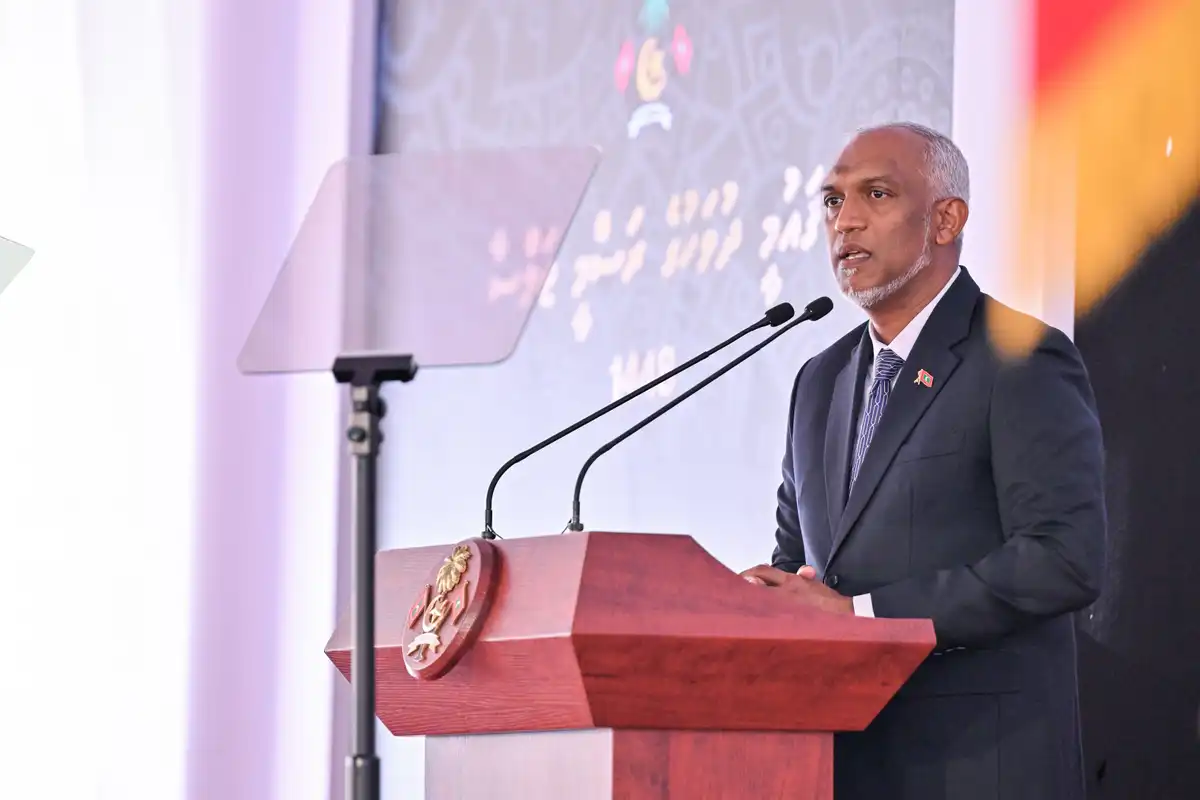
President Muizzu meets with the public in the government's newly launched Rayyithunge Adu series. | President's Office
Scripted rollout of a state production
Looking at the polished execution of the administration’s newly debuted Rayyithunge Adu series, it is evident that the crew operating behind the lens made sure not a single frame went to waste.
The President’s Office formally introduced this program, packaging it as a channel where members of the public can sit down with President Muizzu one-on-one to air their grievances straight to him.
Government officials claim this system, which registers citizens for private audiences, will eventually be expanded across every single electoral constituency in the country.
So far, the public has been treated to the first two broadcasted installments across television and social media networks.
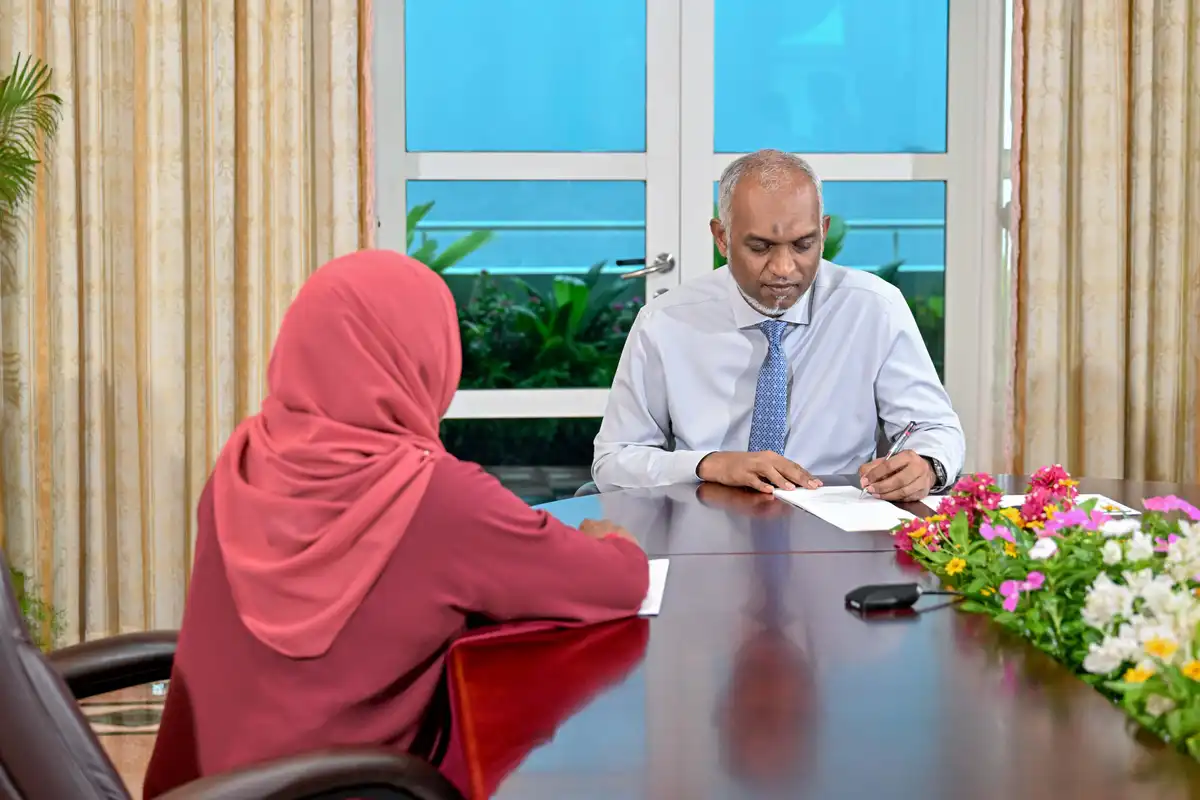
President Muizzu meets with the public in the government's newly launched Rayyithunge Adu series | President's Office
Reality TV directing at the highest office
Regardless of its stated purpose, the visual style of these sit-downs mirrors a hyper-engineered reality television broadcast. The footage regularly cuts between multi-window layouts displaying several camera perspectives at once.
A citizen does not merely show up at the executive building. Viewers watch them step into the elevator. Viewers watch them sit in waiting areas. The audience is fed tight, intimate close-ups.
The lens will suddenly cut away to an isolated hand, an accessory, or a wristwatch. While the applicant sits patiently to face the nation's premier authority figure, the slight twitch of their fingers is put on display. The production even lingers on the process of clipping microphones onto the guests from several different camera placements.
Further, the brief journey into the executive chamber is captured from multiple dynamic perspectives, mirroring the exact aesthetic of aspiring vocalists walking into a high-stakes singing audition.
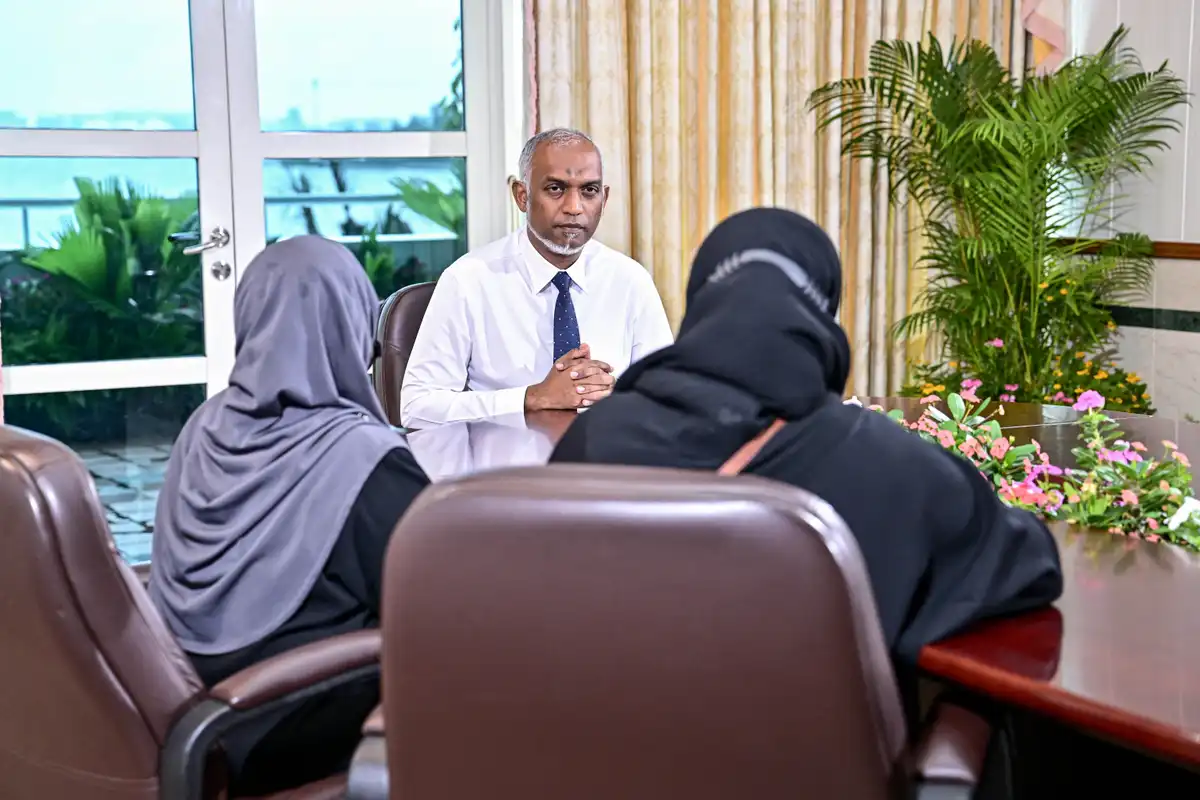
President Muizzu meets with the public in the government's newly launched Rayyithunge Adu series | President's Office
The notebook and the content factory
Eventually, the actual consultation begins. The head of state listens attentively. The citizens pour their hearts out. The camera setups transition flawlessly, with one feed tracking the president’s exact facial expressions while an alternate camera pans on the everyday speaker.
Then enters the primary stage prop of the entire broadcast: the presidential notepad. Every now and then, President Muizzu gazes downward, giving the impression that he is scribbling crucial notes.
However, his decision to write often appears completely out of sync with the substantive points being brought forward. On one occasion, he was actively writing while a visitor spoke about a mother-in-law; on another, while the conversation centered on iron. Curiously enough, he was even seen scribbling notes right in the middle of receiving praise and gratitude.
Every single gesture is calibrated for dramatic impact. From the leader's perspective, it appears the deep suffering of ordinary citizens has been downgraded into basic media material.
Masking the reality
When regular people sit directly across from the head of state to lay bare their housing dilemmas, financial distress, healthcare crises, employment troubles, domestic struggles, or outright exasperation with government authorities, they are presenting raw, undeniable suffering.
There is certainly no fault to find with the technical execution of the podcast series. The cinematography and creative direction are razor-sharp. The editing workflow, post-production polish, framing, and smooth dolly movements are equally immaculate.
Even so, while President Muizzu may deliver a performance worthy of major acting accolades, the people bringing their pain to his office are not scripted characters in a film.