Grand pledges crumble as soaring regulatory tariffs threaten to crush local pharmacies
10 އޯގަސްޓު 2026 | ހޯމަ 09:41Amidst the growing shortage of essential medicines in the Maldives, the substantial hike in government fees for pharmaceutical services has posed significant operational challenges for pharmacies. This development is perceived as a major obstacle to fulfilling the government’s commitment to lowering medicine prices, leading to concerns that it will impose further financial burdens on the general public


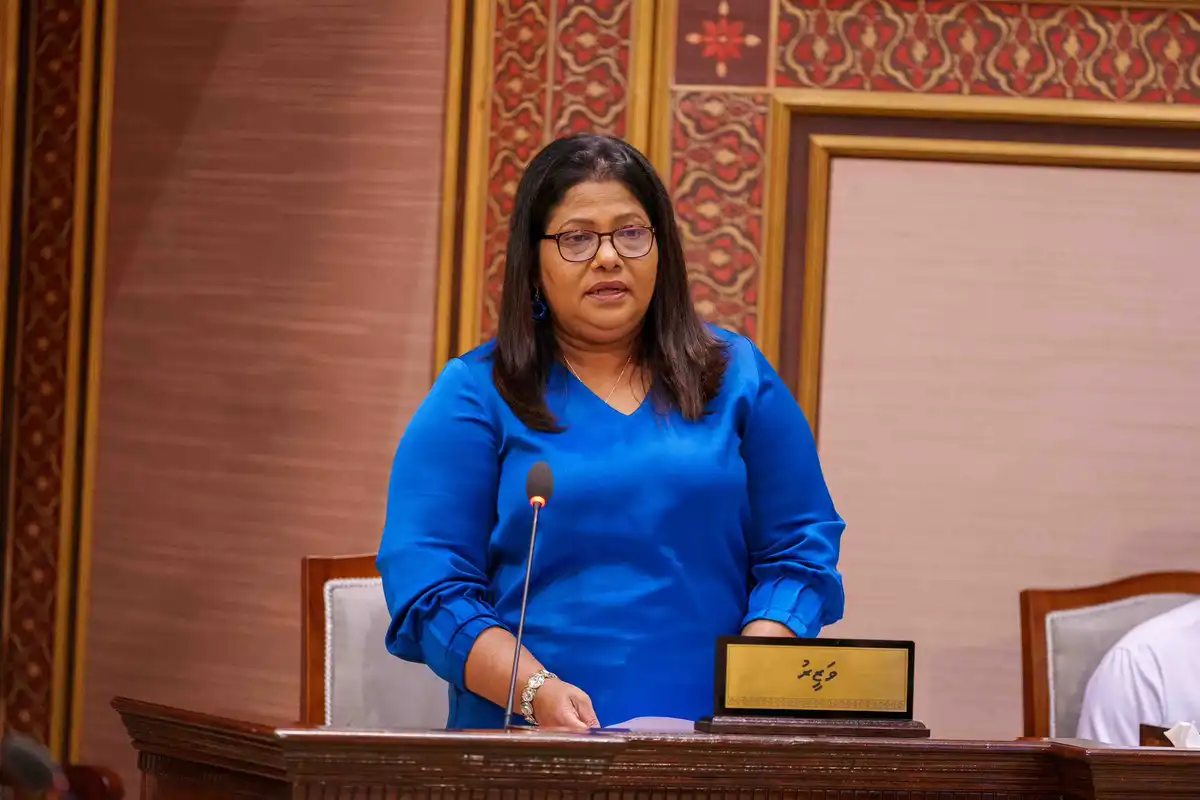
Minister Geela Ali attended as Chief Guest at Villa College’s Oath-taking and White Coat Ceremony for Nursing and Pharmacy students | Health Ministry
The gap between official political promises and real-world executive action is on full display once more, now that newly enacted healthcare rules have sent administrative charges skyrocketing by hundreds of percent.
National crisis unfolds online and, on the ground
Anyone scrolling through social feeds will instantly encounter a flood of citizen outrage over the state of public healthcare.
The central nightmare right now centers on everyday people trying and failing to secure basic prescriptions. Despite a network exceeding 800 retail drugstores across the Maldives, the complete absence of vital pharmaceuticals has spiraled into a widespread crisis.
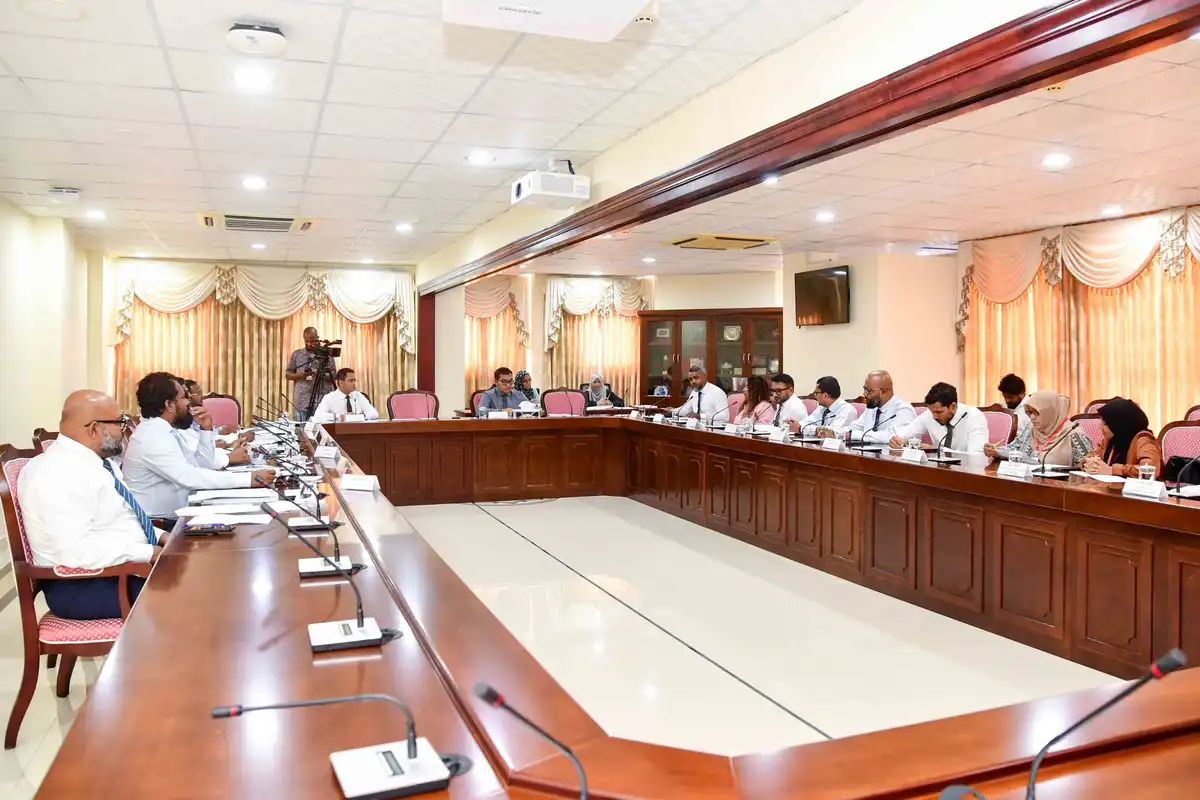
The severity of this emergency was formally recognized before the legislative State-Owned Enterprises Committee by Aasandha Company's Managing Director, Aishath Zeeniya, and the grim picture was further validated by Minister of Health, Family and Welfare Geela Ali.
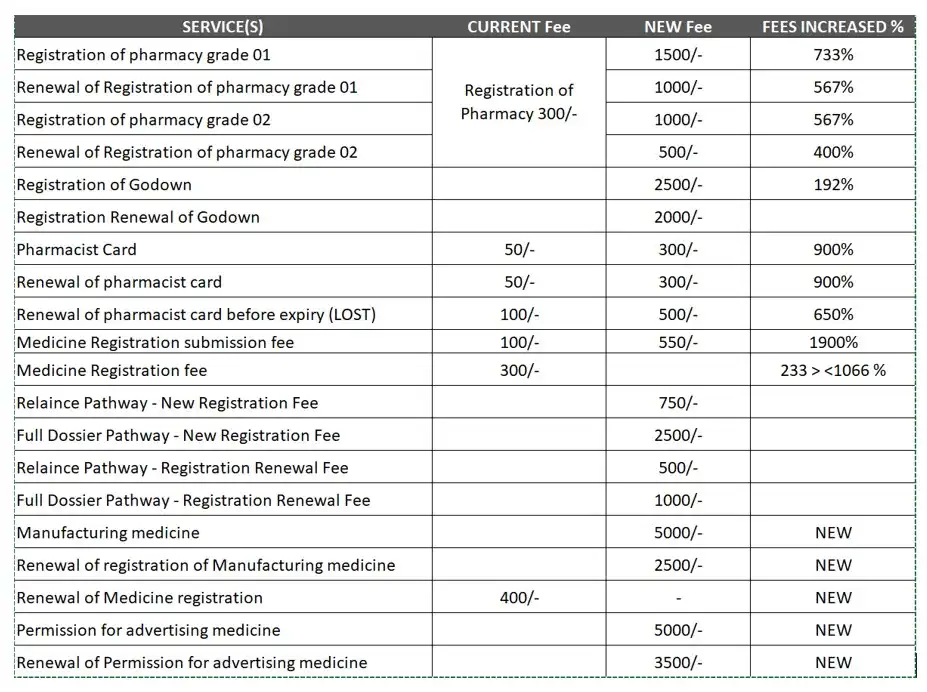
Schedule detailing the revised prices for pharmaceutical services. | Raajje MV
Empty European promises, price tag realities
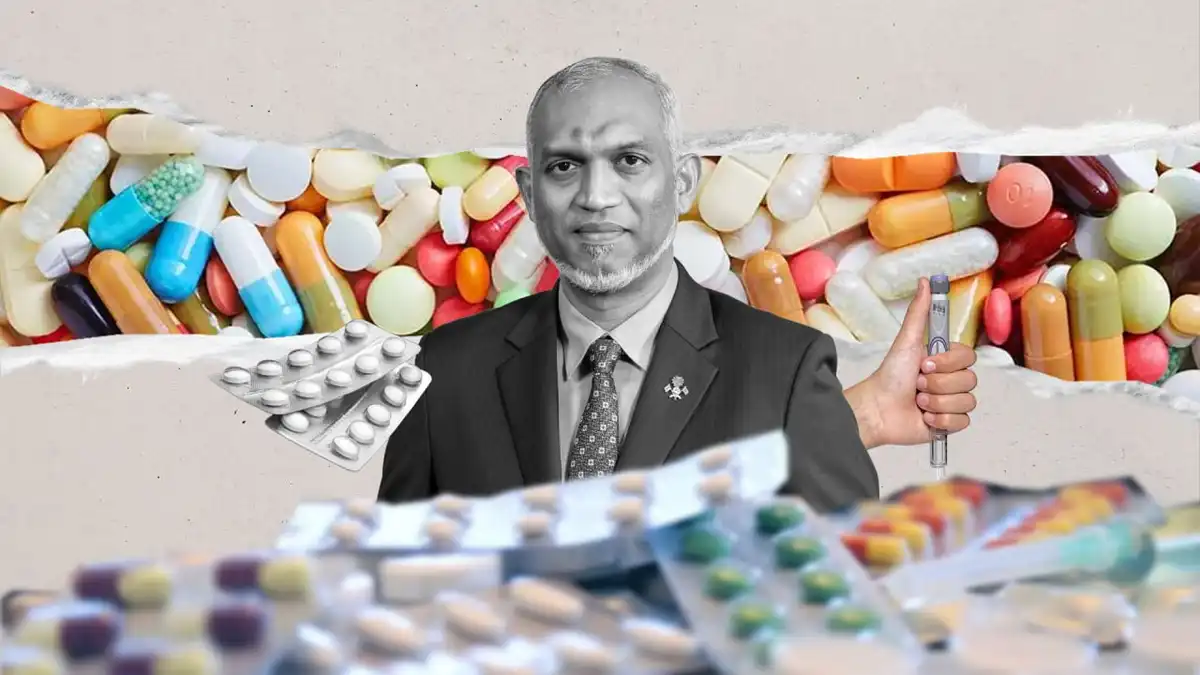
President Dr. Mohamed Muizzu previously assured the nation that steps would be taken to bring in premium pharmaceuticals directly from Europe, a move intended to keep supplies cheap and easily accessible.
To date, however, zero evidence exists that a single European pill has landed on local shelves.
Because of this inaction, prescription prices remain sky-high while the root issue of empty pharmacy drawers continues completely unchecked.
Millions in unpaid bills drive outlets to the brink
The situation gets even more bizarre when looking at the books. Aasandha Company insists that a massive slice of its financial allocations goes straight toward paying off drugstore claims.
On the flip side, retail owners counter that those payments simply never arrive, pointing to backlogs of unpaid balances climbing into the millions of Maldivian Rufiyaa.
This severe financial chokehold is actively pushing numerous neighborhood pharmacies right to the edge of total collapse.
Fresh bureaucracy brings unprecedented surcharges
Right in the middle of these desperate conditions, officials published a revised regulatory framework for pharmaceuticals just last month.
While this documentation lays out the formal steps required for registering retail shops, managing storage warehouses, obtaining manufacturing permits, and filing official drug applications, it simultaneously slaps the industry with ridiculously elevated administrative costs.
Store owners openly warn that these inflated charges create massive new barriers to keeping their doors open.
Rhetoric versus shocking nine-fold hikes
Even as executive leadership continues to claim that the primary policy objective is delivering cheap healthcare products to citizens, the official choice to boost state collection fees by several hundred percent will inevitably hamper private-sector efforts to offer affordable items.
A close look at the updated payment schedule highlights truly staggering jumps, with individual processing fees skyrocketing between 700 percent and 900 percent.
Standard registration charges for a retail establishment have shot up by 733 percent, while keeping that license active now costs 567 percent more than before.
The financial barrier to securing or renewing a professional license for a working pharmacist jumped by a ridiculous 900 percent.
Worse yet, the basic processing fee just to submit a drug for registration exploded by an eye-watering 1,900 percent.
Two-million-MVR cash grab at public's expense
When running the numbers on these cumulative adjustments, business operators calculate that overall regulatory expenses have exploded by roughly 1,400 percent.
Outlets that used to pay approximately MVR 150,000 every year across various administrative costs are suddenly staring at annual state bills exceeding MVR two million.
Key figures across the sector point out that this entire overhaul looks far more like an aggressive cash grab by the administration than a genuine strategy to fix the drug shortage.
Even with the state launching a dedicated branch known as State Pharma and cutting ribbons on new locations, zero measurable progress has been made toward fixing the missing medicine problem.
In the end, these newly minted surcharges are bound to trickle down as an extra financial burden directly onto the shoulders of ordinary citizens.