Minister Geela’s desperate ploy to mask growing medicine drought
27 އެޕްރީލު 2026 | ހޯމަ 13:41Maldives is facing a severe medication shortage as the government struggles to manage supply chains and procurement. Despite the creation of a new state corporation, officials admit that current imports meet only 30 percent of national demand. Public frustration is mounting over a new directive that instructs doctors to prescribe only available stock rather than the most effective treatments. This crisis highlights a systemic failure that prioritizes inventory over patient safety.

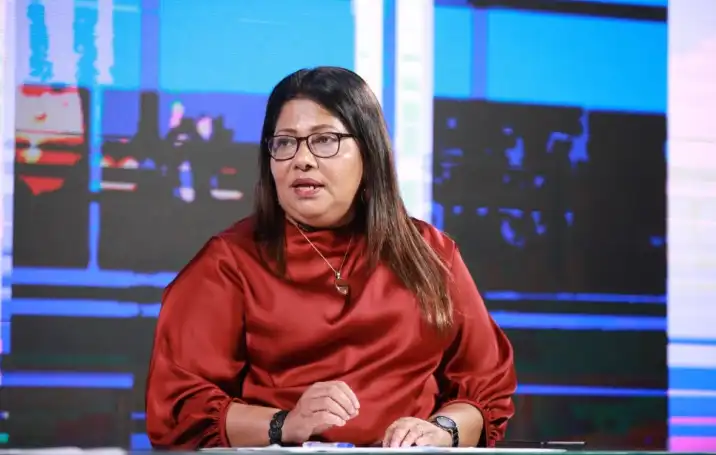
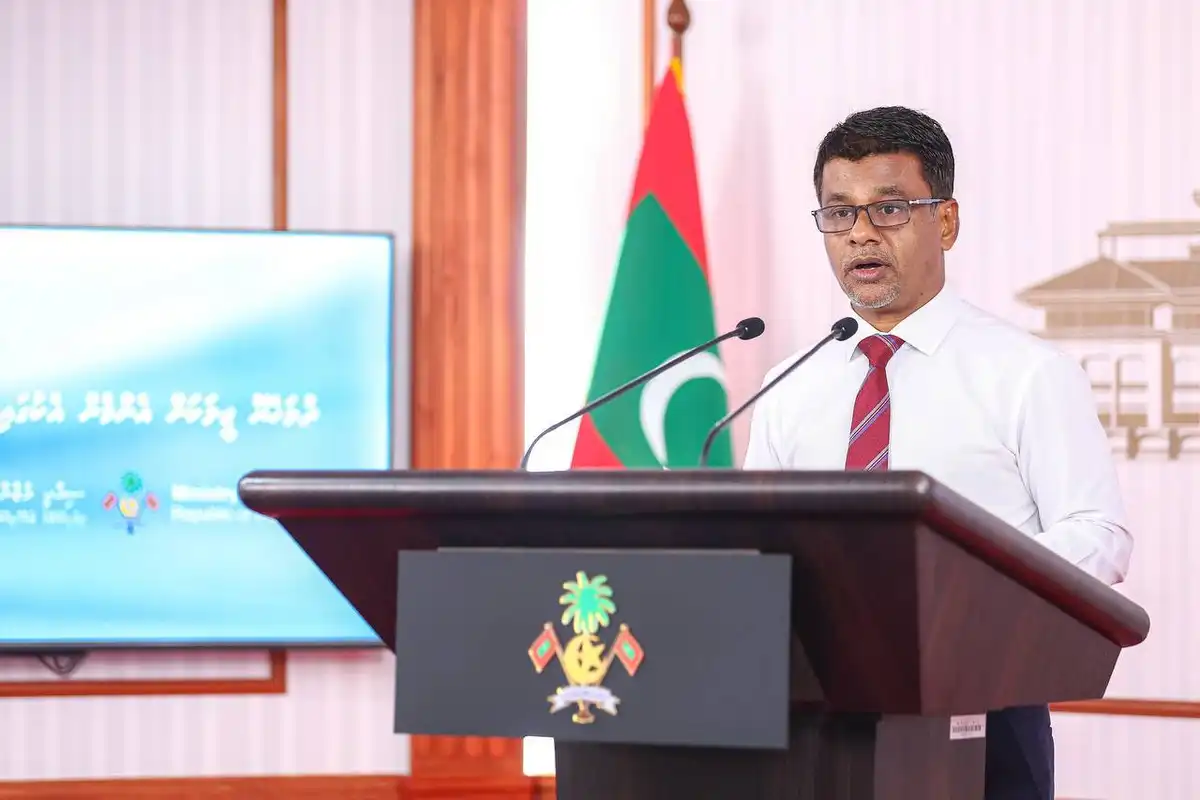
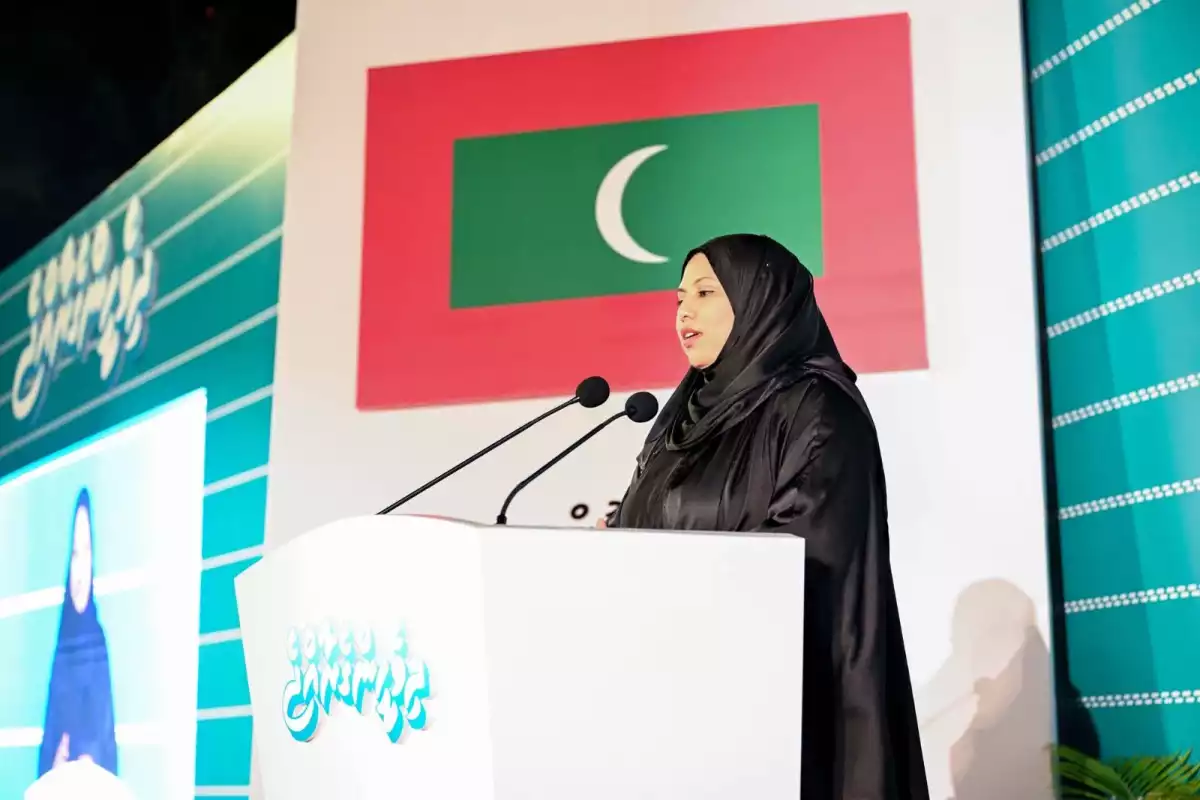
Health Minister Geela Ali speaking on state media. | PSM
The very foundation of Maldivian citizenship is supposed to be tied to the right to healthcare, but under President Dr. Mohamed Muizzu’s watch, that right has become a disappearing act. Since this administration moved in, the health sector and the public have been grappling with a crippling lack of vital medications. To make matters worse, the incumbent’s recent meddling with the Aasandha scheme has only poured gasoline on the fire, turning a shortage into a full-blown crisis and sending public frustration into the stratosphere.
Empty shelves and emptier promises
For a while, the official strategy was simply to pretend the problem didn't exist. The government kept patting itself on the back, insisting that meds were on the way and everything was fine. Abdulla Nazim Ibrahim, the health minister who recently jumped ship, spent his tenure claiming the disaster was basically fixed. According to him, the only reason people were still complaining was that the solution had not quite hit that perfect 100 percent mark yet. It was a bold attempt to gaslight a nation staring at empty pharmacy shelves.
New names, same old problems
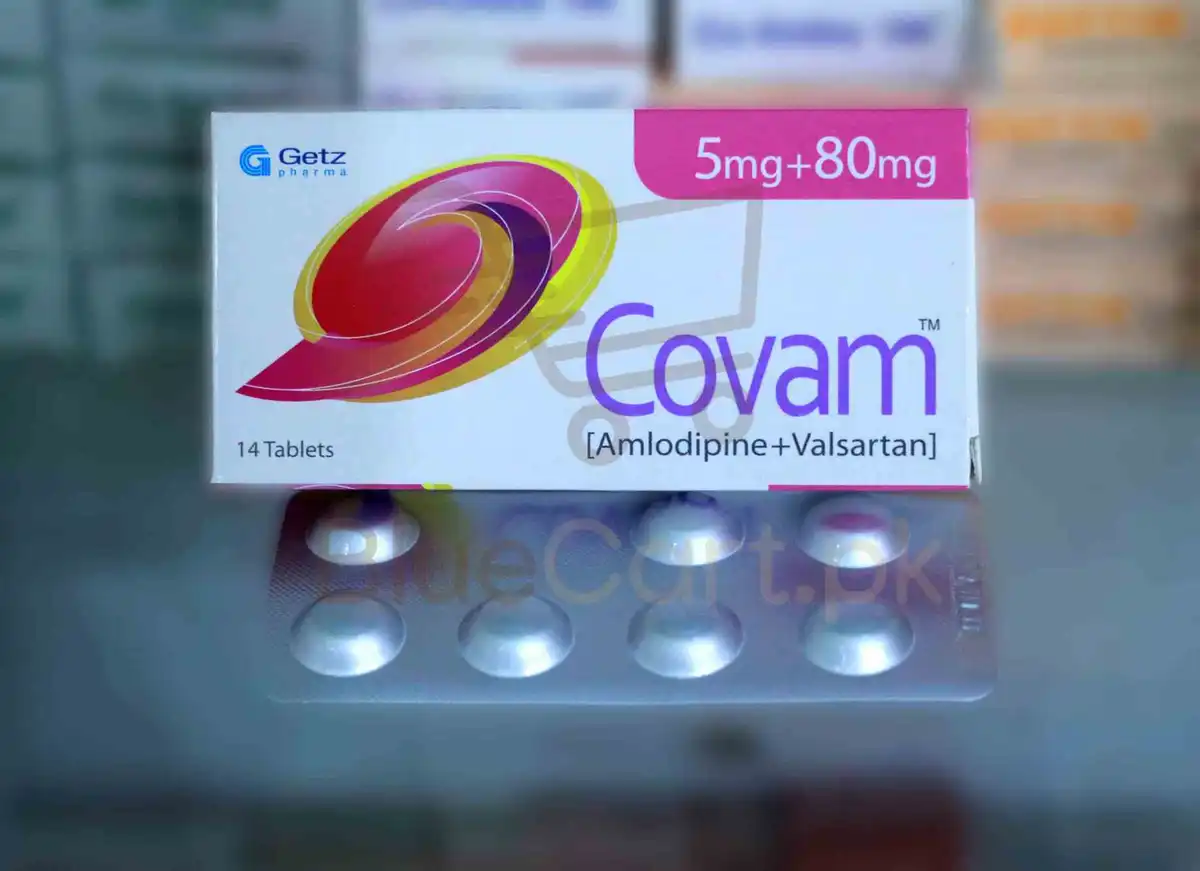
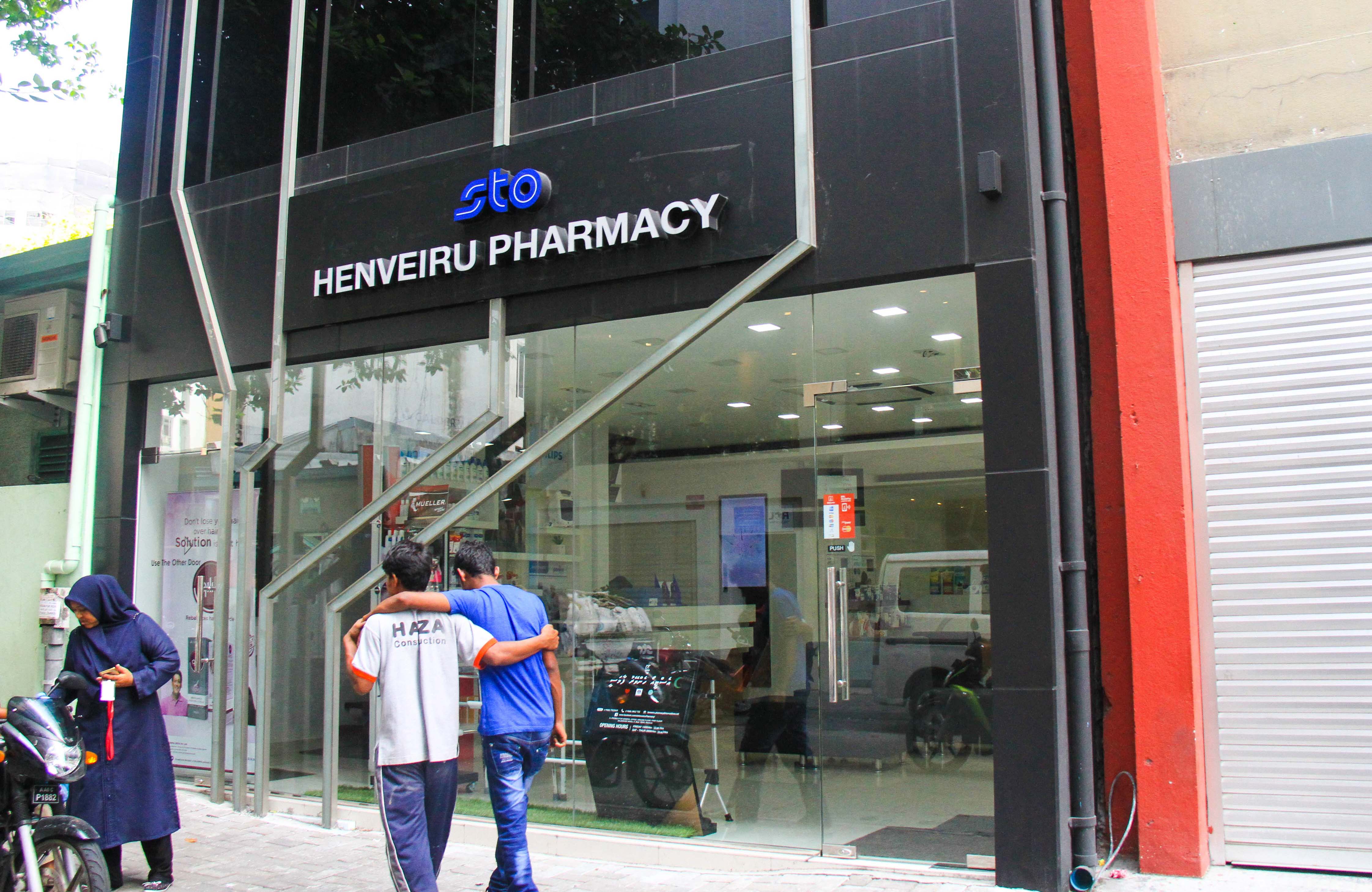
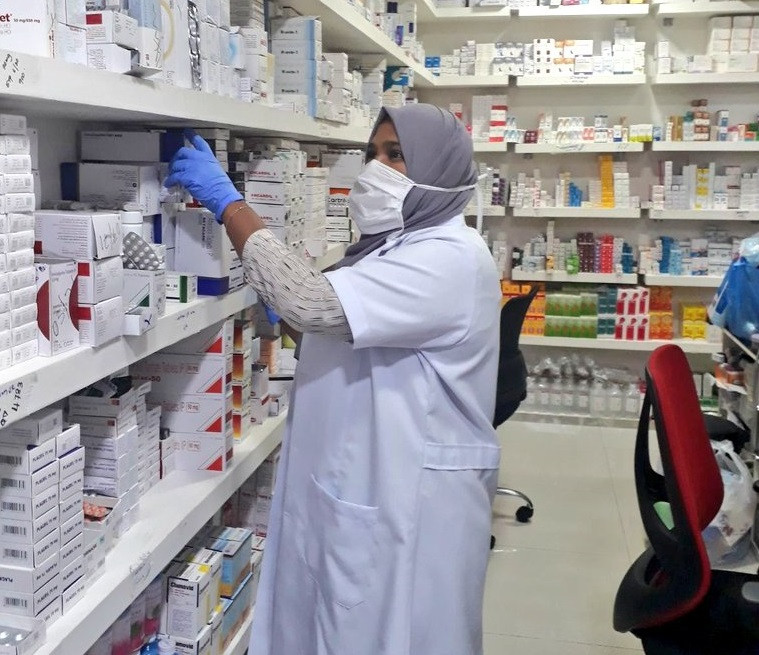
In a classic bureaucratic shuffle, the State Pharmaceutical and Medical Supply Corporation was birthed to take over imports and save the day. However, for all the fanfare the actual supply has not moved an inch toward improvement. Maldives boasts 445 pharmacies scattered across its islands, but for the people living there, that’s just 445 places to be told they’re out of stock. It is a never-ending battle for residents to find even the most basic pills.
The 70-percent hole in the plan
The numbers tell a story of total systemic failure. At present, the State Trading Organization (STO) only manages to bring in 30 percent of the medicine the country actually needs. The other 70 percent is left to the whims of private firms. This lopsided reality proves that the government needs to stop making excuses and figure out why the supply chain is paralyzed, but a real solution seems nowhere in sight.
Finally, a dose of reality (sort of)
After months of dodging the truth, current health minister, Geela Ali, finally dropped the act during a state media broadcast on April 26. She openly confessed that getting medicine into the country is hitting massive roadblocks. Her excuse being that Maldives simply doesn't have enough people to make large orders attractive to suppliers. The minister’s big "fix" is to stop splitting orders between different companies and dump all procurement onto one single entity, as if centralization is a magic wand.
Memory vs. Management
The public is not buying the "small population" excuse for a second. People remember a time, not that long ago when they could actually get their prescriptions filled without a cross-island journey. These widespread shortages were not a regular feature of life in the past, leading most to conclude that the current misery is a direct result of the present government’s inability to manage the country.
Perhaps the most cynical move yet is Minister Geela’s new "advice" for medical professionals. She has instructed doctors to check what’s actually sitting in the warehouse and only prescribe those specific items. It is a policy that treats human beings like inventory to be managed rather than patients to be healed. Instead of giving a person the best, highest-quality treatment for their illness, doctors are being told to settle for whatever is left over on the shelf.
A system on life support
This directive is a screaming red flag about just how broken the Maldivian healthcare system has become. By prioritizing stock lists over clinical outcomes, the government is playing a dangerous game with patient safety. Every single day that passes without a functional, uninterrupted supply of high-quality medicine is another day that the administration gambles with the lives and health of its people.