TM Reports Vote Buying, PSM Bias and State Resource Abuse
31 ޖުލައި 2026 | ހުކުރު 19:20Transparency Maldives has highlighted significant concerns regarding the misuse of state resources and widespread bribery in recent elections. In its latest report, the organization also noted biased coverage by state media and instances where ballot secrecy was compromised, leading to the submission of 34 reform recommendations to address these systemic issues.
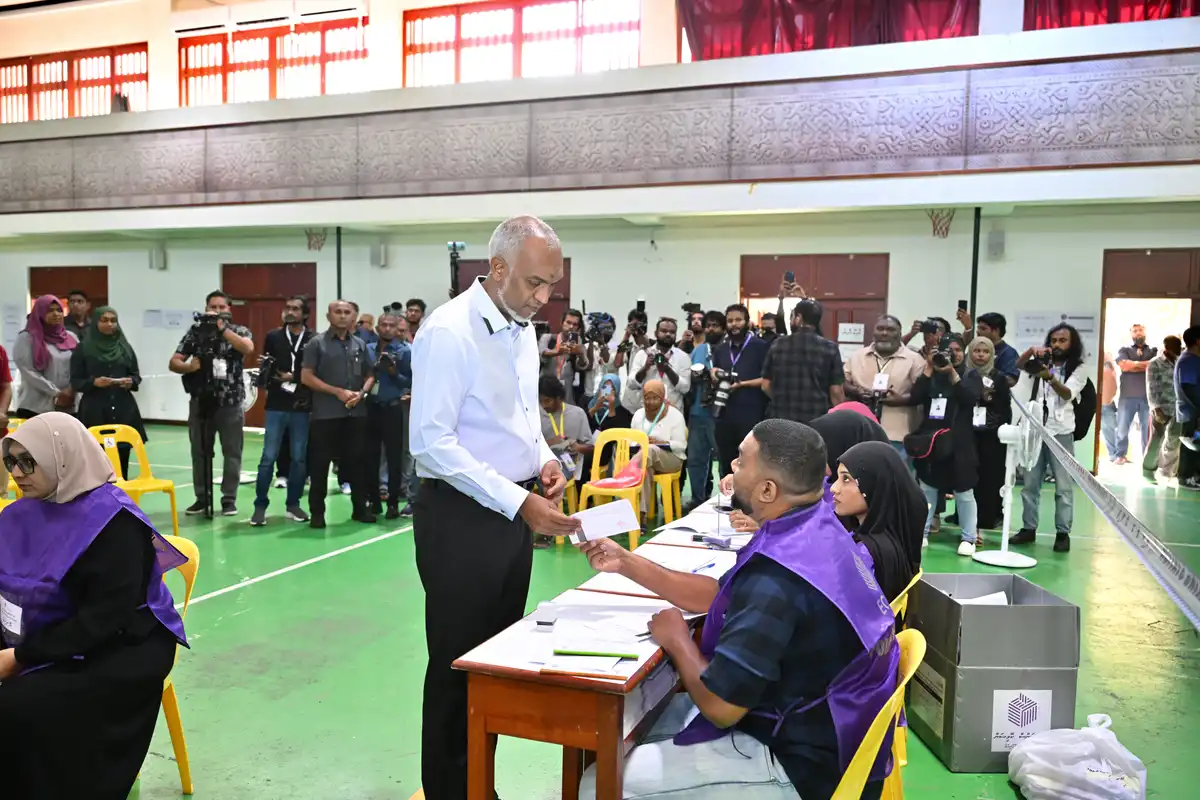
President Dr. Mohamed Muizzu casts his ballot in the local council elections and the public referendum. | President's Office
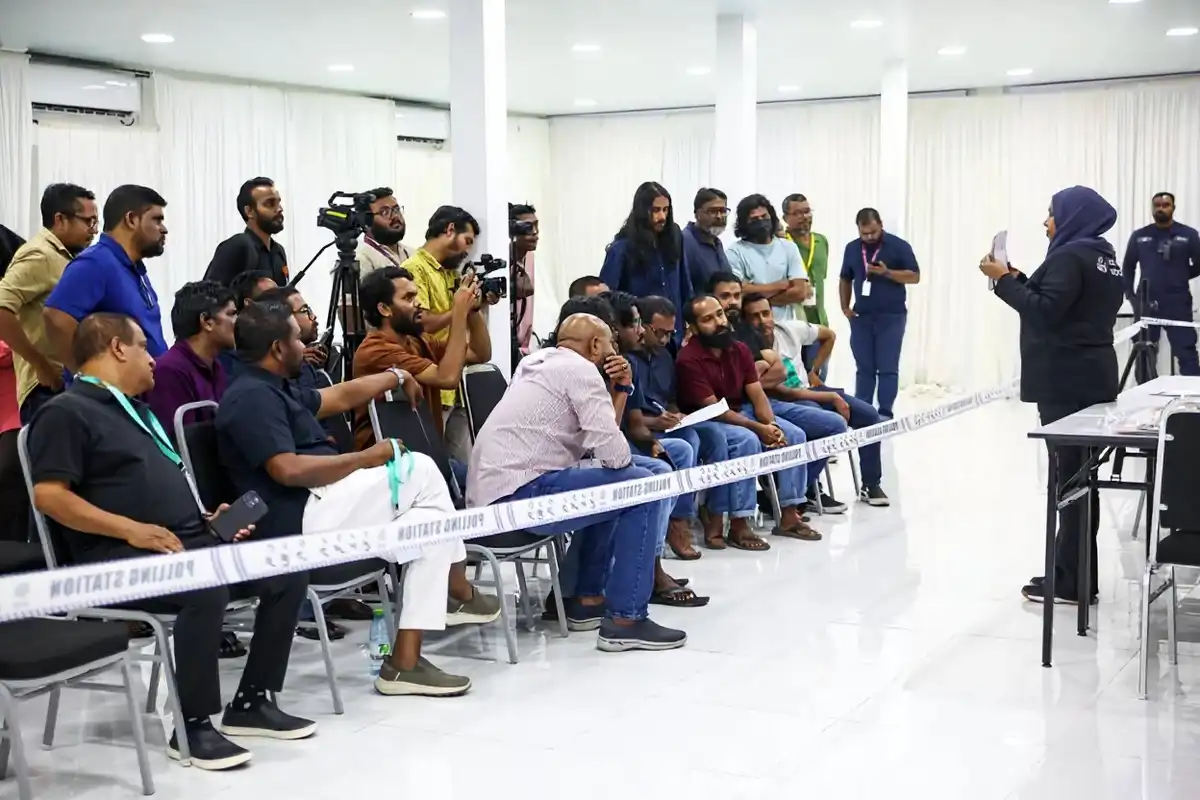
Transparency Maldives (TM) has reported allegations of bribery, state media bias, and the misuse of state resources during the Local Council Elections, the Women's Development Committee elections, and the referendum on the 8th Amendment to the Constitution held on April 4.
Transparency Maldives (TM) stated that this was the most operationally complex electoral process since the introduction of multi-party democracy to the Maldives in 2008.
According to the observation report released by the organization, 74.98 percent of the 294,876 eligible voters cast their ballots in the election, which saw three separate votes held on a single day. This figure represents a higher turnout compared to previous local council elections.
The election results reveal that the public has overwhelmingly rejected the proposed constitutional amendment to hold presidential and parliamentary elections simultaneously. A significant 68.7 percent of valid votes were cast against the amendment, while only 31.3 percent voted in favor. Furthermore, while the Maldivian Democratic Party (MDP) secured the highest number of seats in the local council elections—including five mayoral positions—the People’s National Congress (PNC) emerged victorious in the Women’s Development Committee elections. Notably, 82 seats were decided without a contest prior to the election, with the ruling PNC securing 84 percent of those uncontested positions.
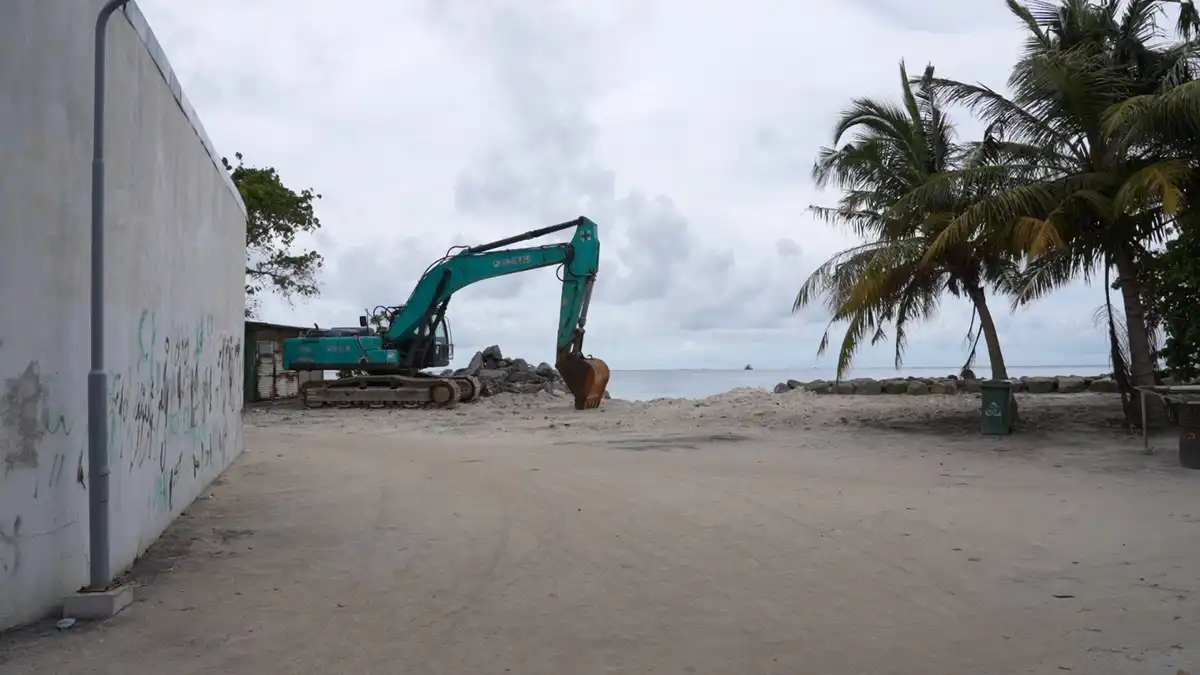
One of the most significant concerns highlighted in Transparency Maldives' report is the misappropriation of state resources. The report noted that 24 percent of observed campaign activities involved the use of state or state-owned enterprise employees and vehicles. Notably, the report found that state resources were utilized in PNC-led activities at twice the rate compared to the opposition MDP. Furthermore, issues regarding vote-buying were identified, with 76 documented observations of bribery offers ranging between MVR 3,000 and MVR 10,000 per vote.
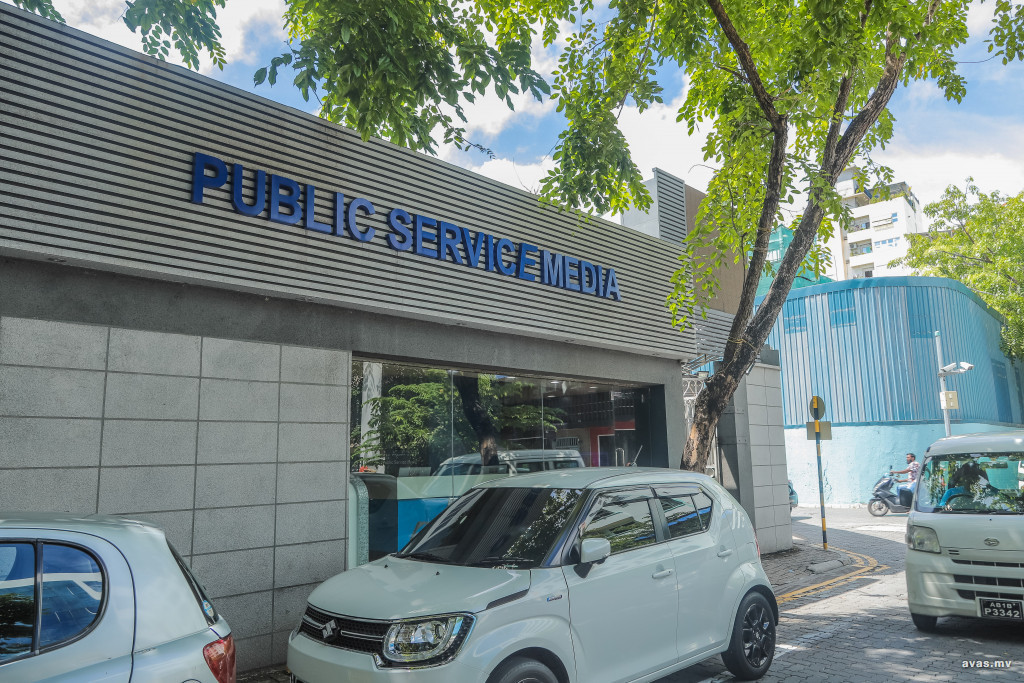
Regarding the information landscape, Transparency Maldives has accused the state broadcaster, Public Service Media (PSM), of biased reporting. Out of 36 reports broadcasted concerning the referendum, 11 were explicitly in favor of the proposed constitutional amendments, while the outlet failed to provide any coverage representing opposing views. The report further highlights that the official information leaflets distributed to the public contained only arguments supporting the amendments. This lack of balanced information has been characterized as a significant barrier to the public's ability to make an independent and informed decision.
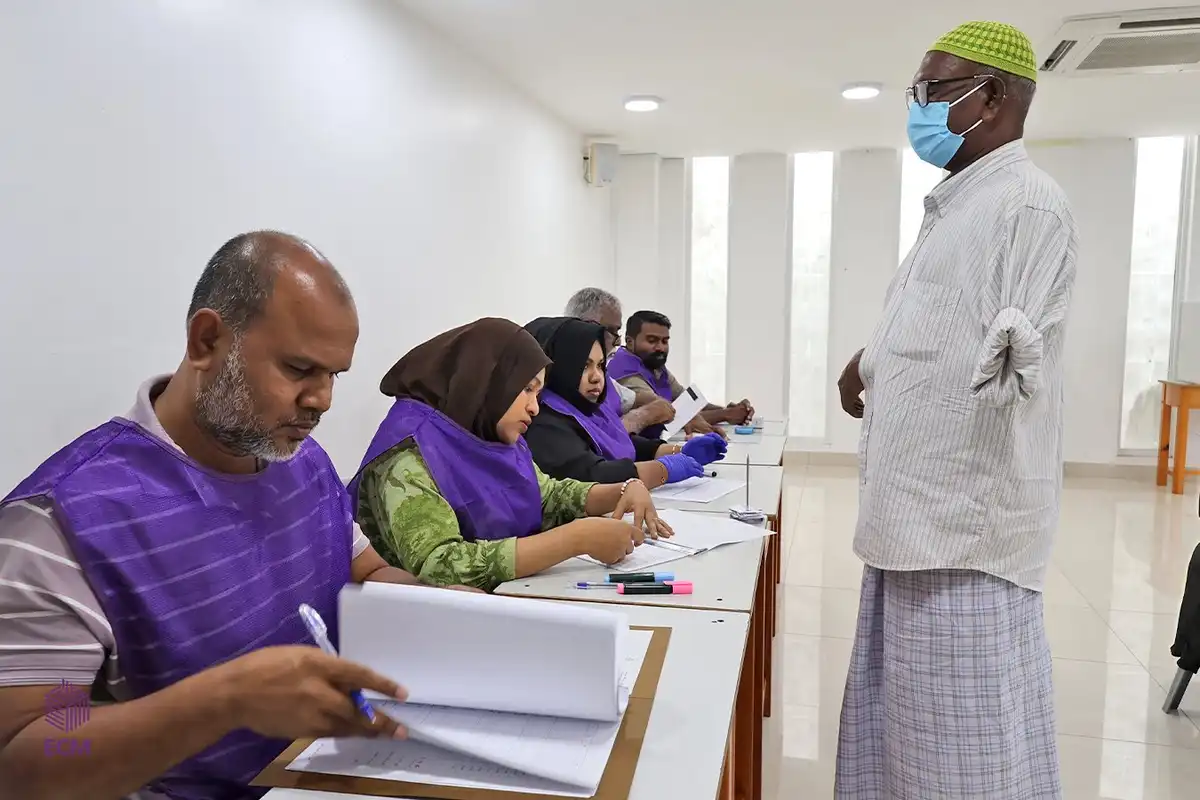
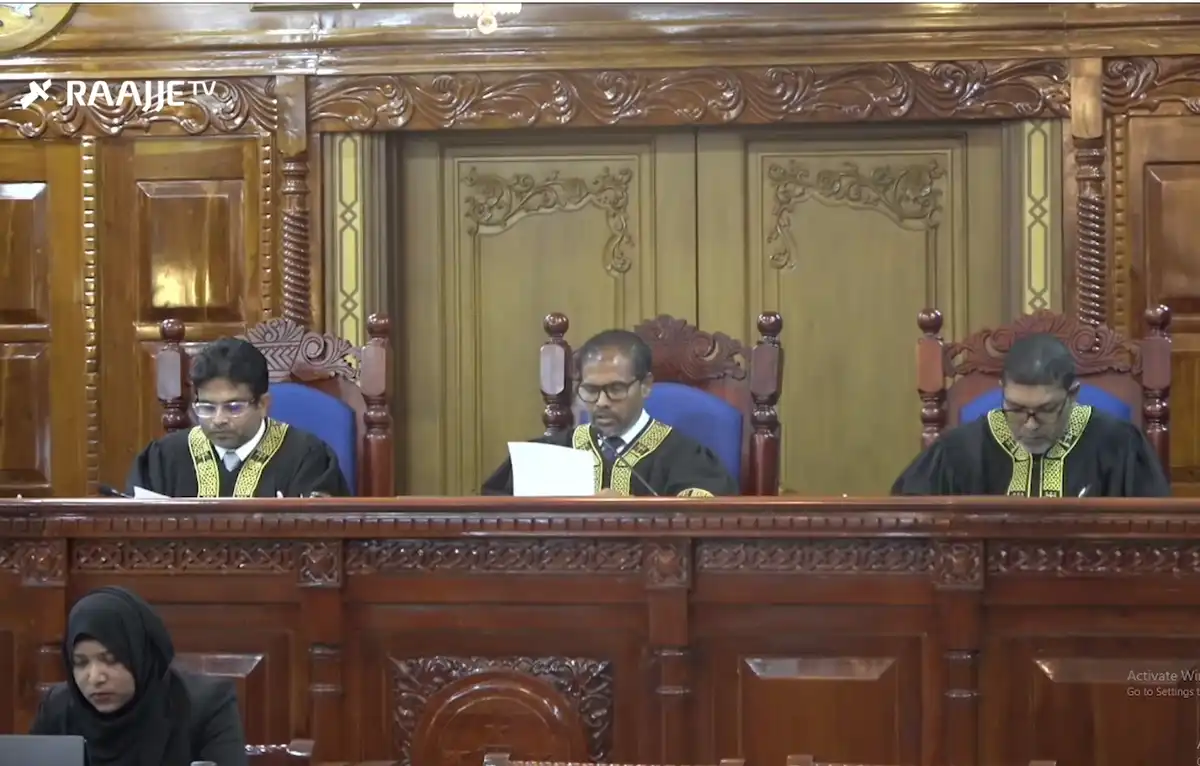
Observations from election day revealed that voting arrangements in 24.5 percent of polling stations across the Greater Male' area compromised the secrecy of the ballot. The report also highlighted that in several administrative atolls, voters were required to verbally state which election they were participating in at the time of receiving their ballot papers, which was noted as an infringement on the right to a secret ballot. Furthermore, the report stated that the High Court registry posed significant obstacles to filing election-related complaints. It noted that out of 20 cases submitted, 16 were rejected and dismissed by the court.
Transparency Maldives has put forward 34 recommendations aimed at addressing these issues in the future. Key proposals include establishing a legal framework for the disclosure of campaign financing, implementing robust measures to prevent the misuse of state resources, and ensuring the editorial and operational independence of Public Service Media (PSM). Furthermore, the organization called for an end to "framework instability" caused by eleventh-hour amendments to electoral laws close to election dates.