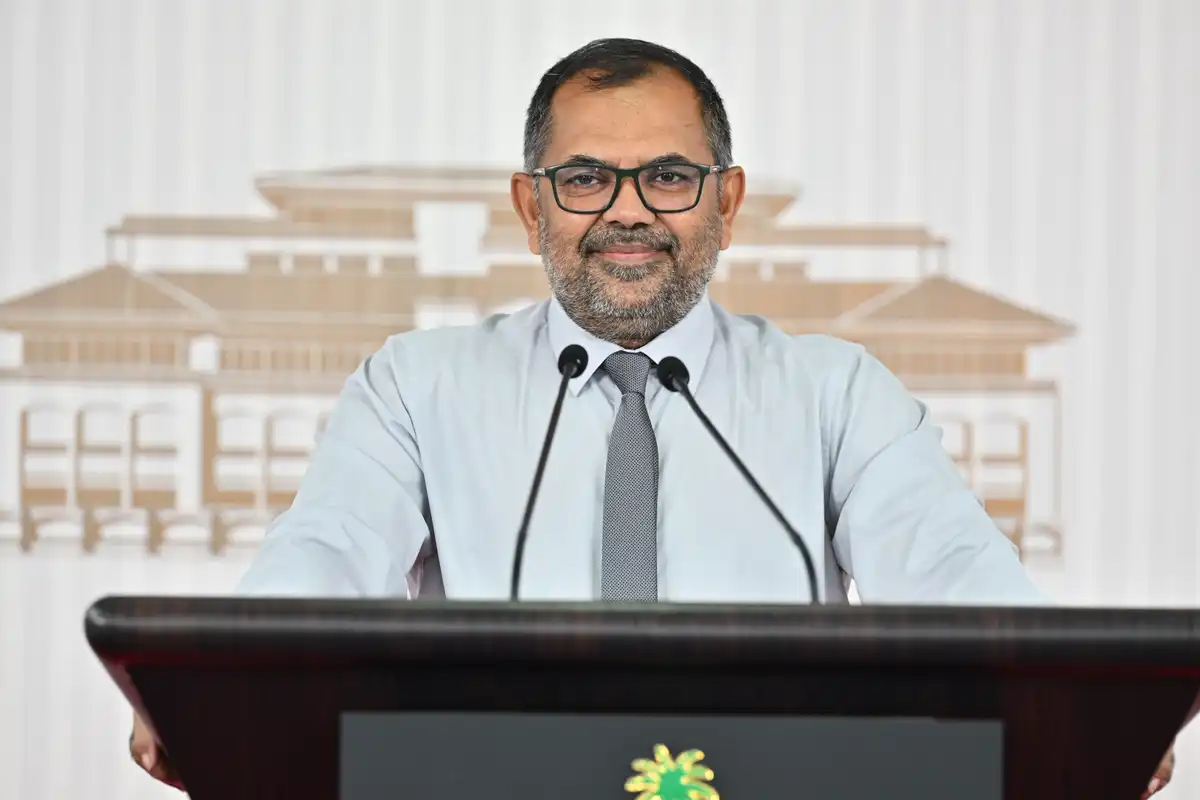
President Muizzu is stripping councils of their autonomy following his electoral defeat in the local elections!
15 މެއި 2026 | ހުކުރު 12:12Employees of LGA have submitted a petition expressing concern over proposed amendments to the Decentralization Act aimed at bringing the authority under full government control. While the opposition characterizes the move as an attempt to curtail council powers and exert political influence, critics warn it poses significant challenges to the decentralization system. There is growing apprehension that this shift will centralize power within the national government, effectively diminishing public participation in local development decisions.
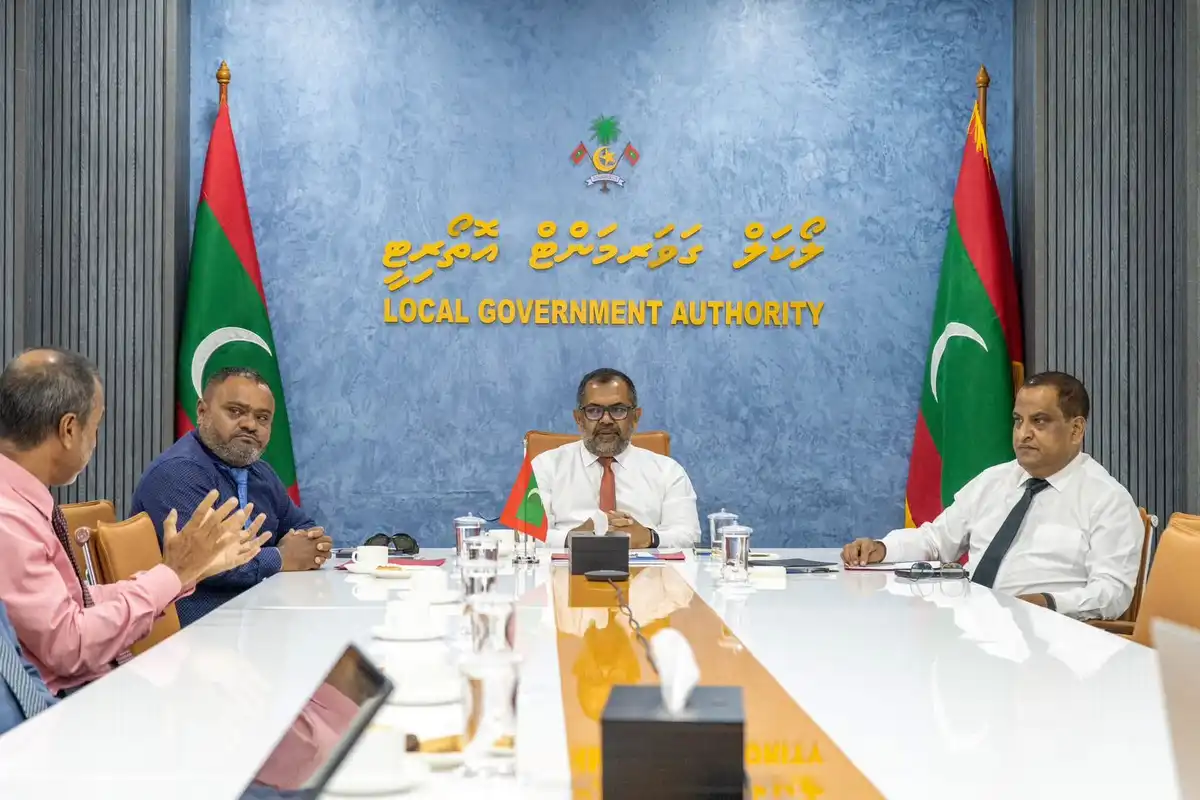
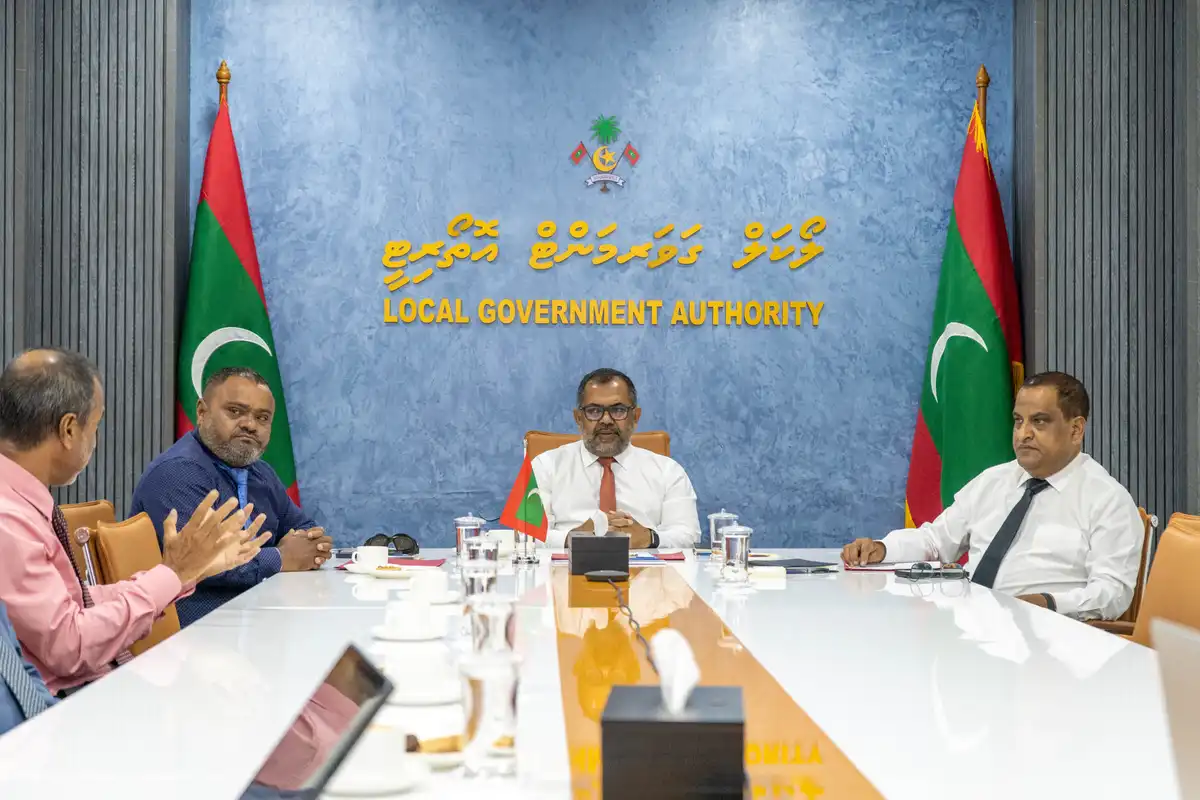
From a meeting of the Local Government Authority (LGA). | LGA
Following the significant defeat suffered by the ruling People's National Congress (PNC) in recent local council elections, President Dr. Mohamed Muizzu's administration has moved to strip local councils of their powers.
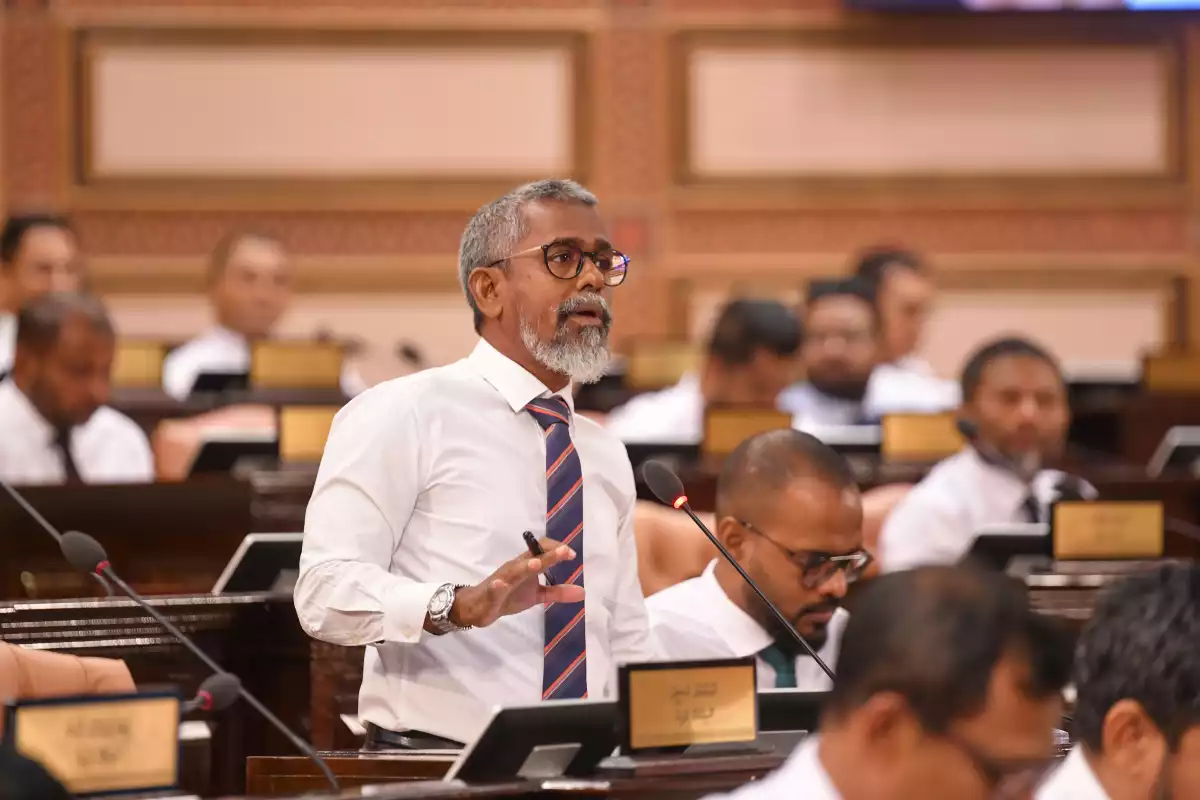
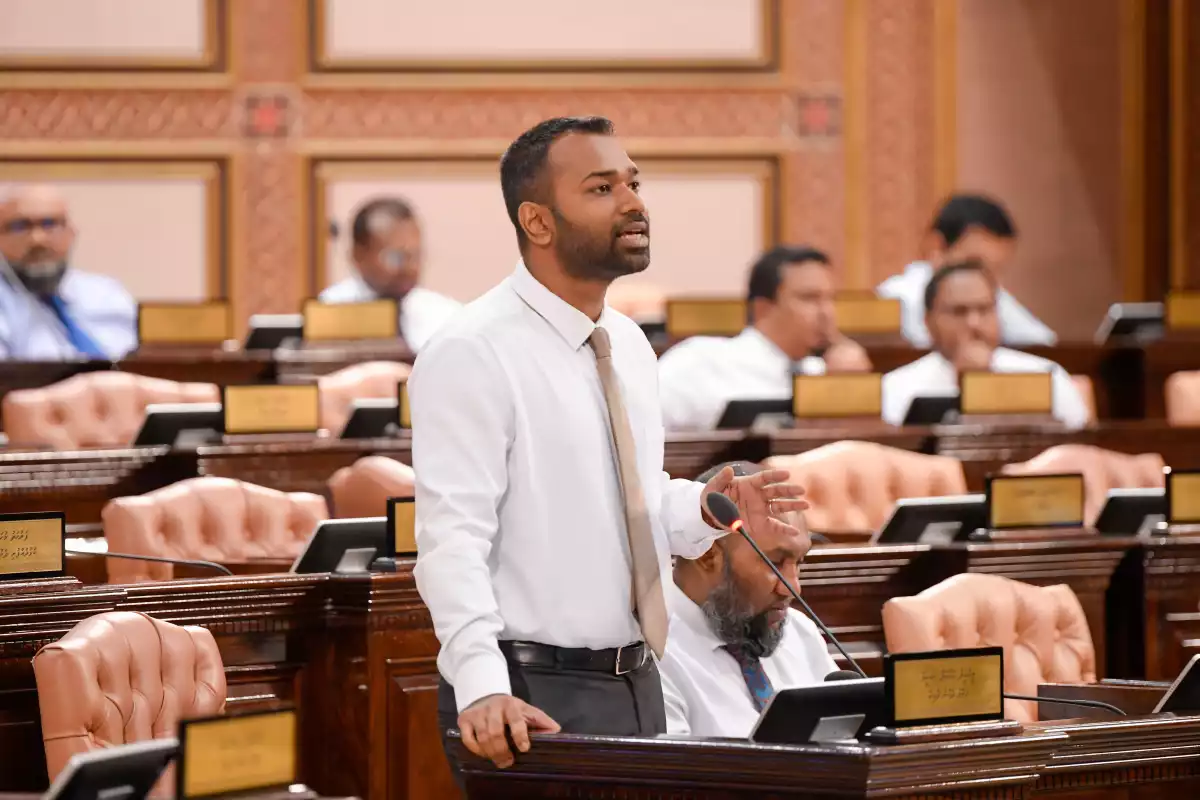
On Monday, May 11, 2026, Member of Parliament for North Fuvahmulah, Hamad Abdullah, acting on behalf of President Muizzu’s administration—which has previously taken various steps to undermine the authority of local councils—submitted an amendment to the Decentralization Act. This proposal seeks to bring the Local Government Authority (LGA), the regulatory body for councils, under direct government control. Under this amendment, the executive powers of the authority, which has operated independently until now, would be centralized within the government.
Political analysts suggest that this move is an act of retaliation following the government's significant defeat in the elections. At a time when the opposition has secured a majority of seats, these changes will pave the way for restricting the powers of local councils and exerting pressure on councilors through the Local Government Authority (LGA).
A reliable source has informed this newspaper that the entire staff of the Local Government Authority (LGA) has submitted a petition to the President and the People’s Majlis, outlining their concerns regarding the proposed amendment.
Many argue that this amendment poses a significant threat to the Maldives' decentralization system. There are growing fears that it will increase government interference in independent council decisions, effectively silencing the voices of local citizens in development planning and consolidating power back within the central government.