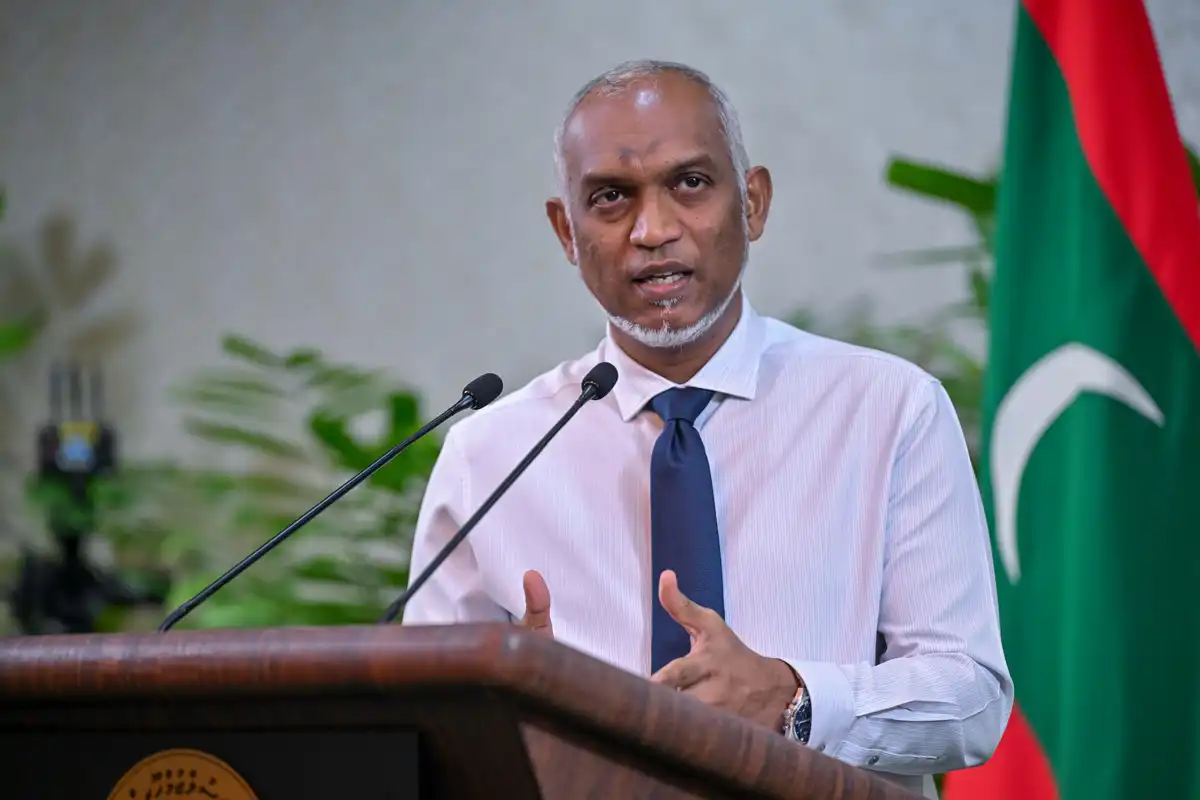
Petty politics hijacks Independence Day as Pres, turns state ceremony into a vengeful rant
27 ޖުލައި 2026 | ހޯމަ 11:03There were moments when it appeared as though the president were presiding over a partisan rally at the ruling PNC’s campaign hub. At times, his rhetoric resonated more with an election campaign than official discourse. There were also instances where he seemed to be engaged in a direct confrontation with an opposition leader. Further, there were moments when his actions felt as though they were inciting hatred and discord within the nation.

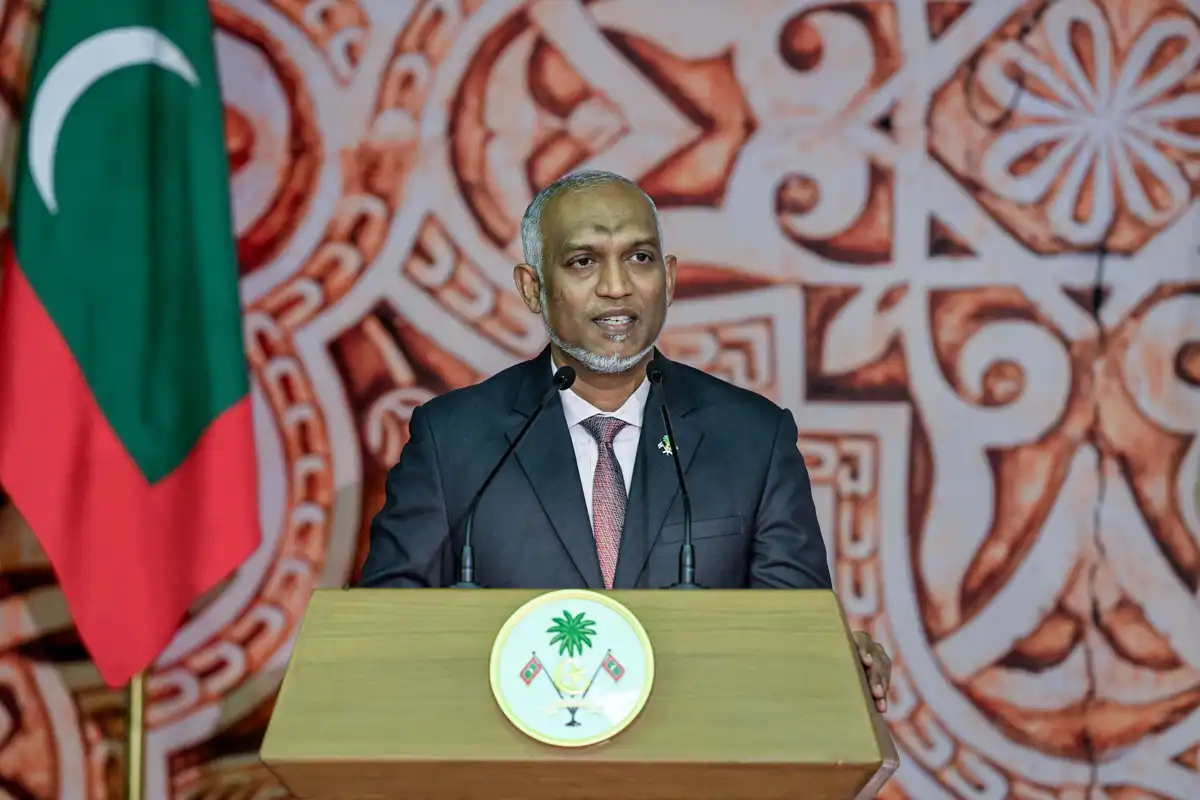
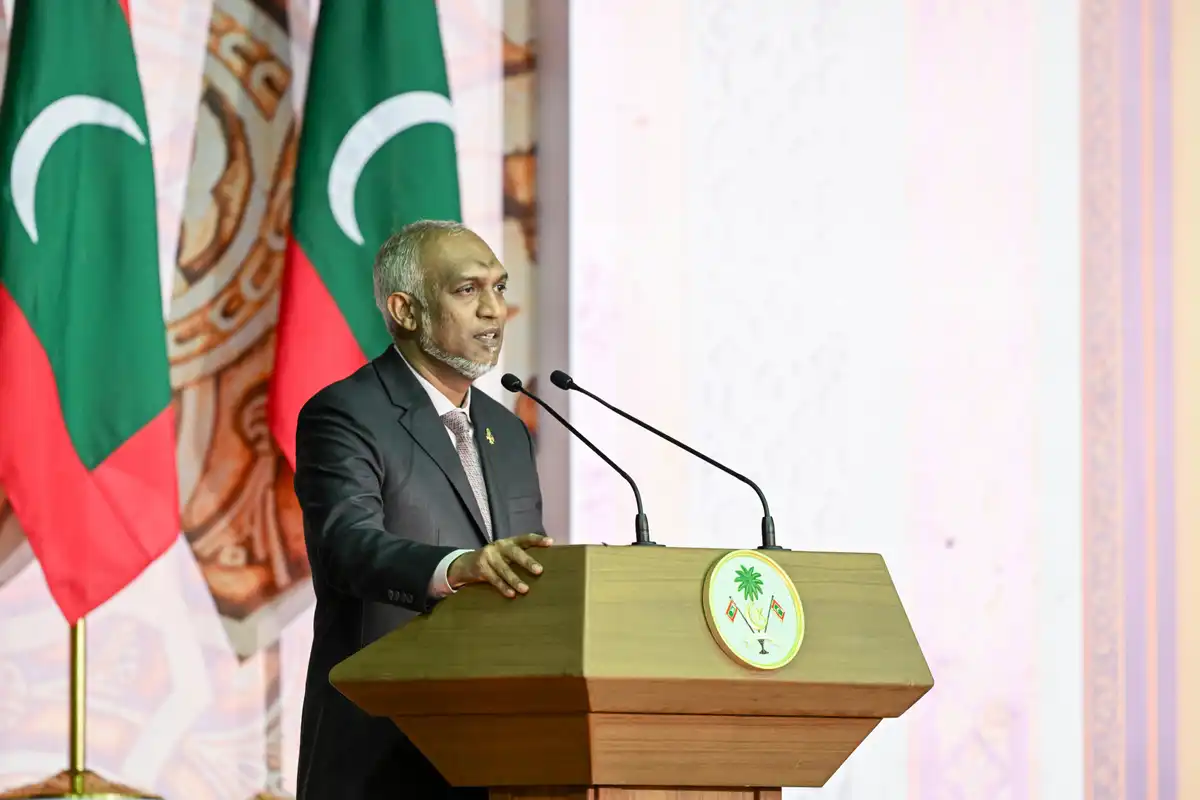
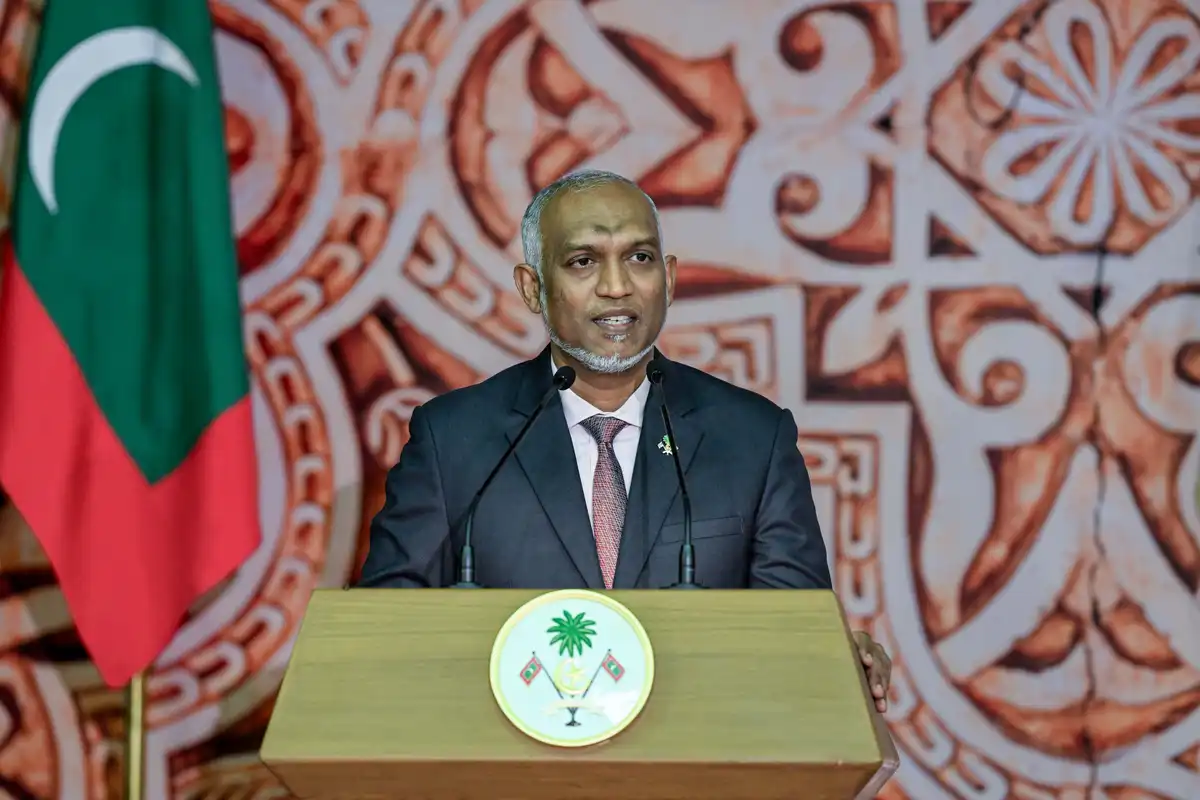
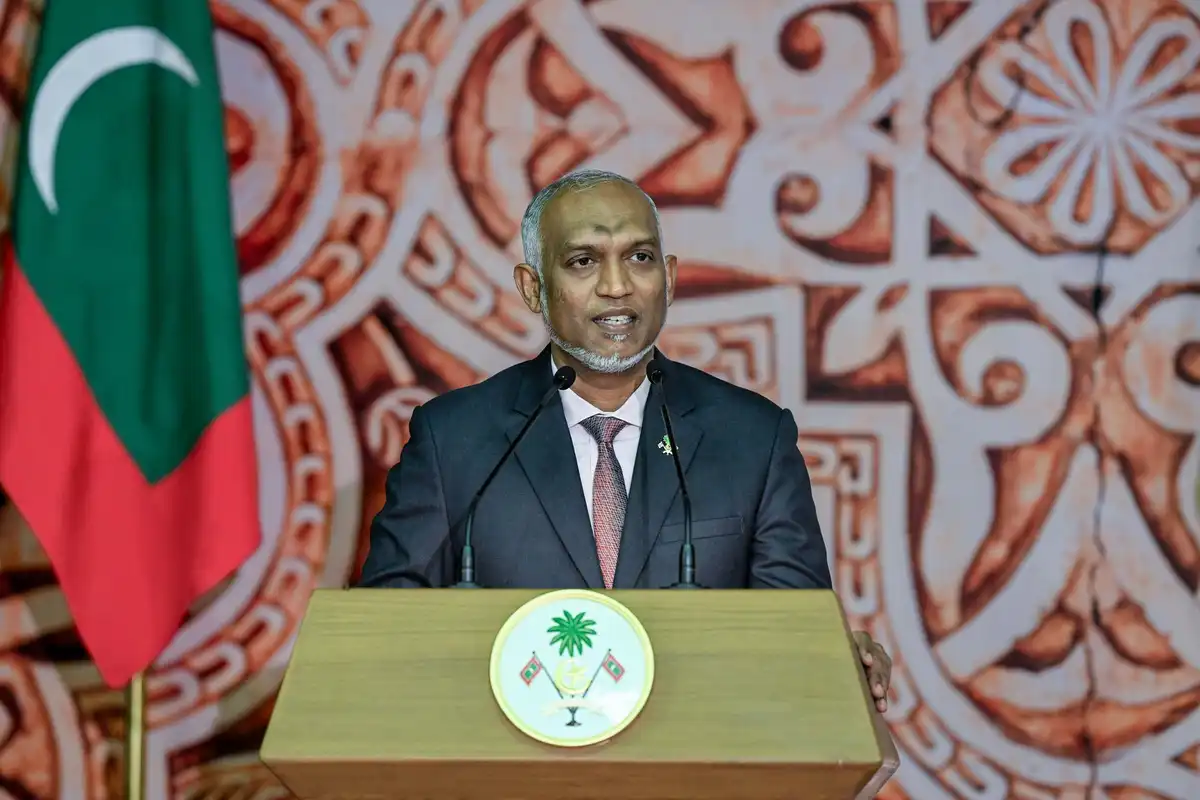
President Muizzu delivering his address at the Independence Day ceremony on 26 July 2026. | President's Office
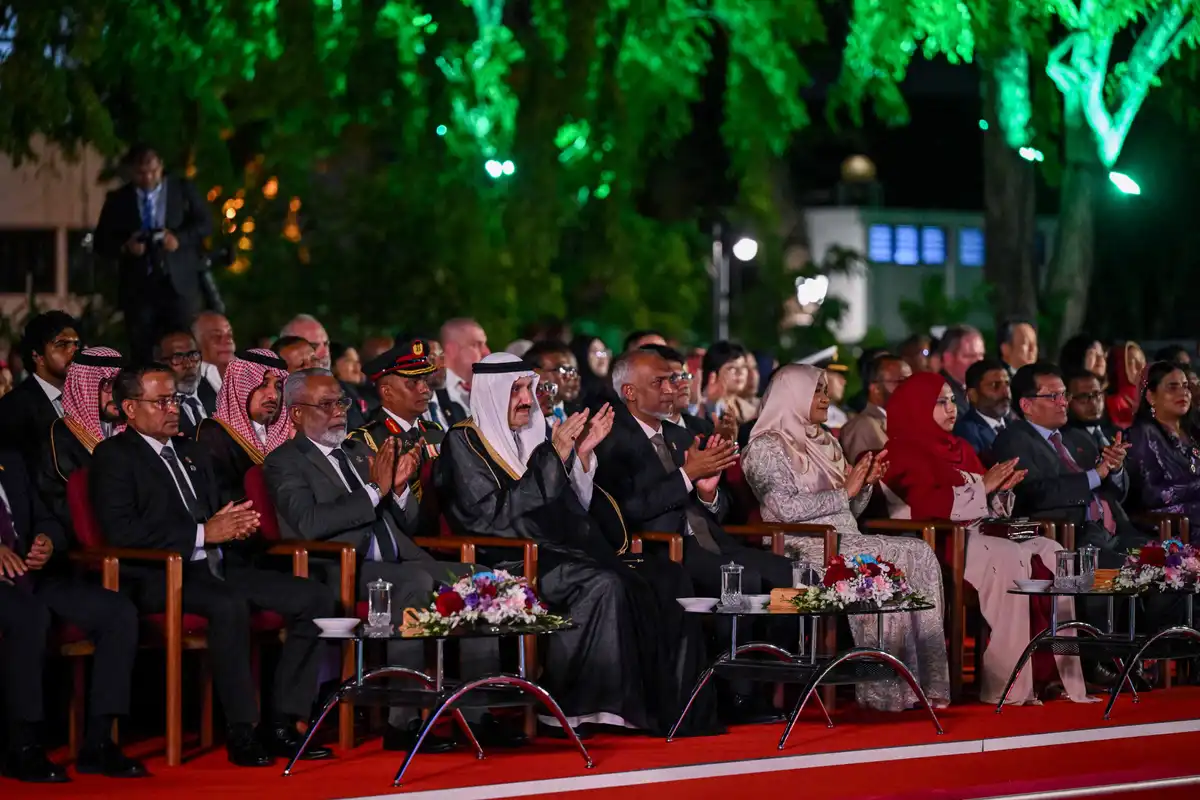
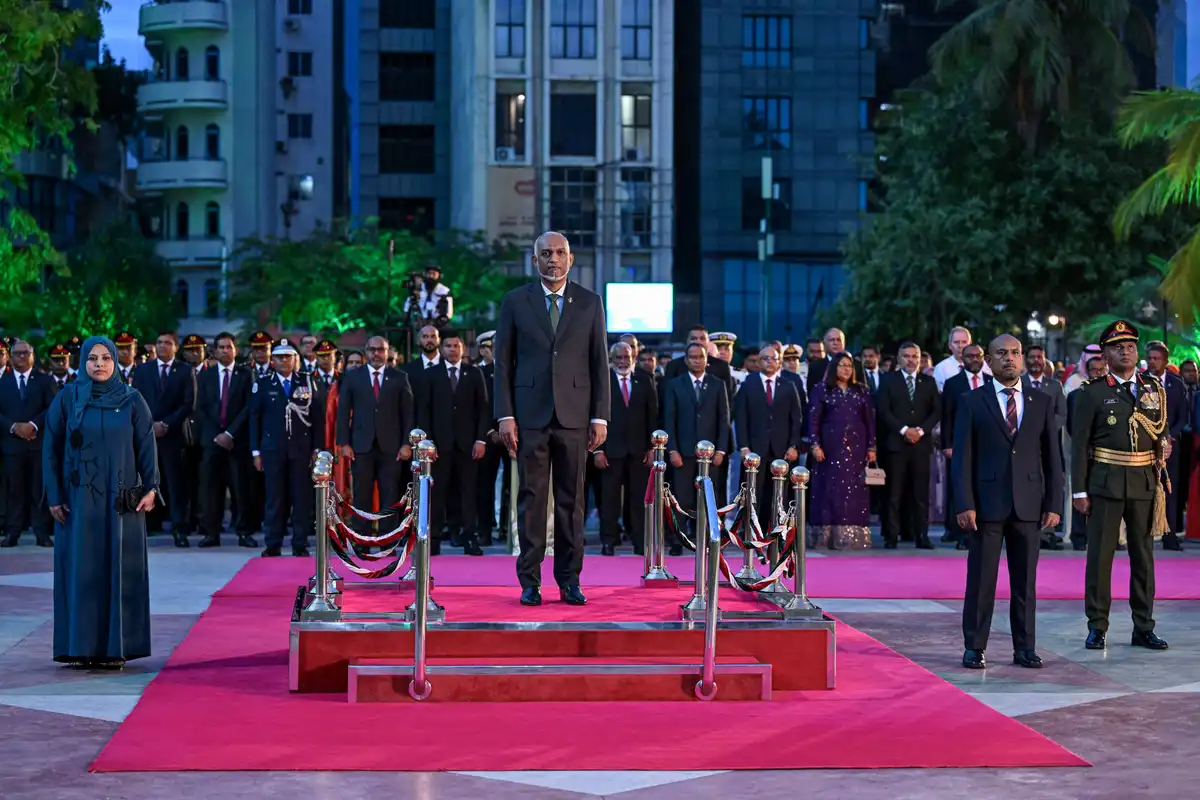
President Dr. Mohamed Muizzu’s speech during the formal celebration of the 61st anniversary of Maldivian independence was expected by many to honor the memory and profound value of the nation's freedom.
Instead, his address devolved into an outburst of bitterness and harsh attacks on political opponents, prompting many onlookers to label his remarks as hate speech.
Campaign rally tactics on the state’s stage
Delivered with visible rage and a combative demeanor, the speech cast aside statesmanlike decorum in favor of aggressive rhetoric.
The incumbent’s hostile language and targeted hits on opposition groups transformed what should have been a dignified state gathering into something resembling a heated rally at the ruling PNC’s party hub.
Rather than embodying the role of a unifying national leader, he came across as a confrontational opposition partisan, actively fanning the flames of division and public hostility.
A disheartening display for the nation
The speech drew public criticism from former Minister Raashida Yoosuf, who noted on social media that no previous Maldivian President had ever delivered such a demoralizing Independence Day address.
While acknowledging that the incumbent outlined current affairs, she observed that his tone radiated frustration toward the citizenry.
She voiced deep disappointment that he appeared to be speaking from a partisan platform rather than representing the entire country, emphasizing that presidential speeches should inspire joy and the true spirit of freedom.
She went on to caution that when a leader uses a national platform to victimize or disrespect any group of citizens, it results in widespread public disillusionment.
Shameful discord and legal condemnation
This dissatisfaction mirrors a growing worry among Maldivians who viewed the incumbent’s agitated performance and use of the ceremonial platform to stoke national division as deeply shameful.
Such conduct marks a clear departure from the behavior expected of a head of state on such a prestigious stage.
Legal expert Shamsul Falaah also weighed in, remarking that the incumbent failed to display the vision of a statesman.
He characterized the address as a political circus, arguing that the incumbent degraded the country's dignity through the use of insulting language. According to him, the incumbent chose petty vengeance over high-minded principles, trading political jabs instead of bringing people together.
Disregarding freedom and disrespecting state resources
From Shamsul Falaah's perspective, the address was devoid of the noble values tied to the idea of national freedom.
He categorized the language as hostile and better fitted for a campaign rally, adding that such rhetoric was entirely inappropriate for the occasion, degraded the prestige of the presidency, and showed contempt for the democratic character of the nation.
He further highlighted that because the Independence Day ceremony is funded by taxpayers, the incumbent’s remarks carry the weight of the island nation.
He underscored that these events are designed to pay tribute to heroes who sacrificed for liberty and to pass down the values of independence to upcoming generations.
Personal scores over presidential sanctity
In a biting final assessment, Shamsul Falaah asserted that abusing a national celebration or the presidential stage to settle personal rivalries and hurl low-level insults directly violates the sanctity and dignity of the highest office in the land.
This opinion has taken firm hold among the general public.
President Muizzu’s behavior is widely seen as a breakdown of professional ethics and a display of unacceptable rhetoric.
While a leader who genuinely cared for the citizens would offer an apology for such conduct, an act of humility like that remains highly improbable for a leader who views himself as utterly faultless.