MDP Seeks Greater Transparency, Urges LGA to Broadcast Meetings
23 ޖުލައި 2026 | ބުރާސްފަތި 08:53The Maldivian Democratic Party (MDP) has held a meeting with the Local Government Authority (LGA) to discuss proposed changes to the decentralization system. Following the meeting, Ali Niyaz, Chair of the MDP’s Decentralization Committee, stated it had become clear that the proposal to abolish atoll councils was not based on technical advice from the LGA. Furthermore, Niyaz alleged political influence in the decision to transfer Faafu Atoll Council’s assets to the Nilandhoo Council and confirmed that the party has requested the LGA to broadcast its decision-making processes live to ensure greater transparency.

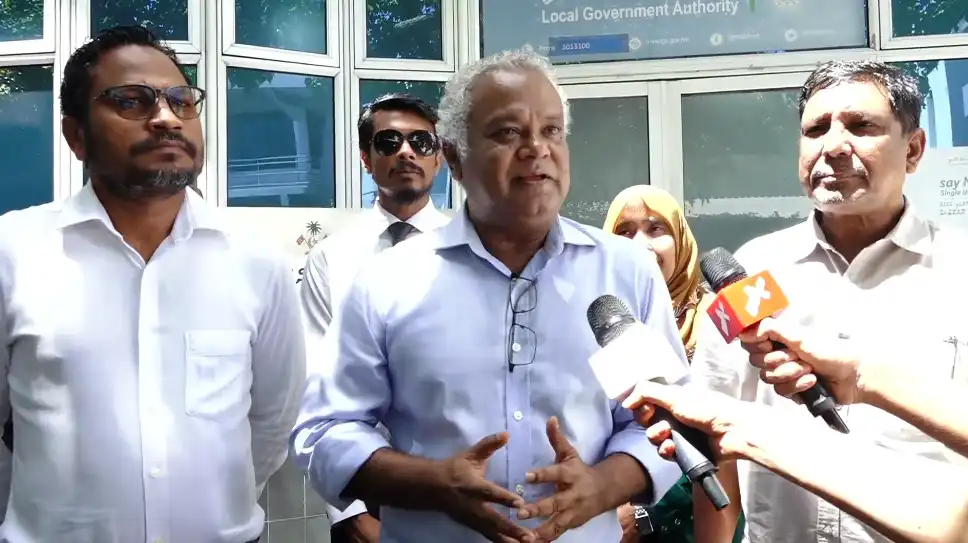
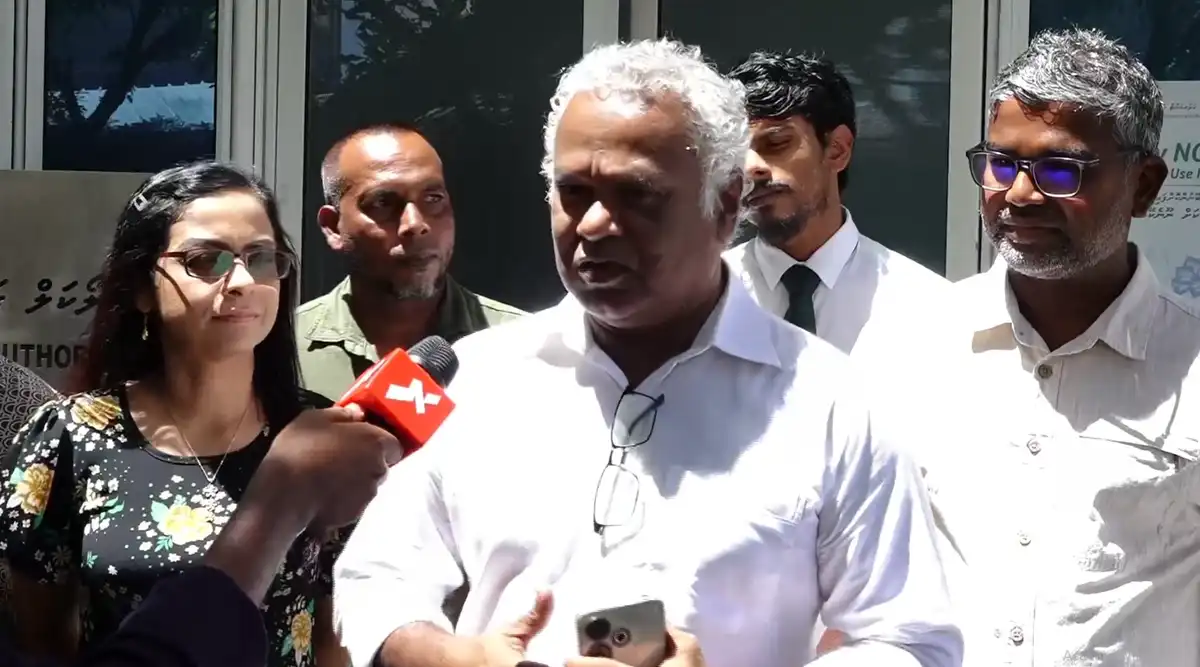
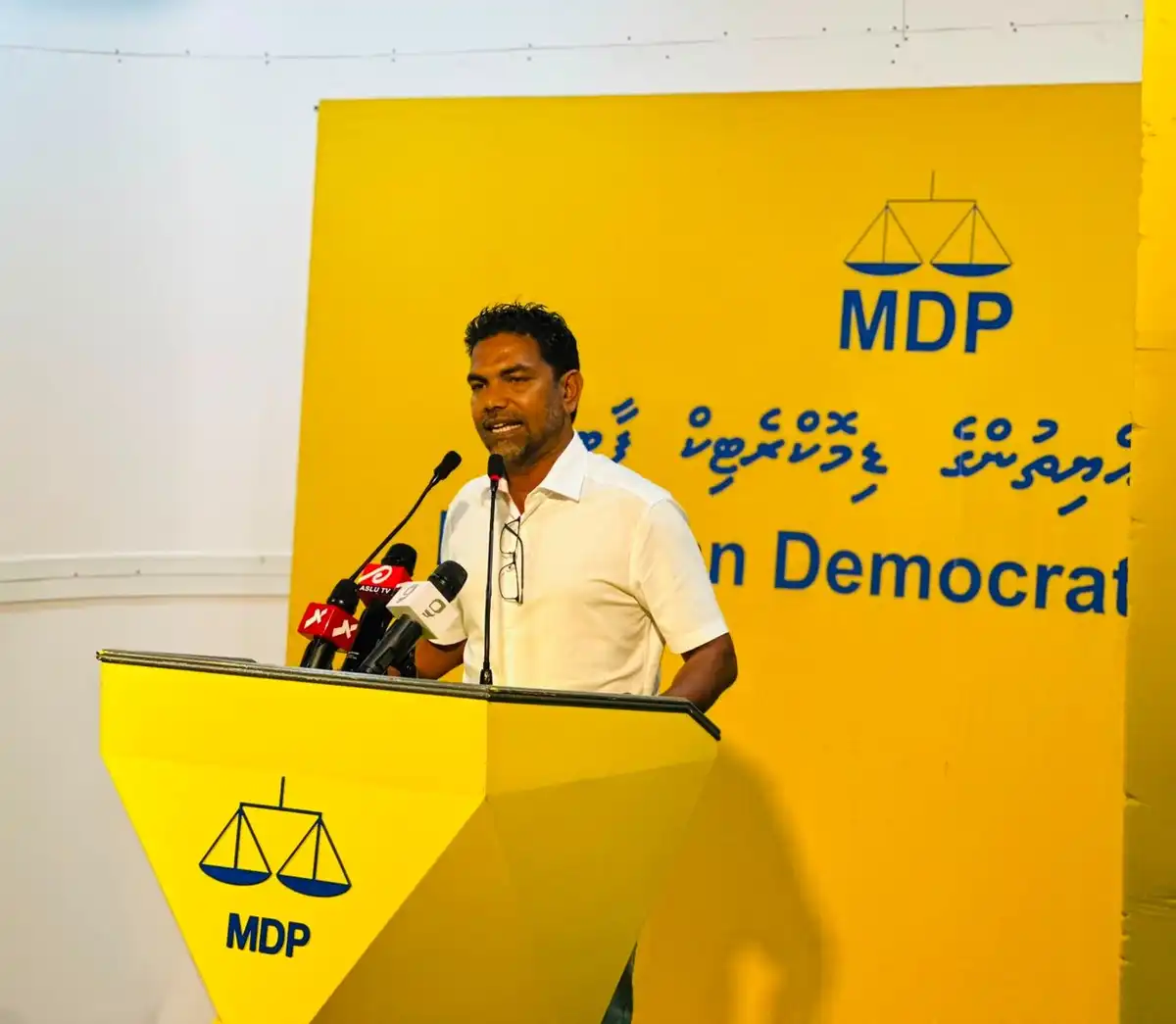
Former Hulhumale' MP and Chairperson of the MDP Decentralization Committee, Ali Niyaz, speaks to the media following a meeting with members of the Local Government Authority (LGA) on Thursday. | RaajjeMV
The Maldivian Democratic Party (MDP) has called for the live broadcasting of Local Government Authority (LGA) meetings, asserting that major decisions made by the authority must be transparent and accessible to the public.
Members of the MDP’s Decentralization Committee met with representatives from the Local Government Authority (LGA) on Thursday to discuss and express concern over recent changes to the decentralization system and the current treatment of local councils.
Speaking to the media regarding the meeting, Ali Niyaz, the former Member of Parliament for the Hulhumalé constituency and Chairperson of the MDP’s Decentralization Committee, stated that the discussions revealed that the proposal to abolish atoll councils did not originate from the technical experts at the Local Government Authority (LGA). He further noted that the technical and experienced professionals within the Authority had not provided any recommendation to dissolve councils that were established under the law.
Regarding the CEO of the LGA, it appears that his personal view and experience—rather than the stance of the technical experts at the authority—suggest that the existence of Atoll Councils is not beneficial. However, the technical staff and experienced professionals there have not advised the dissolution of any council established within the current system. In global decentralization models, there are various tiers and levels of governance. Consequently, these experts do not believe that abolishing any particular layer would be beneficial for the system. Nevertheless, it has become evident that this change was introduced through Parliament as part of the government's policy.Ali Niyaz
Furthermore, Niyaz addressed the ongoing dispute regarding the assets of Faafu Atoll.
Niyaz stated that the meeting involved extensive discussions regarding the transfer of Faafu Atoll Council’s assets and land to the Nilandhoo Council. He alleged that political influence played a role in transferring assets funded by the residents of the entire atoll to a specific island council.
This marks the first time such an issue has been encountered by the Nilandhoo Council. It is worth noting who represents the Nilandhoo constituency in the People’s Majlis. Consequently, the manner in which the Local Government Authority (LGA) handled the compensation or the management of the entire Atoll Council’s assets appears, perhaps not coincidentally, to mirror the approach taken in Nilandhoo. Therefore, we wish to inquire whether a written policy exists regarding this matter. We urge them to ensure that any future compensation procedures are conducted with full transparency for the public. While they may view this as a sound decision, we maintain that it is not.Ali Niyaz
Niyaz stated that he has requested the Local Government Authority (LGA) to broadcast its meetings live, emphasizing that major decisions made by the authority must be transparent to the public. He further noted that there must be clear established guidelines regarding the transfer of assets.