Unmasking the reality of an administration built on illusions of openness
21 ޖުލައި 2026 | އަންގާރަ 05:01President Muizzu's administration is facing criticism for abandoning campaign pledges of transparency in favor of extreme secrecy. The executive office has been fined for obstructing Right to Information requests and withholding data on political appointees. Officials now use state media for propaganda while avoiding legislative oversight.

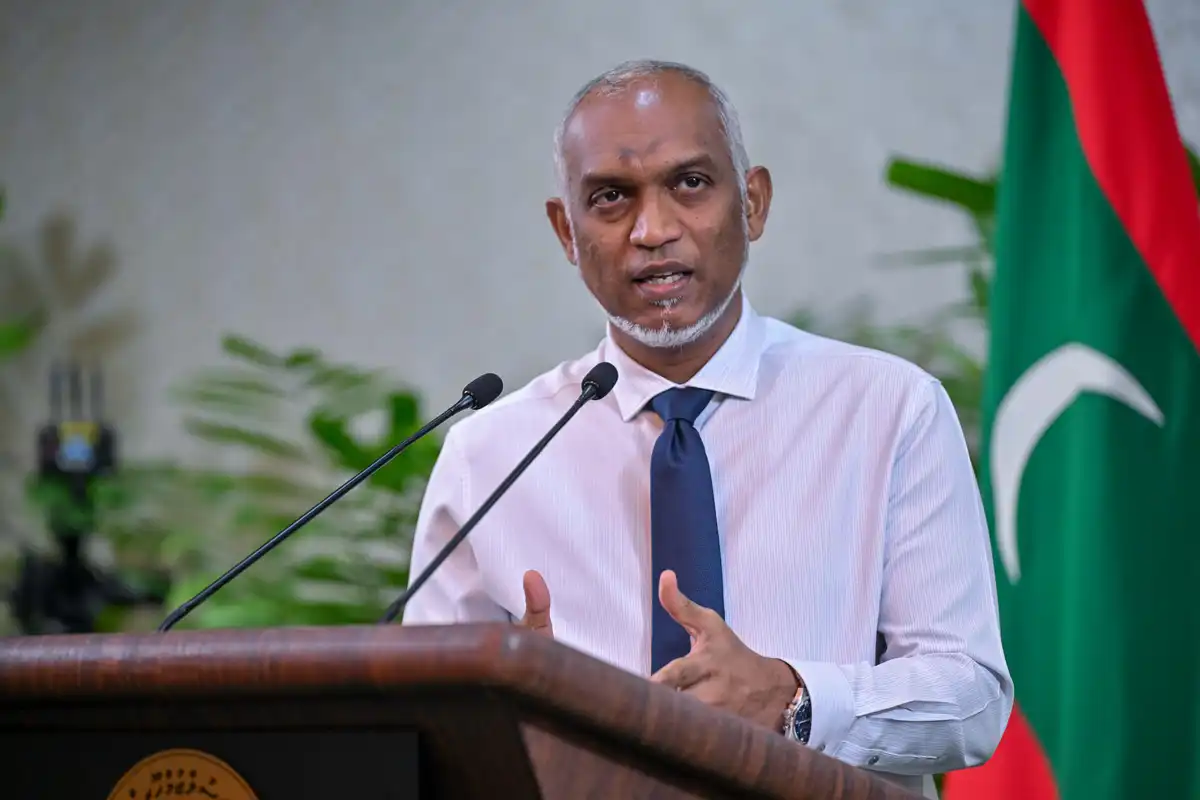
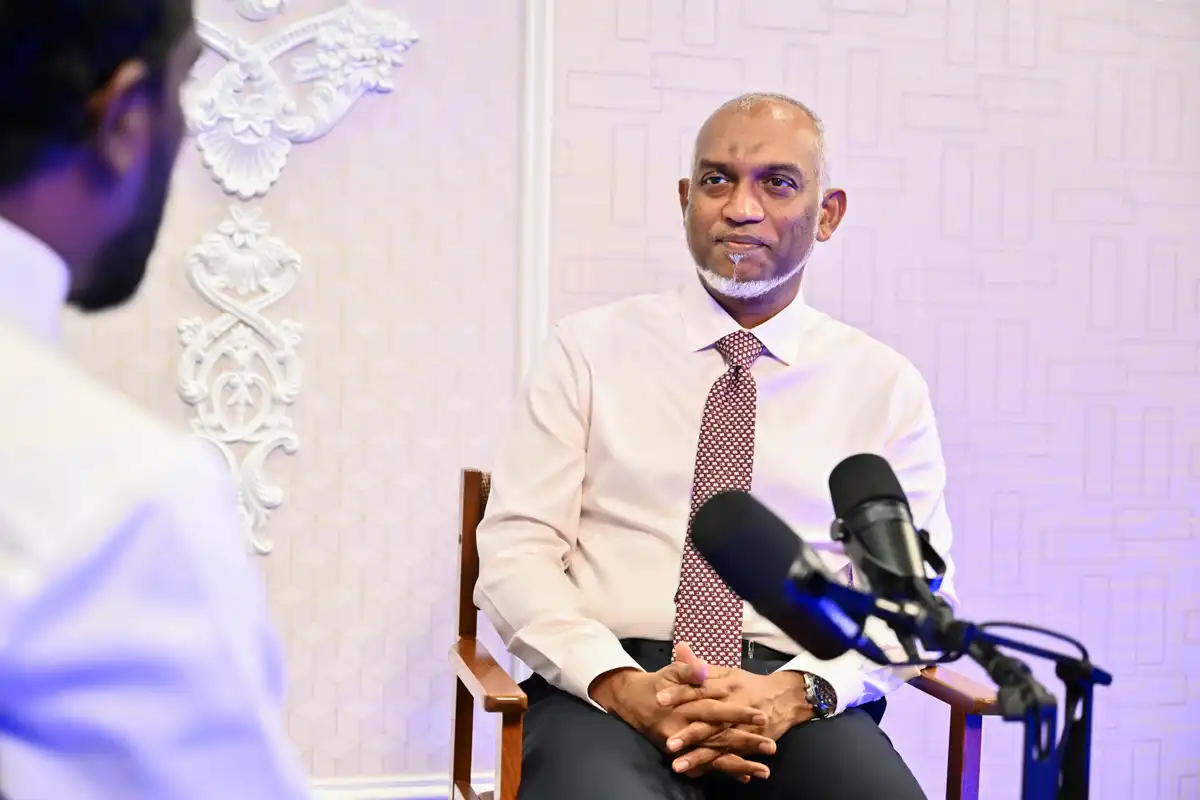
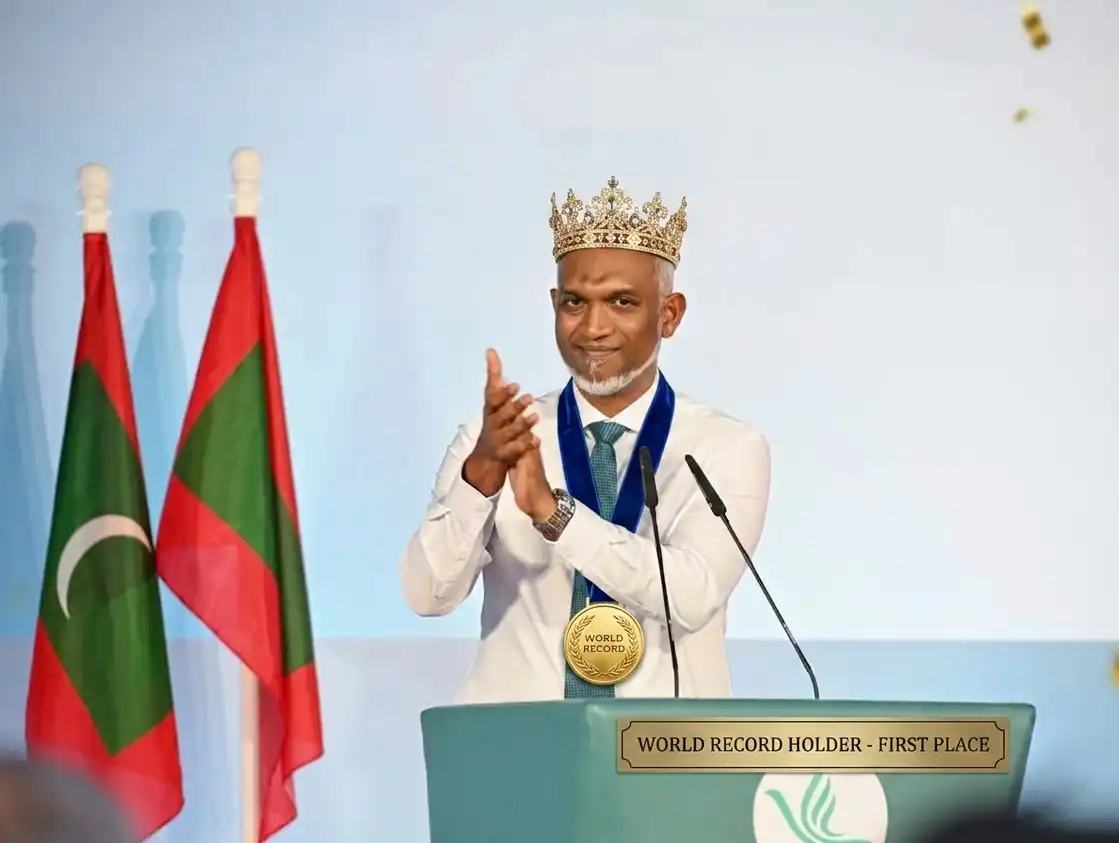
President Muizzu meets with the press. | Presidents office
Throughout the campaign trail, the winning card used to manipulate the electorate was an exaggerated commitment to unadulterated openness.
The current leadership swore to run an administration completely devoid of secrets, foolishly boasting that their operations would be as transparent as fresh water.
In particular, they viciously targeted the former regime over supposed secret arrangements with India, vowing that the excuse of national security would never again be exploited to conceal facts from the populace.
To make this fairy tale even more convincing, assurances were thrown around that media personnel would never again encounter obstacles when seeking facts.
The main ruling People’s National Congress (PNC) candidate, now President Dr. Mohamed Muizzu, arrogantly asserted that the public wouldn't even have to bother filing formal inquiries under the Right to Information (RTI)) Act to uncover what their leaders were up to.
Lock and key on the basic facts
Predictably, the moment power was secured, those grandiose vows vanished into thin air, replaced by an apparatus far more secretive than the one they replaced.
The flow of data hasn't just slowed down; it has practically dried up, perpetually shielded behind lazy excuses of safeguarding national security and preserving diplomatic ties. The paranoia is so severe that even mundane administrative records are guarded like crown jewels.
Case in point: the administration adamantly refuses to reveal the total count of political appointees on their payroll, a basic metric that used to be openly displayed on the official website, but is now conveniently erased from public view.
Breaking records in bureaucracy and catching fines
So much for rendering freedom of information requests obsolete; this regime has actually mastered the art of ignoring them altogether.
Leading this parade of silence is none other than the Executive Office itself, achieving the dubious distinction of being the inaugural presidency to be slapped with financial penalties for stonewalling the public.
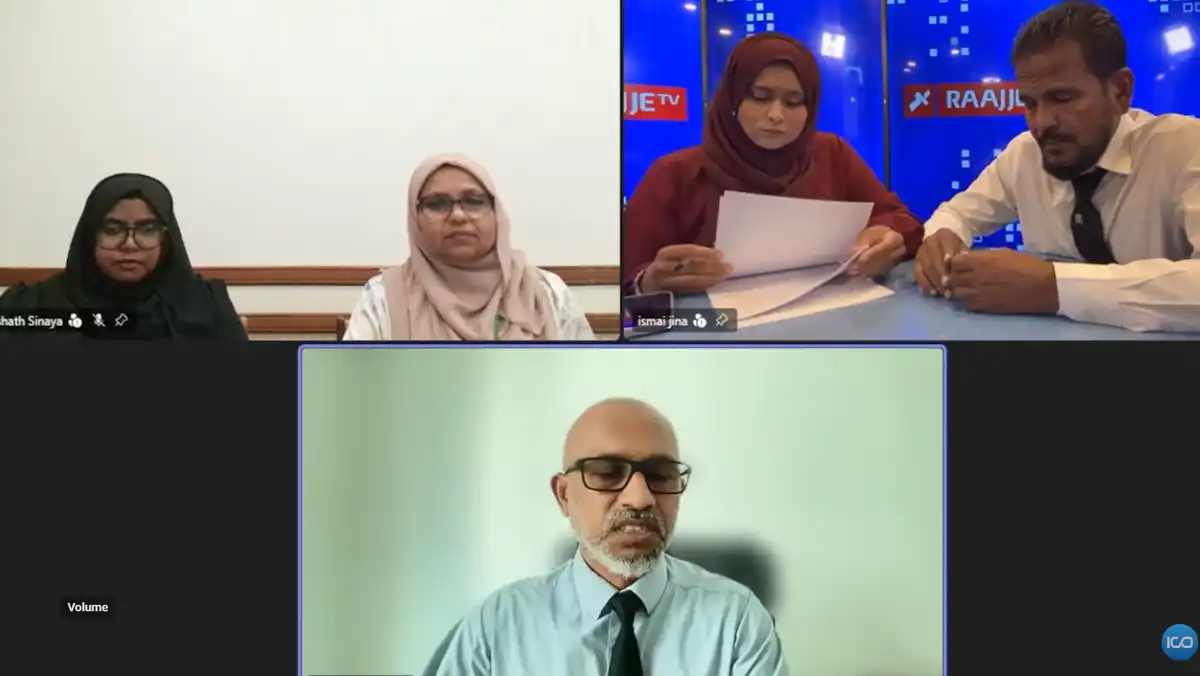
This blatant abuse of the legal framework was formally called out by Information Commissioner Ahid Rasheed during a legal battle launched by RaajjeTV against the top office.
Faced with constant obstruction of duty, the watchdog body resorted to slapping a statutory penalty of MVR 2,000 on the executive establishment under Section 67 of the relevant legislation. The fine was levied precisely because the office refused to answer applications within the mandated timeframe and continued to blatantly disregard statutory guidelines even after grace periods were extended.
Blaming the inquirers while breaking the rules
Rather than correcting course, the executive branch chose to attack the messengers. The Information Commissioner highlighted how officials routinely used public briefings to smear individuals submitting inquiries, painting them as bad-faith actors abusing the system.
However, as the watchdog pointed out, the real villain exploiting and twisting the legislative framework is the Executive Office itself. This hypocrisy lays bare the stark reality of Muizzu and his team, exposing how completely hollow their original claims of effortless disclosure truly were.
Evasive theatrics and empty press conferences
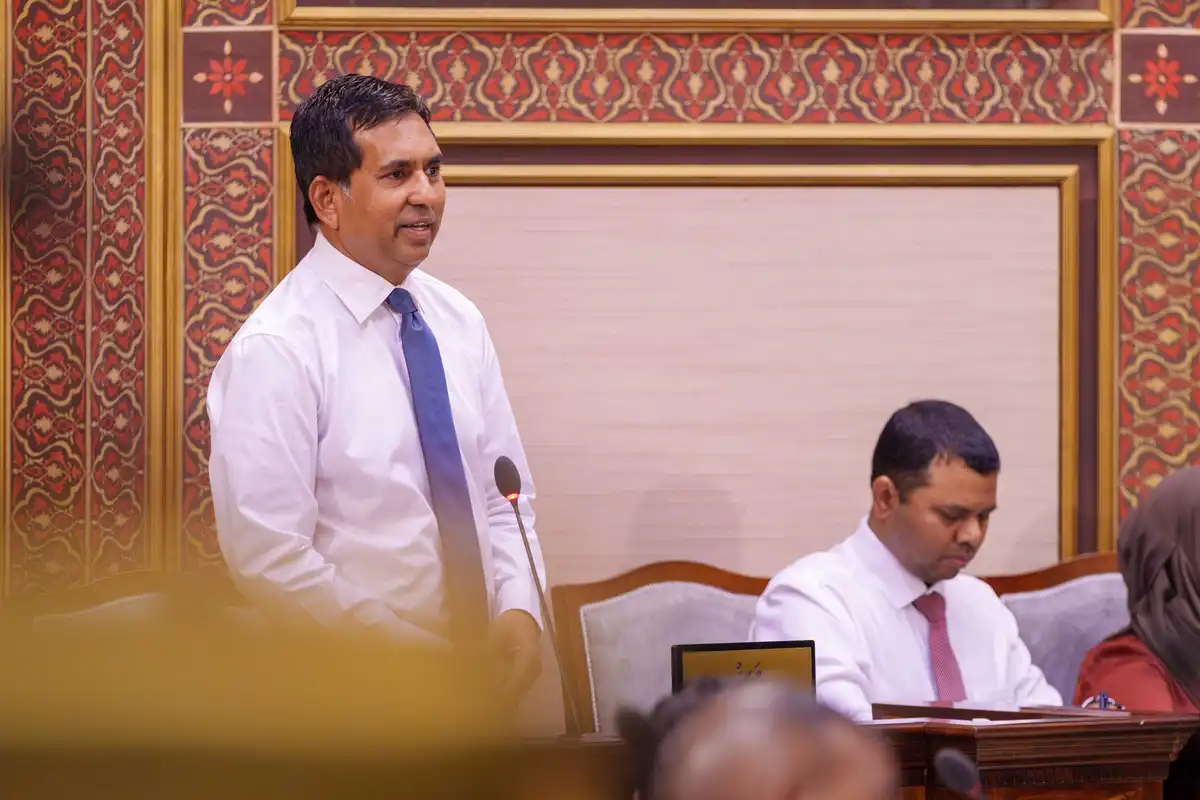
Any remaining display of openness is nothing more than a poorly choreographed sham. Inside the legislative assembly, cabinet members dodge direct questions with practiced agility, delivering zero actual facts to the chamber. Backed by an unchecked PNC super-majority, the administration operates without the slightest fear of legislative oversight.
The identical circus plays out during briefings hosted by the chief executive and his ministers. Inquiries are systematically deflected with irrelevant ramblings and empty political babble, while the executive spokesperson follows the exact same playbook, ensuring reporters walk away completely empty-handed.
Abandoning accountability for propaganda
The illusion of accessibility collapsed further as the head of state abandoned his own pledge to host weekly media sessions every Monday, quietly scrapping them for three weeks in a row.
In place of actual journalistic scrutiny, the leader now prefers cozy appearances on state-run television under various branded shows, using taxpayer-funded airtime to peddle self-serving propaganda and attack political opponents.
Ultimately, the true face of this regime has been completely exposed for all to see. The grand assurances made by Muizzu during his pursuit of power have turned out to be completely worthless, disappearing like marks etched into ocean waves.
His commitments have degraded into the classic legend of the climber who makes desperate vows while ascending a palm tree, only to completely forget them the moment he reaches the top.
The grandstanding that lifted them into office has evaporated into thin air, exposing a regime operating in absolute darkness.