Island infrastructure targets specters as capital congestion swallows thousands annually
18 ޖުލައި 2026 | ހޮނިހިރު 07:51Maldives faces a financial crisis due to contradictory development strategies that fund both massive Malé housing projects and underused island infrastructure. This dual spending fails to curb urban migration while pushing national debt to dangerous levels. Experts warn that without viable local job creation, the economy faces bankruptcy.

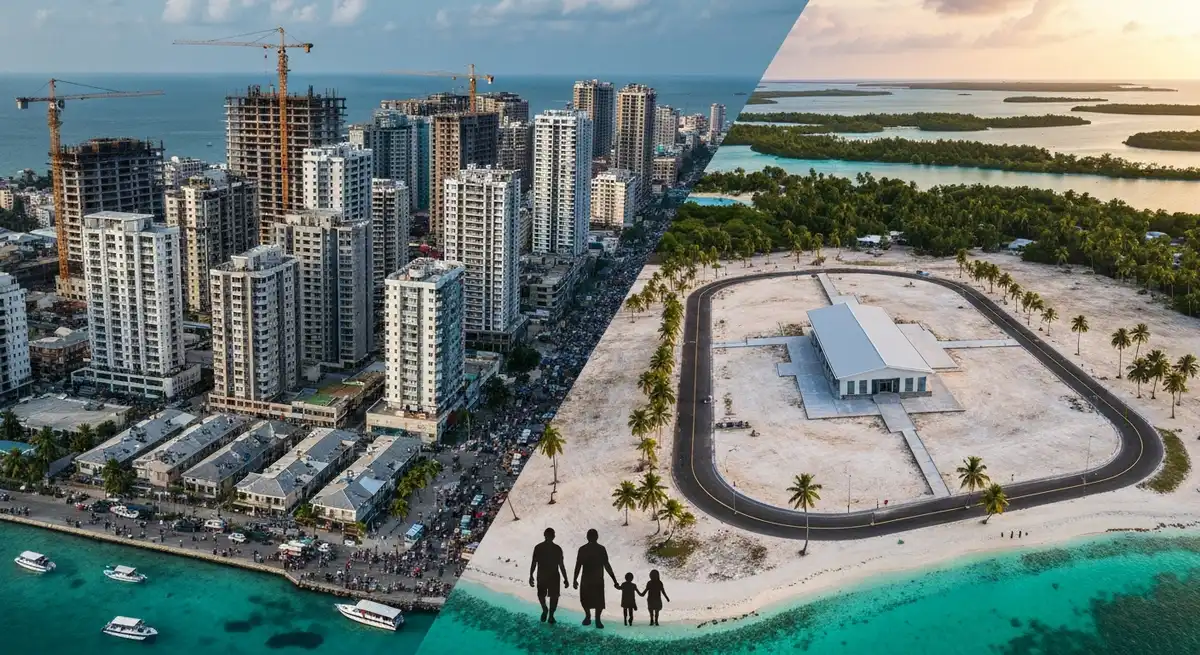
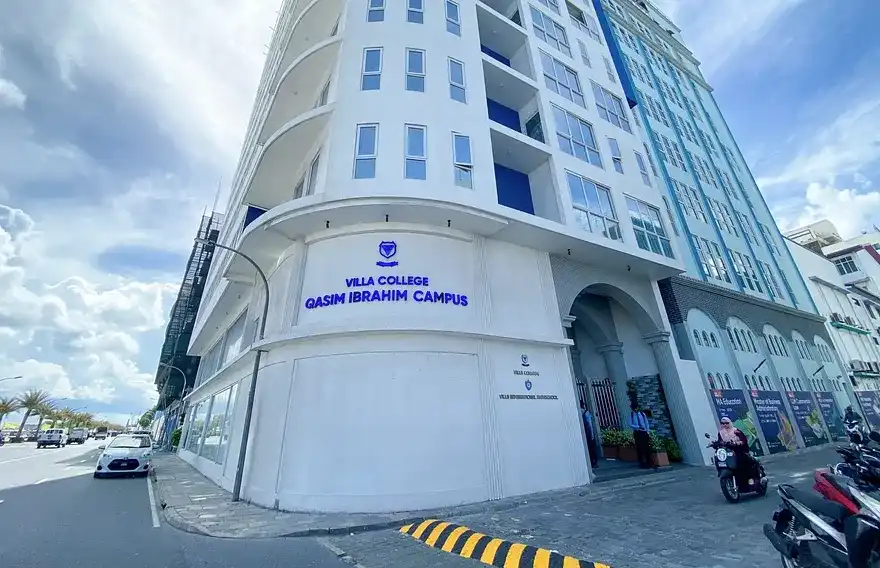
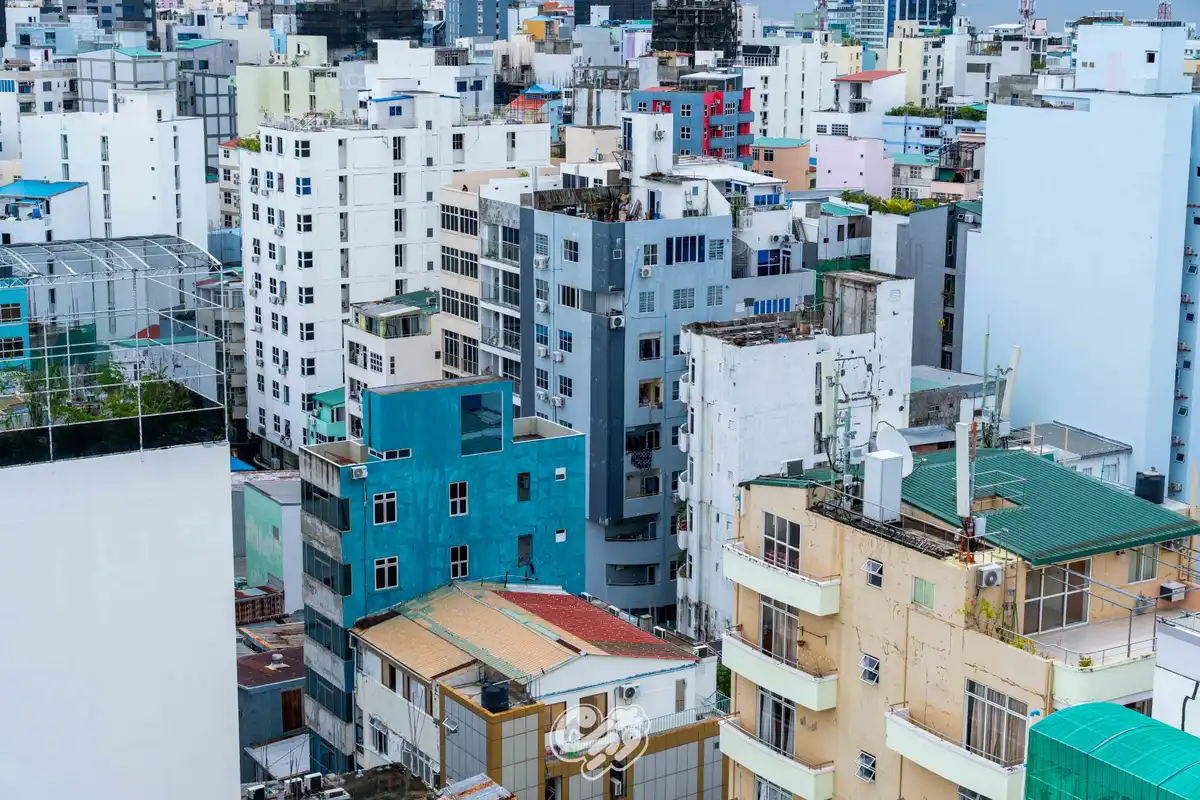
A split-screen image showing crowded high-rise apartment buildings in Malé on one side and an empty multipurpose hall in an outer island on the other, illustrating the contrast between urban overcrowding and underutilized island infrastructure in the Maldives. | RaajjeMV
An investigation into the development strategies of the Maldives exposes a glaring reality where the largest financial outlays are poured into Greater Malé housing alongside basic, industrial, and social infrastructure scattered across outer islands.
However, the deep-seated friction between these two approaches has crippled the financial stability of the country and pushed public debt to dangerous heights. The government routinely pours billions of Maldivian Rufiyaa into capital city housing while concurrently locking into endless, unviable contracts for island harbors, asphalt roads, sewer grids, and multipurpose halls.
This double-dealing makes very little sense when families routinely abandon their home communities for the capital to secure jobs and schooling, completely ignoring whatever new concrete has been poured back home.
Endless capital expansion trap
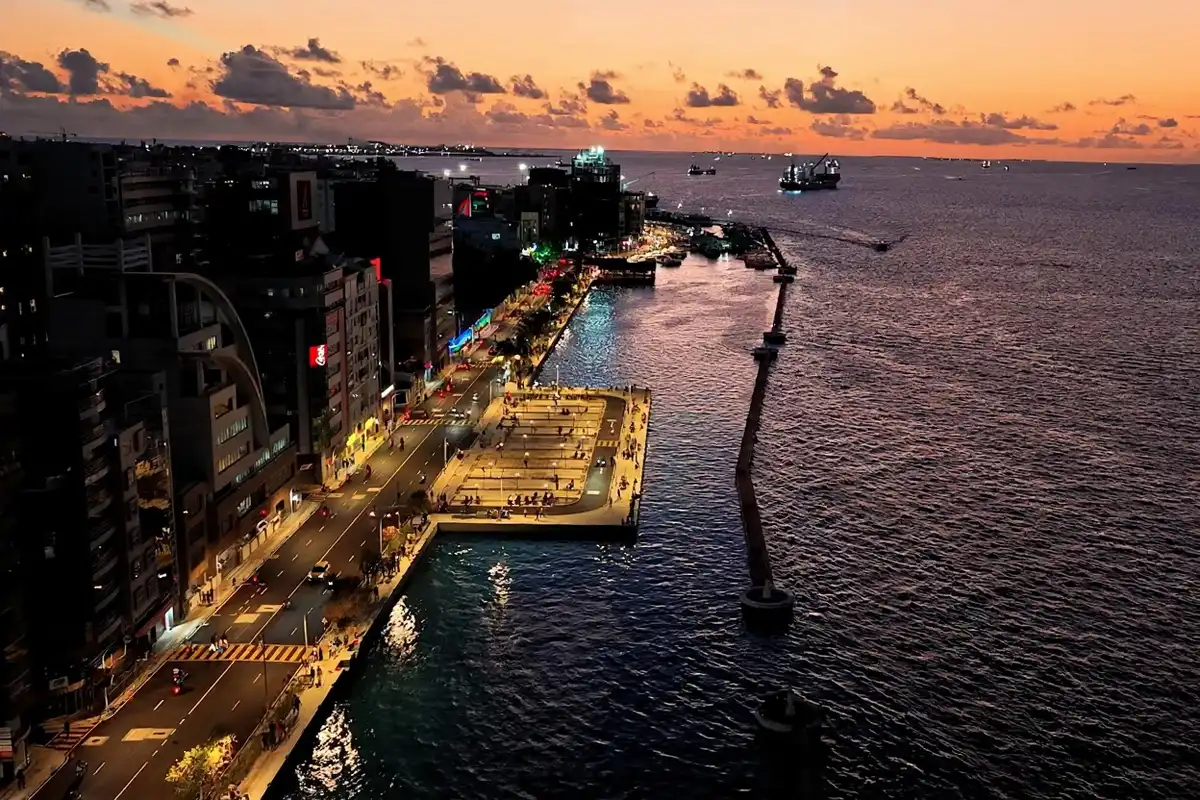
Providing housing within the capital zone remains the ultimate focus of the state. Colossal ventures spanning the multiple stages of Hulhumalé, Gulhifalhu, Giraavarufalhu, and Ras Malé aim to erect thousands of residential spaces. Regardless of these efforts, the projects never actually cure the suffocating congestion of Malé.
The root cause is that atoll families find themselves forced to pack up for the capital every single year just to chase employment and advanced schooling.
To look at the numbers, roughly 2,000 fresh students enter the school system in Malé at the beginning of every single school year. A family unit of three or four people usually tags along with every single student.
Because of this migration pattern, the very moment budget-friendly residential buildings are finalized and occupied, they are instantly maxed out. The desperate hunger for more living space never fades, trapping the capital in a permanent loop of construction and growth.
A multi-century backlog of political promises
Simultaneously, the state vows to scatter identical basic amenities across every single island. Hundreds of contracts have been finalized to build island harbors, paved road networks, water lines, sewage plants, airstrips, multipurpose halls, and utility structures, along with refrigeration hubs and processing plants for the fishing trade.
A massive chunk of these island contracts goes straight to State-Owned Enterprises (SOEs), including the Road Development Corporation (RDC).
However, when evaluating the actual performance limits of these state firms alongside the tight boundaries of the national treasury, the mountain of island work already started would realistically require somewhere between 200 and 300 years to fully execute at current speeds.
Inking these deals to satisfy nothing more than campaign trail vows, without bothering to conduct thorough viability reviews, has pushed the national debt load to historic extremes.
Funding ghost towns and debt bombs
Running these two contradictory agendas side by side triggers a massive drain on the treasury.
The state drops millions on island water networks, sewage lines, schools, and medical facilities, only for the intended residents to pack up for Malé before the construction crews even pack up their tools.
The result is left-behind islands and pricey infrastructure sitting empty or rotting away. On the flip side, the endless tide of people cramming into Malé forces the authorities to supply a continuous stream of apartments and land plots, meaning the housing emergency is never genuinely solved.
This two-pronged burning of cash drives up external debt and elevates the probability of total state bankruptcy.
National development strategies require much more substance than a simple urge to check off political campaign boxes.
Public Sector Investment Programs out in the atolls can only deliver genuine returns if they are tied directly to generating local businesses and employment that actually give people a reason to stay put.
Continuing to throw billions at Malé high-rises while simultaneously building deserted complexes on empty islands is a completely fractured approach that will guarantee the destruction of the nation's economic survival.