Maldives faces significant challenges in waste management: Ministry
7 ޖުލައި 2026 | އަންގާރަ 09:59The Ministry of Environment has announced a new legal framework designed to address the Maldives' waste management challenges by clearly defining the responsibilities of relevant authorities. Under this framework, four new regulations will be established to strengthen the roles of local councils and regulatory bodies, ensuring greater accountability within the system. While similar laws and policies have existed in the past, the Ministry noted that the primary concern remains the historical lack of effective enforcement.

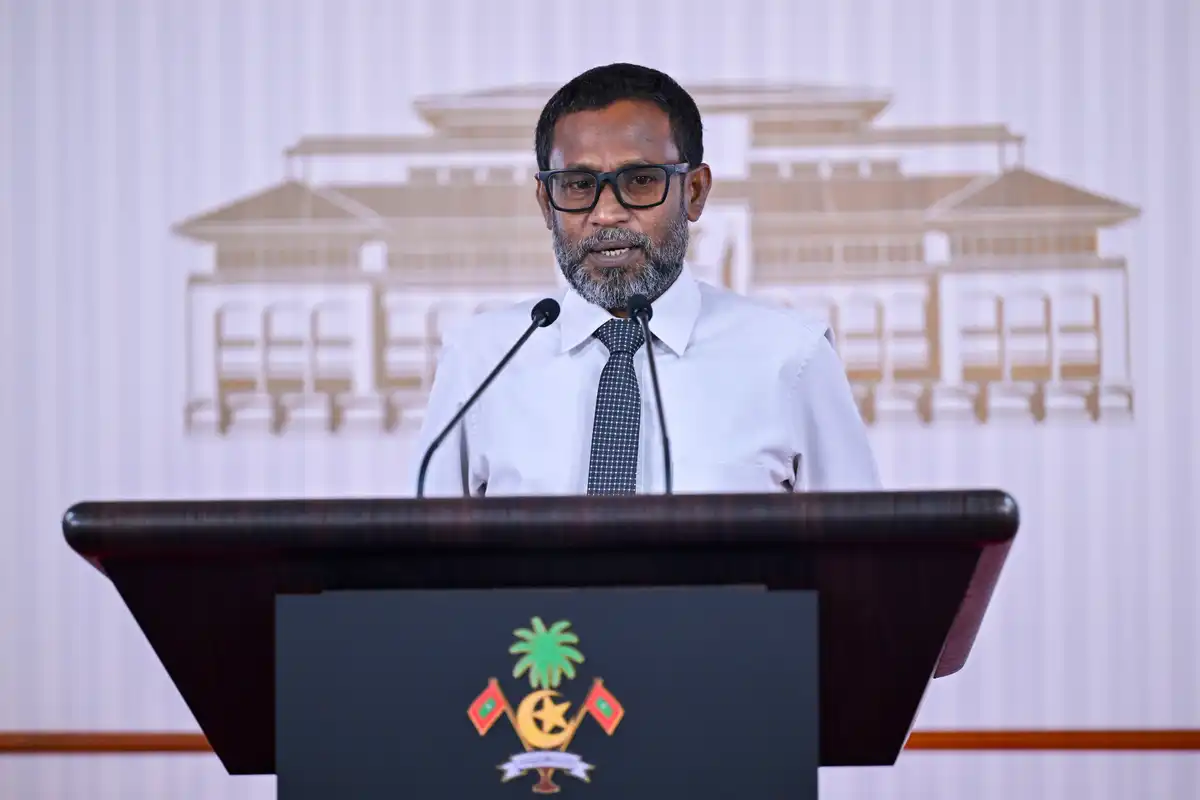
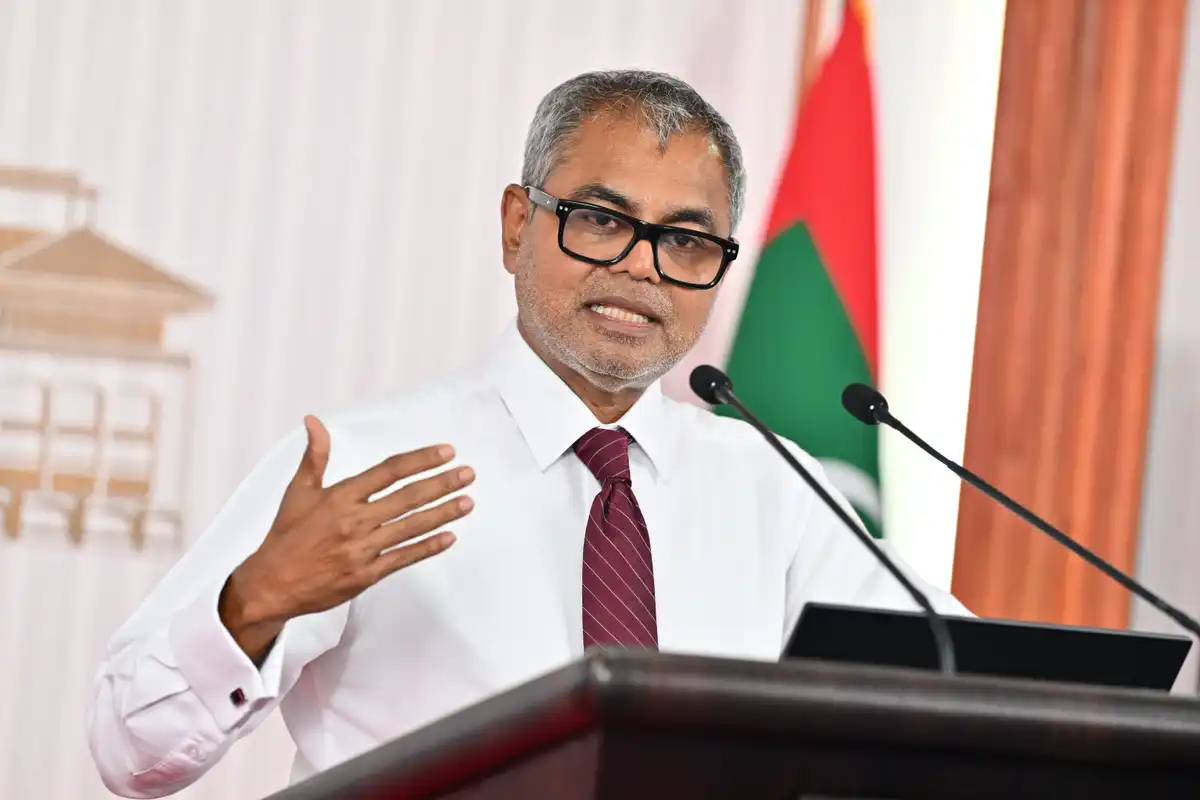
Ahmed Muruthala, Director General of Waste Management and Pollution at the Ministry of Environment. | President's Office
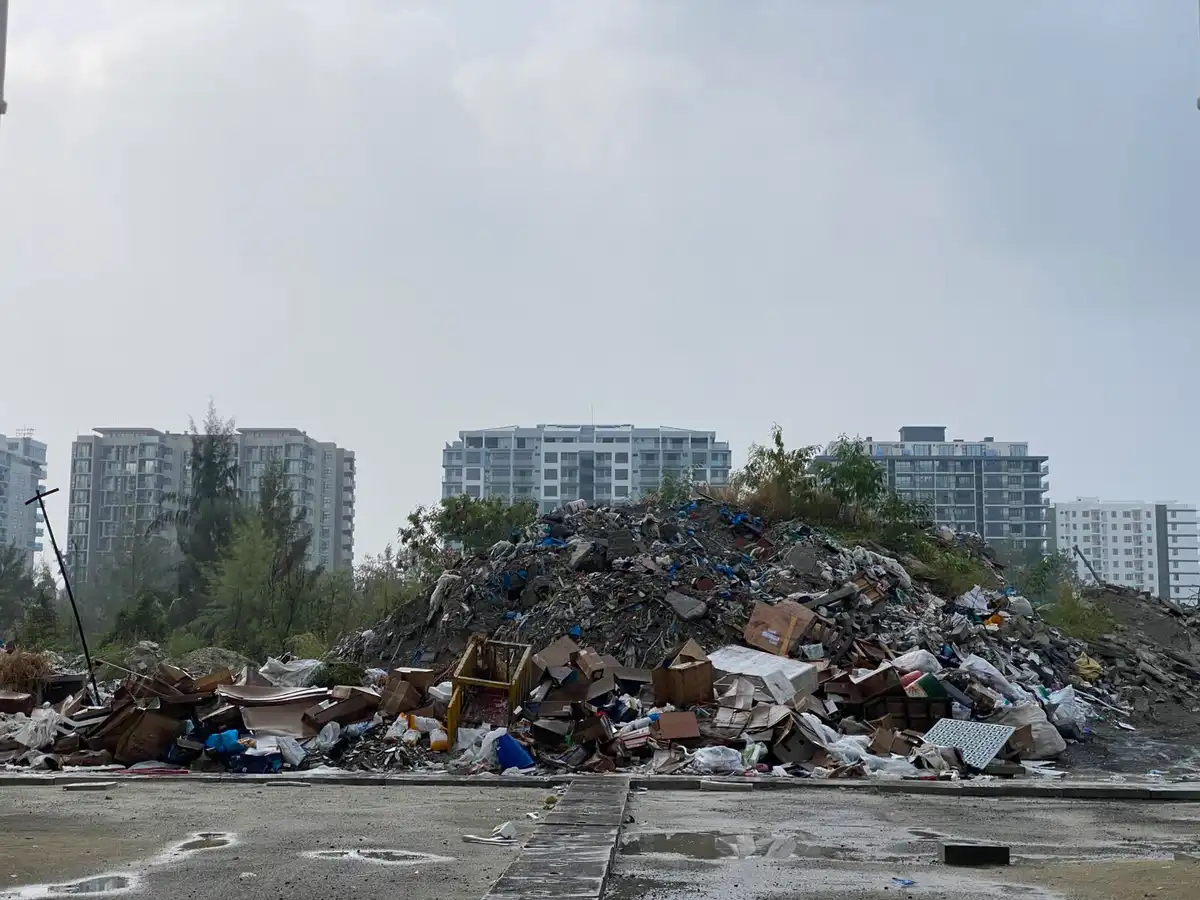
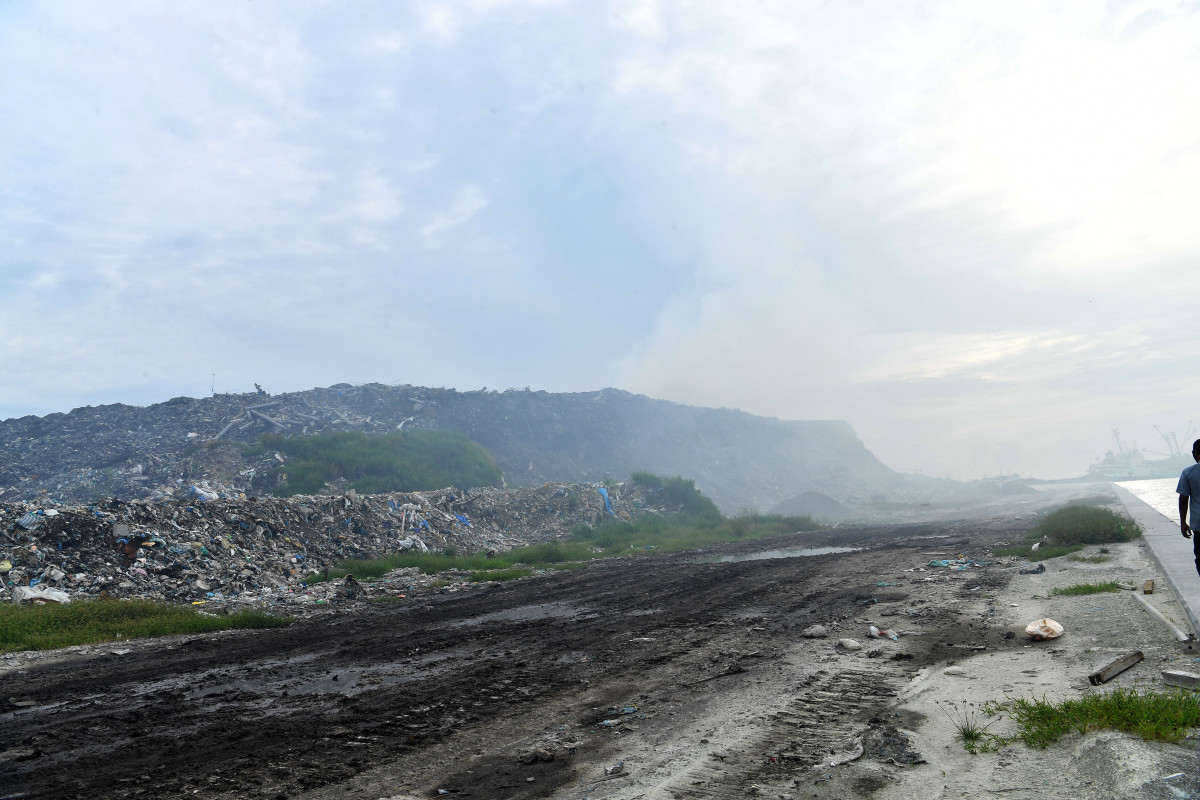
The Ministry of Climate Change, Environmental and Energy has stated that annual waste generation in the Maldives has surpassed 500,000 tonnes, noting that significant challenges remain in effective waste management.
Speaking at a press conference held at the President's Office on Tuesday, Ahmed Muruthala, the Director General of Waste Management and Pollution at the Ministry, revealed that statistics show annual waste generation in the Maldives has now exceeded 517,000 tonnes.
Furthermore, he highlighted the significant challenges facing the implementation of a holistic waste management system in the Maldives. Specifically, he noted the high costs associated with waste management and pointed out the lack of effective measures taken thus far to reduce waste generation.
Muruthala stated that a new specialized legal framework for waste management has been established to find a permanent solution to the issue. He further revealed that four regulations are set to be formulated under this new law.
He stated that this new legal framework will clearly define the specific responsibilities of the various agencies involved in the waste management sector.
In this regard, Muruthala stated that the law will explicitly define the responsibilities of island councils and the Ministry of Environment, as well as the mandates of the Environmental Protection Agency (EPA) and the Utility Regulatory Authority (URA). The government views this as a crucial step toward strengthening the waste management system and ensuring greater accountability.
With the enactment of this law, the specific responsibilities of local councils, the Ministry, the Energy Regulatory Authority (ERA), and the Utility Regulatory Authority (URA), as well as the obligations of other relevant parties, have been clearly defined within the legislation.Ahmed Muruthala, Director General of Waste Management and Pollution.
Laws and regulations have previously been established to address the waste management crisis in the Maldives. However, the failure to effectively enforce such legislation remains the primary concern for environmental activists and the general public alike.