Grand Hanimaadhoo Airport illusion crashes into hard reality
1 ޖުލައި 2026 | ބުދަ 10:25Despite political hype surrounding the new Hanimaadhoo International Airport, the facility is structurally unable to host wide-body aircraft or long-haul flights. Minister Mohamed Ameen revealed the airport was only engineered for narrow-body planes, contradicting government promises of a global aviation hub. Without a complete redesign and rebuild, the multi-million-USD project remains limited to regional traffic, failing to meet its promoted economic potential.

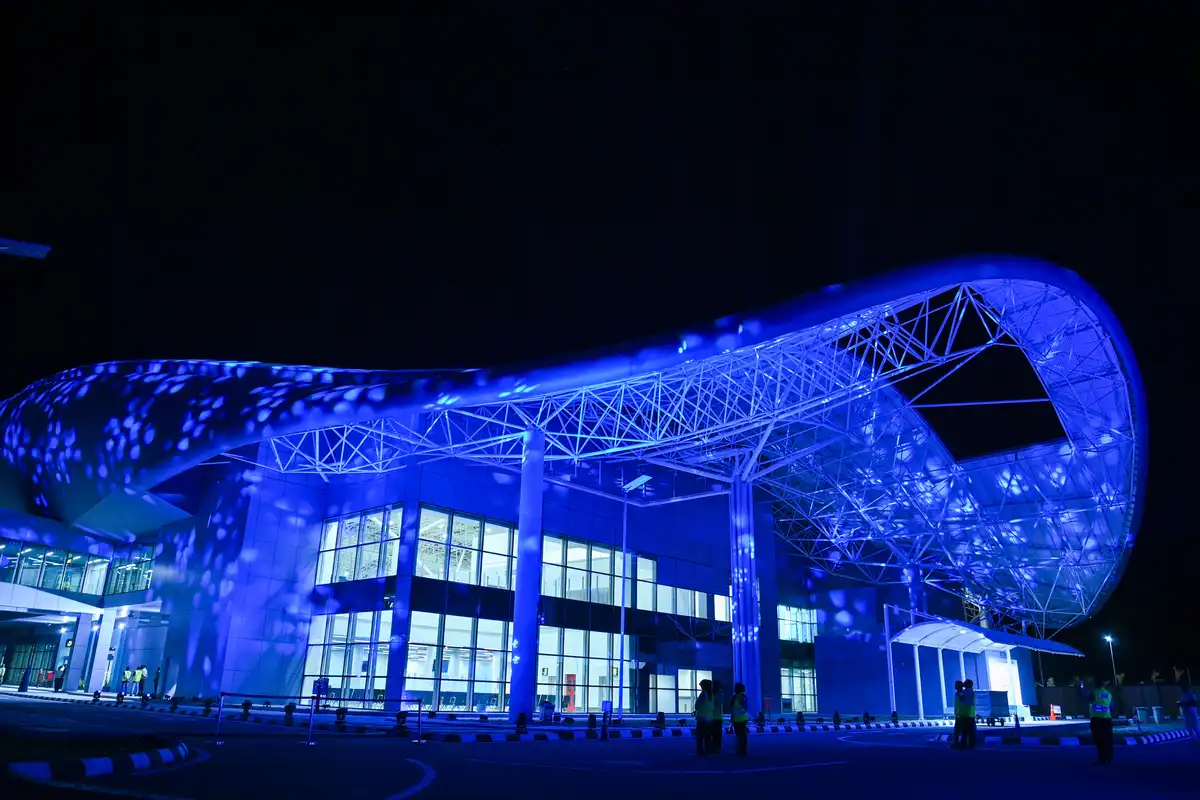
Hanimaadhoo International Airport Terminal Building. | President's Office
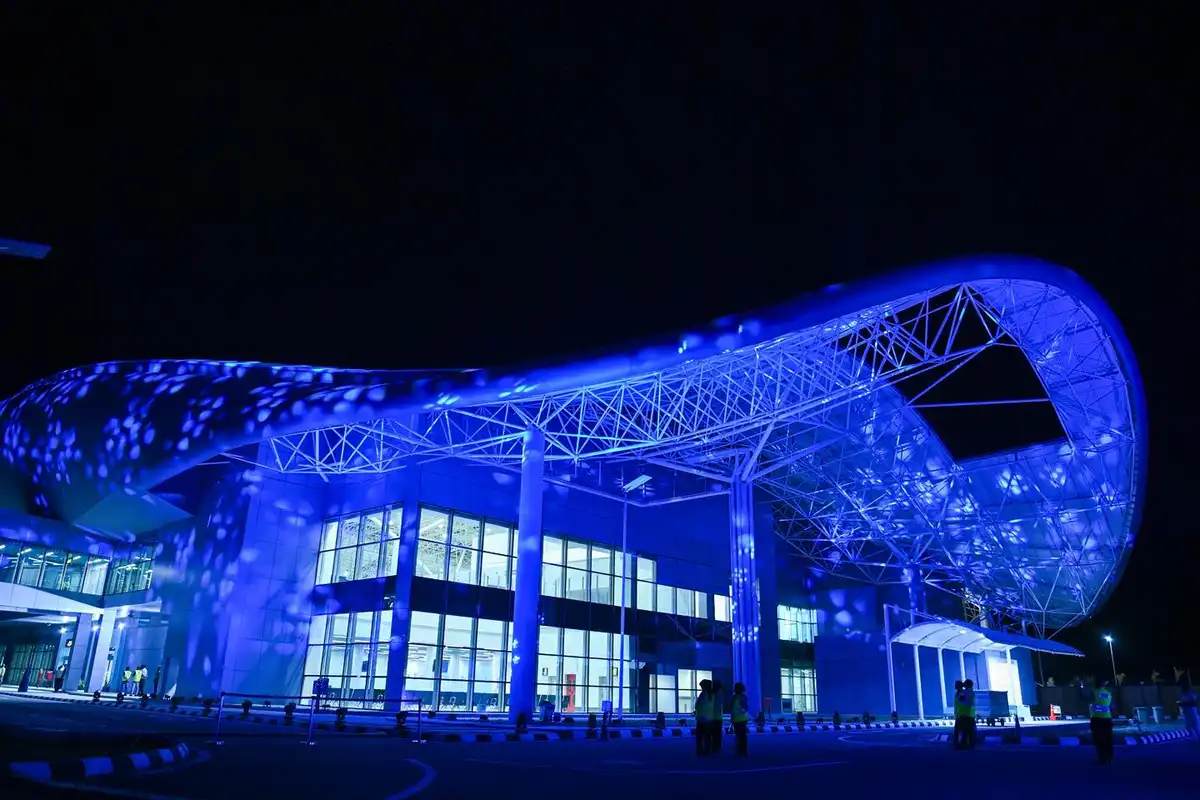
On the night of 9 November 2025, a lavish and theatrical celebration took place to mark the unveiling of a contemporary international airport in HDh. Hanimaadhoo, which was built to replace the island's previous, outdated airstrip.
This sparkly new facility was formally introduced to the public by President Dr. Mohamed Muizzu himself amidst much grand political fanfare.
A golden opportunity with nowhere to land
At this landmark gathering, the incumbent painted a beautiful picture of the airport acting as a vital portal linking the northern islands directly to the global stage. He heavily pushed all interested parties to capitalize on what he described as a flawless chance for regional prosperity, extending a direct invitation to global air carriers to start running routes into Hanimaadhoo International Airport while simultaneously pushing local Maldivian enterprises to pump more investment capital into northern regions. Fast forward eight full months from that ribbon-cutting spectacle and the grand outcomes promised by the head of state are nowhere to be found.
Global commercial carriers have completely ignored the invitation and for all its fancy architectural aesthetics, the facility has experienced absolutely zero meaningful shifts in how it actually operates on a day-to-day basis.
The awkward truth spilled in Majlis
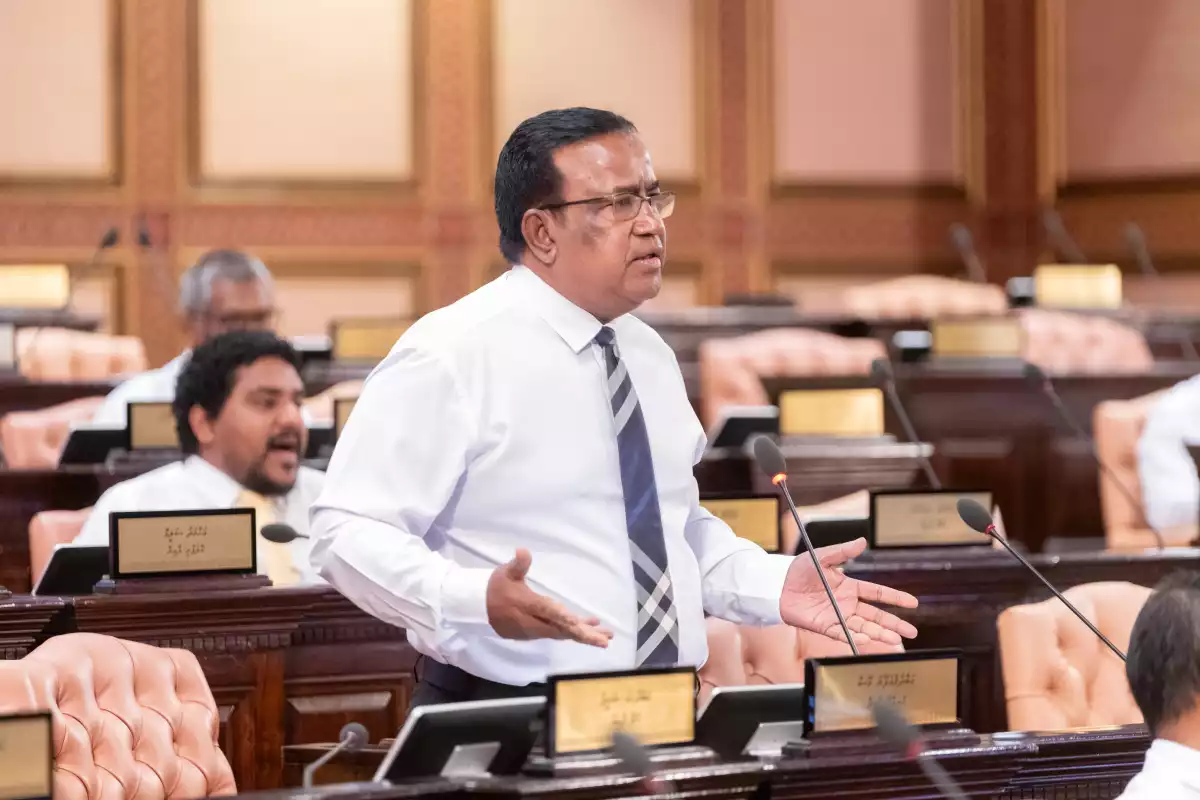
The complete lack of progress eventually wound up on the floor of the People's Majlis, where the local constituency's parliamentary representative stood up to relay deep public anxiety straight to the responsible government official.
The response delivered by Mohamed Ameen, the Minister of Tourism and Civil Aviation, thoroughly shattered the pristine image of what this airport is actually capable of achieving. Highlighting the desperate aspirations of the Thiladhunmathi population who are still waiting to see the multi-million-dollar asset function at full blast, Hanimaadhoo MP Abdul Ghafoor Moosa grilled Minister Ameen during a recent Tuesday parliamentary sitting.
The lawmaker demanded to know why the national carrier is failing to deploy its largest airplanes to utilize the runway efficiently and whether this heavily promoted piece of infrastructure is doomed to sit around gathering dust.
No room for the big boys
When forced to answer, Minister Ameen dryly remarked that he had assumed the regional lawmakers were already fully aware of the severe structural constraints plaguing the site.
He bluntly clarified that Hanimaadhoo Airport was never actually engineered or opened with the physical dimensions required to handle wide-body commercial jets.
Diving deeper into the technical failures, the minister elaborated that the current setup of the facility makes long-range flights, such as direct routes originating from China, completely impossible because the underlying ground infrastructure simply cannot hold or service massive vessels.
He noted that the airport was structurally masterminded and launched exclusively for compact, narrow-body airplanes. Because of these built-in limitations, it is entirely incapable of managing major long-haul aircraft categories including the Airbus A330, the Airbus A340 or the Boeing 777.
To top it off, the minister made it clear that if the government ever hopes to accommodate wide-body aviation services, the entire Hanimaadhoo complex will have to be completely thrown out, redesigned and rebuilt from scratch.
The multi-million-USD grounding of political hype
These embarrassing admissions from the minister stand in direct defiance of the glossy promotional narrative carefully pushed by both the past and present ruling administrations.
Politicians have tirelessly marketed the facility, which was heavily upgraded utilizing a massive loan provided by India’s EXIM Bank, as an asset that was completely prepared to handle global traffic. Even though formal public relations statements carefully avoided using restrictive terms like wide-body or narrow-body, the political machinery consistently ensured the public believed it was fully primed for global networks.
An official press release pushed out by the President’s Office on inauguration night boasted that Hanimaadhoo had become the very first aviation hub in the country outside of Velana International Airport to feature functional passenger aero-bridges.
That same release labeled the entire endeavor as a groundbreaking economic leap forward for the northern territory, showcasing a massive 10,380 square meter passenger terminal loaded with advanced amenities engineered to process 1.3 million travelers on an annual basis.
These grandiose descriptions were obviously meant to make everyone believe the site was destined for far grander things than minor domestic flights.
A paper trail of missing flights
In the exact same vein, India’s EXIM Bank, which bankrolled the structural upgrade, publicly declared that the brand-new aviation assets and dedicated cargo hub would easily grease the wheels for global airline networks, thereby supercharging regional tourism, expanding commercial trade, tightening local connectivity and unlocking massive waves of employment.
The entire development, pulled from a hefty USD 450.81 million Line of Credit package inked way back in 2019, featured a 2.46 kilometer landing strip.
According to the previous administration's Ministry of Economic Development, completing this runway would guarantee that hefty commercial jets like the Airbus A320 and the Boeing 737 could touch down without a hitch, transforming the northern island into a critical crossroads for unstopped flights arriving straight from South Asia, Southeast Asia and East Africa.
The gaping chasm separating these loud public guarantees from the depressing, stagnant operational reality on the ground is blindingly obvious. While President Muizzu spent his evening lecturing the public to grab hold of a golden opportunity, his own transport minister has essentially admitted that this political dream is totally dead in the water without a total structural overhaul and an entirely new development blueprint.